15 Air Return Vent Cover DIY Ideas for Stylish Homes
Introduction
Ugly wall vents can quietly ruin the look of an otherwise beautiful room. That’s why so many homeowners are searching for creative air return vent cover diy ideas that feel stylish, functional, and easy to personalize. The good news is you do not need a massive renovation budget to make these overlooked details look intentional and beautifully designed.
From warm wood slats to sleek modern panels, the right vent cover can completely change the atmosphere of a space. I’ve noticed that small upgrades like these often make rooms feel more finished and thoughtfully decorated without requiring major work. Many of these ideas also help soften harsh metal grilles while blending naturally into your existing decor style.
Whether your home feels modern, rustic, cozy, minimalist, or vintage inspired, there are countless ways to turn basic vents into attractive design features. These ideas are perfect for creating a cleaner visual flow while adding texture, warmth, and personality to your walls. Once you see how much difference these simple upgrades can make, standard vent covers may never look the same again.
Rustic Wood Slats
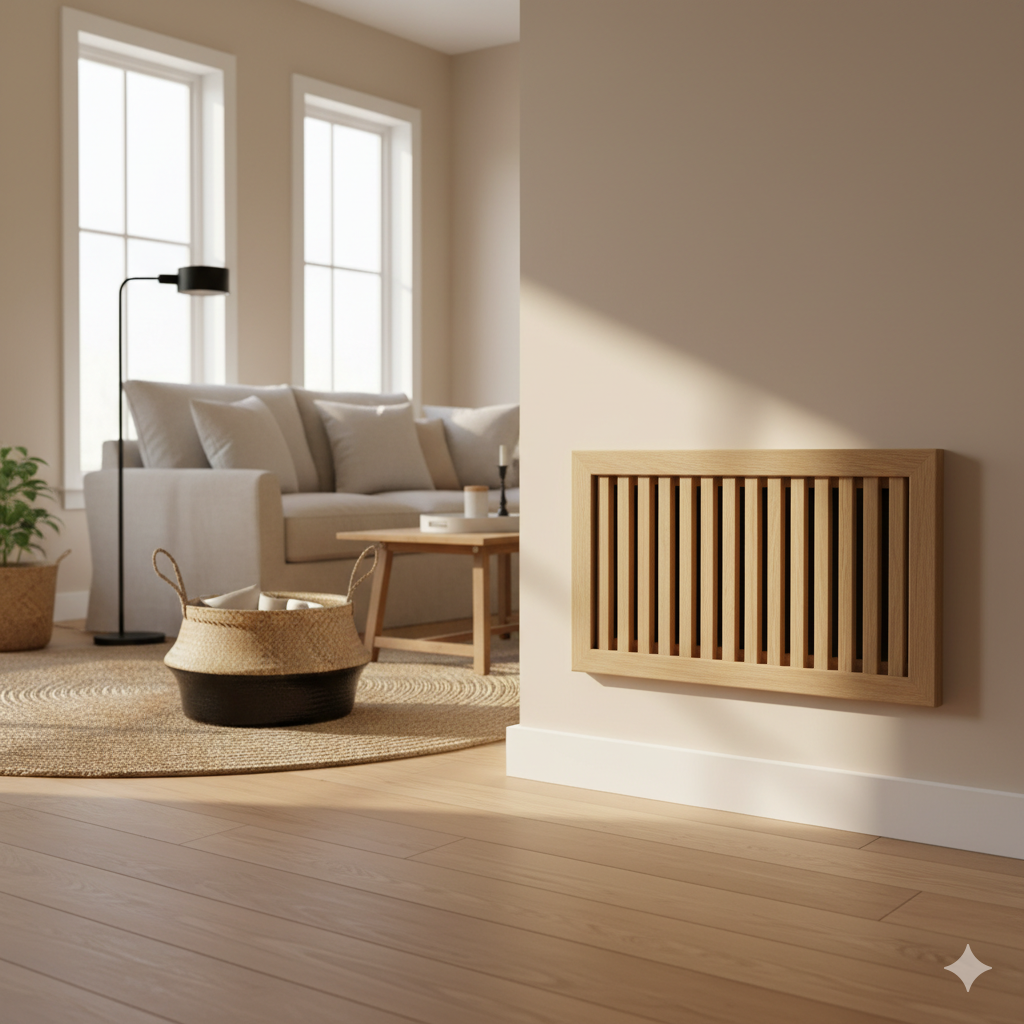
Nothing upgrades an overlooked wall detail faster than natural wood accents. A slatted vent cover instantly softens the harsh look of traditional metal grilles while adding warmth that feels intentional and custom designed. I’ve noticed this style works beautifully in homes that already feature wood tones through flooring, shelving, or furniture because it visually ties the room together. The open spacing between slats also keeps airflow moving properly while creating a cleaner and more decorative appearance. Even simple pine boards can look elevated with a soft stain and matte finish that complements surrounding decor perfectly throughout every season.
A wood slat design also offers flexibility that many store-bought covers simply cannot match. You can customize the spacing, stain depth, frame thickness, and overall size to suit both modern and rustic interiors without making the vent feel bulky. In my experience, lighter oak finishes create a relaxed Scandinavian-inspired atmosphere, while darker walnut tones make the space feel more dramatic and refined. Because the structure remains visually lightweight, it keeps the room from feeling crowded or overdecorated. This approach works especially well for larger wall vents that normally draw too much attention in otherwise carefully styled spaces at home.
Cane Webbing Panels
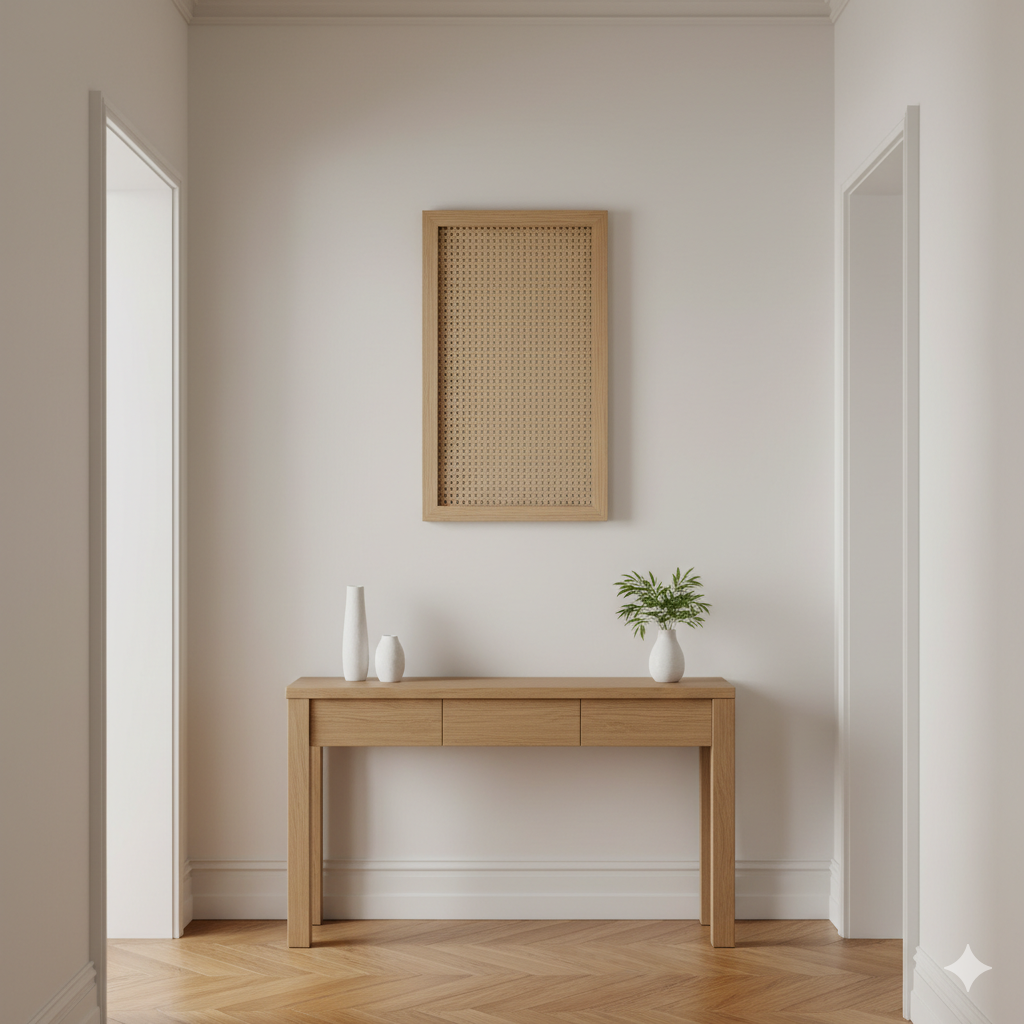
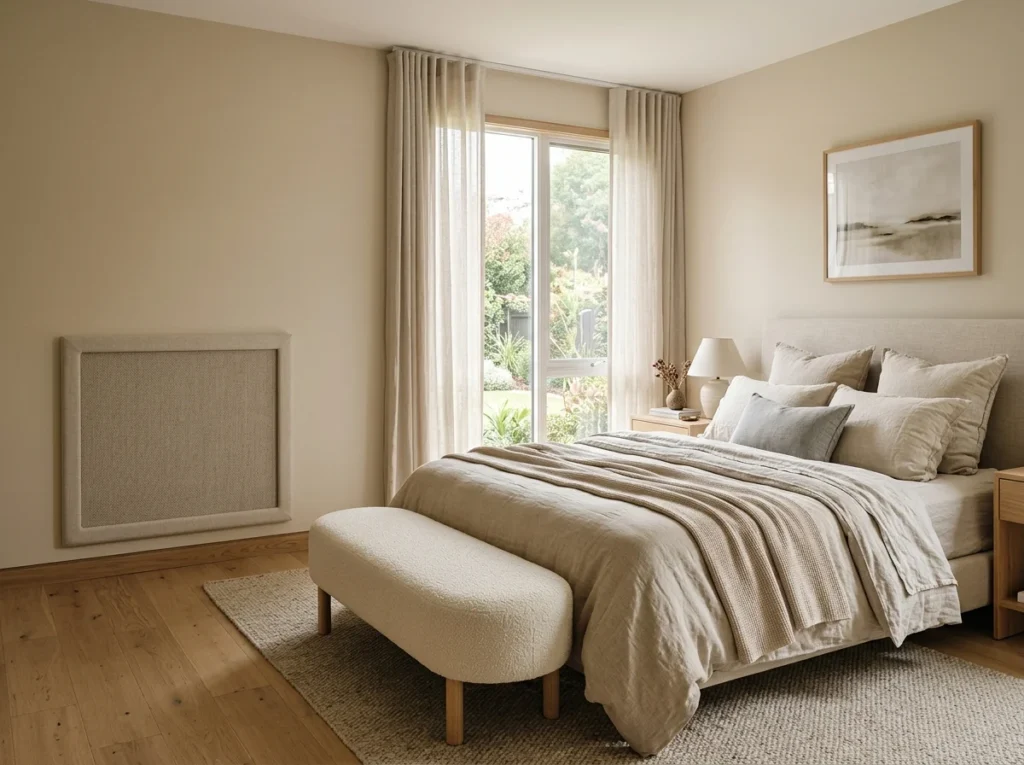
Cane webbing instantly introduces softness and visual texture that feels relaxed yet sophisticated. Instead of leaving air vents looking industrial or forgotten, this woven material transforms them into decorative accents that blend naturally with curated interiors. I’ve seen this work especially well in bright spaces with neutral palettes because the woven texture adds depth without making the room feel visually heavy. The breathable design also allows airflow to continue easily, which makes it practical as well as stylish. Paired with a simple wood frame, cane inserts can completely change the appearance of a hallway, bedroom, or reading nook beautifully.
One reason many designers recommend woven materials is their ability to warm up clean modern interiors without adding clutter. Cane webbing has a subtle handmade quality that feels inviting and relaxed while still looking polished enough for upscale spaces. It pairs beautifully with linen fabrics, soft earth tones, and natural textures already popular in Pinterest-inspired homes. I’ve noticed that lighter finishes help small rooms feel brighter and more open, especially near entryways or narrow corridors. Because the material feels timeless rather than trendy, this is one of those simple upgrades that can continue looking stylish for many years inside almost any home.
Matte Black Grilles
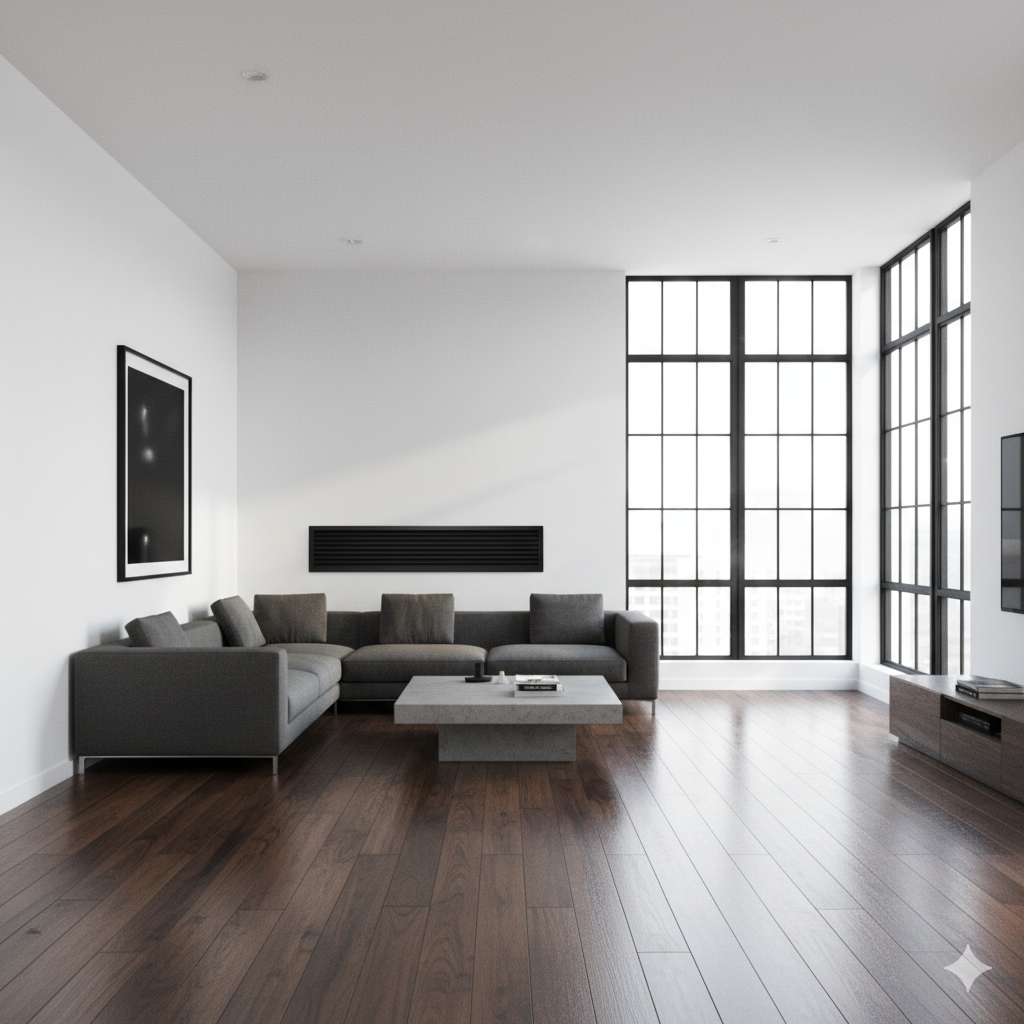
Dark vent covers can completely reshape the visual balance of a room, especially when paired with lighter walls and minimalist styling. A matte black grille creates crisp contrast that feels modern, structured, and intentionally designed rather than purely functional. I’ve noticed this approach works particularly well in homes with black hardware, window frames, or lighting fixtures because it repeats existing accents throughout the space naturally. The clean finish also hides scratches and dust better than shiny metal surfaces, helping the area stay polished longer. Even a simple vent becomes part of the room’s overall design story instead of fading awkwardly into the background.
This style also works because black creates definition without requiring elaborate decorative details. Linear grille patterns feel especially elevated in contemporary homes where clean lines already dominate the interior design. In my experience, slimmer slats and geometric spacing help vents resemble architectural features instead of utility pieces. The darker finish can even make large wall vents appear visually smaller and less distracting from surrounding furniture or artwork. Since matte black pairs effortlessly with wood, concrete, leather, and neutral textiles, it becomes one of the easiest ways to modernize an older room without committing to a major renovation or expensive decorative upgrade project.
Framed Wall Panels
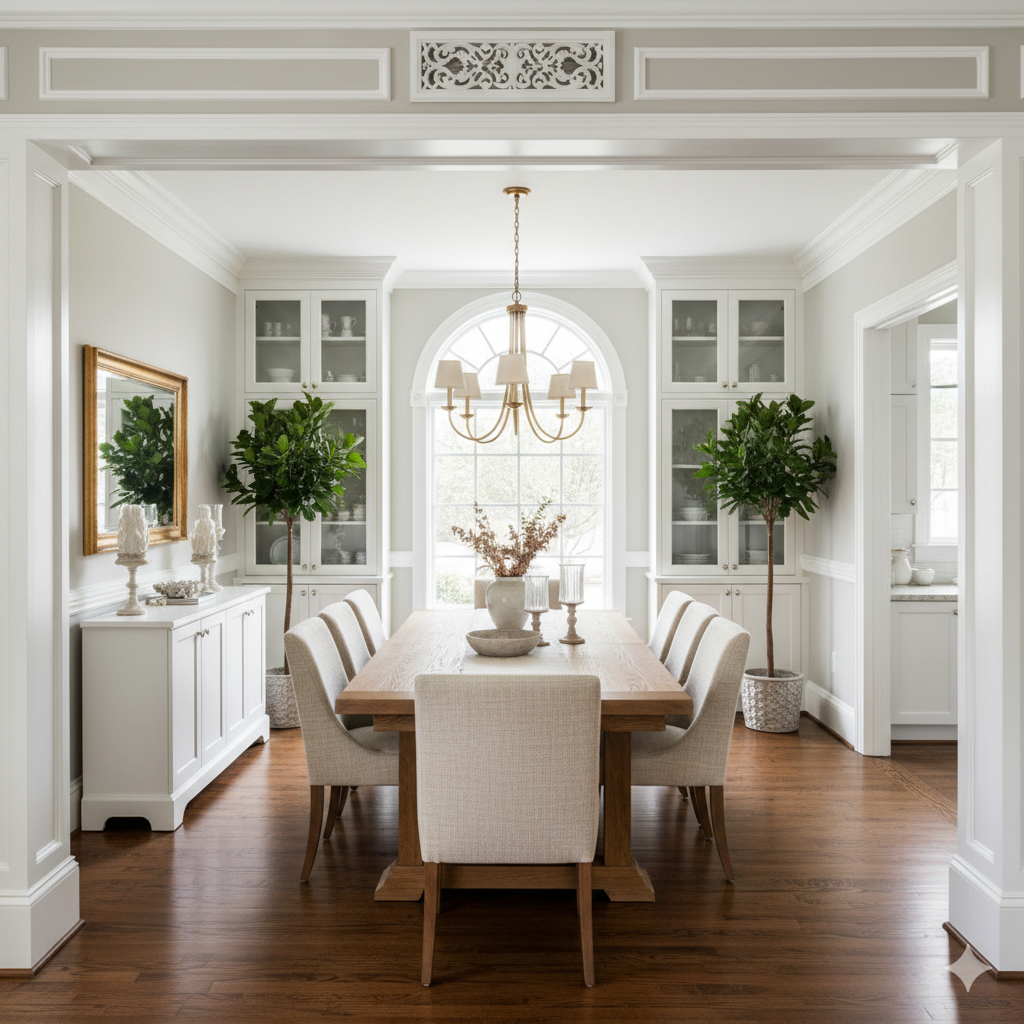
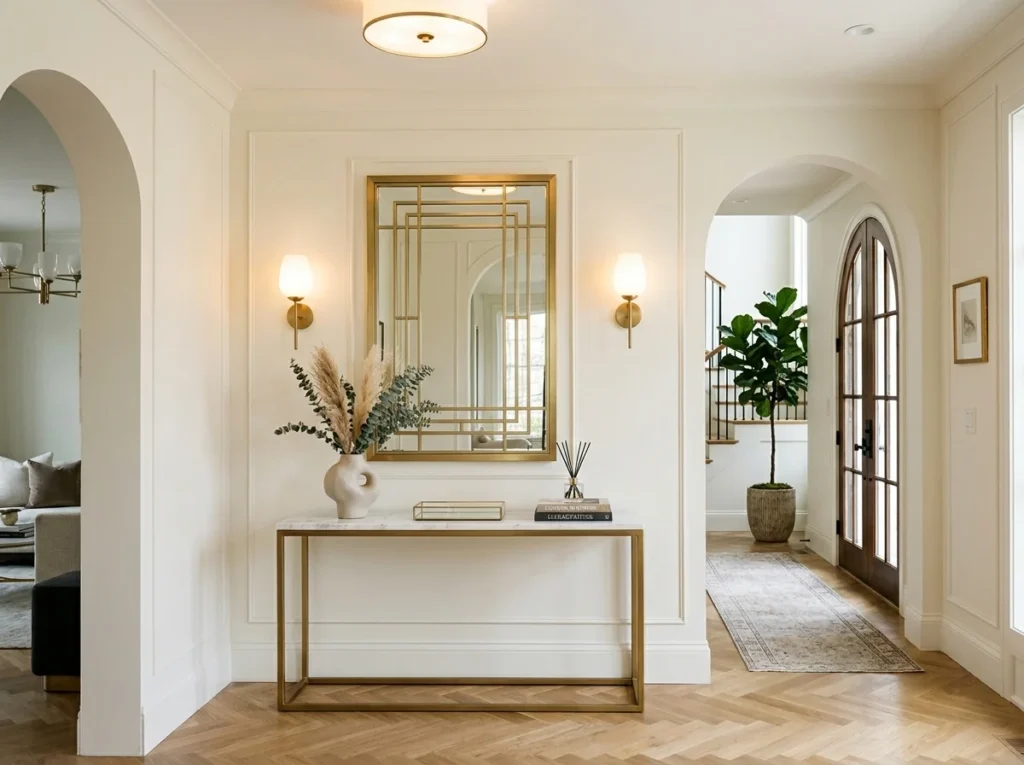
Decorative wall molding can make even the most functional features feel intentional and refined. A framed vent panel blends beautifully into existing trim work, helping large return vents disappear into the room instead of interrupting the design flow. I’ve seen this work especially well in dining rooms, stairways, and formal living spaces where symmetry matters visually. Matching the vent frame to nearby molding creates a seamless appearance that feels professionally designed rather than added later as an afterthought. The overall effect looks elevated while still allowing airflow to circulate efficiently through carefully spaced openings hidden within the decorative pattern itself.
This approach works beautifully because it prioritizes cohesion over contrast. Instead of drawing attention toward the vent, the framed detailing encourages the eye to view the wall as one complete architectural feature. In my experience, softer paint finishes help the panel blend even more naturally into surrounding trim and wall textures. This can be especially useful in older homes where standard metal grilles often feel visually disconnected from traditional interiors. Many homeowners also appreciate that decorative frames can be customized easily with simple woodworking tools and paint, making this one of the most versatile air return vent cover diy ideas for elegant homes.
Geometric Cutouts
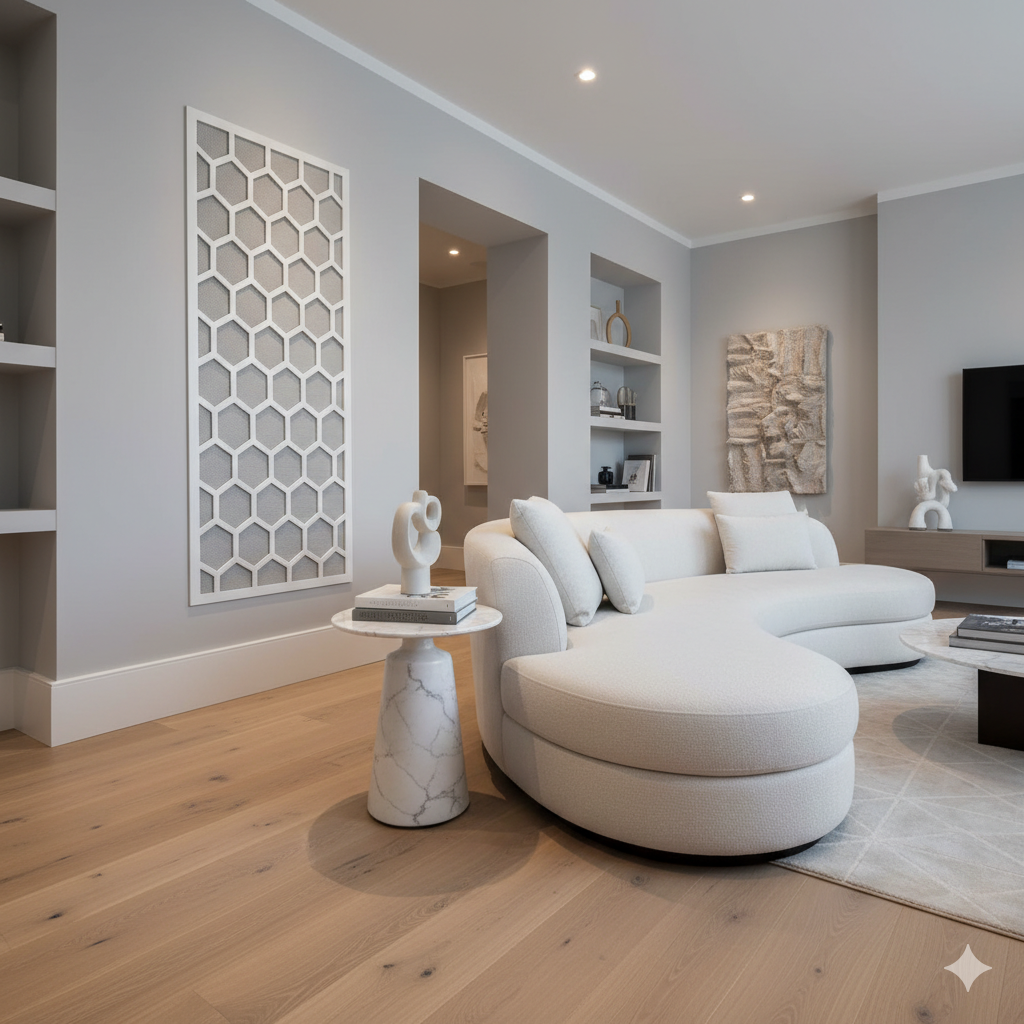
Geometric patterns instantly make functional details feel modern and intentional. Instead of hiding the vent completely, decorative cutouts transform it into a subtle design feature that enhances the surrounding wall. I’ve noticed that simple patterns like hexagons, arches, or linear grids work best because they add visual movement without making the room feel busy. The repeating shapes also create elegant shadow play throughout the day when natural light hits the surface. This helps the vent contribute to the atmosphere of the room rather than looking like a purely mechanical necessity placed awkwardly within the design.
Another reason this idea feels so effective is the balance between practicality and creativity. Laser-cut panels can look highly customized while still remaining lightweight and functional for everyday airflow needs. In my experience, white or soft neutral finishes create a refined sculptural look, especially in modern homes with minimal decor. Darker finishes, however, can make the cutout patterns appear more dramatic and architectural. Because geometric designs already feel artistic on their own, they often reduce the need for additional wall accessories nearby. That simplicity helps rooms feel cleaner, calmer, and more thoughtfully styled without requiring major decorating changes or expensive renovations.
Painted Flush Covers
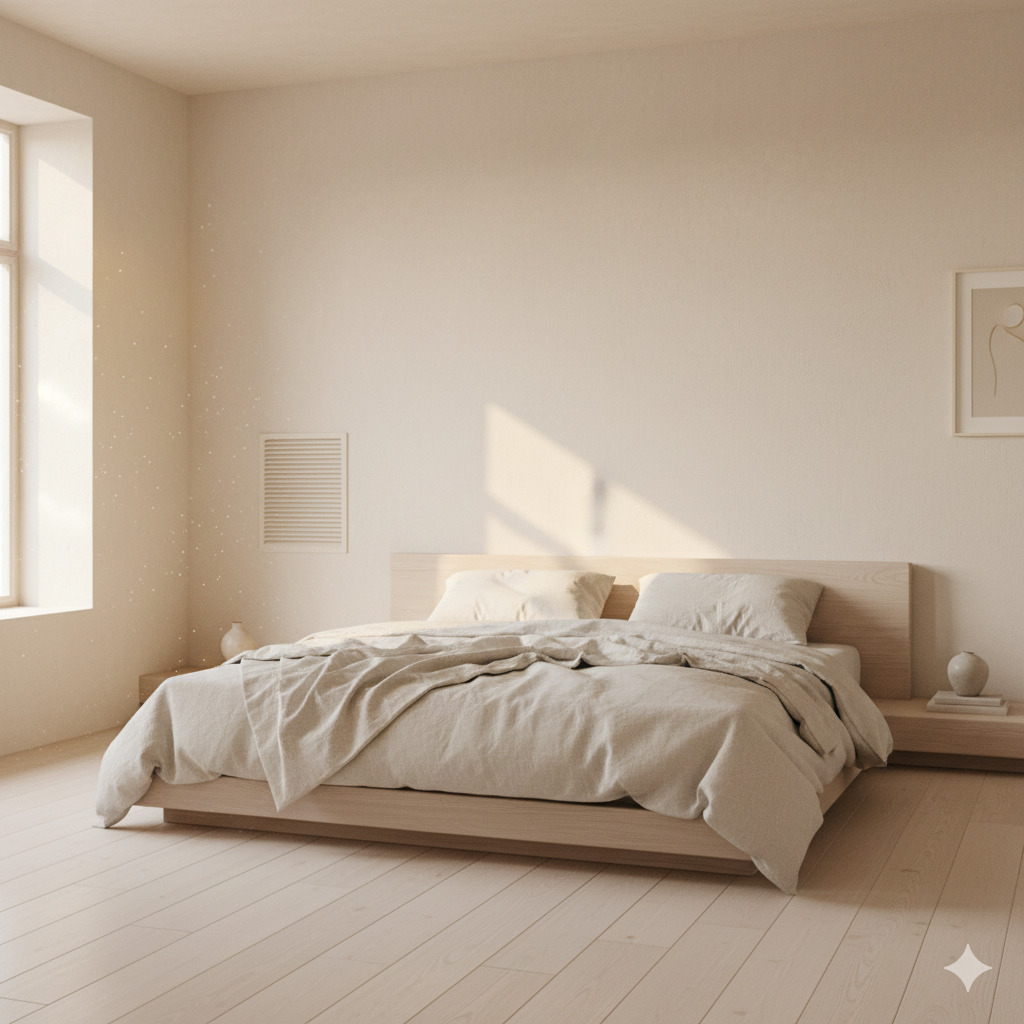
Sometimes the best design choice is making functional details blend quietly into the background. A flush-mounted vent cover painted the same color as the surrounding wall creates a seamless effect that feels calm, modern, and visually uncluttered. I’ve seen this work beautifully in minimalist bedrooms and contemporary living spaces where clean lines are the main focus. Matching the finish carefully helps the vent almost disappear, allowing furniture, artwork, and textures to stand out naturally instead. This subtle approach feels especially effective in smaller rooms because it reduces visual interruptions and helps the overall space appear more open and balanced.
Painted flush covers are also one of the easiest upgrades for homeowners wanting noticeable improvement without complicated construction. In my experience, matte or eggshell finishes blend most naturally because they soften reflections and help conceal edges more effectively. Properly sanding and priming the surface first can make even inexpensive covers look surprisingly custom once painted. This technique works particularly well with soft whites, warm taupes, and muted greige shades commonly used in modern interiors today. Since the vent no longer competes visually with surrounding decor, the room immediately feels cleaner, quieter, and more intentionally designed with very little effort required overall.
Decorative Metal Screens
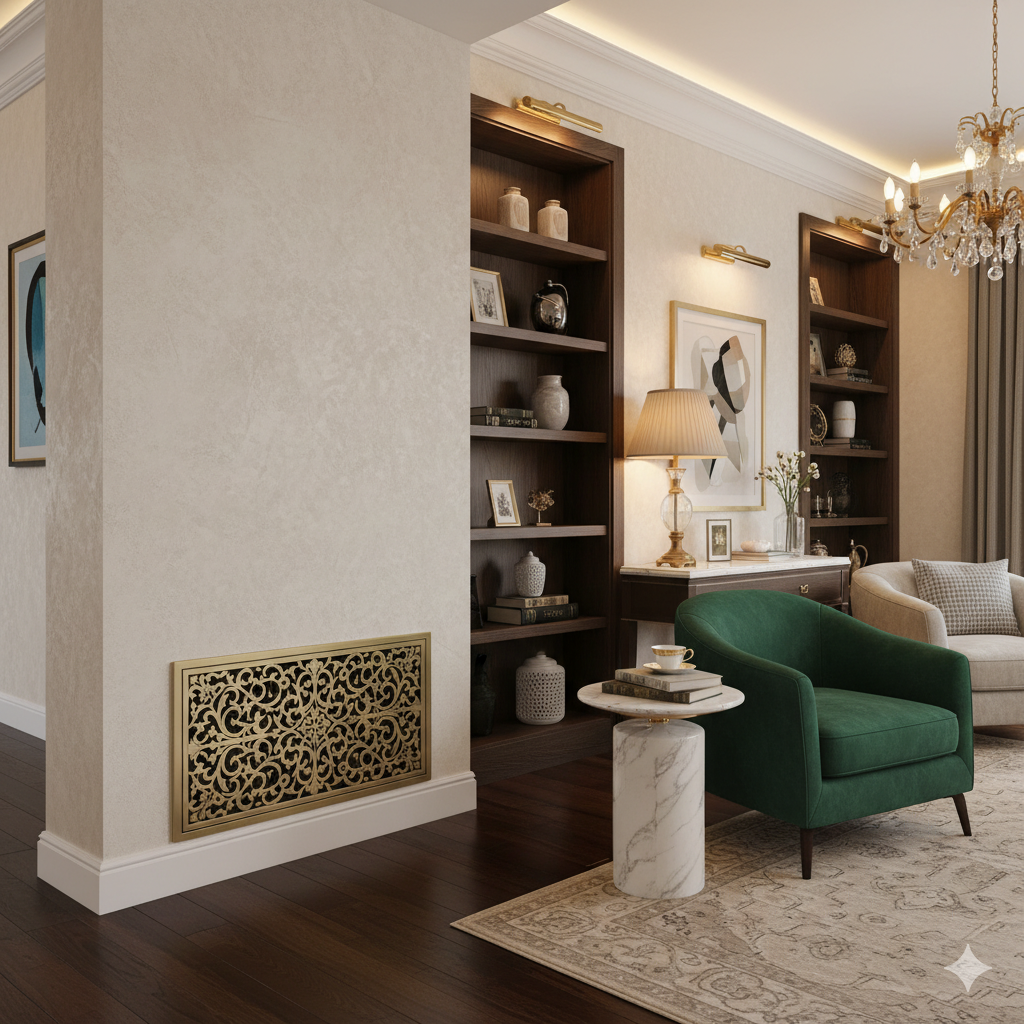
Decorative metal screens can completely elevate the look of ordinary wall vents by introducing texture, pattern, and subtle shine into the room. Instead of appearing purely functional, the vent starts to feel like an intentional architectural feature that complements nearby lighting and hardware finishes. I’ve noticed brushed brass and antique bronze work especially well because they add warmth without looking overly flashy. The perforated detailing also creates soft shadow patterns that add dimension throughout the day. In rooms with layered textures and elegant decor, these covers help functional details blend naturally into the overall atmosphere instead of disrupting the design visually.
One reason this idea remains popular is its ability to balance practicality with sophistication. Decorative metal screens feel durable and timeless while still offering enough airflow for everyday comfort. In my experience, simpler patterns tend to age better because they coordinate more easily with changing decor styles over time. Homeowners also appreciate that metallic finishes can visually connect door handles, light fixtures, and furniture accents across the room. That consistency creates a more cohesive and professionally styled appearance overall. Even older spaces instantly feel updated once bulky standard grilles are replaced with something that looks carefully chosen and intentionally integrated into the design.
Shiplap Vent Frames
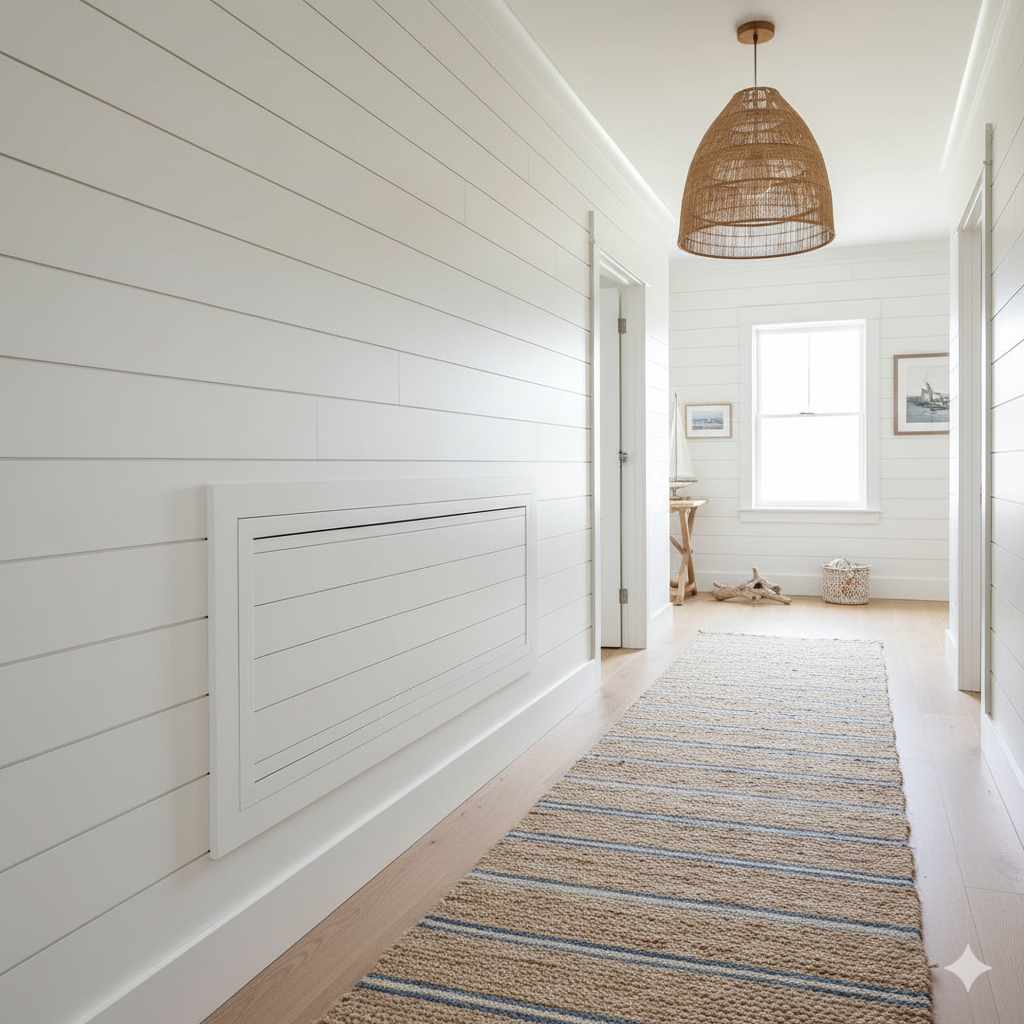
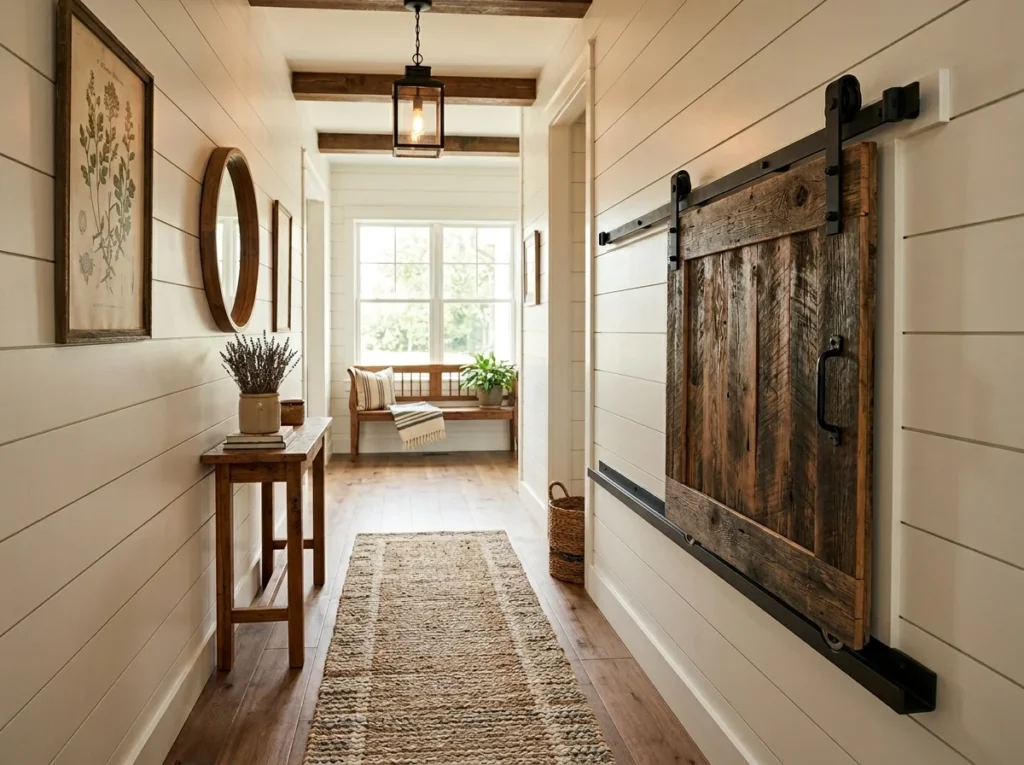
Shiplap details instantly make interiors feel warm, welcoming, and thoughtfully layered. Using the same plank style around a vent cover helps the feature blend directly into the surrounding wall instead of standing out awkwardly. I’ve seen this work especially well in entryways, mudrooms, and hallways where plain metal grilles often interrupt otherwise cohesive wall treatments. The horizontal lines also create a subtle visual stretching effect that can help narrow spaces appear wider and more open. Painted white or soft cream, the vent frame feels clean and relaxed while still adding enough texture to keep the walls visually interesting.
Another reason homeowners love this style is its approachable and timeless character. Shiplap has a casual charm that works across farmhouse, cottage, coastal, and even modern rustic interiors without feeling overly trendy. In my experience, slightly wider plank spacing creates a softer and more authentic look compared to overly tight seams. Because the design already feels integrated into the wall itself, the vent becomes far less noticeable while still remaining easy to access when needed. This simple update can dramatically improve the flow of a room by helping functional elements feel intentionally connected to the home’s overall design style and atmosphere.
Rattan Cabinet Style
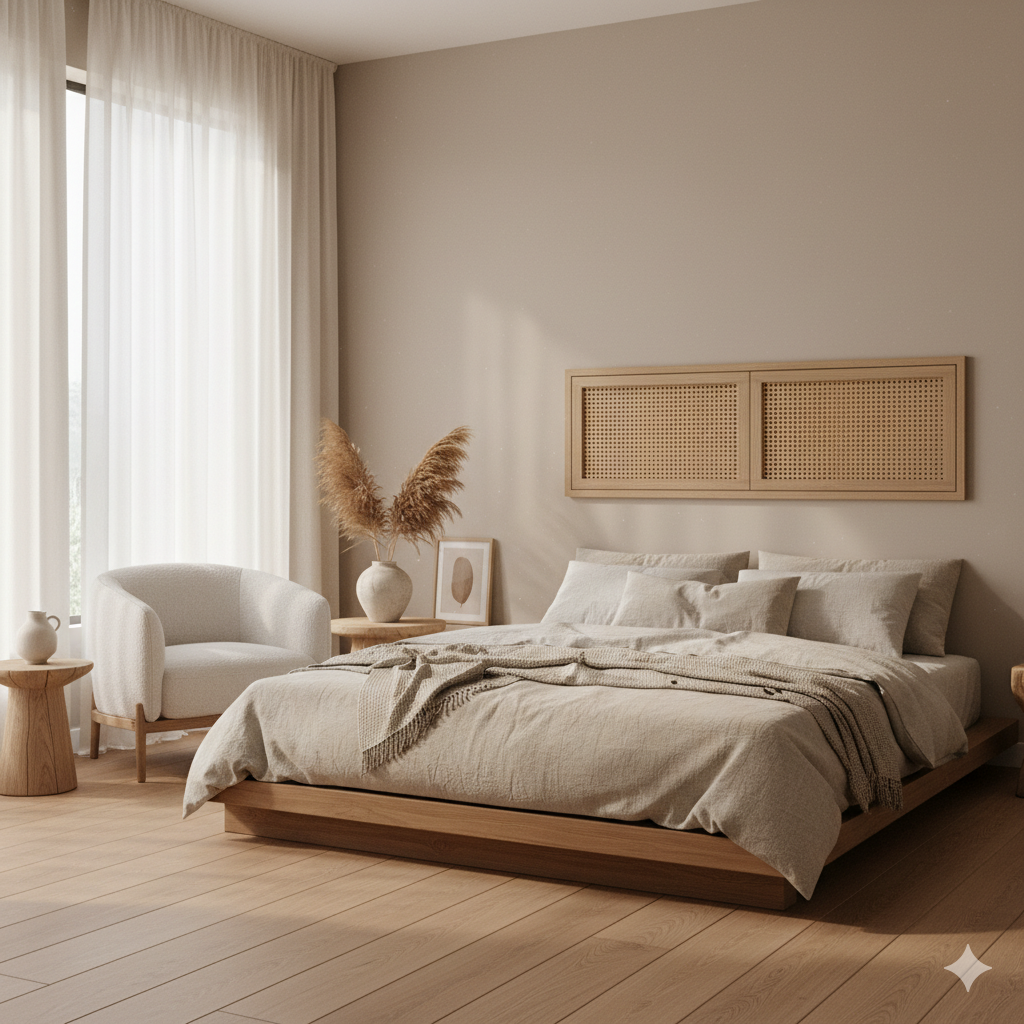
Rattan details bring an effortless warmth that instantly softens hard architectural surfaces inside a home. When used for vent covers, the woven texture transforms a mechanical feature into something that feels handcrafted and decorative instead. I’ve noticed this approach works beautifully in bedrooms and reading corners because the natural material adds a relaxed atmosphere without making the room feel cluttered. Framing the rattan like a cabinet panel gives the vent a furniture-inspired appearance that feels far more intentional than standard grilles. The breathable weave also allows steady airflow while contributing texture that complements modern organic styling trends perfectly today.
This style feels especially appealing because it balances comfort, texture, and simplicity all at once. Rattan naturally pairs well with linen fabrics, warm woods, and soft neutral palettes commonly used in calming interiors. In my experience, lighter honey-toned finishes create the most timeless appearance while helping smaller rooms feel brighter and more open overall. Many homeowners also appreciate how lightweight these covers remain compared to heavier decorative alternatives. Because the material already has rich texture and visual movement, even simple frames can look elevated and designer inspired. The final result feels relaxed, airy, and thoughtfully integrated into everyday living spaces throughout the home.
Hidden Bench Vent
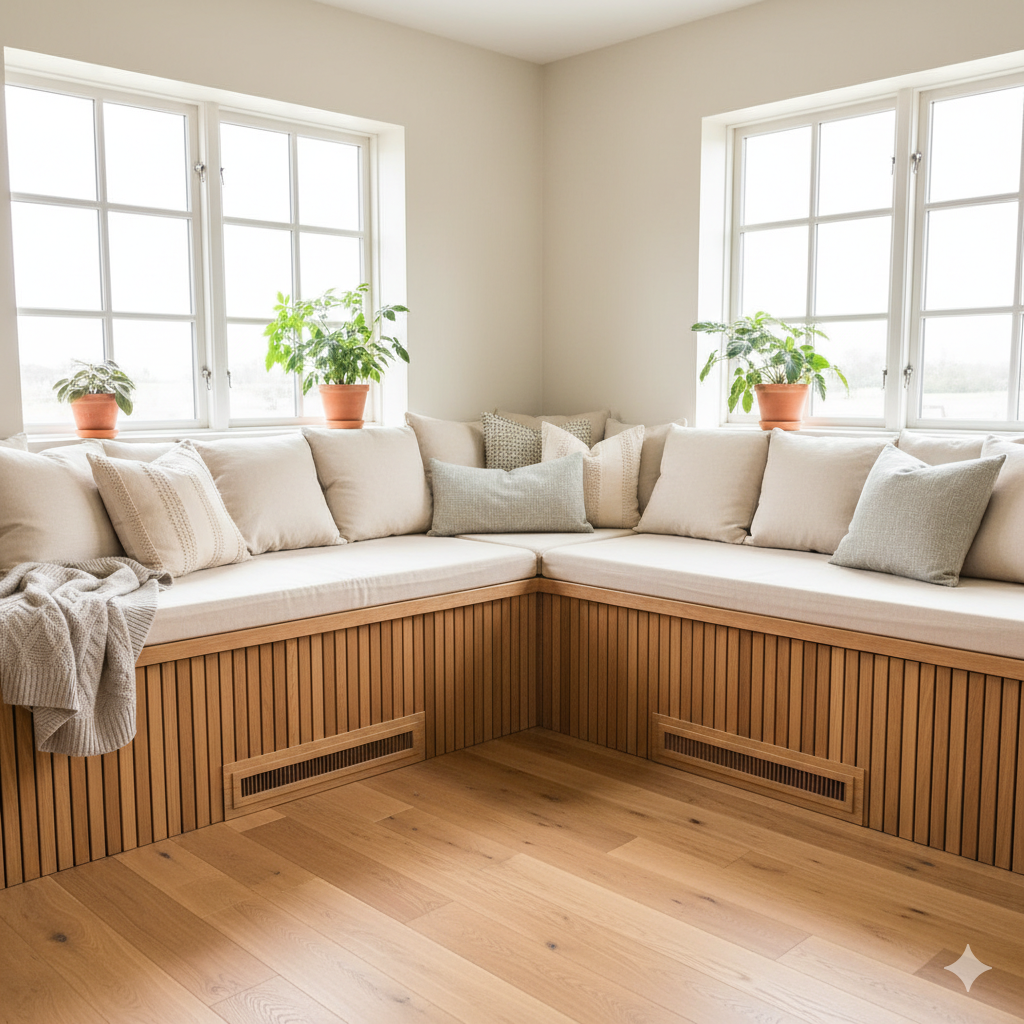
Large wall vents can sometimes dominate a room visually, especially in smaller spaces where every detail feels noticeable. Incorporating the vent into a built-in bench instantly solves that issue while adding practical function at the same time. I’ve seen this work beautifully beneath windows, along entryway walls, and inside breakfast nooks because the slatted bench front naturally allows airflow to circulate unnoticed. Instead of feeling like a mechanical interruption, the vent becomes part of a purposeful furniture feature that improves both comfort and aesthetics. The result feels polished, cozy, and highly customized without requiring overly complicated construction or expensive materials.
This approach also makes excellent use of otherwise underutilized wall space throughout the home. In my experience, adding hidden storage beneath the seating creates even more value while maintaining a clean and uncluttered appearance. Warm wood finishes and soft upholstered cushions help the structure blend naturally into surrounding decor styles ranging from Scandinavian to modern farmhouse interiors. Because the vent disappears visually into the bench design, the room instantly feels calmer and more cohesive overall. Many homeowners appreciate that this type of solution improves functionality while still preserving the open airflow needed for efficient heating and cooling throughout every season indoors.
Vintage Grate Covers
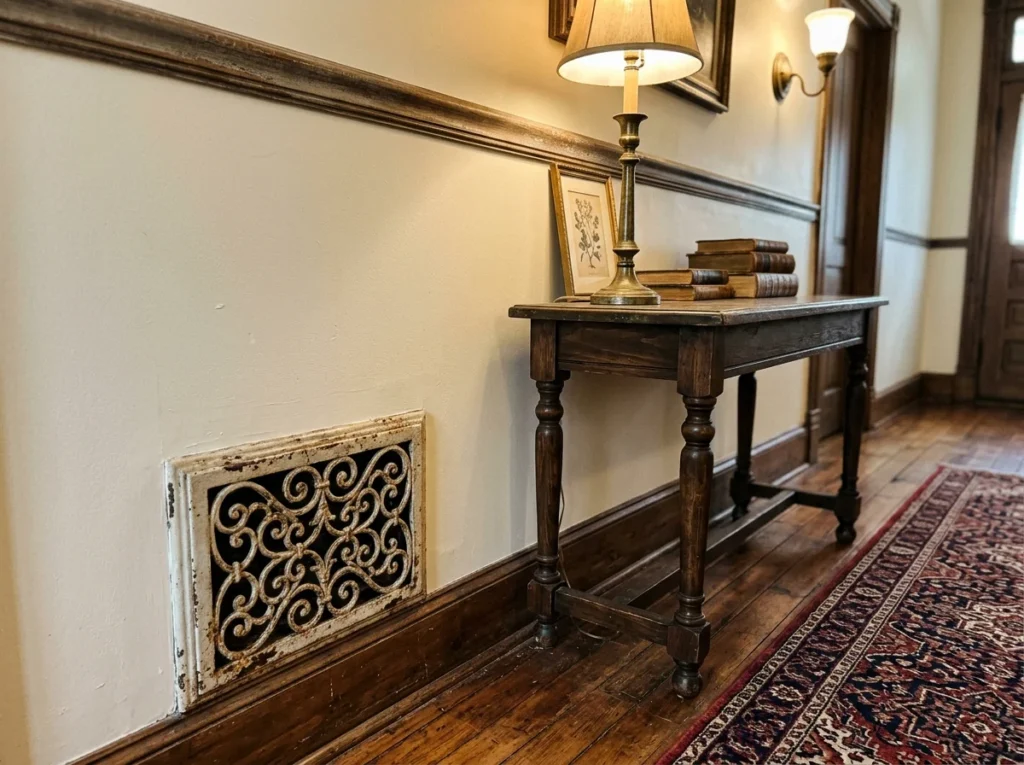
Vintage-style grates bring instant personality and charm into spaces that already feature traditional architectural details. Instead of replacing older vents with modern alternatives that feel disconnected, ornate cast iron covers preserve the character and warmth of the home beautifully. I’ve noticed antique-inspired patterns work especially well alongside original hardwood floors, crown molding, and classic furniture silhouettes because they reinforce the room’s historic atmosphere naturally. The heavier texture and aged finish also create visual depth that helps the vent feel decorative rather than purely functional. Even newer homes can benefit from this style when aiming for timeless and collected interior design.
Another reason these covers remain appealing is their ability to age gracefully over time. Small imperfections, weathered finishes, and darker patinas often add even more character instead of making the piece feel worn out. In my experience, matte black or antique bronze finishes tend to look especially authentic while coordinating easily with vintage-inspired lighting and hardware. Because the patterns already carry strong decorative detail, they can anchor a room visually without requiring additional embellishment nearby. Homeowners looking for warmth and classic elegance often find this approach far more inviting than sleek modern vent designs commonly used in contemporary interiors today throughout stylish homes.
Minimal Linear Panels
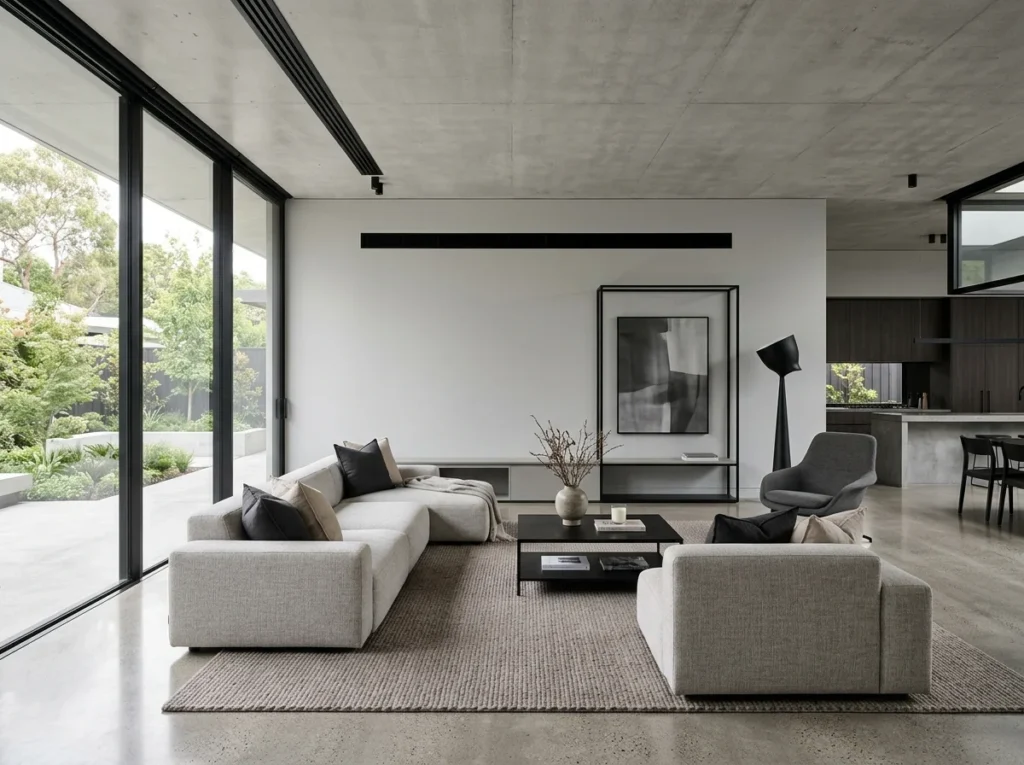
Linear vent panels are perfect for interiors that prioritize simplicity and clean architectural detail. Instead of bulky decorative covers, slim horizontal or vertical lines create a subtle feature that feels modern and refined without distracting from the room itself. I’ve noticed this style works especially well in open-concept homes where visual consistency matters across larger spaces. The elongated lines naturally guide the eye across the wall, helping the room feel calmer and more cohesive overall. Because the design remains understated, it complements surrounding furniture and finishes without competing for attention or making the space feel visually crowded.
This approach also reflects the growing preference for hidden functionality in modern interiors today. Minimal linear panels feel intentional while maintaining the airy, uncluttered atmosphere many homeowners want in contemporary spaces. In my experience, thinner slats with consistent spacing create the most elegant effect because they resemble high-end architectural detailing rather than standard utility grilles. Soft matte finishes further enhance the streamlined appearance while reducing glare and visible dust. Since these panels rely on proportion and precision instead of decorative ornamentation, they remain timeless and adaptable even as furniture trends and color palettes evolve throughout different design styles over the years.
Arched Wood Frames
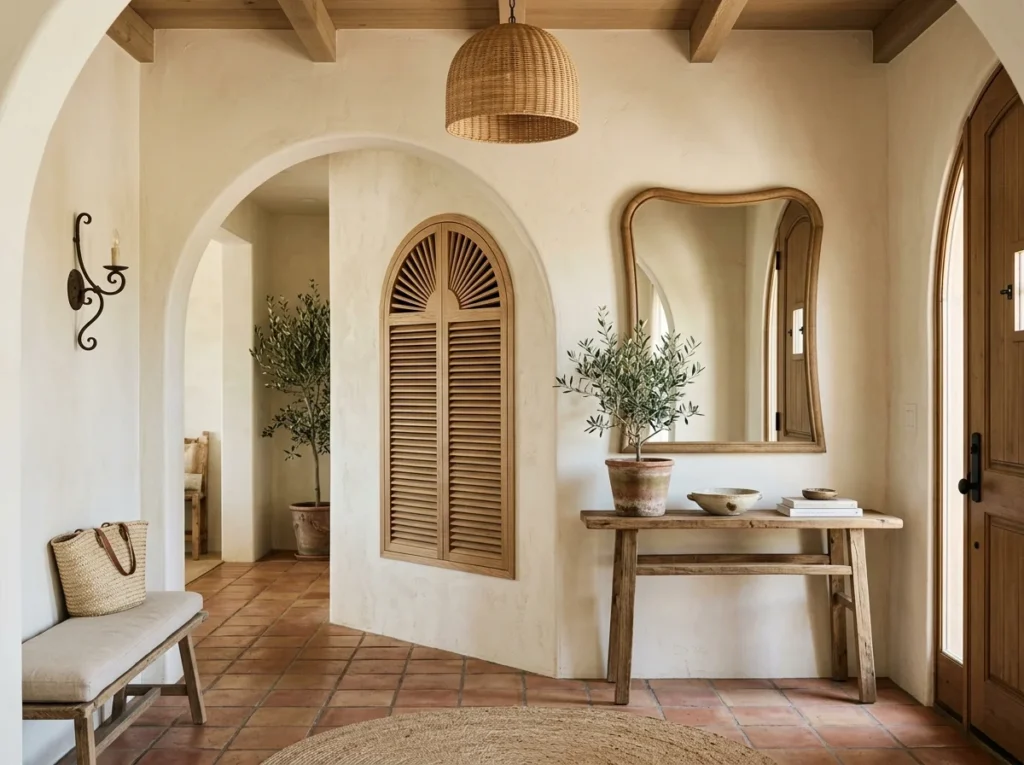
Arched details instantly bring softness and architectural character into a room, which makes them especially effective for covering harsh rectangular vents. Instead of feeling mechanical or rigid, the vent becomes part of the room’s decorative flow through gentle curves and warm natural textures. I’ve noticed this style works beautifully in homes inspired by Mediterranean, organic modern, and European interiors because the rounded shape feels timeless and calming. Wood framing also adds warmth that balances cooler wall colors and minimalist decor. Even simple materials can feel elevated once the curved silhouette introduces movement and visual interest into the surrounding design naturally.
Another reason this style feels so appealing is the way curved forms influence the atmosphere of a room. Sharp edges often make spaces feel structured and formal, while arches create a softer and more relaxed visual rhythm. In my experience, lighter oak and walnut finishes work especially well because they highlight the handcrafted quality of the frame without overwhelming nearby decor. This approach also helps large return vents feel intentionally integrated into the architecture instead of looking added later for function alone. The final effect feels artistic, welcoming, and highly customized while still maintaining practical airflow throughout the home comfortably every single day.
Lattice Pattern Screens
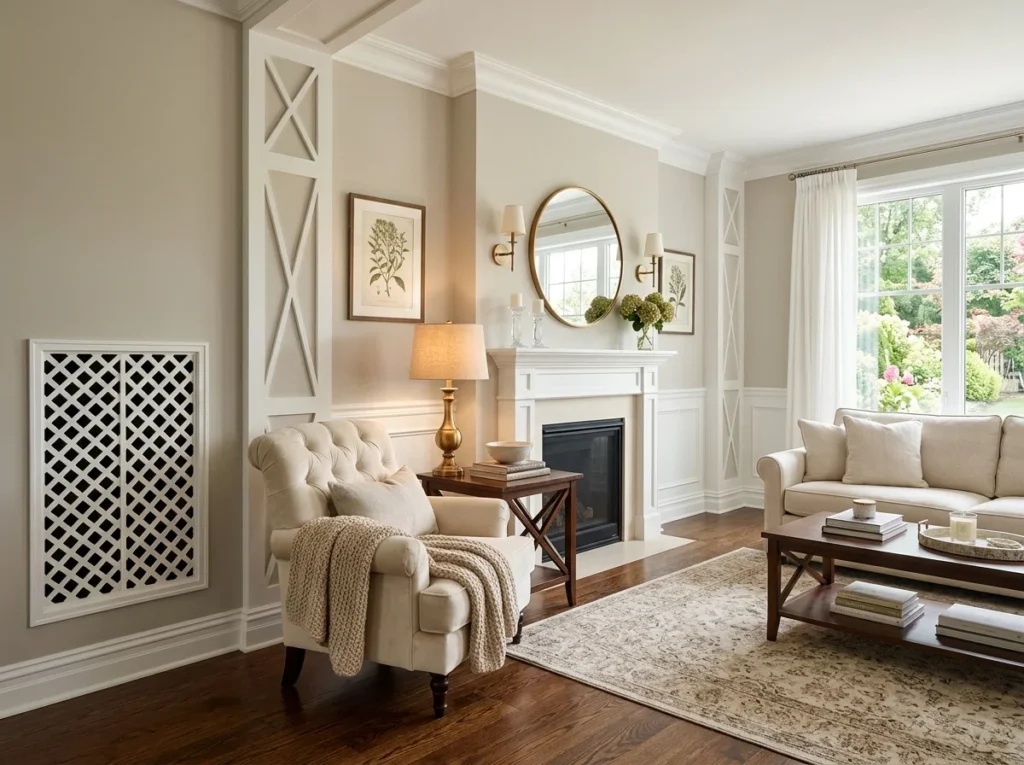
Lattice patterns introduce decorative movement that instantly makes walls feel more layered and thoughtfully designed. Instead of leaving return vents looking flat and industrial, the crisscross detailing creates texture that feels elegant yet approachable. I’ve seen this work especially well in living rooms and hallways where decorative trim and soft furnishings already contribute warmth and visual depth. The open pattern also keeps airflow unrestricted while making the vent appear lighter and more refined overall. White painted finishes remain especially popular because they blend naturally into many interiors while still allowing the decorative pattern to stand out subtly against surrounding walls.
This style remains versatile because it can shift easily between classic and contemporary aesthetics depending on the finish and frame design used. In my experience, thinner lattice strips create a cleaner and more modern appearance, while thicker patterns feel more traditional and decorative. The geometric repetition also helps tie together nearby textures like woven baskets, patterned rugs, and paneled walls without overwhelming the room visually. Many homeowners appreciate that lattice screens feel decorative enough to stand alone without needing additional wall accents nearby. That balance helps the space feel polished, airy, and intentionally styled while maintaining everyday practicality and efficient airflow throughout the home.
Floating Wood Panels
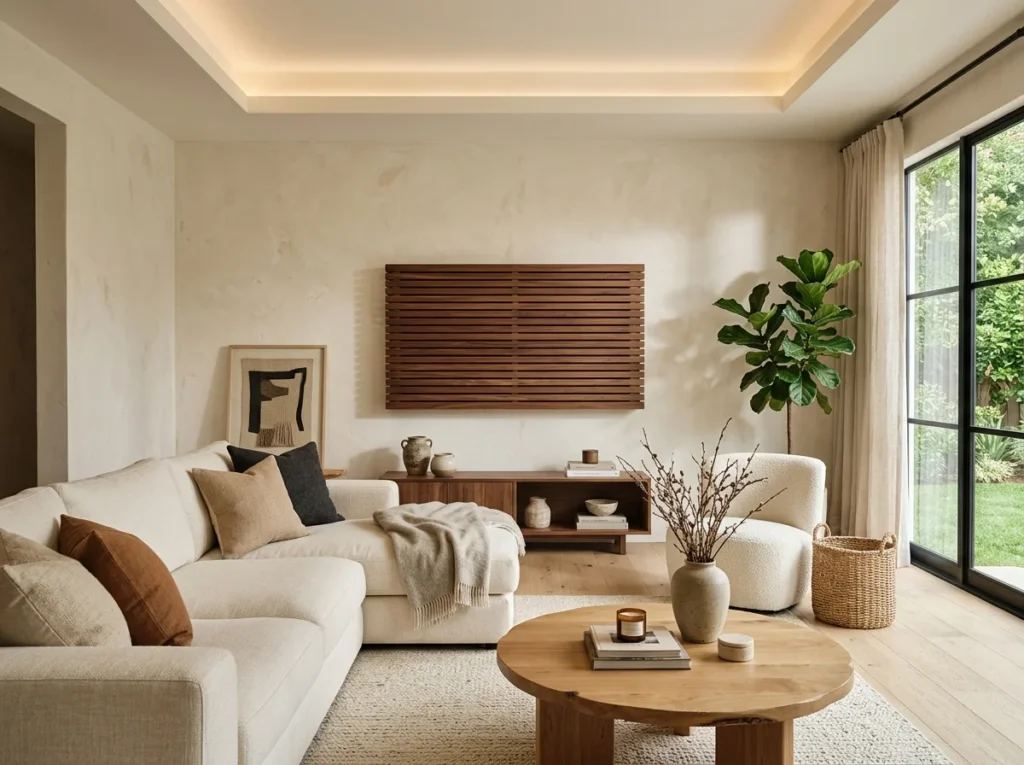
Floating vent panels create a subtle layered effect that instantly feels modern and architecturally refined. By mounting the wood cover slightly away from the wall, soft shadows form behind the panel and add visual depth throughout the day. I’ve noticed this approach works especially well in minimalist spaces because it introduces dimension without relying on busy decorative details. The floating appearance also helps large vents feel lighter and less visually intrusive overall. Warm wood finishes paired with simple linear designs can completely transform plain walls while still maintaining the calm and uncluttered atmosphere many homeowners want in contemporary interiors today.
This style feels elevated because it combines simplicity with thoughtful craftsmanship. Instead of focusing on ornamentation, the design relies on spacing, proportion, and texture to create visual interest naturally. In my experience, walnut and white oak finishes tend to look especially sophisticated when paired with soft neutral walls and indirect lighting. The shadows created behind the panel also give the installation a more custom built-in appearance without requiring complicated construction methods. Because floating covers feel both functional and sculptural, they help everyday utility features blend seamlessly into high-end interior styling while preserving the practical airflow needed throughout comfortable living spaces.