15 Vintage Terracotta Pots Ideas for Garden Styling
Beautiful gardens rarely come from expensive makeovers alone.
Sometimes, the most memorable spaces grow from texture, layering, and thoughtful details.
If you love the charm of vintage terracotta pots, this collection is filled with ideas that make outdoor spaces feel warmer, softer, and more personal. From cozy corners to statement courtyards, these designs show how aged clay containers can shape atmosphere while supporting practical planting. You will discover styling inspiration for patios, paths, walls, and seating areas without relying on complicated landscaping. In my experience, weathered materials often create the most inviting results because they feel collected and authentic. These ideas are designed to spark creativity, simplify styling decisions, and help your garden feel beautifully lived-in.
Weathered Entry Cluster
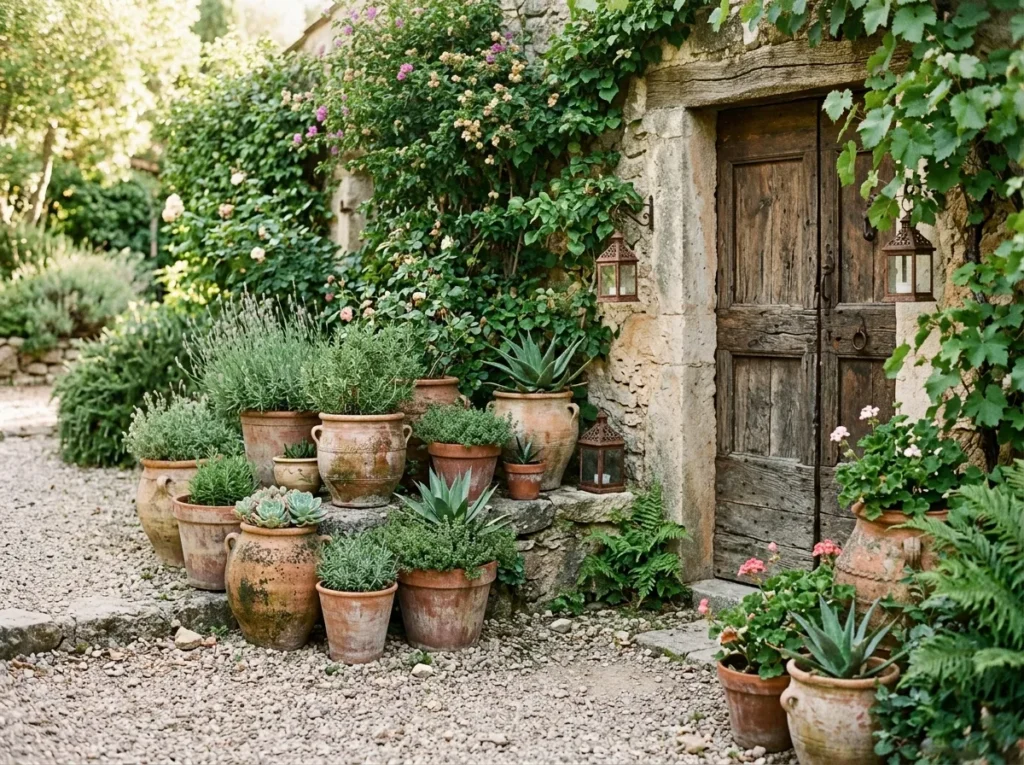
Sun-washed charm instantly changes the mood of a garden entrance. A grouped arrangement of aged clay containers near gates, pathways, or front steps creates depth without feeling crowded. Mixing tall and low shapes draws the eye naturally and gives surrounding greenery a curated frame. Soft mineral tones pair beautifully with stone, brick, and timber details, making the area feel settled rather than staged. In my experience, uneven spacing often looks more relaxed and believable than perfect symmetry. This setup also makes seasonal planting easier because individual pots can be refreshed or moved without redesigning the entire entry area.
Fresh personality can begin right at the doorstep. Entry clusters work especially well for herbs, trailing flowers, or sculptural foliage because they create layers visible from multiple angles. The worn finish of old terracotta adds texture that new containers sometimes lack, helping plants stand out instead of competing with glossy surfaces. A small stool, lantern, or gravel patch nearby strengthens the collected look without adding clutter. I’ve noticed this arrangement suits compact gardens and larger yards equally well because the grouping can expand or shrink while still feeling intentional and welcoming every day.
Mossy Corner Display
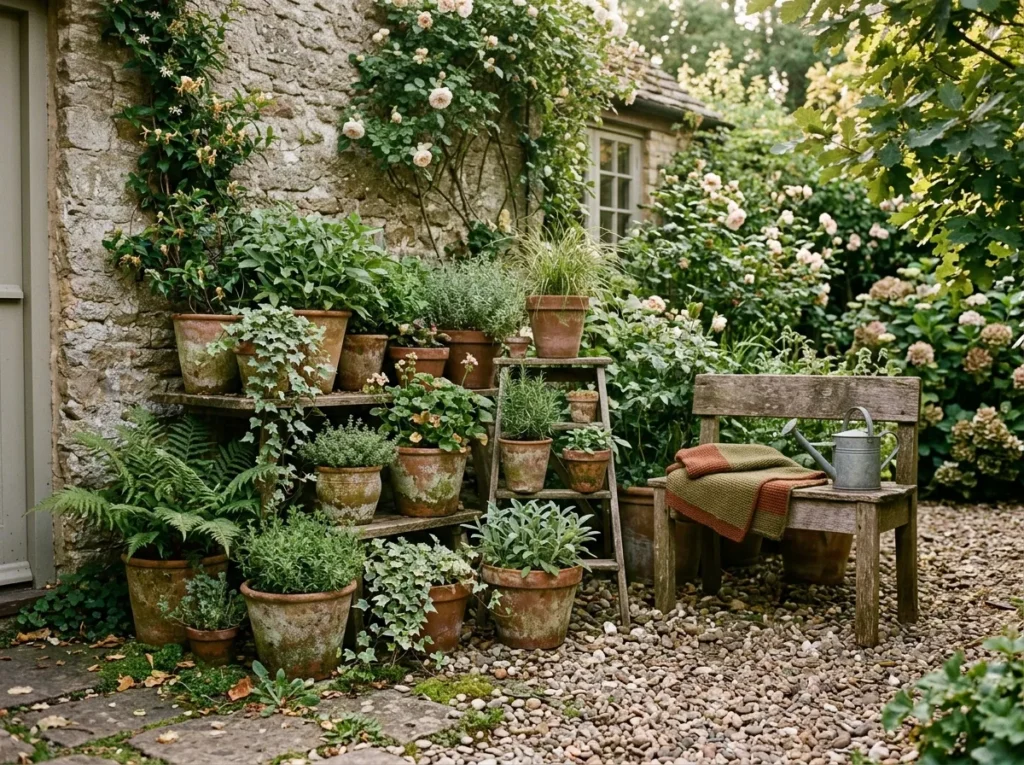
Quiet corners often become the most memorable garden moments. Turning an overlooked edge into a mossy pot display introduces softness and visual depth without major renovation. Patina, natural staining, and gentle wear create character that feels collected over time rather than newly installed. Layering containers against walls or fences gives plants a sheltered backdrop and highlights delicate leaf shapes. That’s why many designers recommend working with existing textures instead of hiding them. The result feels intimate, grounded, and highly photogenic, especially when shade-loving greenery and subtle height differences bring movement to the arrangement.
Unexpected texture can completely change how a corner feels. This display works beautifully for ferns, ivy, or compact flowering plants because the aged surfaces echo natural growth patterns. A nearby bench or stepping stone encourages the eye to pause and appreciate smaller details. I’ve tried similar combinations in narrow spaces, and the layered effect often makes the area appear larger than expected. Maintenance stays manageable since grouped containers simplify watering and plant rotation. The softened clay finish also photographs beautifully, making this setup especially appealing for gardens designed to feel calm and lived-in.
Raised Patio Layers
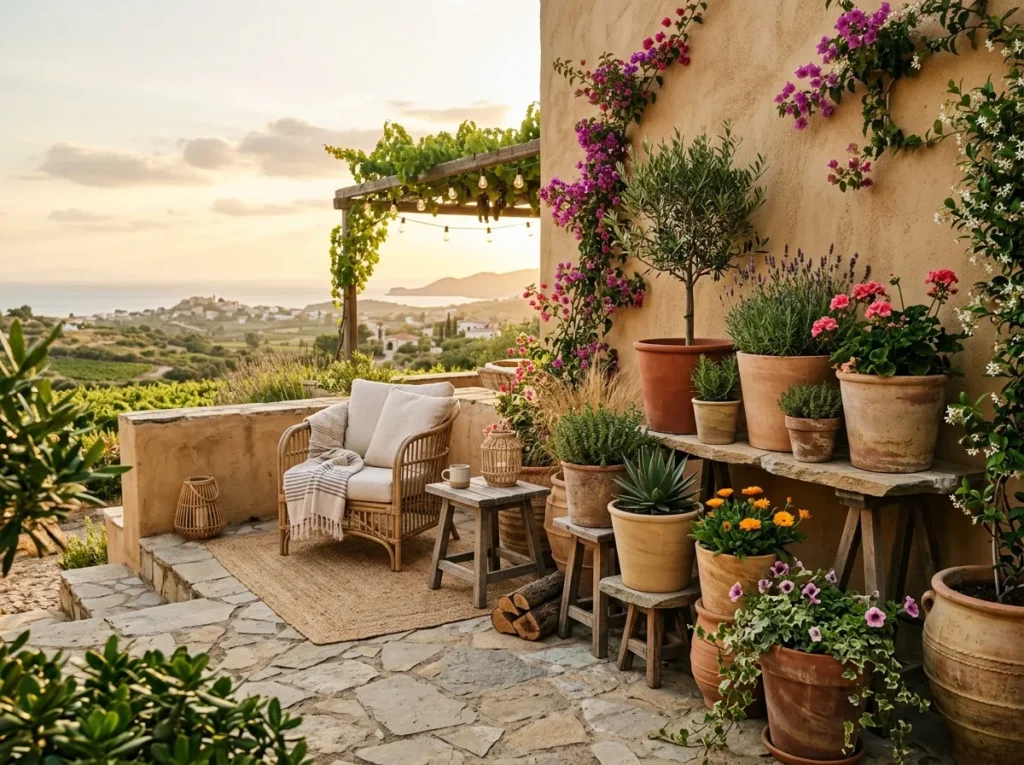
Bold layering instantly gives a patio more energy and dimension. Raising containers at different heights creates movement that flat arrangements often miss, helping flowers and foliage feel fuller and more intentional. Low stools, stone blocks, or plant stands can elevate selected pieces while keeping the composition balanced. Warm clay tones soften hard patio surfaces and connect beautifully with outdoor furniture or masonry walls. I’ve seen this work well in spaces that feel visually empty because height variation draws attention upward and creates a more immersive environment without requiring expensive structural changes or extensive landscaping.
Simple elevation tricks often create surprisingly dramatic results. Raised layers improve visibility, allowing smaller plants to avoid disappearing behind larger foliage and helping every container contribute to the design. This approach also supports practical garden care because individual pots remain easier to access for watering, trimming, or seasonal updates. Pairing rough clay surfaces with woven seating or natural textiles strengthens the relaxed outdoor atmosphere. The arrangement feels curated yet approachable, making patios more inviting for everyday use, quiet coffee breaks, or casual gatherings where greenery becomes part of the overall experience.
Rustic Herb Shelf
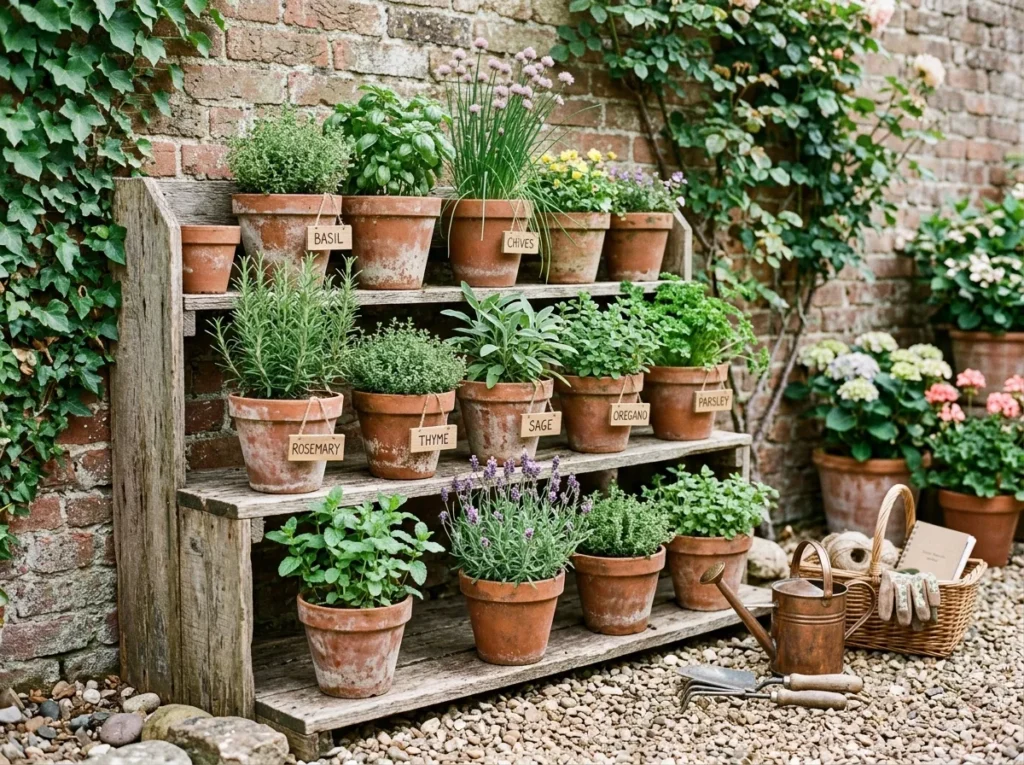
A narrow herb shelf can make even a modest garden feel thoughtfully designed. Arranging aged clay containers along reclaimed wood or metal shelving introduces vertical interest without occupying precious ground space. Fragrant herbs become part of the décor while remaining easy to reach for cooking or daily care. Soft clay tones balance leafy greens beautifully and add warmth against fences, brick walls, or painted backdrops. In my experience, mixing rounded and tapered shapes creates a more natural display than matching every piece. The finished arrangement feels practical, relaxed, and quietly charming through changing seasons.
Fresh greenery always feels more inviting when displayed with intention and texture. Shelf arrangements help organize smaller containers that might otherwise appear scattered across patios or pathways. Herbs such as rosemary, thyme, and mint thrive in breathable clay and contribute gentle fragrance to nearby seating areas. A simple shelf also encourages better airflow and tidier maintenance while keeping gardening supplies within easy reach. I’ve noticed visitors often respond to these displays because they feel approachable rather than overly styled. That balance of beauty and usefulness gives the space lasting appeal.
Sunlit Stair Pots
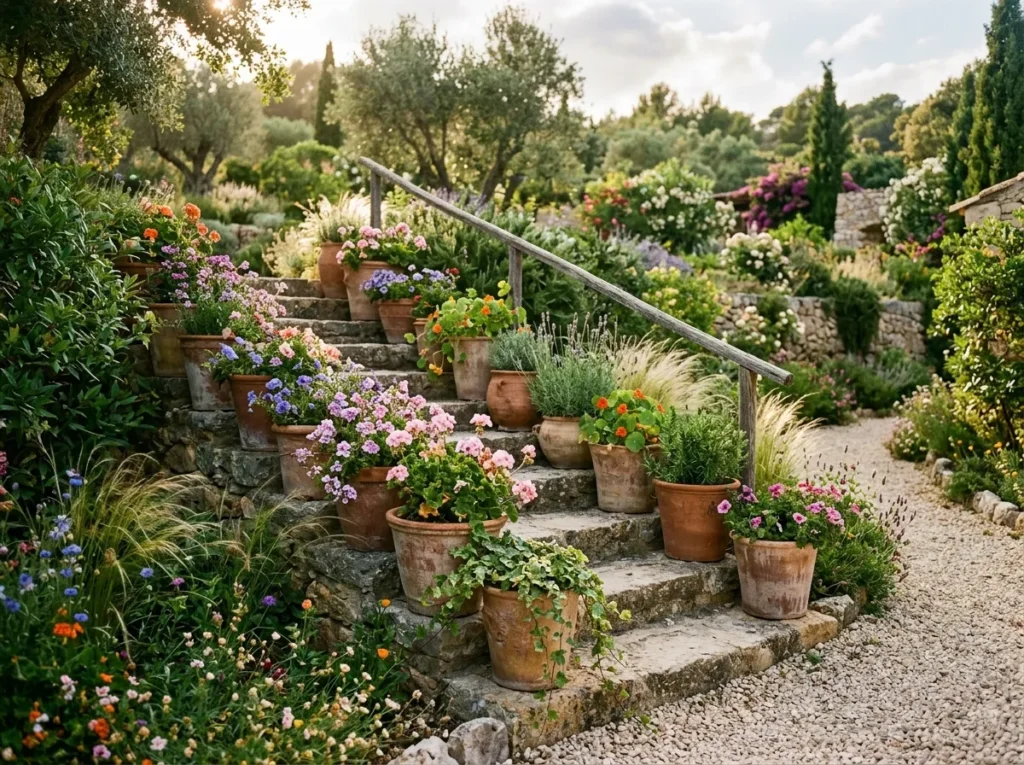
Stepped arrangements instantly bring rhythm and personality to outdoor spaces. Positioning aged terracotta containers along garden stairs or raised pathways creates a gentle visual guide that feels welcoming rather than formal. Different heights naturally frame flowers and trailing greenery, helping each planting stand out without overcrowding the view. Warm clay surfaces catch changing daylight beautifully and soften hard edges created by stone or concrete steps. I’ve tried this approach in compact spaces where planting room felt limited, and the layered effect consistently added richness while keeping pathways clear and functional for daily movement.
Movement becomes part of the design when containers follow the rise of stairs. This setup works especially well for cascading blooms, ornamental grasses, or compact shrubs because elevation highlights shape and texture from multiple viewpoints. Small gaps between pots keep the arrangement airy and prevent the display from feeling heavy. Nearby lanterns or gravel accents can strengthen the relaxed atmosphere without competing for attention. The result feels curated yet effortless, creating a transition between garden zones that encourages slower walking, better appreciation of plants, and more memorable outdoor moments daily.
Courtyard Clay Mix
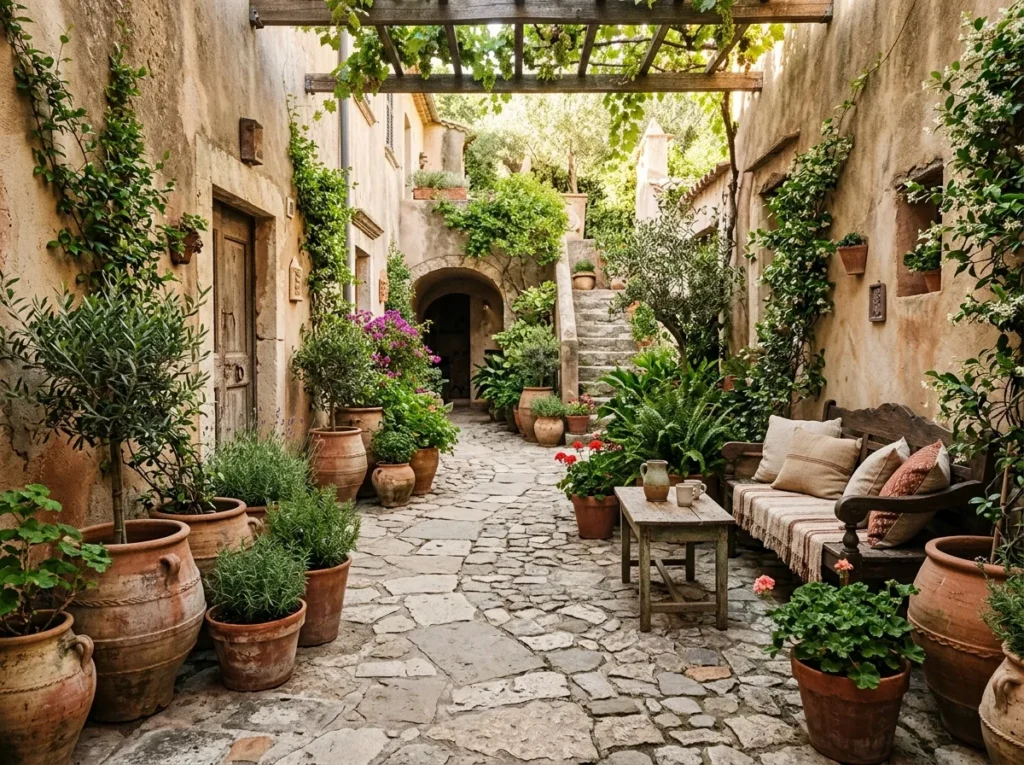
An enclosed courtyard often benefits from materials that feel timeless and grounded. Mixing aged clay containers with stone, timber, or weathered metal introduces layers that make the space feel established rather than newly assembled. Grouping varied sizes together creates natural balance and allows foliage to soften architectural lines. Gentle imperfections and worn finishes add authenticity that polished containers sometimes miss. In my experience, leaving a few breathing spaces between arrangements helps the courtyard feel calm instead of crowded. The atmosphere becomes warm, collected, and welcoming throughout the day for many homes.
Texture tells a powerful design story when materials work together naturally. Courtyard groupings support flexible planting choices, from fragrant herbs to sculptural greenery and seasonal flowers. A blend of rounded bowls and taller vessels encourages visual movement while preserving harmony across the space. Morning and evening light often reveal beautiful shadows across aged surfaces, adding depth without additional décor. I’ve seen this work well for entertaining areas because guests feel surrounded by greenery while seating remains open and comfortable. The design feels lived-in, balanced, and surprisingly adaptable through changing seasons.
Olive Tree Pairing
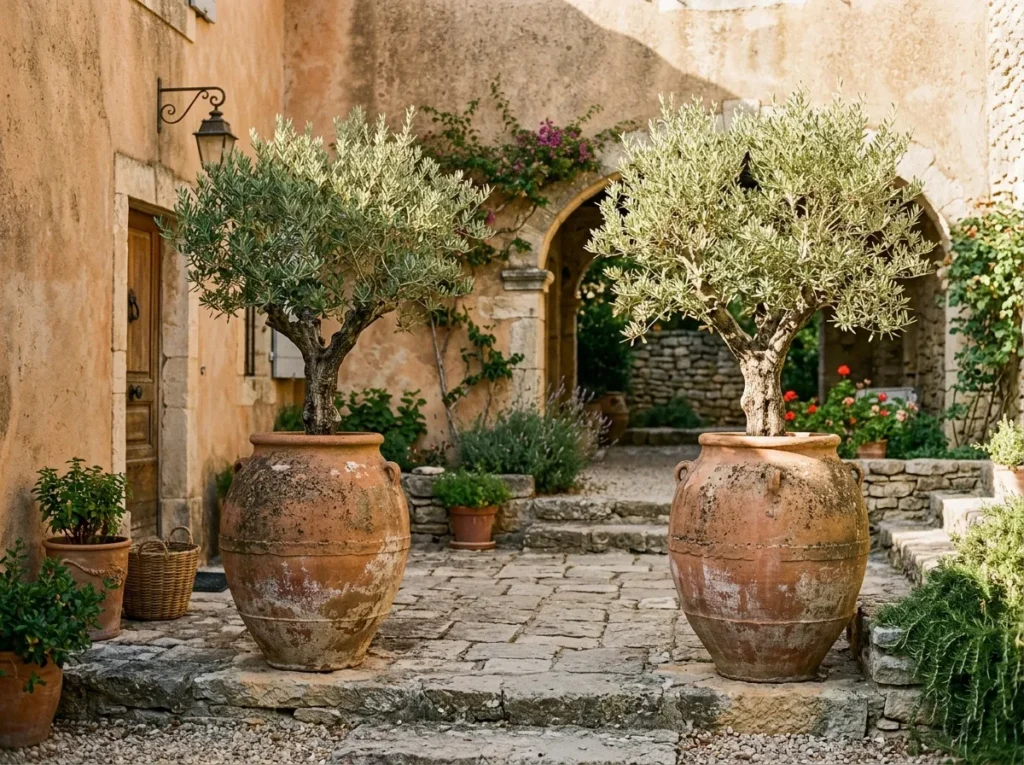
Certain pairings instantly feel timeless, and olive trees with aged clay containers are a perfect example. The silvery foliage softens warm earthy tones while adding height and gentle movement to patios or garden edges. Larger containers ground the arrangement and create an elegant focal point without demanding excessive decoration. That balance makes the design feel refined yet approachable. In my experience, placing paired trees beside seating or entrances creates stronger visual framing and helps outdoor spaces feel more intentional. The result carries relaxed Mediterranean character while remaining adaptable to different garden styles and layouts.
Structure becomes more inviting when softened with organic texture. Olive trees or similar sculptural plants benefit from breathable clay and develop a stronger visual presence when displayed in containers with natural wear. Matching or loosely coordinated shapes can create harmony while still allowing the arrangement to feel collected over time. I’ve noticed these pairings hold their appeal through changing seasons because the containers themselves remain decorative even when planting is minimal. This setup supports long-lasting style and brings calm, grounded energy that works beautifully in gardens designed for both relaxation and entertaining.
Vintage Window Row
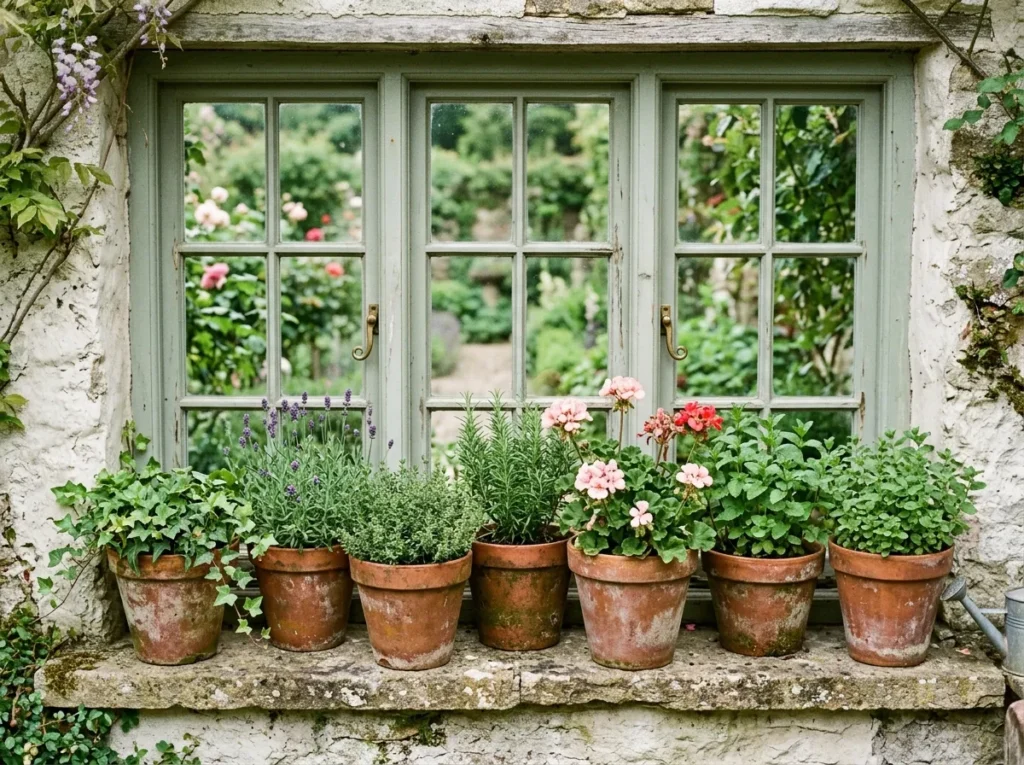
Even a simple wall can feel transformed with a thoughtful row of clay containers beneath a window. Arranging aged pots along ledges or narrow planting spaces introduces softness and draws attention to surrounding architectural details. Flowers, herbs, or trailing greenery create movement while earthy tones ground brighter colors beautifully. I’ve seen this work especially well on plain walls that need visual warmth without extensive landscaping. The gentle repetition feels orderly yet relaxed, creating a lived-in appearance that suits cottage gardens, rustic homes, and outdoor spaces designed for quiet charm.
Visual balance often comes from repetition mixed with slight variation. Keeping similar materials while changing plant heights or pot sizes prevents the display from appearing rigid or overly symmetrical. Morning light can highlight worn surfaces and subtle patina, giving the arrangement depth throughout the day. A nearby chair, lantern, or climbing vine can strengthen the cozy atmosphere without crowding the space. This setup remains practical as well because containers stay accessible for watering and seasonal planting updates. The result feels welcoming, decorative, and surprisingly effective for refreshing overlooked exterior walls.
Layered Garden Nook
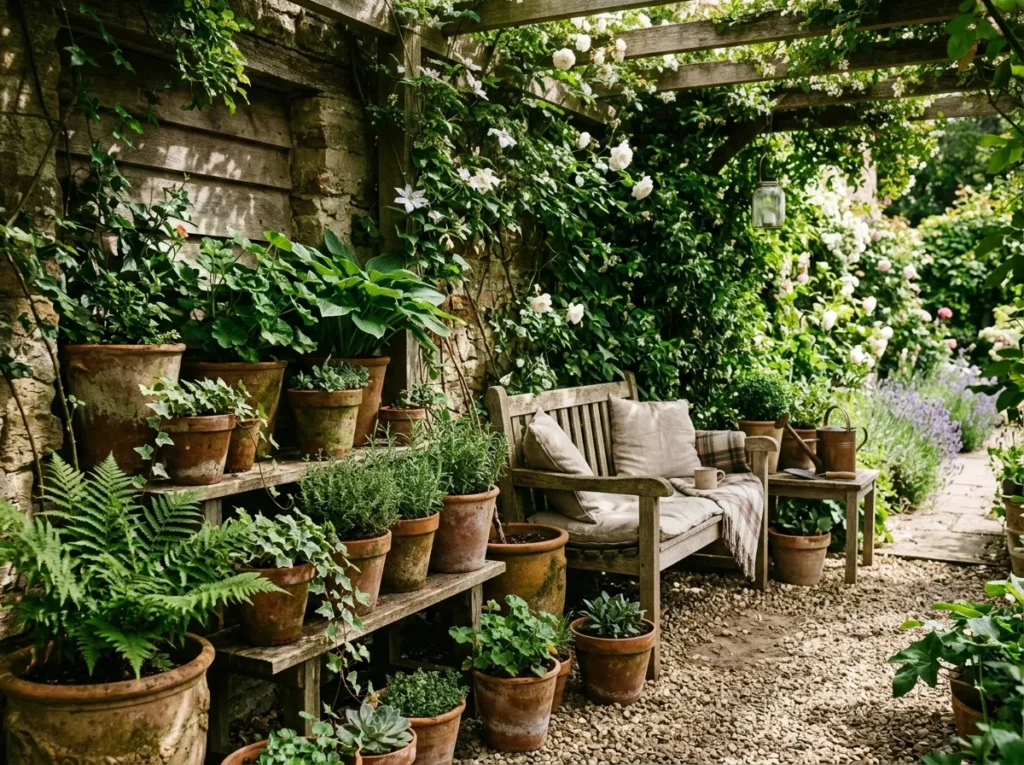
Hidden corners often hold the most styling potential. A layered nook filled with aged clay containers creates a cozy retreat where greenery feels immersive and intentionally arranged. Combining taller vessels behind smaller ones builds visual depth and gives plants space to stand out individually. Soft gravel, timber seating, or climbing vines can enhance the atmosphere while keeping the layout relaxed. I’ve noticed these spaces feel especially inviting when designed with uneven layering rather than strict alignment. The result becomes a quiet destination within the garden rather than simply another planted area.
Comfort and texture work together beautifully in secluded spaces. This arrangement supports mixed foliage, flowering plants, or compact shrubs while allowing easy seasonal updates as planting preferences change. Natural wear on clay surfaces strengthens the collected look and prevents the nook from feeling overly polished. A small bench nearby encourages everyday enjoyment and turns the area into more than decorative scenery. Vintage terracotta pots often shine in layered settings because their texture adds warmth that complements greenery naturally. The finished corner feels intimate, grounded, and wonderfully suited for peaceful outdoor moments.
Broken Pot Charm
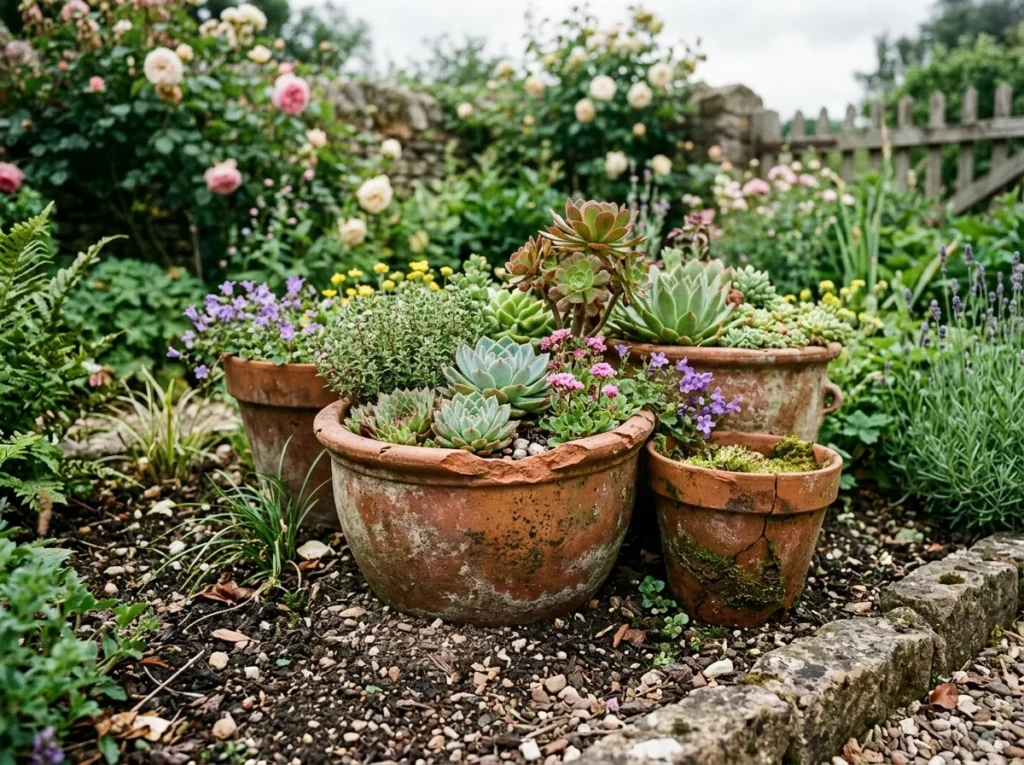
Perfectly polished décor is not always the most memorable. Containers with chipped rims or softened edges bring personality that feels authentic and comfortably lived-in. Instead of discarding worn pieces, arranging them within flower beds or layered planting zones creates texture and visual history. The imperfect finish contrasts beautifully with delicate greenery and soft blooms. In my experience, small flaws often become the detail people notice most because they feel genuine rather than manufactured. This styling approach supports sustainability while creating a garden atmosphere that feels welcoming, creative, and full of natural character.
Unexpected charm often comes from reimagining what already exists. Broken or weathered containers work particularly well with succulents, creeping plants, and low-growing flowers because their shapes encourage softer layering and relaxed composition. Nestling them among stones or gravel strengthens the collected appearance without requiring elaborate accessories. I’ve seen this approach transform ordinary planting areas into spaces that feel more artistic and personal. Maintenance stays simple while the visual impact remains strong. The overall look feels thoughtful rather than decorative for decoration’s sake, creating warmth and individuality throughout the garden.
Gravel Path Accents

Garden paths feel more inviting when softened with layered planting and earthy materials. Positioning clay containers beside gravel walkways creates gentle definition while preserving an open, relaxed feeling. The arrangement guides movement naturally and gives flowers or foliage stronger visual presence against pale stone or gravel textures. I’ve tried this near informal garden paths where borders felt unfinished, and the difference was immediate. Alternating heights and spacing keeps the display flowing rather than rigid. The result feels grounded, welcoming, and easy to adjust whenever seasonal planting or layout preferences evolve.
Subtle structure can completely improve how a garden is experienced. Pathside containers encourage slower movement and invite attention toward smaller planting details that might otherwise be overlooked. Ornamental grasses, lavender, or soft flowering varieties pair especially well with earthy clay because the tones complement rather than compete. A few carefully spaced accents usually create more impact than tightly packed arrangements. I’ve noticed gravel paths styled this way photograph beautifully from different angles, making the space feel expansive and thoughtfully layered. Everyday pathways become decorative features while remaining practical and easy to maintain.
Terrace Clay Layers
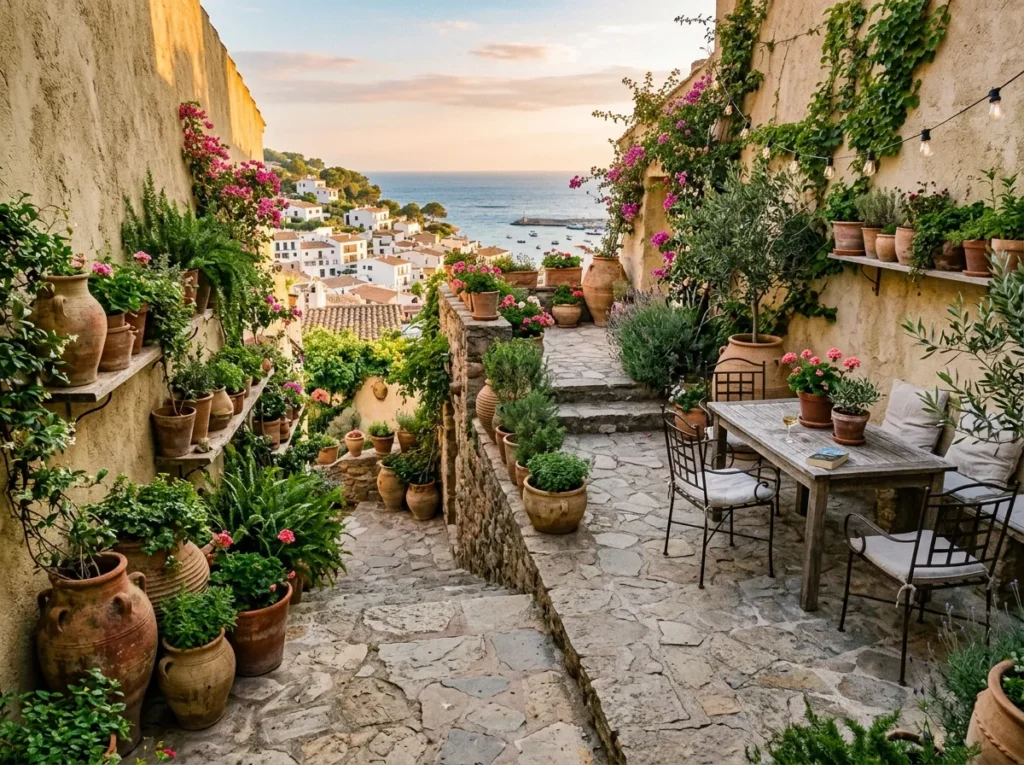
Terraces often benefit from styling that feels layered rather than flat. Arranging clay containers at varied elevations introduces movement and helps outdoor seating areas feel more integrated with surrounding greenery. Warm earthy finishes soften stone flooring and create visual warmth without overpowering the space. In my experience, terraces feel more inviting when greenery surrounds seating gently instead of lining edges too formally. Cascading foliage and mixed container sizes create an effortless look that appears collected over time. The atmosphere becomes relaxed, comfortable, and visually rich for both quiet mornings and social evenings outdoors.
A well-layered terrace supports both beauty and everyday usability. Larger containers can anchor corners while smaller pieces add softness near seating or pathways, preventing empty spaces from feeling disconnected. The natural texture of aged clay brings depth that pairs beautifully with cushions, timber furniture, or stone details. I’ve seen this work especially well in outdoor spaces that need personality without heavy renovation. Seasonal planting becomes simple because individual containers can shift with changing needs. The final result feels balanced and welcoming while maintaining a calm atmosphere that encourages lingering outdoors longer.
Wall Pocket Garden

Bare walls can become striking garden features with thoughtfully layered clay containers. Mounting or arranging pots vertically introduces texture and greenery while preserving valuable ground space. Trailing plants soften hard surfaces and create movement that feels relaxed rather than formal. I’ve noticed wall displays often work beautifully in narrow gardens where planting options feel limited. Mixing heights and allowing gentle irregularity helps the arrangement feel organic and collected over time. The aged finish of clay adds warmth against stone, plaster, or timber surfaces, creating visual depth that feels welcoming and naturally integrated.
Vertical arrangements offer both style and practical flexibility. Herbs, ivy, and compact flowering plants thrive in these displays while remaining easy to access for care and seasonal refreshes. Rustic brackets or narrow shelves can support the layout without distracting from surrounding greenery. In my experience, leaving open wall areas between clusters prevents visual heaviness and keeps the display feeling breathable. The result becomes more than decoration because it transforms overlooked surfaces into living focal points. This setup brings softness, dimension, and personality while helping smaller outdoor areas feel thoughtfully designed.
Cottage Flower Drift
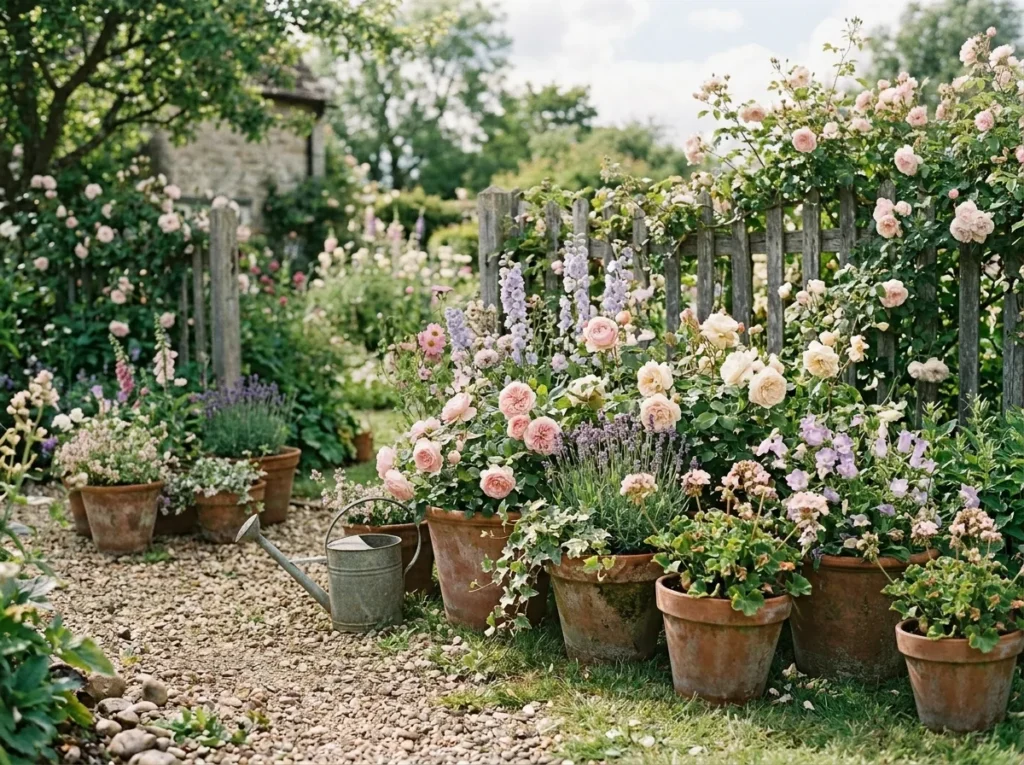
Soft floral abundance can make a garden feel instantly more welcoming. Scattered clay containers filled with cottage-style blooms create movement and relaxed beauty that feels collected rather than carefully controlled. Mixing flowering varieties introduces gentle color shifts while weathered surfaces ground brighter petals naturally. I’ve tried looser arrangements like this where gardens felt overly structured, and the atmosphere changed dramatically. Slightly uneven placement encourages flow and helps the space appear more organic. The overall effect feels airy, cheerful, and deeply connected to traditional countryside styling without appearing overly decorative or difficult to maintain.
Layered flowers and aged textures create a garden scene that feels timeless and personal. Cosmos, daisies, lavender, or soft trailing blooms pair beautifully with earthy clay and contribute changing color through the seasons. Leaving pathways and grassy areas partially visible prevents the arrangement from becoming visually dense. I’ve seen this work especially well near seating or fences where softness improves the surrounding atmosphere. Maintenance remains approachable because containers can shift or refresh individually. The finished display feels light hearted and comforting while offering strong visual impact from both close and distant views.
Courtyard Centerpiece
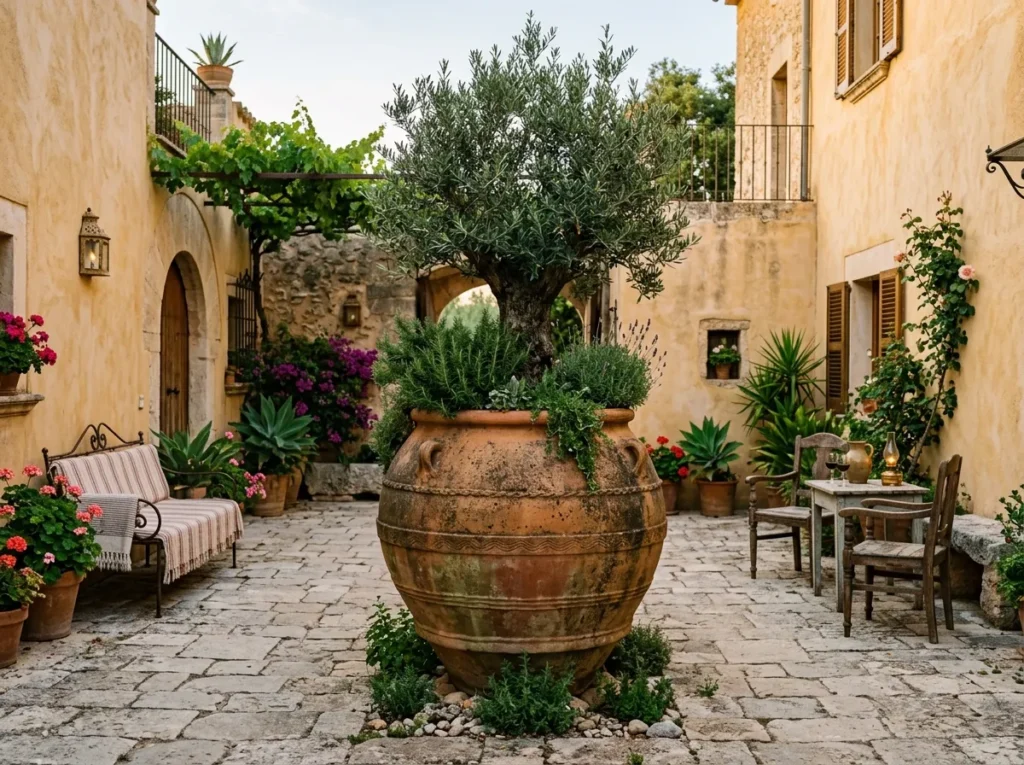
A single statement arrangement can transform an outdoor setting surprisingly quickly. Placing one oversized clay container at the center of a courtyard introduces structure while allowing surrounding textures and greenery to breathe. Sculptural plants or layered foliage gain stronger presence when anchored within a substantial vessel. I’ve noticed centerpiece styling works especially well in spaces that feel visually scattered because it creates an immediate sense of balance. The weathered finish adds warmth and prevents the arrangement from feeling formal or overly polished. The courtyard begins to feel anchored, intentional, and effortlessly welcoming.
Strong focal points often simplify garden styling decisions. Surrounding seating, pathways, or smaller plant groupings naturally orient around a central container, creating better flow and visual clarity. Vintage terracotta pots work beautifully here because their texture and scale bring quiet authority without overpowering nearby details. A few restrained accessories usually feel more effective than heavily decorated surroundings. I’ve seen centerpiece arrangements encourage longer outdoor use simply because the space feels calmer and more cohesive. The finished courtyard feels grounded, elegant, and beautifully suited for everyday enjoyment or relaxed gatherings.
Conclusion
Garden styling does not need to feel complicated to look unforgettable. Small changes, layered textures, and thoughtful placement can completely shift the mood of an outdoor space. These ideas show how vintage terracotta pots can bring warmth, character, and timeless appeal to gardens of every size and style. Whether you prefer relaxed cottage charm or Mediterranean-inspired simplicity, there is plenty of inspiration to adapt and make your own. Save your favorite ideas on Pinterest, experiment with new arrangements, and share this collection with fellow garden lovers. I’ve seen how small changes like these can completely transform a space and create outdoor areas people genuinely enjoy spending time in.