
20+ Vintage Valentine Decorations for Timeless Charm
Valentine’s Day has long been a celebration of love and affection, dating back centuries to its origins as a Christian feast day honoring Saint Valentine. Today, this romantic holiday has evolved into a cultural and commercial celebration observed across the globe. While modern Valentine’s decorations often feature bright neons, mass-produced plastic items, and heavily saturated colors, there exists a more elegant and timeless alternative that speaks to the heart of true romance and nostalgia. Vintage Valentine decorations offer a distinctive approach to holiday styling, bringing authentic charm, character, and a sense of history to your home.
The beauty of vintage Valentine decor lies in its ability to create an atmosphere of genuine romance without feeling overwrought or artificial. Rather than relying on commercially produced decorations, vintage styling celebrates pieces that carry stories, patina, and authentic character from decades past. Whether you are planning an intimate dinner for two, hosting a gathering of friends, or simply wanting to add a touch of romance to your living space, vintage Valentine decorations provide an opportunity to infuse your home with timeless elegance and nostalgic warmth that resonates with those who appreciate the finer details of design history.
1. Understanding the Essence of Vintage Valentine Decorating

Vintage Valentine decorations draw inspiration from the styles and designs that dominated past eras, particularly the early to mid-twentieth century. This decorating approach emphasizes romance, nostalgia, and charm through carefully curated pieces that tell a story. Unlike contemporary Valentine’s styling, which often prioritizes bold colors and trendy designs, vintage decorating celebrates the understated elegance of yesteryear.
The foundation of successful vintage Valentine decorating begins with understanding the aesthetic principles that define this style. Muted color palettes take precedence over bright, saturated hues. Instead of bubblegum pinks and cherry reds, vintage enthusiasts gravitate toward burgundy, blush pinks, peach, and salmon tones. These rich, sophisticated colors create an atmosphere of refinement and elegance. Additionally, vintage decorating often incorporates creams, beiges, and whites as complementary neutral tones that ground the design and prevent spaces from feeling cluttered or overwhelming.
The materials used in vintage Valentine decorating are equally important. Authentic pieces often feature glass, porcelain, metal, lace, and wood. Mercury glass, depression glass, milk glass, and vintage transferware become essential components of the aesthetic. These materials naturally develop patina and wear over time, adding depth and character that cannot be replicated by new items. The philosophy of vintage decorating embraces imperfection as beauty, celebrating worn edges, slight discoloration, and signs of age as evidence of authenticity and history.
2. Vintage Valentine Cards and Paper Ephemera

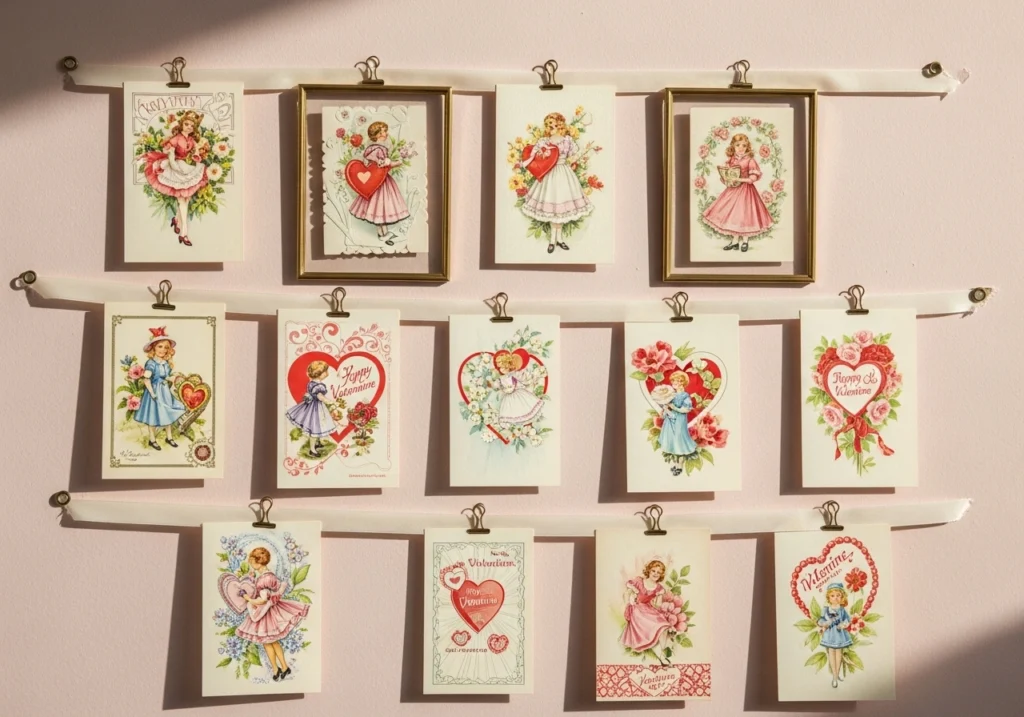
Among the most beloved and accessible vintage Valentine decorations are authentic vintage Valentine cards and paper ephemera. These charming pieces, often produced in the 1930s through 1950s, feature exquisite illustrations, delicate printing, and romantic imagery that captures the essence of courtship and affection from a bygone era. Unlike modern greeting cards, vintage Valentines typically showcase superior craftsmanship, with embossed details, die-cut designs, and hand-painted elements.
Vintage Valentine cards can be displayed in numerous creative ways throughout your home. Press them collage-style behind glass frames for wall art, arrange them on shelves using vintage flower frogs as supports, or pin them to ribbons draped across mantels. Create a wreath by grouping cards together and mounting them on a circular base. For those with dining rooms, displaying vintage Valentines on a tiered stand or cake pedestal creates an elegant focal point. Many decorators also display vintage cards by hanging them from twine or ribbon using small clips or clothespins, allowing them to take center stage as functional art.
The beauty of this decorating approach lies in its versatility and accessibility. Vintage Valentine cards are readily available through online marketplaces such as Etsy and eBay, making it possible to build a collection without extensive hunting. Prices typically range from just a few dollars per card, making this an affordable decorating option. For those fortunate enough to have inherited vintage cards or collected them over years, displaying them honors both the craftsmanship of the original makers and the sentiment they were designed to convey.
3. Vintage Dishes and Transferware Collections
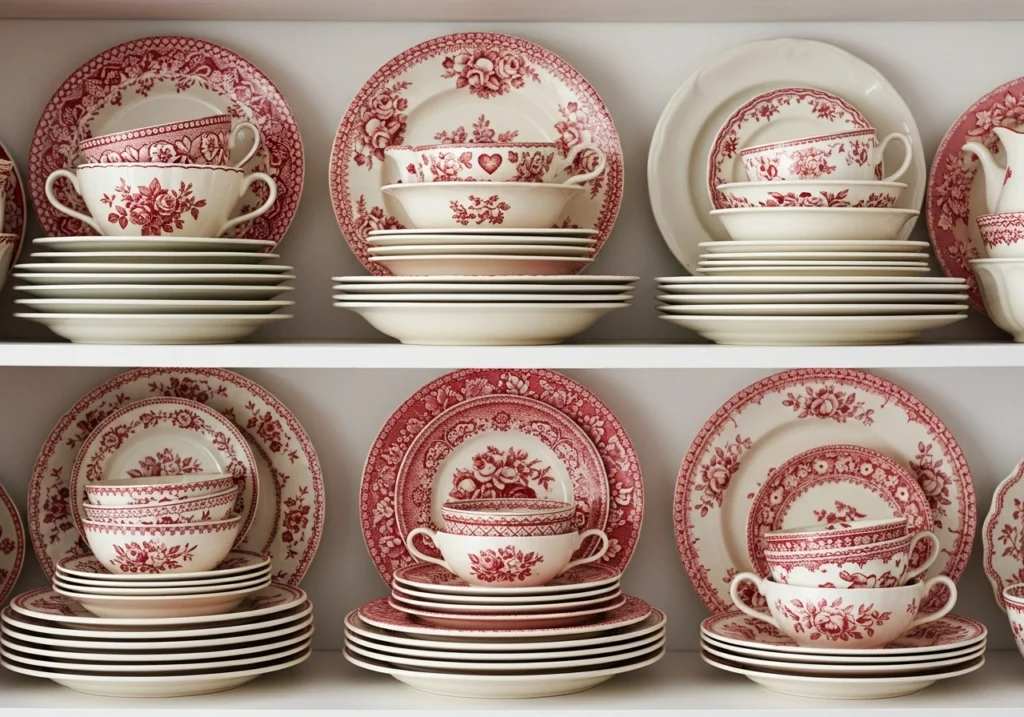
Incorporating vintage dishes, plates, and dinnerware into Valentine’s Day decorations provides both aesthetic appeal and functional beauty. Red transferware, in particular, has become increasingly popular among vintage collectors, offering the perfect marriage of form and function. These hand-painted or transfer-printed dishes feature romantic motifs, including roses, cupids, and hearts, making them naturally suited to Valentine’s styling.
Building a transferware collection does not require purchasing complete sets. Individual pieces discovered at antique malls and thrift shops often cost just a few dollars and offer wonderful opportunities to create curated displays. Stack vintage plates of varying sizes on open shelving, arrange them in a vintage hutch, or use them as the foundation for table settings. The texture and character of these pieces, whether featuring red, pink, or white background colors, instantly elevate your Valentine’s decorating scheme.
Vintage ironstone, another popular collectible, provides neutral backdrop options that coordinate beautifully with Valentine’s colors. These durable ceramic pieces, produced primarily in the nineteenth century, feature clean lines and often incorporate subtle embossing or patterns. Display them alongside more colorful pieces to create visual balance and prevent your space from becoming overly themed.
4. Heart-Shaped Baking Pans and Kitchen Treasures
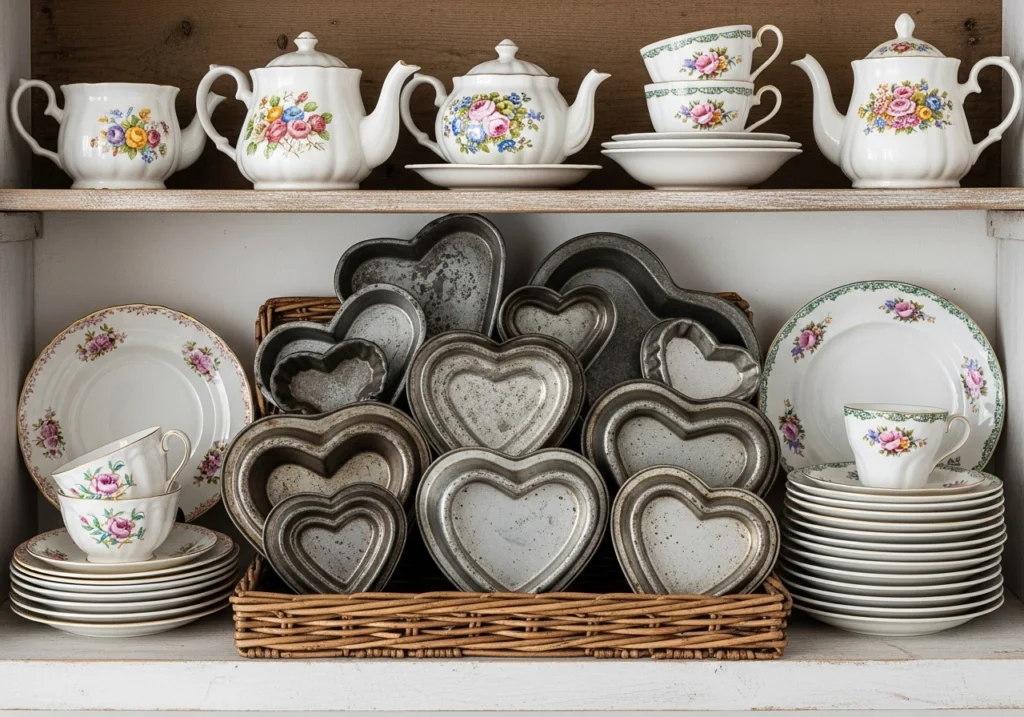
Heart-shaped cake pans represent an underutilized yet charming vintage decorating resource. These functional pieces, particularly those from earlier decades, carry authentic character and serve as immediate visual symbols of Valentine’s Day romance. Vintage heart pans tend to be pricier than newer reproductions, so it is important to verify authenticity before making significant investments.
Display heart-shaped pans by clustering them together in a decorative basket or wooden crate positioned on open shelving, a kitchen counter, or within a pantry. The weathered surfaces of older pans create visual interest and texture. Similarly, vintage teapots, tea cup sets, and dessert plates adorned with romantic motifs add functionality alongside decoration. Arrange these pieces on tiered cake stands or vintage-style serving trays to create focal points on dining tables or kitchen countertops.
This approach to decorating integrates your Valentine’s theme seamlessly into everyday spaces without requiring seasonal storage. Once the holiday concludes, these kitchen treasures can continue serving their original purposes or transition into year-round decorative elements.
5. Creating Romantic Table Settings with Vintage Pieces
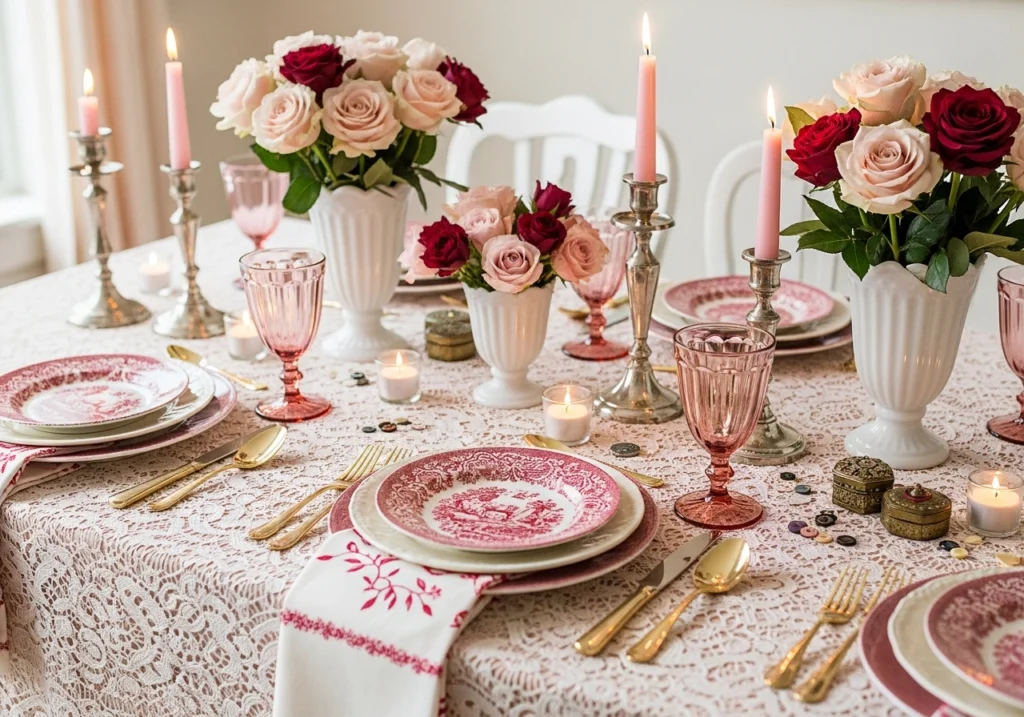
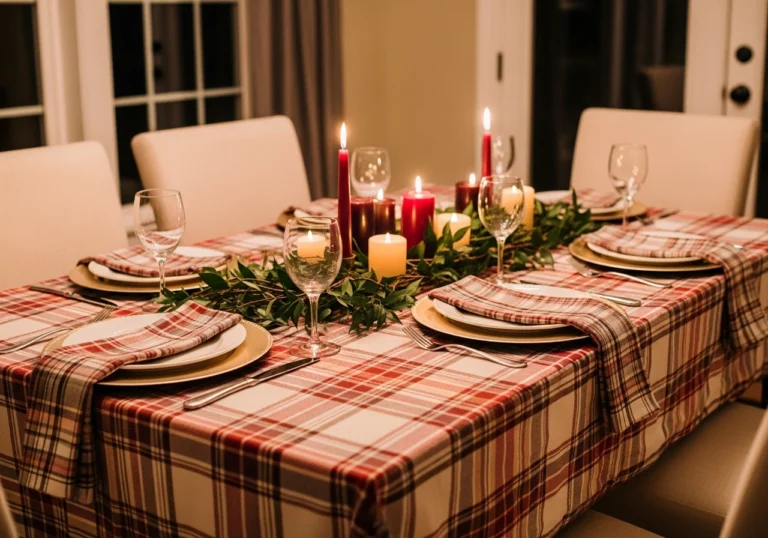
The dining room or table setting represents perhaps the most impactful area for implementing vintage Valentine decorations. A well-styled table becomes the centerpiece of any Valentine’s celebration, whether for an intimate dinner or a larger gathering. Begin by selecting a vintage tablecloth, preferably in cream, white, or blush pink. Lace tablecloths with delicate patterns add particular romance and sophistication.
Layer your table with vintage plates of complementary colors and patterns. Pair red transferware with cream-colored plates, alternating them for visual interest. Include vintage glassware in soft pinks or clear glass styles from earlier decades. Gold-tone utensils, whether vintage silver or faux gold options, add warmth and elegance. Cloth napkins, ideally vintage or vintage-inspired, complete the formal aesthetic.
Create a centerpiece using fresh or high-quality faux roses arranged in milk glass vases or apothecary-style bottles. Include vintage silver candlesticks with cream or pale pink candles. For additional interest, scatter vintage buttons, small trinket boxes, or vintage cards around the centerpiece. The goal is to create visual depth and interest through thoughtful arrangement rather than overcrowding the space.
6. Vintage Florals and Romantic Arrangements

Fresh flowers have long symbolized love and affection, making them essential components of Valentine’s decorating. Roses, in particular, evoke romance and traditional courtship. Vintage Valentine decorating elevates florals through intentional arrangement and display within appropriate vessels.
Milk glass vases, depression glass containers, and clear apothecary-style bottles provide perfect homes for Valentine’s florals. Clustering vases of varying heights creates dynamic visual interest while allowing flowers to remain the focal point. For modern farmhouse aesthetics, combine milk glass with concrete or matte black vessels to create contemporary contrast. Vintage oil lamps, though not designed for flowers, can be grouped with floral arrangements to create dramatic focal points.
Pink garden roses, red roses, and even faux arrangements in blush and burgundy tones complement vintage décor beautifully. The flexibility of preserved or high-quality artificial flowers allows decorators to display arrangements throughout the season without the constraint of maintaining fresh blooms. When selecting florals, consider incorporating greenery or dried grasses to add texture and complexity to arrangements.
7. Displaying Vintage Textiles and Lace Elements

Vintage textiles bring remarkable character and romance to Valentine’s decorating schemes. Doilies, lace tablecloths, embroidered handkerchiefs, and vintage runners provide delicate, elegant layers to your displays. These pieces, often discovered in antique shops or inherited from family members, carry history and craftsmanship that modern textiles cannot replicate.
Doilies work beautifully layered under cake stands, cake pedestals, or centerpiece arrangements on mantels or shelves. Frame particularly special doilies as wall art, creating focal points without requiring extensive wall modifications. Drape vintage lace runners or scarves across mantelpieces, allowing them to cascade naturally. For table settings, place vintage doilies under plates, vases, or candle arrangements to add delicate detail.
Back in the 1930s and 1940s, it was common practice for sweethearts to gift each other embroidered cotton and linen handkerchiefs featuring heart and floral patterns. These charming pieces, when discovered, deserve display rather than storage. Frame them in simple glass frames, display them in shadow boxes, or arrange them on decorative shelves.
8. Mercury Glass and Candlelight Elegance
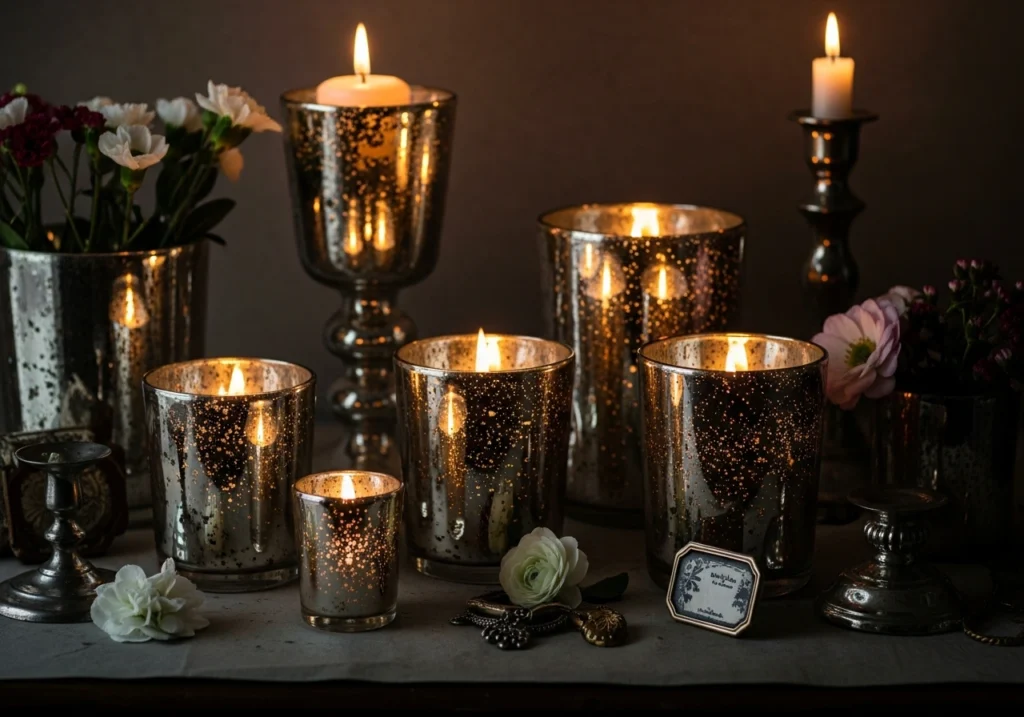
Mercury glass represents another particularly effective material for creating romantic vintage Valentine atmospheres. This reflective, silvery glass creates sparkle without appearing overly glittery or contemporary. The aged patina of authentic mercury glass adds warmth and sophistication to candlelit scenes.
Scatter mercury glass votives down dining table centers, placing vanilla or unscented candles within them. The flickering candlelight dancing across the silvered surfaces creates the most romantic ambiance. Group mercury glass pieces of varying sizes on mantels or shelves, interspersing them with vintage candle holders, fresh flowers, or small vintage treasures. This approach creates sophisticated focal points that evoke romance without feeling theme-heavy.
9. Vintage Silver and Brass Accents

Tarnished silver pieces and aged brass elements bring warmth and character to vintage Valentine displays. Small silver candlesticks, particularly pairs or groupings of three, create elegant focal points. Rather than polishing silver to pristine perfection, embrace the patina that develops over decades. This authentic aging adds depth and charm that cannot be purchased new.
Brass oil lamps from antique shops, whether lit or unlit, command attention and establish romantic moods. Collect them in varying styles to create groupings that become statement pieces in corners, on shelves, or alongside floral arrangements. The warm glow of brass naturally complements Valentine’s colors and creates intimate atmospheres.
10. Vignettes and Strategic Styling
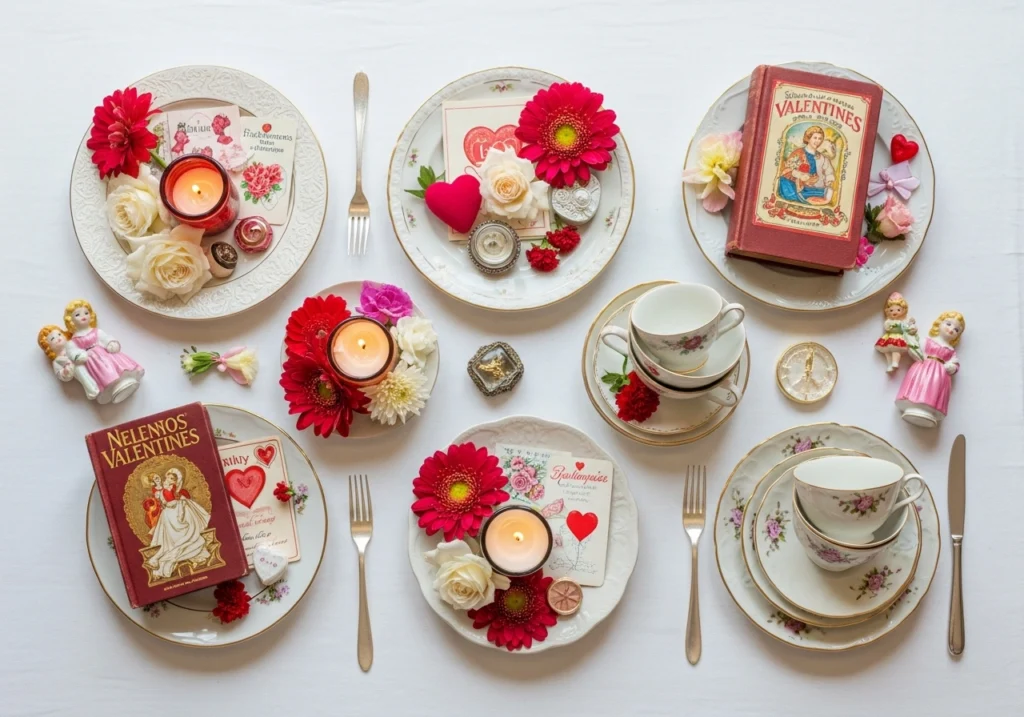
Rather than overwhelming spaces with Valentine’s decorations, strategic vignette styling creates sophisticated, curated displays that feel intentional and collected. A vignette is simply a beautiful still life arrangement of objects grouped together on shelves, tables, or mantels.
Begin by selecting a foundation piece such as a vintage plate, cake stand, or decorative tray. Layer this with complementary items such as fresh flowers, vintage cards, candles, and small treasures. The key is creating visual balance through varying heights, colors, and textures. Add a vintage book with a romantic cover, stack delicate teacups, or position a vintage figurine as a focal point. This approach prevents any single area from feeling cluttered while maximizing visual impact.
Coffee tables, mantel shelves, and bedroom nightstands become opportunities for vignette styling. Rotate these displays seasonally or even weekly, allowing you to enjoy different vintage treasures throughout the season.
11. Wreath and Mantel Decorating
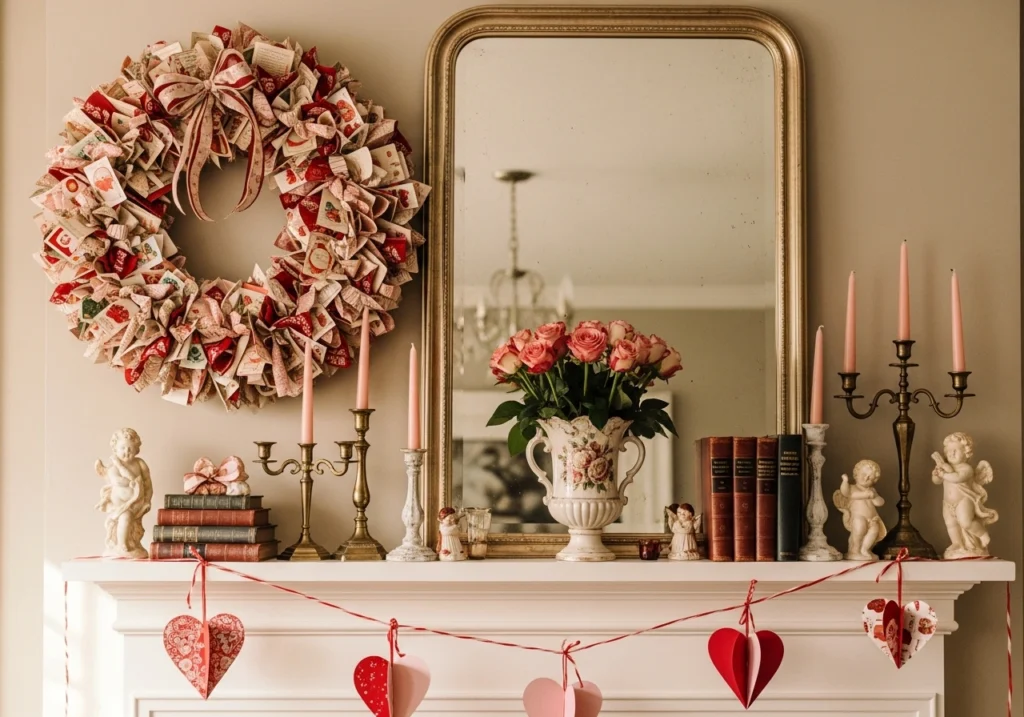
The front door or interior mantel provides ideal spaces for vintage Valentine wreaths. Rather than relying on modern craft supplies, construct wreaths using vintage materials. Arrange vintage Valentine cards around a circular base, wire fresh or faux flowers in Valentine’s colors, or create a wreath entirely from silk ribbons in muted pink, red, and cream tones.
Mantel displays benefit from careful composition combining height variation, texture diversity, and color coordination. Lean a large vintage mirror against the back of the mantel, creating visual depth. Position vintage candlesticks in pairs at intervals, place a vintage vase with fresh roses at center, and hang paper hearts or vintage cards from twine or ribbon. Add vintage books stood upright, small vintage figures, or cherub figurines to create interest.
12. Unique Vintage Finds and Unexpected Elements
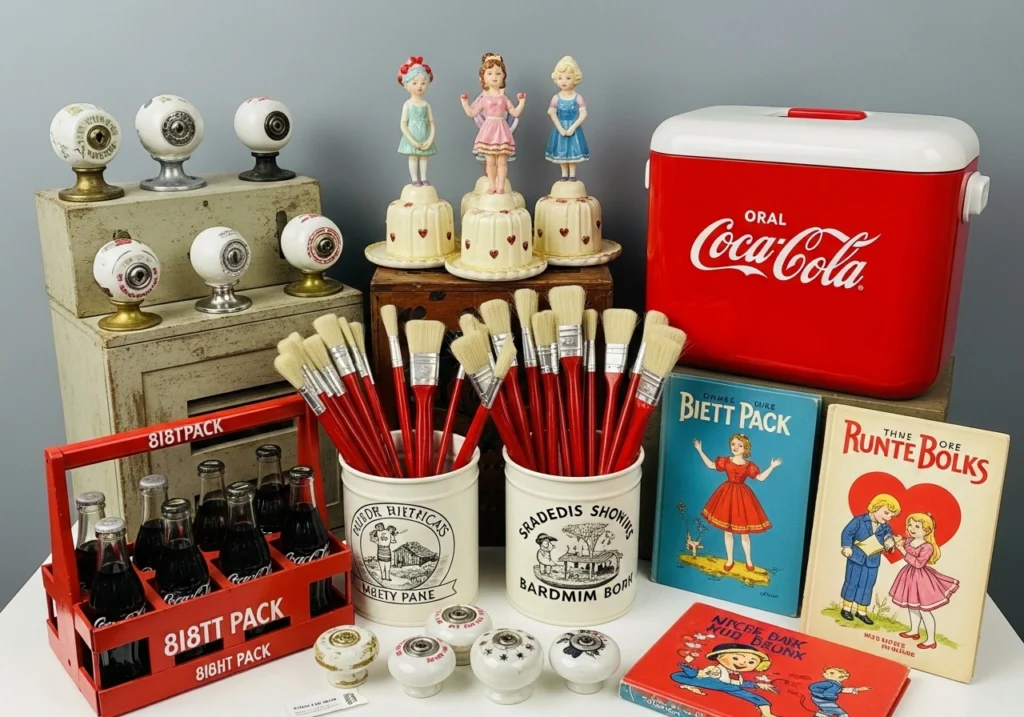
Beyond traditional decorating items, savvy vintage decorators discover unexpected pieces that add personality and whimsy to their displays. Old door knobs, particularly white porcelain and cut glass varieties, become charming decorative accents when arranged on shelves or incorporated into wire displays. Vintage cake toppers transition into charming figurine displays. Old paintbrushes, particularly those with red handles or positioned in red containers, add character to craft spaces or shelves.
Vintage Coca-Cola coolers, classic in their red coloring, become nostalgic focal points in kitchens or game rooms. Eight-pack carriers with iconic red packaging add playful nods to vintage styling. Vintage children’s books with romantic covers or rose-themed volumes contribute to gallery wall displays or shelf arrangements.
13. Color Palette Selection for Authentic Vintage Appeal

Selecting the correct color palette determines whether your Valentine’s decorating achieves authentic vintage elegance or veers into theme-park territory. Recommended pink tones for vintage Valentine styling include rose quartz, dusty rose, blush, pale mauve, and rose pompadour. These sophisticated shades create romantic atmospheres without appearing juvenile or overly trendy.
Recommended red tones include burgundy, oxblood red, tomato red, and wine red. When combining multiple shades of pink or red, maintain cohesion by selecting related tones rather than mixing bright pinks with muted reds. Alternatively, create distinct displays using a single color family with variations in tone and intensity.
Cream, beige, ivory, and white serve as essential neutral anchors that prevent spaces from becoming visually overwhelming. These cool, calm neutrals provide breathing room and sophistication within your color scheme.
14. Where to Source Vintage Valentine Decorations
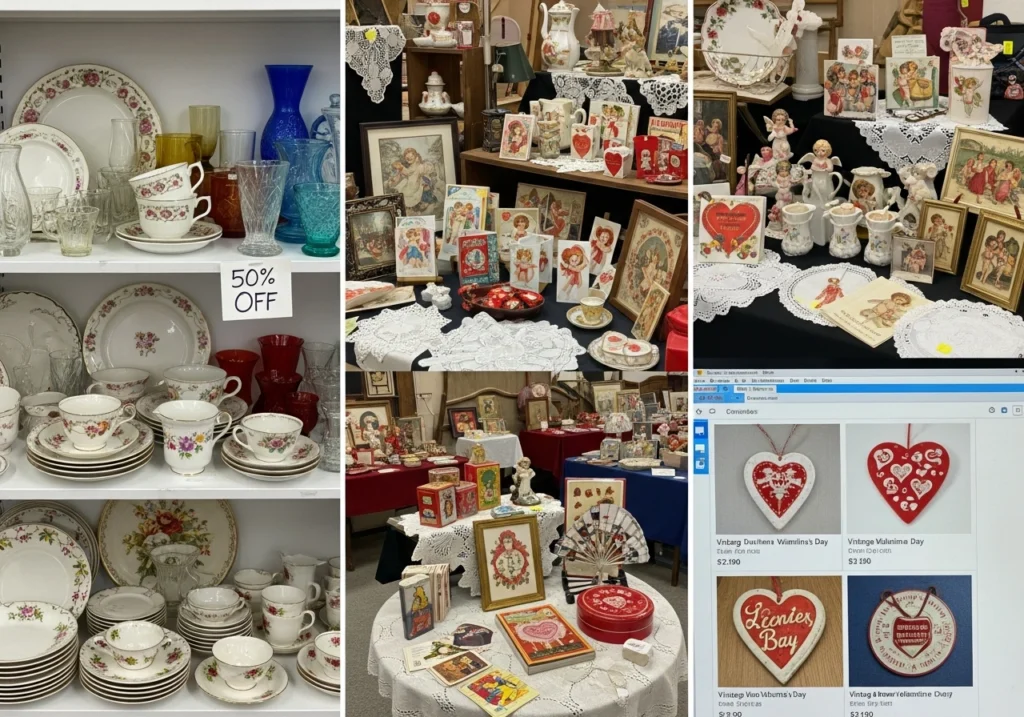
Successful vintage decorating requires knowing where to locate quality pieces at reasonable prices. Local thrift stores such as Goodwill and Salvation Army offer affordable options with regular inventory changes. Antique malls, while sometimes pricier, provide curated selections and opportunities to examine pieces in person before purchasing.
Estate sales and auctions occasionally yield remarkable treasures at reasonable prices, particularly if you arrive early or bid strategically. Online marketplaces including Etsy, eBay, and Amazon offer vast selections of vintage Valentine decorations, allowing you to search by specific criteria and compare prices. Local antique shops often feature knowledgeable owners who provide context and guidance regarding pieces in their inventory.
When shopping for vintage items, allow ample time for searching. Allocate at least a few weeks before Valentine’s Day to gather your collection, as popular pieces disappear quickly. January represents an ideal time to begin shopping, as many retailers stock seasonal items immediately after the Christmas holiday concludes.
15. Budget-Friendly Vintage Decorating Strategies
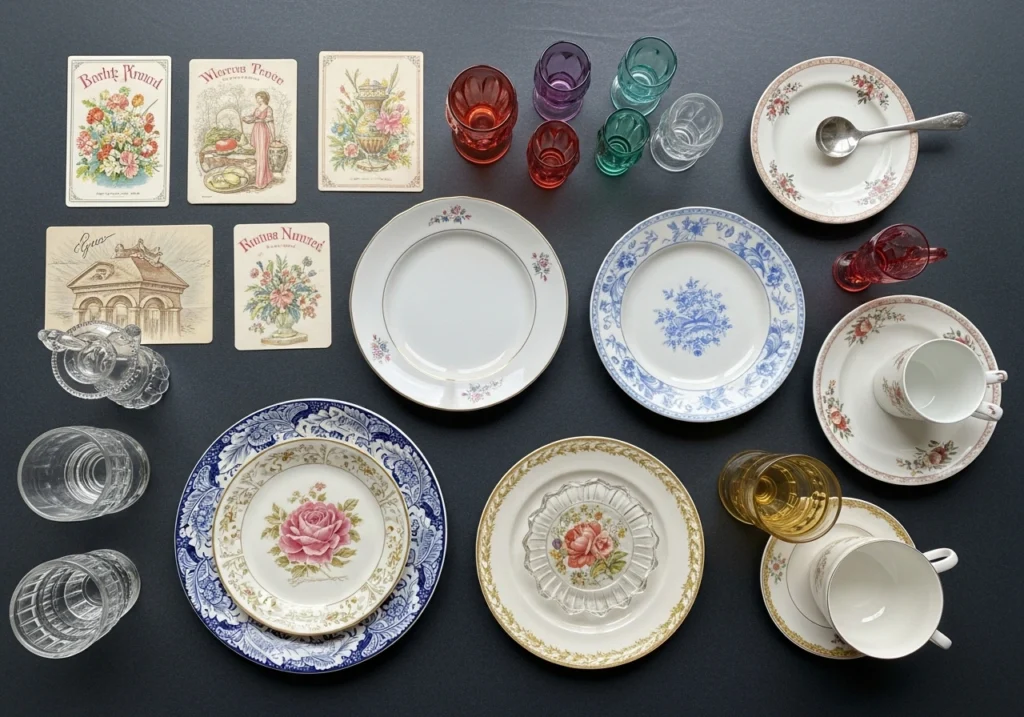
Decorating with authentic vintage pieces need not deplete your budget. Many beautiful items cost only a few dollars when sourced from thrift stores and antique malls. Vintage cards typically range from two to five dollars each. Individual vintage plates and dishes often cost just a couple of dollars per piece. Vintage glassware, transferware, and smaller treasures frequently price at similar affordable levels.
Maximize your budget by investing in foundational pieces such as tablecloths, larger vases, and prominent display items. Source smaller accent pieces and secondary items from thrift stores. Mix purchased vintage items with pieces you already own, repurposing existing home décor by reframing it through Valentine’s styling. Paint vintage items in Valentine’s colors using milk paint or soft finishes that maintain authentic character.
Create value-added displays by combining multiple inexpensive pieces into unified compositions. A single vintage plate costs little but becomes exponentially more impactful when grouped with complementary pieces, fresh flowers, and strategic lighting.
16. Year-Round Value of Vintage Valentine Pieces

One significant advantage of vintage Valentine decorating lies in the year-round utility of many pieces. Red and pink transferware serves Christmas celebrations beautifully, requiring minimal transition from Valentine’s to holiday styling. Romantic florals and candlelit scenes transition seamlessly from Valentine’s Day into spring entertaining.
Vintage Valentine cards, when framed or displayed in shadow boxes, become year-round art installations rather than seasonal decorations. Collections of dishes, teacups, and glassware serve daily functions long after Valentine’s Day concludes. Vintage textiles and lace pieces enhance décor across seasons and occasions.
This multi-purpose approach makes vintage Valentine decorating both practical and economical. Rather than storing specialized seasonal pieces in boxes, vintage collectors enjoy items that enhance their homes throughout the year while maintaining strong Valentine’s Day associations.
you may also like this:15 VALENTINE’S DAY CURATED MOODS AND CINEMATIC DECOR
Conclusion
Vintage Valentine decorations offer a sophisticated alternative to contemporary holiday styling, celebrating authentic romance, timeless elegance, and the stories embedded within collected treasures. Through thoughtful curation of vintage cards, dishes, florals, textiles, and unexpected finds, you can transform your home into a space that honors both the past and the present, creating atmospheres that resonate with genuine affection and refined beauty.
The charm of vintage Valentine decorating emerges not from expensive pieces or complicated arrangements but from intentional styling, color coordination, and appreciation for the character that age and history impart. Whether you invest significant time in hunting through antique shops or source pieces online from home, vintage Valentine decorations invite you to celebrate this romantic holiday in ways that feel personal, authentic, and timelessly beautiful.
This February, consider stepping away from mass-produced options and embracing the elegance of yesterday. Display your vintage Valentine treasures with pride, knowing that each piece carries history and contributes to creating a home environment that celebrates love in the most authentic, charming way possible.
Frequently Asked Questions
Q1: How far in advance should I begin shopping for vintage Valentine decorations?
Shopping for vintage Valentine decorations should ideally begin in early January, just after Christmas. Vintage items sell quickly as the holiday approaches, so beginning your search early ensures access to the widest selection of authentic pieces. Allocating at least two to three weeks before Valentine’s Day allows sufficient time for both in-person hunting and online sourcing without feeling rushed.
Q2: What is the most budget-friendly way to decorate with vintage Valentine pieces?
The most budget-friendly approach involves combining inexpensive thrift store finds with strategic arrangement and lighting. Focus on purchasing foundational pieces such as vintage tablecloths, larger vases, and prominent display items from quality sources, while sourcing smaller accent pieces from thrift stores. Mix newly purchased items with pieces you already own, and use vintage cards, which typically cost only a few dollars, as affordable decorative elements that create significant visual impact when displayed thoughtfully.
Q3: Can vintage Valentine decorations be stored and reused year after year?
Absolutely. Unlike many contemporary Valentine’s decorations, authentic vintage pieces only improve with age and repeated use. Store items carefully in acid-free tissue paper, bubble wrap, or designated seasonal boxes to prevent damage. Many vintage pieces, particularly transferware, glassware, and textiles, can be displayed and stored repeatedly without concern for deterioration. Additionally, numerous vintage items serve multi-seasonal purposes, allowing them to remain displayed year-round rather than requiring storage.
Q4: Where is the best place to display vintage Valentine decorations in my home?
Prime display locations include dining tables, mantels, open shelving, entryway tables, and bedroom nightstands. Dining areas provide the most impactful space for complete vintage styling, including table settings, centerpieces, and wall arrangements. Mantels work beautifully for vignette arrangements combining candles, fresh flowers, and vintage cards. Coffee tables and bedroom spaces welcome intimate displays that celebrate romance in quiet, personal ways.
Q5: How do I prevent vintage Valentine decorations from appearing overly themed or cluttered?
The key lies in strategic spacing, color cohesion, and selective editing. Rather than decorating every surface, focus on creating two or three strong focal points such as a dining table, mantel, or entryway. Maintain consistent color palettes using muted tones rather than mixing bright, saturated colors. Embrace negative space, allowing your eyes to rest between decorated areas. Treat decorating as curation, displaying only pieces that genuinely speak to you rather than including every vintage item available. Quality and intention always surpass quantity in creating sophisticated environments.
One Comment