25 Creative Valentine’s Day Card Ideas to Express Your Love
Valentine’s Day is a celebration of love and affection, and few things express genuine emotion better than a thoughtfully designed card. Whether you are celebrating a romantic partner, honoring your closest friends, or showing appreciation to family members, a Valentine’s Day card becomes a cherished keepsake that goes far beyond a simple greeting. In an age where digital communication dominates our lives, the physical act of giving a handwritten card carries profound meaning and demonstrates genuine care.
The tradition of exchanging Valentine’s cards dates back centuries, but the sentiment remains as powerful today as ever. A well-crafted card tells a story, captures a feeling, and creates a moment worth remembering. This guide presents 25 creative Valentine’s Day card ideas that cater to different personalities, relationships, and design preferences. Whether you are crafting your first card or you are an experienced creator, these ideas will inspire you to create something truly special.
Understanding the Appeal of Handmade Valentine Cards
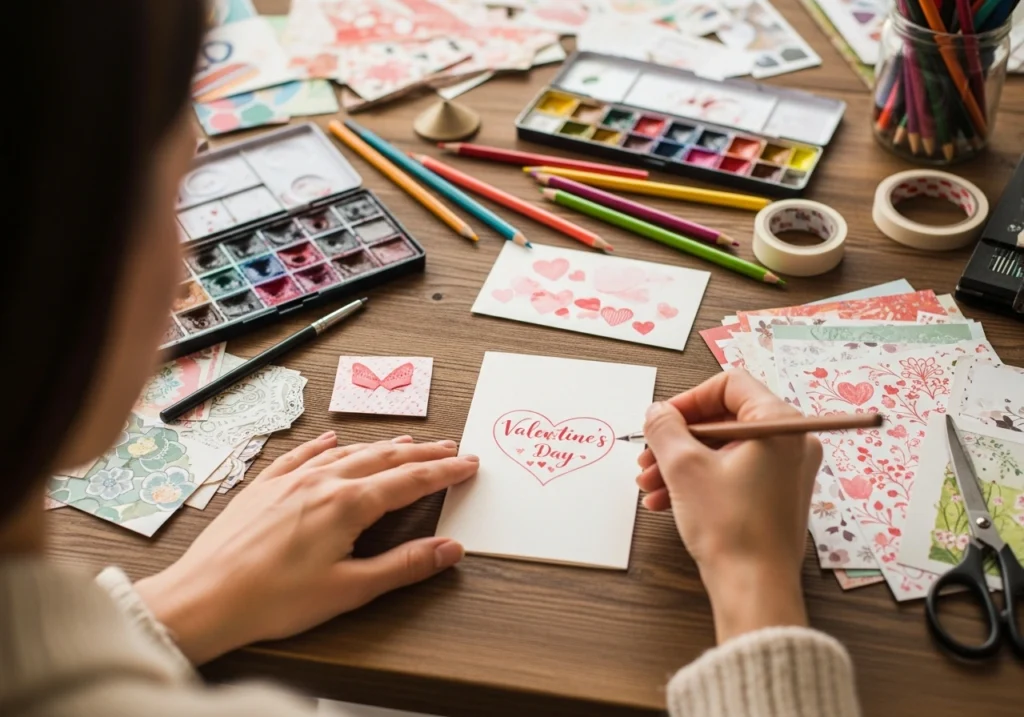
The beauty of handmade Valentine cards lies in their personal nature. Unlike mass-produced cards purchased from store shelves, handmade creations reflect time, effort, and thoughtfulness. Recipients understand that someone took time from their busy schedule to create something specifically for them. This personal touch transforms a simple card into a meaningful artifact that deserves a permanent place on a shelf or in a memory box.
Handmade cards also offer unlimited customization possibilities. You can incorporate inside jokes, shared memories, favorite colors, and personal touches that no commercial card could ever capture. The imperfections that come with handmade items often make them more beautiful and authentic than perfect factory-produced alternatives.
you may also like this:15 Valentine’s Day Wallpaper Aesthetic for a Romantic Digital Vibe
Romantic Card Ideas for Your Special Someone
Romantic cards form the heart of Valentine’s Day celebrations. These designs should evoke emotion, celebrate your unique bond, and make your loved one feel genuinely appreciated.
Calligraphy and Elegant Script Cards
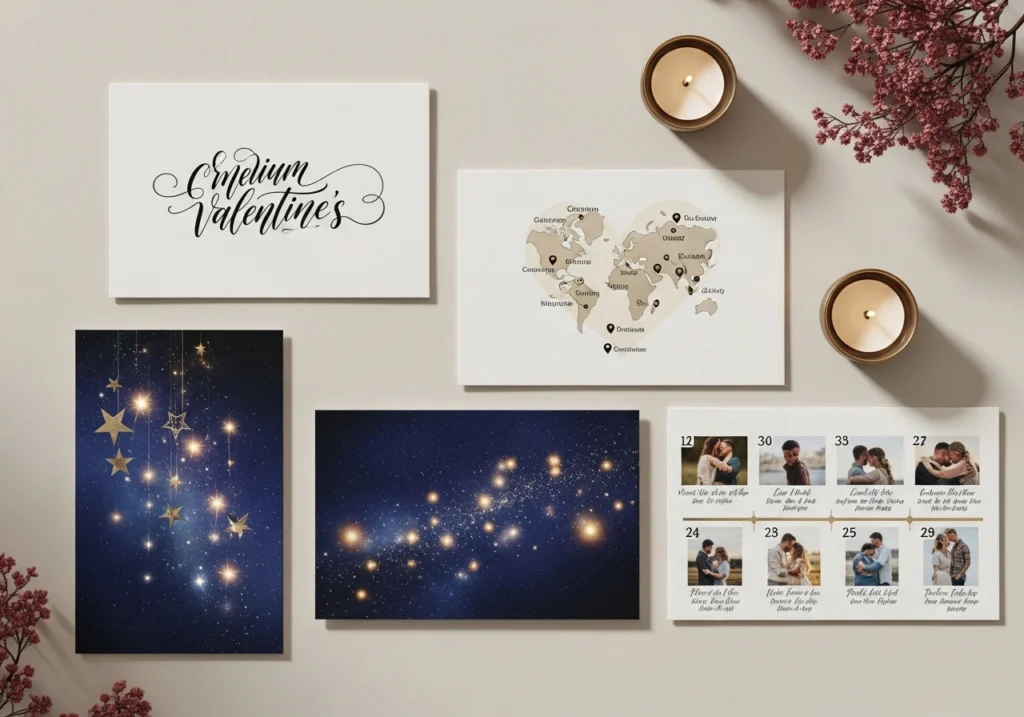
The calligraphy card represents elegance and sophistication in its purest form. Beautiful, flowing lettering conveys a message of love that speaks volumes. You can practice elegant script on practice paper first, then transfer your message onto premium cardstock. Pair this with a simple watercolor background in soft roses or blush tones for maximum impact. Calligraphy cards work beautifully for expressing deeper emotions and create a timeless quality that feels luxurious and refined.
Heart Map Design Cards
The heart map design creates a deeply personal touch by featuring important locations in your relationship. Mark the place where you first met, where you had your first kiss, where you got engaged, and other significant spots on a custom heart-shaped map. This visual representation of your shared journey becomes a meaningful reference point for your relationship. These cards tell the geographic story of your love through an artistic lens.
Starry Night and Celestial Designs
The starry night design captures the magic of endless possibilities. Incorporate a shimmering night sky with glowing stars to represent your never-ending love. You can use metallic markers, glitter, or even glow-in-the-dark materials to create depth and visual interest. Celestial themes evoke wonder and romance while adding dimension and tactile appeal to your card design.
Photo Timeline Cards
Create a photo timeline card that chronicles your relationship through carefully selected images. Arrange photos chronologically, adding dates and brief captions that remind your partner of special moments you have shared. This approach transforms the card into an interactive memory experience that celebrates your shared history and creates a narrative of your relationship progression.
Fun and Playful Card Ideas for All Personalities
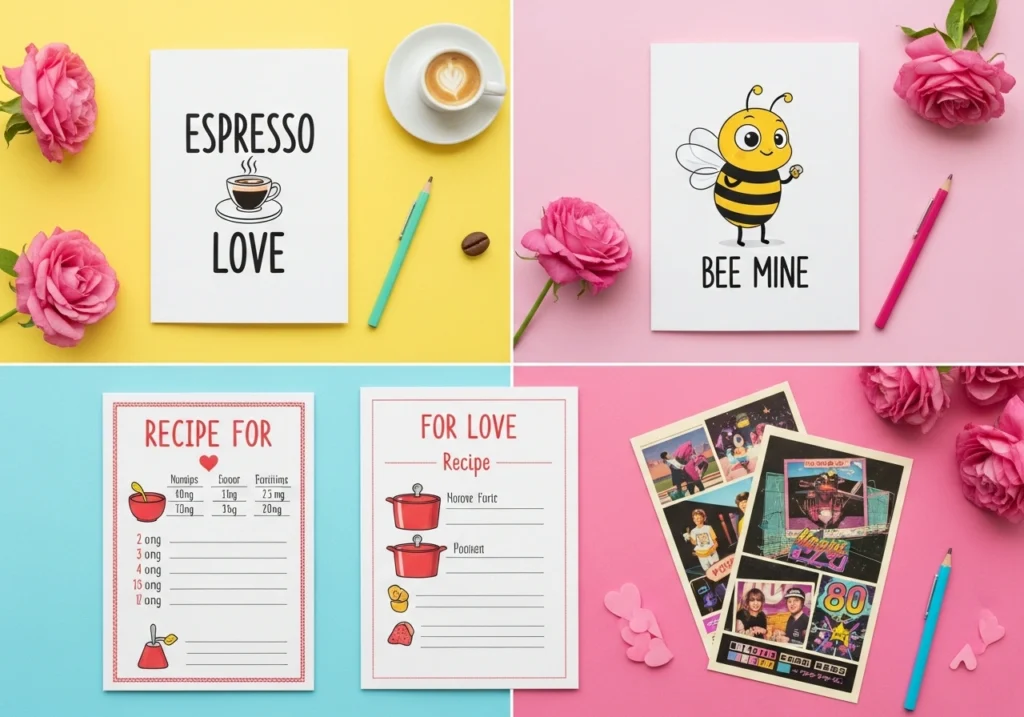
Not every relationship thrives on traditional romance, and that is perfectly wonderful. Playful cards celebrate the joy, laughter, and humor that makes your connection special.
Punny and Witty Card Concepts
The punny card approach turns word play into visual art. If your partner enjoys witty humor, create cards with clever puns related to their interests. Coffee lovers might receive a card saying “Words Cannot Espresso How Much I Love You.” Fitness enthusiasts might enjoy “You Make My Heart Rate Rise.” These cards demonstrate that you understand their personality and sense of humor, making them feel known and appreciated.
Funny Animal Character Cards
Funny animal cards bring lightheartedness to the celebration. Create adorable characters like bees saying “Bee Mine,” otters holding hands, or cats with silly expressions. These designs work particularly well if your special someone has a playful sense of humor or shares a love of animals. Animal illustrations add charm and personality while keeping the tone light and entertaining.
Recipe for Love Cards
The recipe for love card presents your relationship as an ingredient list. Include things like “a pinch of patience, a cup of understanding, a handful of laughter, and servings of endless love.” Present this like an actual recipe with measurements and cooking instructions, adding warmth and creativity to the card. This concept transforms emotional sentiments into concrete, measurable elements that celebrate what makes your relationship work.
Nostalgic Throwback Cards
The nostalgic throwback card features images and references from different decades or eras that you have shared. Include throwback photos, outdated slang, or references to inside jokes that have developed over your time together. These cards celebrate your shared history while adding humor and familiarity that will resonate deeply with your recipient.
Minimalist Card Designs for Modern Sensibilities
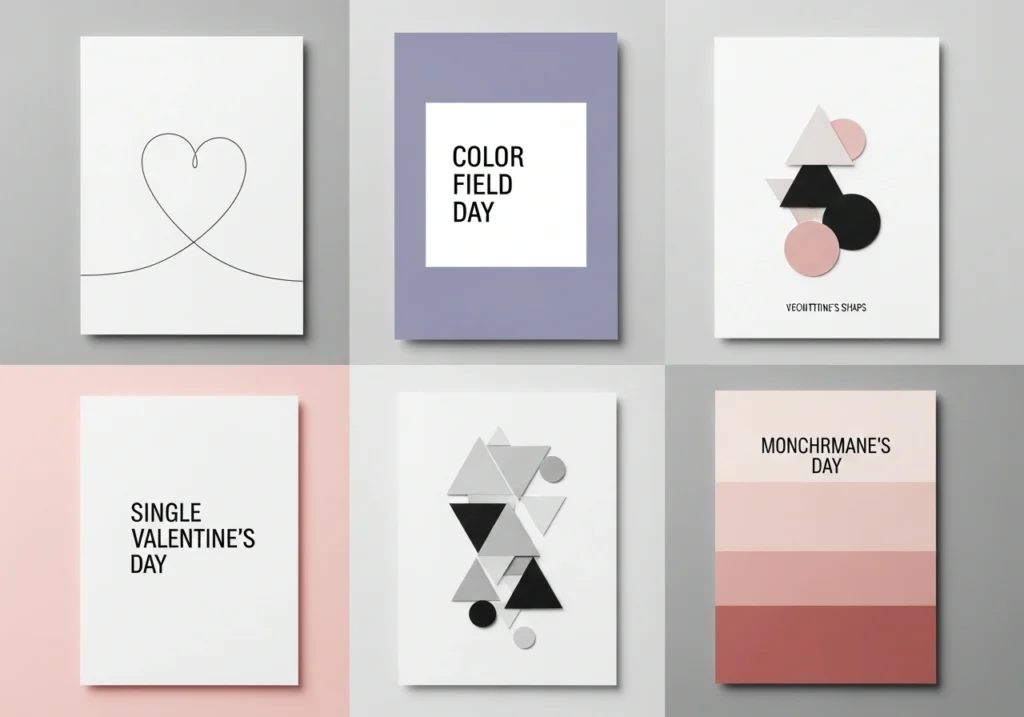
Clean, simple designs appeal to those who appreciate contemporary aesthetics and intentional minimalism.
Single Line and Continuous Drawing Cards
The single line card features one bold, confident line that forms a heart, face, or meaningful shape. This approach emphasizes the power of simplicity and allows your written message to take center stage without competing visual elements. Single line designs create elegant, sophisticated cards that feel modern and intentional.
Color Field and Solid Background Cards
The color field card uses a single solid color as the foundation, allowing white space and typography to communicate your message. Soft pastels like blush pink, lavender, or pale blue create a sophisticated, modern feel that works well for any age or relationship type. This minimalist approach lets your handwritten message become the focal point of the design.
Geometric Shape Cards
The geometric shapes card incorporates simple triangles, circles, or squares arranged with precision and intention. These shapes can form larger images or patterns that create visual interest without overwhelming the design. Geometric elements add contemporary flair while maintaining the calm, uncluttered aesthetic that defines minimalism.
Monochrome Color Palette Cards
The monochrome card sticks to a single color family, using various shades and tints to create depth and dimension. Black and white combinations create striking contrast, while monochromatic reds or pinks maintain a cohesive romantic aesthetic. Monochromatic designs feel unified and sophisticated while remaining visually engaging.
Interactive and Three-Dimensional Card Concepts
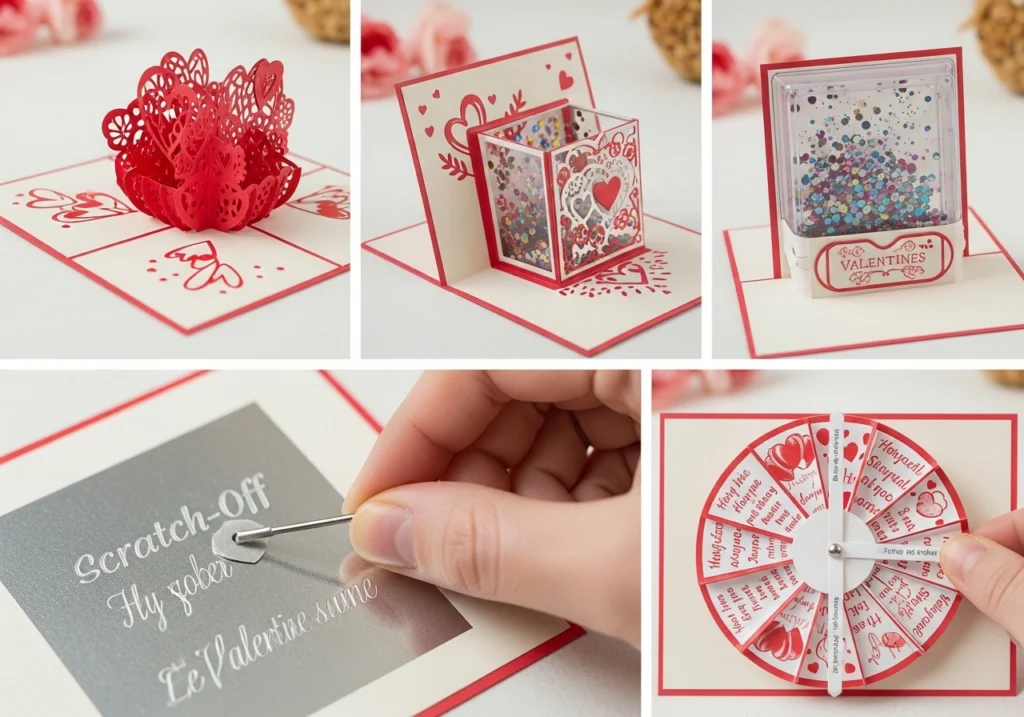
Cards that engage multiple senses create memorable experiences that recipients will not forget.
Pop-Up and Paper Engineering Cards
The pop-up card features paper engineering that creates dimensional elements when the card opens. Hearts, flowers, or messages can literally emerge from the page, creating a moment of surprise and delight. While these require more skill and patience, the result justifies the effort. Pop-up cards transform the simple act of opening a card into a memorable experience.
Shaker Cards with Moving Elements
The shaker card contains loose elements like sequins, glitter, or small charms that move within a clear plastic window. As the recipient tilts and rotates the card, these elements dance and shimmer, creating a dynamic visual experience. Shaker cards add movement and intrigue while maintaining a polished, professional appearance.
Scratch-Off Cards with Hidden Messages
The scratch-off card reveals hidden messages or images as the recipient scratches away a metallic coating. This interactive element turns the card into an activity, building anticipation before the final message is revealed. Scratch-off cards create engagement and surprise while making the recipient an active participant in discovering your message.
Spinning Wheel and Rotating Layer Cards
The spinning wheel card incorporates a functional paper fastener that allows rotation of different layers. As the wheel spins, different words, images, or messages appear, creating a personalized romantic fortune teller or message wheel. These mechanical elements add playfulness and functionality that make cards genuinely interactive.
Cards for Different Recipients Beyond Romantic Partners
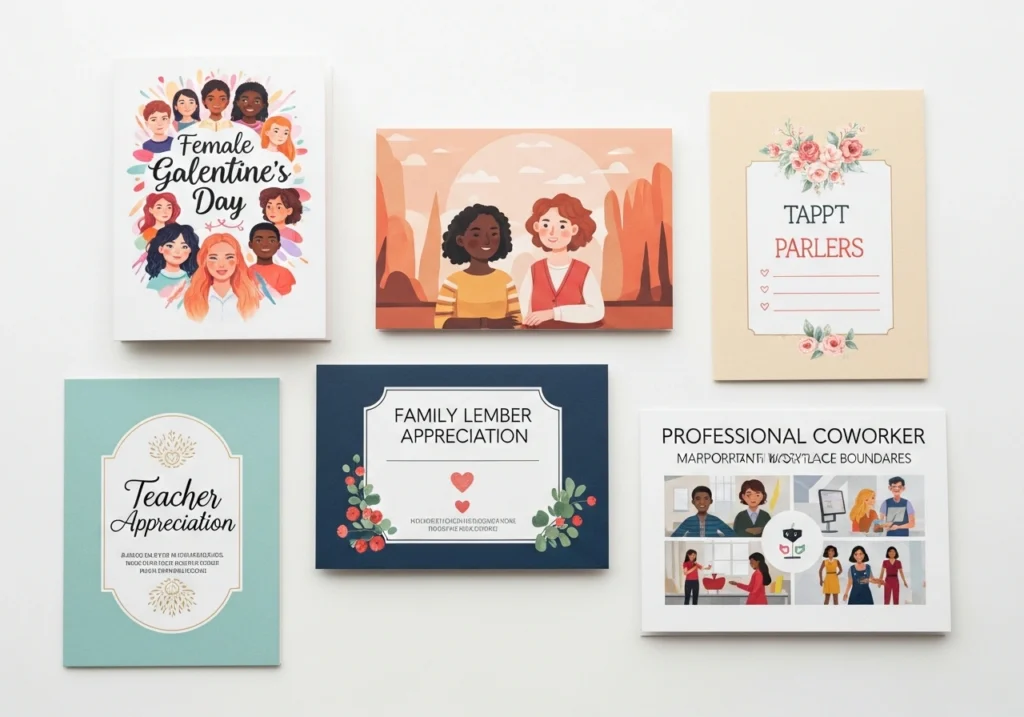
Valentine’s Day extends beyond romantic relationships, and thoughtful cards can celebrate all the important people in your life.
Galentine’s Day Cards for Friends
Galentine’s Day cards celebrate friendships with the same enthusiasm as romantic love. Create cards for your closest friends that acknowledge your appreciation for their presence in your life. Include inside jokes, shared adventures, and reasons why you value their friendship. These cards honor the bonds of platonic love that sustain us emotionally and socially.
Family Member Appreciation Cards
Cards for family members acknowledge that love extends beyond romance. Parent cards, sibling cards, and cards for extended family can express gratitude and affection in age-appropriate ways. Kids especially appreciate receiving cards from parents and grandparents, creating traditions they will remember into adulthood. Family cards strengthen bonds and establish meaningful traditions.
Teacher Appreciation Cards
Teacher appreciation cards represent gratitude for the educators who shape young minds. Students can create cards expressing thanks for their teacher’s dedication, patience, and impact on their education. These cards show educators that their work is valued and appreciated by the students they serve.
Coworker Relationship Cards
Coworker cards maintain professional boundaries while still acknowledging workplace relationships. Keep these designs friendly and inclusive, celebrating teamwork and professional respect. Professional cards strengthen workplace culture and create positive team dynamics.
Budget-Friendly and Eco-Conscious Card Options
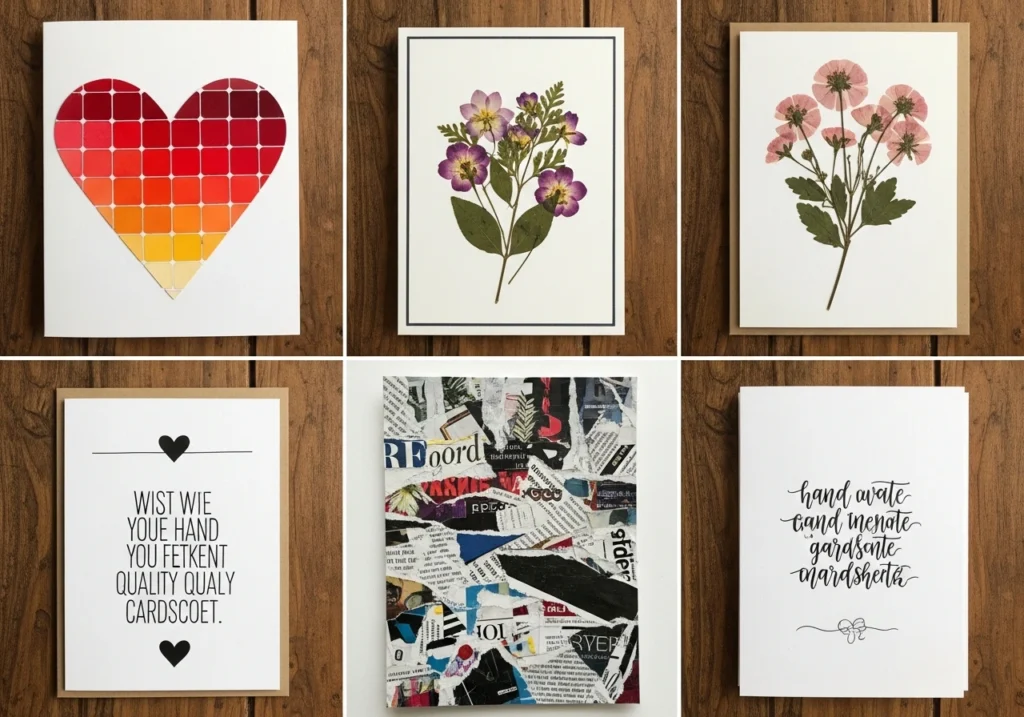
Creating beautiful cards does not require expensive materials or wasteful resources.
Paint Chip Heart Cards
The paint chip heart card recycles free paint samples from home improvement stores. Cut hearts from various colors and arrange them in ombré patterns on cardstock. This approach is completely free, environmentally conscious, and visually striking. Paint chip cards demonstrate that beautiful designs need not be expensive.
Pressed Flower Cards
The pressed flower card incorporates real flowers preserved between card layers. Collect flowers from your garden or a local florist, press them for several days between heavy books, then carefully arrange them on your card design. Pressed flowers add natural beauty and a botanical aesthetic to your cards.
Recycled Paper Collage Cards
The recycled paper card uses repurposed materials like newspaper, magazines, fabric scraps, or wrapping paper. Tear or cut these materials into shapes and collage them onto your base cardstock for a textured, artistic effect. Recycled material cards are environmentally responsible while creating visually interesting textures.
Handwritten Quote Cards
The handwritten quote card keeps things simple by featuring only hand-lettered words on quality cardstock. Pair with one or two subtle design elements like a hand-drawn border or watercolor wash for visual interest without excess materials. These cards prove that simplicity and meaningful words are sometimes all you need.
Personalization Techniques That Elevate Basic Designs

Even simple card concepts become extraordinary through thoughtful personalization.
Photo Inclusion and Memory Integration
Photo inclusion transforms any card design into something deeply personal. Use printed photographs from memorable moments, creating visual narratives that celebrate your relationship history. Photos add emotional weight and specificity that generic designs cannot match.
Handwritten Versus Typography Choices
Handwriting versus typography matters significantly. Hand-lettered messages feel more intimate and personal than printed text, even if your handwriting is not perfectly neat. Recipients appreciate the effort and authenticity of handwritten words. The imperfections of handwriting add character and sincerity.
Sensory Elements and Texture Additions
Scent and texture add sensory dimensions to cards. Add essential oil drops to corners for subtle fragrance, use textured papers that feel interesting to touch, or incorporate ribbon and fabric for tactile appeal. Multi-sensory cards create memorable experiences that engage multiple senses.
Custom Message Personalization
Personal message customization means writing something specific rather than relying on generic phrases. Reference inside jokes, specific memories, or qualities you appreciate in the recipient. These personalized messages become the most treasured aspect of any card. Genuine, specific messages carry far more weight than generic sentiments.
Trending Styles for Valentine Cards in 2025
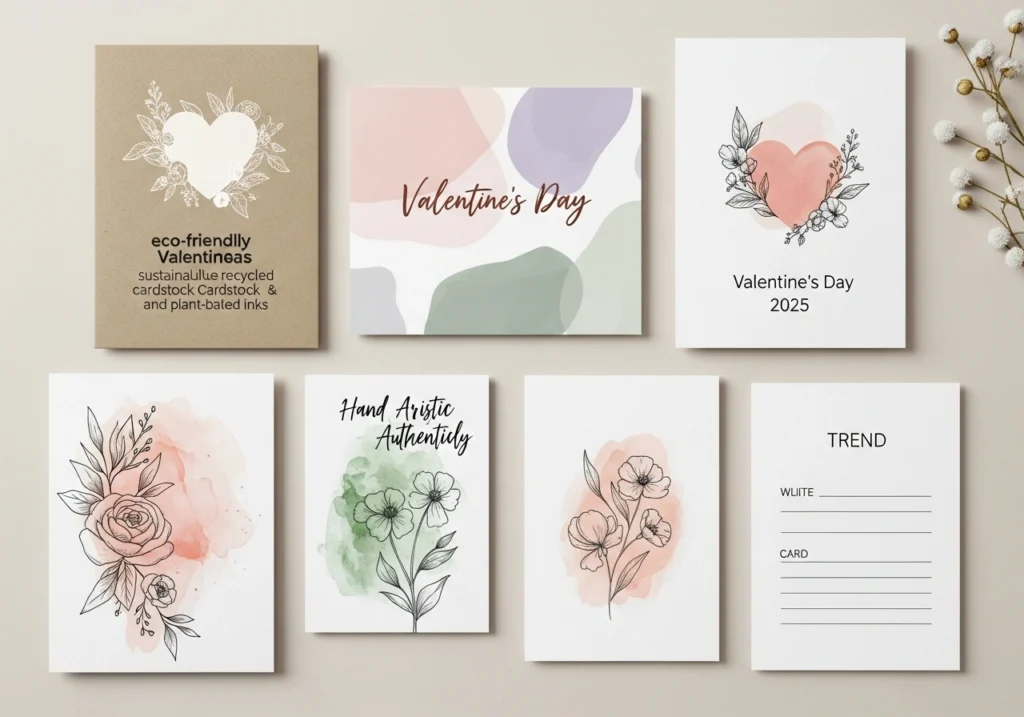
Current design trends reflect broader cultural movements toward sustainability, personalization, and authenticity.
Eco-Friendly Material Selections
Eco-friendly materials dominate contemporary card design. Cardstock made from recycled paper, plant-based inks, and sustainable packaging options appeal to environmentally conscious creators and recipients. These choices maintain aesthetic appeal while reducing environmental impact. Sustainable cards align values with actions.
Soft Color Palette Trends
Soft color palettes beyond traditional red continue gaining popularity. Blush pink, lavender, sage green, and cream tones create gentle, sophisticated cards that feel contemporary while remaining romantic. These softer tones appeal to modern sensibilities while maintaining emotional warmth.
Hand-Drawn and Illustrative Movements
Hand-drawn and illustrative elements emphasize personal artistry over perfect design. Sketched florals, watercolor backgrounds, and illustrated characters create authenticity and charm that digital perfection cannot match. Hand-created elements feel personal and genuine compared to digital designs.
Minimalist Aesthetic Continuation
Minimalist aesthetics continue their upward trajectory, with designers embracing white space and intentional simplicity. This trend reflects broader appreciation for calming, uncluttered design that allows meaning to shine through. Minimalism prioritizes message over decoration.
Design Tips and Techniques for Card Creation
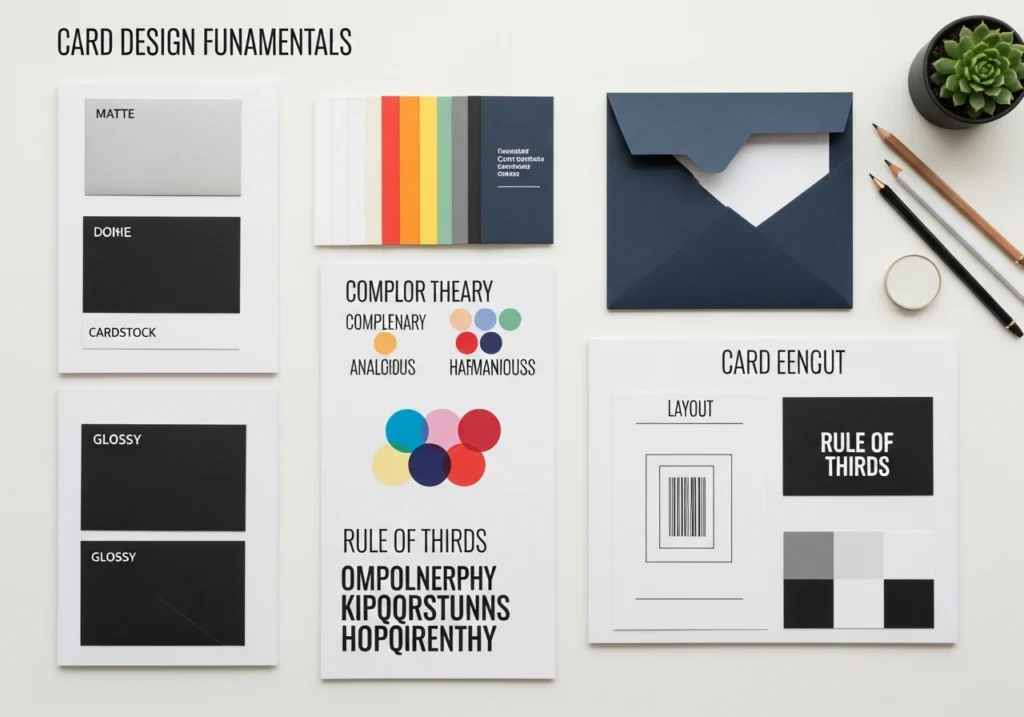
Successful card creation combines technical execution with creative vision.
Cardstock Selection and Quality
Cardstock selection forms the foundation of any card project. Heavier weight cardstock feels more substantial and professional than standard paper. Choose finishes based on your design aesthetic whether matte for contemporary looks or glossy for photographs. Quality materials elevate the overall impression of your finished card.
Color Theory and Harmony
Color theory understanding improves design cohesion. Complementary colors create visual excitement, while analogous colors create harmony. Consider how colors interact before committing to your final design. Understanding color relationships creates visually balanced, pleasing compositions.
Layout Principles and Composition
Layout and composition prevent cluttered, overwhelming designs. Apply the rule of thirds by mentally dividing your card into nine equal sections and placing key elements at intersection points. This creates naturally balanced, visually pleasing compositions. Good composition guides the viewer’s eye naturally through your design.
Typography Hierarchy and Font Selection
Typography hierarchy ensures your most important message stands out. Use larger fonts for primary messages and smaller fonts for supporting text. Varying fonts can create interest but limit yourself to two or three fonts maximum to maintain coherence. Clear hierarchy makes your message immediately understandable.
Practical Assembly Instructions for Complex Designs
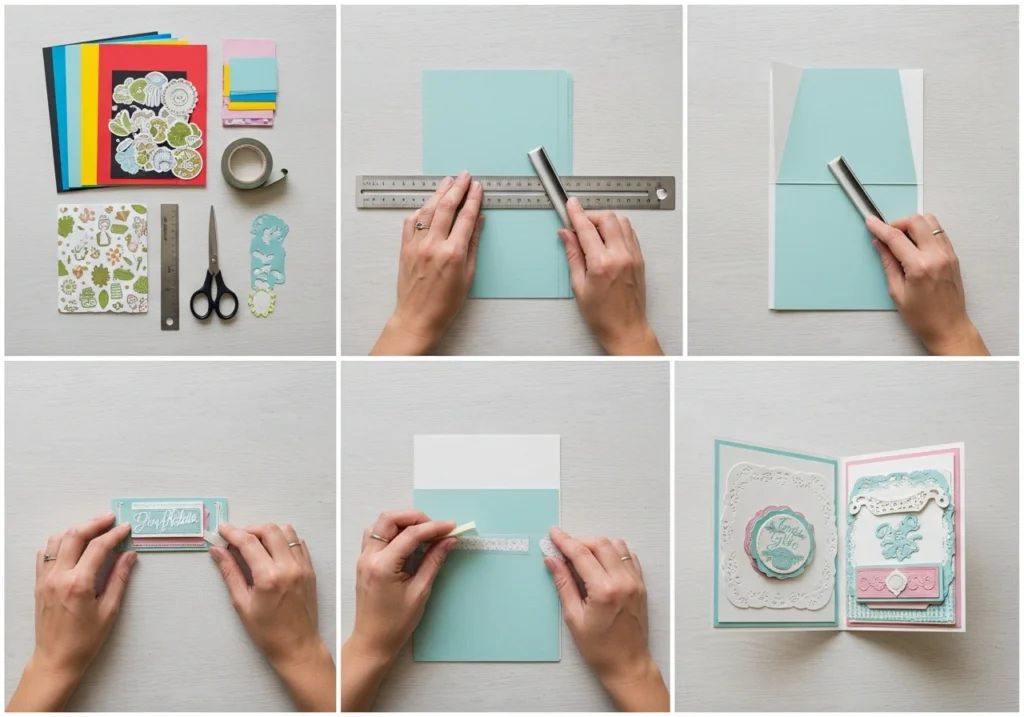
Complex designs require careful planning and execution to achieve professional results.
Material Gathering and Organization
Gather all materials before beginning the assembly process. Having everything organized prevents frustration and ensures you do not miss essential components midway through creation. Preparation streamlines the creation process and reduces errors.
Fold Creation and Precision Techniques
Use bone folders or ruler edges to create crisp, clean fold lines. These simple tools make dramatic differences in the finished appearance of your cards. Professional-looking folds transform homemade cards into polished products.
Adhesive Application and Attachment Methods
Apply adhesives strategically using minimal amounts. Excessive glue creates visible residue and can warp delicate paper elements. Double-sided tape often provides cleaner results than liquid adhesives. Proper adhesive application determines the structural integrity of your card.
Drying Time and Curing Processes
Allow drying time between assembly steps. Rushing the process compromises the structural integrity and appearance of your finished card. Patience during creation ensures lasting quality in your finished product.
Conclusion
Creating Valentine’s Day cards represents a beautiful intersection of art, emotion, and personal connection. Whether you choose romantic designs that celebrate deep bonds, playful concepts that highlight shared laughter, or minimalist approaches that emphasize simplicity, your handmade card carries meaning that no store-bought alternative can replicate. The 25 ideas presented throughout this guide offer starting points for your own creative exploration, but the most powerful cards are those that reflect your unique relationship and personality.
The process of creating a Valentine’s card becomes almost as meaningful as the finished product. Taking time to think about the recipient, selecting colors and designs that represent your feelings, and carefully executing your vision demonstrates care and dedication. In a world of digital communication and automated greetings, handmade cards stand as tangible proof of genuine affection.
This Valentine’s Day, challenge yourself to create something personal and meaningful. Whether you are an experienced crafter or someone attempting card-making for the first time, your effort will be appreciated and remembered. Your card might end up on a desk, pinned to a bulletin board, or tucked into a memory box. Years from now, your recipient might discover it again and be transported back to the moment they opened it, remembering not just the card but the person and the feelings it represented.
Start gathering your materials, select an idea that resonates with you, and begin creating. Your handmade Valentine’s card awaits, ready to express the unique depths of your love and affection.
Frequently Asked Questions About Valentine’s Day Cards
What materials do I need to create a homemade Valentine card?
Basic supplies include cardstock, scissors, and adhesive. Beyond these essentials, you might add colored pencils, markers, paints, glitter, ribbon, or decorative paper depending on your chosen design. Many beautiful cards require nothing more than cardstock and a pen. More elaborate designs might incorporate specialty items like embossing powder, vellum, or three-dimensional elements, but these remain optional enhancements rather than requirements.
How far in advance should I make Valentine cards?
Starting one to two weeks before Valentine’s Day provides ample time without creating excessive stress. This timeline accommodates mail delivery if you are sending cards through postal service while allowing flexibility for design adjustments. For complex pop-up or three-dimensional designs, beginning three weeks early ensures you have adequate time for practicing techniques and perfecting your execution.
Can I create personalized Valentine cards if I lack artistic skills?
Absolutely yes. Simplicity often creates the most powerful impact. Focus on meaningful messages, thoughtful layout, and clean presentation rather than complex illustrations. Hand-lettering provides beautiful results without requiring artistic talent. Many people appreciate the authentic, personal feel of imperfectly executed cards far more than they value technical perfection.
What should I write inside a Valentine card?
Your message should feel authentic to your relationship and personal style. Include specific references to shared experiences, qualities you appreciate in the recipient, or how they make you feel. Even simple statements like “I love you because you make me laugh” or “Thank you for being in my life” carry tremendous meaning when accompanied by thoughtful design and personal presentation.
Are digital Valentine cards acceptable alternatives to physical cards?
Digital cards serve specific purposes, particularly for long-distance relationships or when time constraints make physical card creation impossible. However, physical cards remain more memorable and meaningful for most recipients. If sending digital cards, enhance them with personalized messages and artistic effort to create impact beyond generic online greetings. When possible, physical cards typically create stronger emotional connections than digital alternatives.