
12 Small Balcony Garden Ideas for a Cozy Green Space
Living in an apartment or condominium doesn’t mean sacrificing your love for gardening and greenery. Small balconies offer surprising potential for creating lush, productive, and beautiful garden spaces that transform outdoor areas into personal sanctuaries. Whether you dream of growing fresh herbs for cooking, cultivating colorful flowers, or simply creating a peaceful retreat filled with plants, thoughtful planning turns even the most compact balcony into a thriving garden.
The beauty of balcony gardening lies in its accessibility and flexibility. You don’t need extensive experience or a large budget to begin. Small spaces actually encourage creativity, pushing gardeners to think vertically, choose plants strategically, and maximize every available surface. Container gardening on balconies offers advantages that traditional ground gardens cannot match, including better pest control, easier maintenance, and the ability to rearrange your garden layout whenever inspiration strikes.
This comprehensive guide presents twelve practical small balcony garden ideas that work for various climates, budgets, and gardening goals. From vertical wall gardens that make dramatic visual statements to compact vegetable patches that provide fresh produce, these concepts help you create an outdoor space that reflects your style while bringing nature closer to your daily life. Let’s explore how strategic planning and smart design choices can transform your modest balcony into the green oasis you’ve been imagining.
Vertical Wall Gardens for Maximum Growing Space
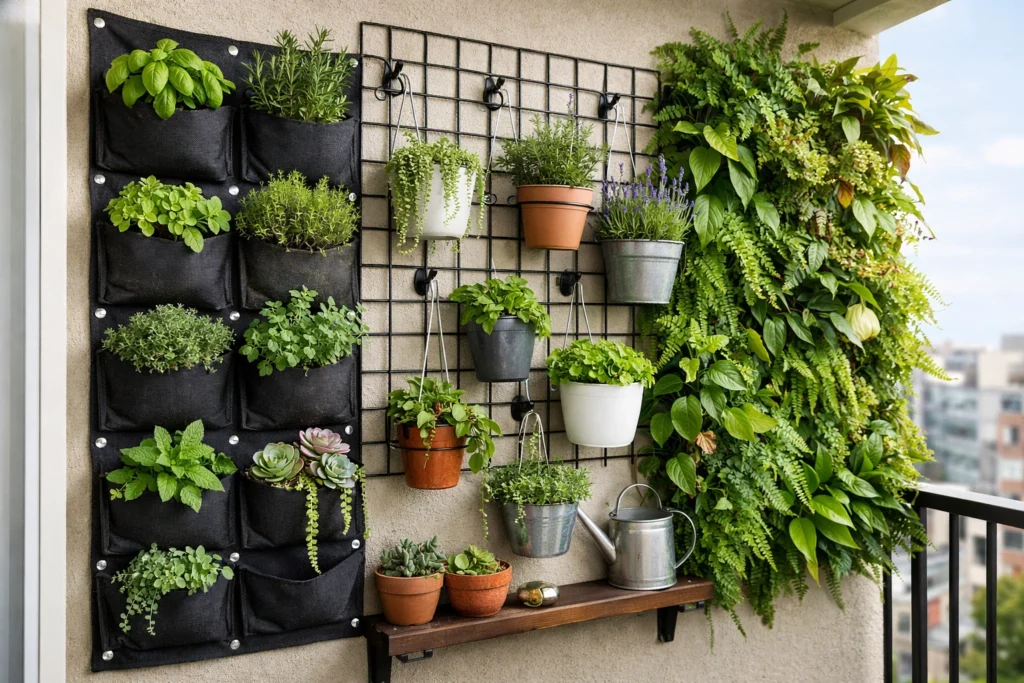
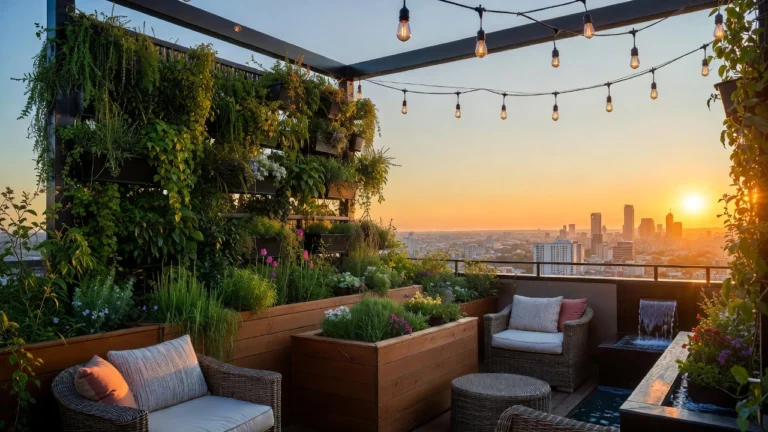
Vertical gardening revolutionizes small balcony spaces by utilizing wall surfaces that typically go unused. Wall-mounted planters, pocket gardens, and modular systems allow you to grow dozens of plants without sacrificing precious floor space. These vertical installations create living walls that serve as both functional gardens and stunning visual focal points. Fabric pocket planters with multiple compartments work beautifully for herbs, succulents, and small flowering annuals. Metal grid systems paired with S-hooks provide flexibility, allowing you to hang various pot sizes and rearrange them as plants grow or seasons change.
Installation requires careful consideration of your balcony’s structure and weight capacity. Most fabric vertical gardens weigh relatively little when dry but can become heavy once saturated with water and filled with plants and soil. Ensure proper mounting into wall studs or use weight-appropriate anchors rated for outdoor conditions. Consider installing vertical gardens on railings rather than walls if weight concerns exist. The vertical approach also improves air circulation around plants, reducing disease pressure while making maintenance tasks like pruning and harvesting more ergonomic since everything remains at accessible heights.
Tiered Plant Stands Creating Layered Displays
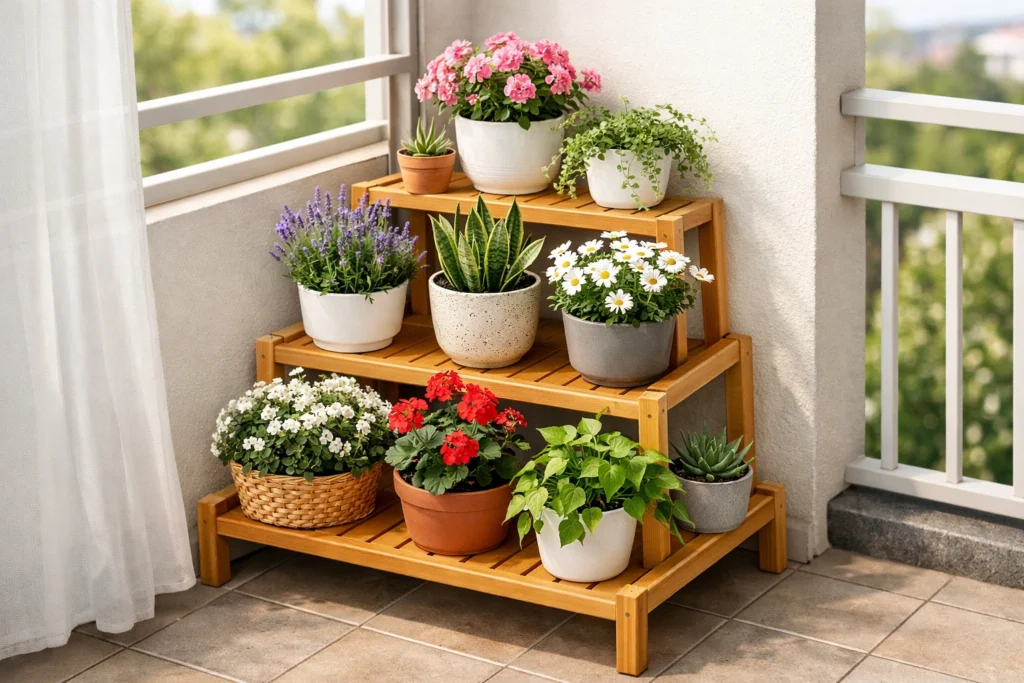
Tiered plant stands multiply your growing area without requiring wall installation, making them ideal for renters or those hesitant to modify their space permanently. These freestanding units range from simple three-tier corner shelves to elaborate multi-level displays that accommodate dozens of containers. The layered arrangement creates visual interest through height variation while ensuring each plant receives adequate light exposure. Position taller, sun-loving plants on upper tiers where they won’t shade lower levels, reserving bottom shelves for shade-tolerant varieties or plants requiring less direct sun.
you may also like this:13 Stunning Outdoor Jacuzzi Ideas for Backyard Luxury
Material selection impacts both aesthetics and durability. Wooden tiered stands complement natural, cottage-style gardens but require weather-resistant treatment or regular maintenance to prevent rot. Metal stands in powder-coated finishes offer contemporary appeal with minimal upkeep, though they may become hot in intense sun. Bamboo provides sustainable middle ground, naturally resisting moisture while maintaining lightweight portability. Look for stands with slatted shelves rather than solid surfaces, promoting drainage and preventing water accumulation that damages both furniture and balcony flooring.
Railing Planters Utilizing Overlooked Space
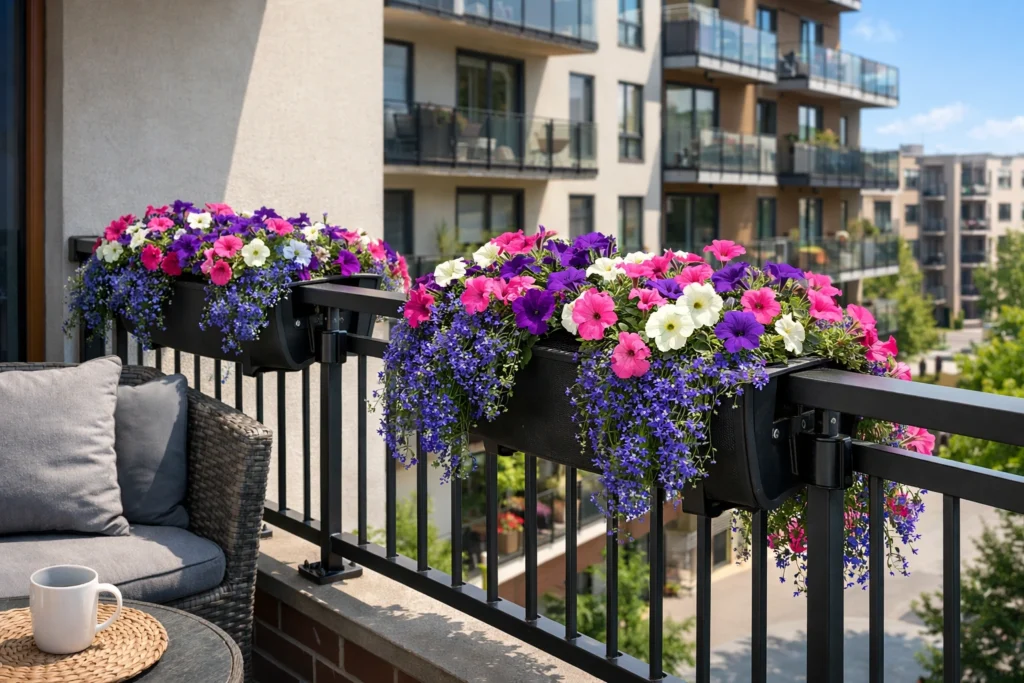
Balcony railings represent prime real estate often overlooked in garden planning. Specialized railing planters attach securely to both the inside and outside of balcony rails, effectively doubling your planting area without occupying floor space. These containers come in various designs including saddle-style boxes that straddle the railing, hook-on pots that hang from horizontal rails, and adjustable brackets accommodating different railing widths and configurations. The placement offers excellent sun exposure for most plants while creating beautiful displays visible from both inside your home and to passersby below.
Safety considerations become paramount when installing railing planters, particularly on upper-floor balconies. Ensure all containers attach securely with mechanisms that won’t fail in strong winds. Many municipalities have regulations regarding items extending beyond balcony perimeters, so verify local codes before installation. Choose lightweight containers and potting mixes to minimize weight stress on railings not designed to support significant loads. Regular inspection of attachment points prevents accidents, especially after severe weather. Railing planters work exceptionally well for trailing plants like petunias, lobelia, or sweet potato vines that cascade beautifully, creating waterfall effects that enhance the balcony’s visual appeal.
Compact Vegetable Container Gardens
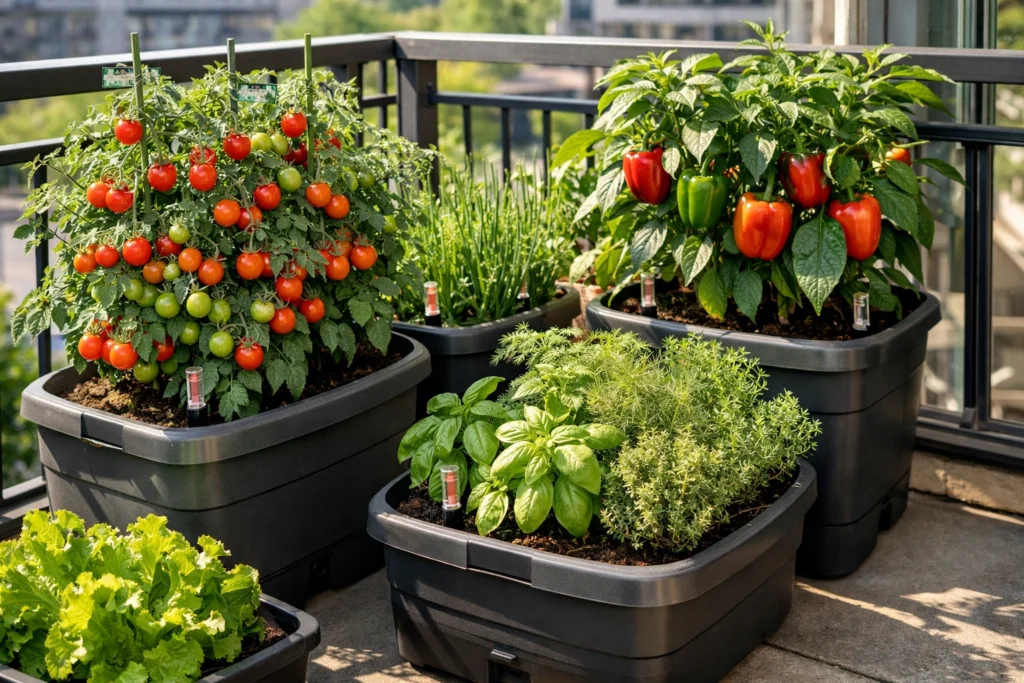
Growing edible plants on small balconies provides fresh produce while maximizing the satisfaction of gardening efforts. Many vegetables thrive in containers when provided adequate soil volume, sunlight, and consistent moisture. Compact bush varieties of tomatoes, peppers, and cucumbers produce abundantly in pots measuring fifteen to twenty inches in diameter. Leafy greens like lettuce, spinach, and arugula grow successfully in shallower containers, making them perfect for limited spaces. Root vegetables including radishes, carrots, and certain potato varieties also adapt well to deep container culture.
Success with balcony vegetables requires matching plant selection to available sunlight. Most fruiting vegetables need six to eight hours of direct sun daily, while leafy greens tolerate partial shade and may actually prefer afternoon shade in hot climates. Succession planting maximizes productivity by replacing spent crops with new plantings throughout the growing season. For instance, early spring lettuce gives way to heat-loving basil, which then transitions to fall crops of kale or chard. Self-watering containers with built-in reservoirs reduce maintenance demands while providing consistent moisture that improves vegetable quality and production. Vertical supports like tomato cages or trellises trained against walls allow vining crops to grow upward rather than sprawling, conserving precious horizontal space.
Herb Gardens in Window Boxes and Small Containers
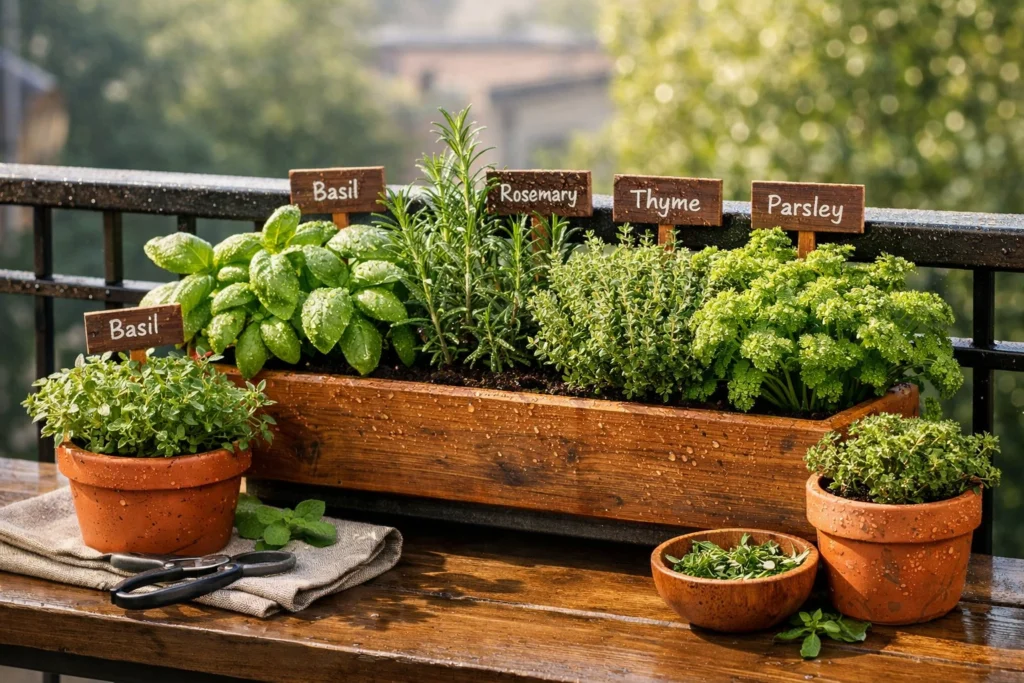
Culinary herb gardens represent one of the most rewarding small balcony projects, providing fresh seasonings steps from your kitchen while requiring minimal space. Most herbs grow enthusiastically in containers, with many preferring the excellent drainage that pots provide over ground planting. Window boxes mounted on balcony railings or walls offer ideal herb cultivation spaces, keeping these frequently used plants within easy reach. Classic herb combinations pair sun-loving basil, rosemary, and thyme together, while shade-tolerant cilantro, parsley, and mint group well for shadier balcony exposures.
Container selection impacts both plant health and aesthetic appeal. Terra cotta pots provide classic beauty and excellent breathability but dry quickly, requiring more frequent watering. Glazed ceramic containers retain moisture longer while offering color and style variety. Plastic pots get unfairly dismissed but modern designs look attractive while providing superior moisture retention and light weight. Group herbs with similar water and light requirements together, separating moisture-loving basil from drought-tolerant rosemary that resents wet feet. Regular harvesting actually benefits most herbs, promoting bushier growth and preventing premature flowering that reduces leaf production. A well-maintained balcony herb garden can supply kitchen needs for multiple people while occupying less than two square feet of space.
Hanging Planters Adding Overhead Interest
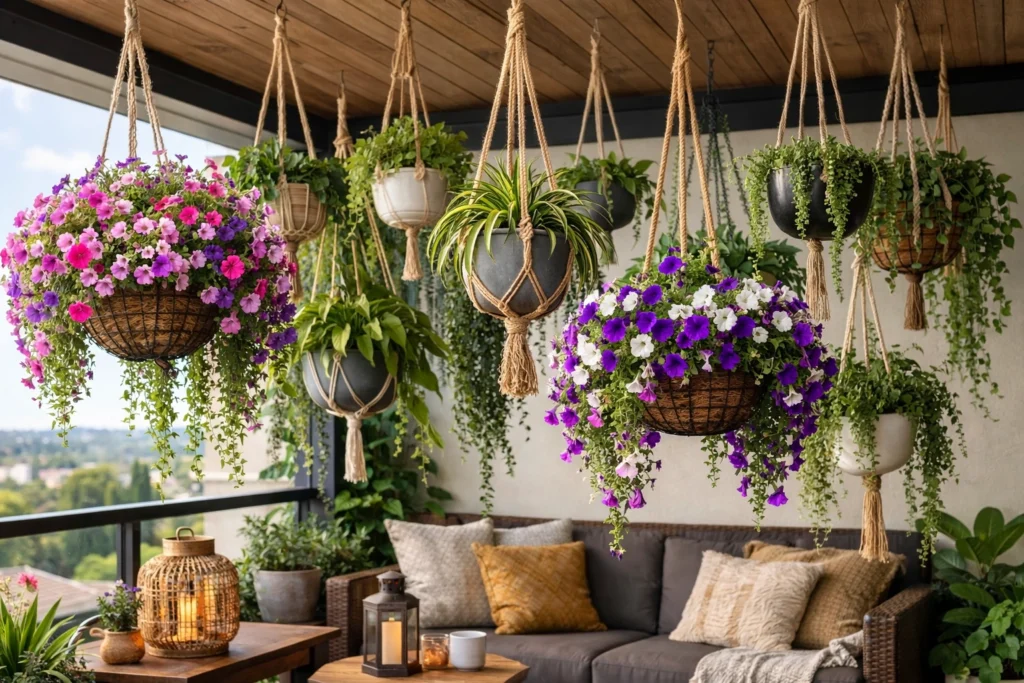
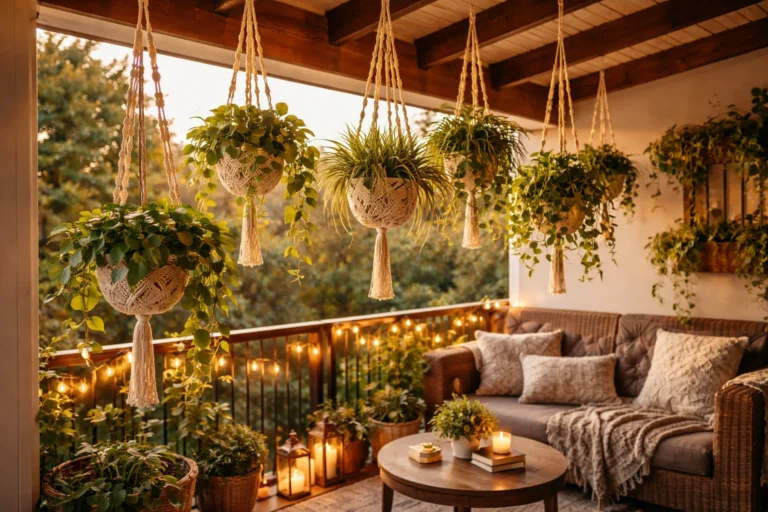
Ceiling-mounted hanging planters utilize the often-forgotten vertical dimension above balconies, creating layers of greenery that draw the eye upward while leaving floor space completely clear. Traditional hanging baskets work beautifully for flowering annuals like petunias, fuchsias, and geraniums that naturally cascade over container edges. Modern macrame plant hangers bring bohemian charm while suspending everything from pothos and spider plants to small succulents. Consider weight carefully when selecting both plants and containers, ensuring ceiling mounting points can support saturated hanging gardens that may weigh twenty pounds or more when fully watered.
Hanging garden placement requires strategic planning to avoid creating hazards or maintenance headaches. Position planters high enough that tall individuals won’t bump their heads but low enough that you can reach for watering and deadheading without ladders. Stagger heights to create visual interest and ensure lower plantings receive adequate light despite overhead gardens. Self-watering hanging planters minimize the mess and frequency of watering tasks, particularly important for overhead positions where water dripping onto furniture or flooring creates problems. Install drip trays beneath traditional hanging baskets, though these can be difficult to empty and may collect debris. Alternatively, water hanging plants early in the day, allowing time for excess moisture to drain before evening use of the balcony.
Corner Shelving Units Maximizing Dead Space
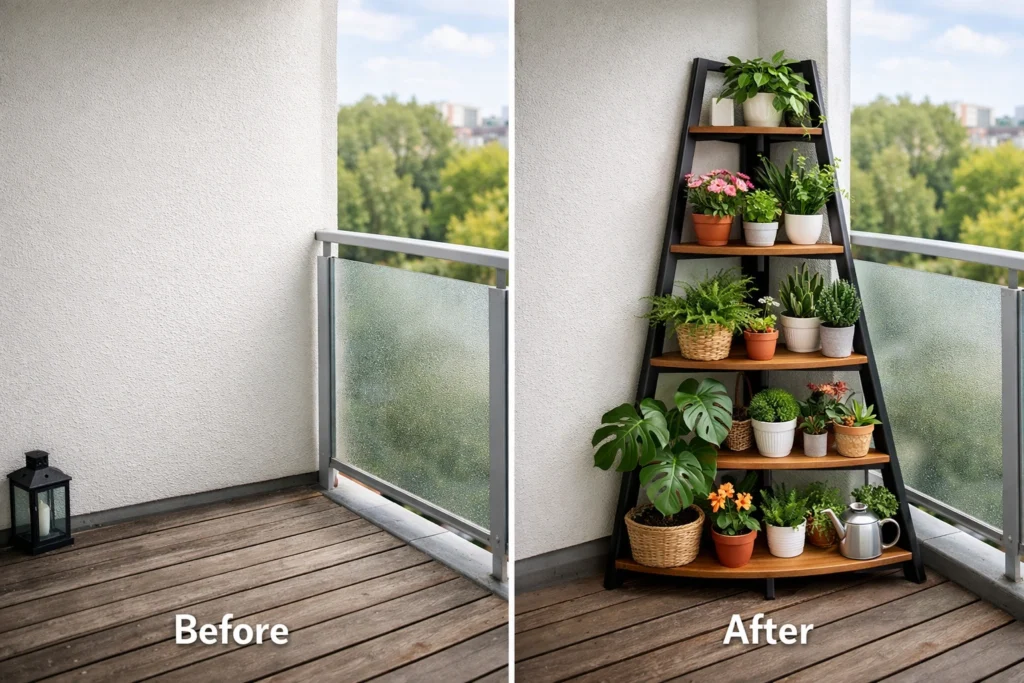
Balcony corners typically go unused, creating dead zones that offer surprising potential when properly equipped. Corner shelving units custom-designed for small spaces fit snugly into these overlooked areas, providing multiple planting levels without extending far into the balcony’s usable area. Triangular corner shelves maximize space efficiency, with each tier measuring just twelve to eighteen inches on each side yet providing ample room for several medium-sized containers. Ladder-style corner units lean against walls, requiring no installation while creating vertical growing space for ten to fifteen plants depending on shelf spacing and pot sizes.
Styling corner gardens creates intimate vignettes that invite closer inspection. Mix plant types and heights to create visual interest, perhaps combining upright specimens with trailing varieties that soften shelf edges. Incorporate decorative elements like small garden statues, solar lights, or collected stones among the plants to develop personality and personal connection. Corner locations often receive different light patterns than the rest of the balcony, potentially offering sheltered microclimates that protect tender plants from wind while concentrating heat for warmth-loving species. Observe light and weather patterns in corner areas before selecting plants, matching varieties to the specific conditions these spaces provide.
Compact Furniture with Integrated Planters
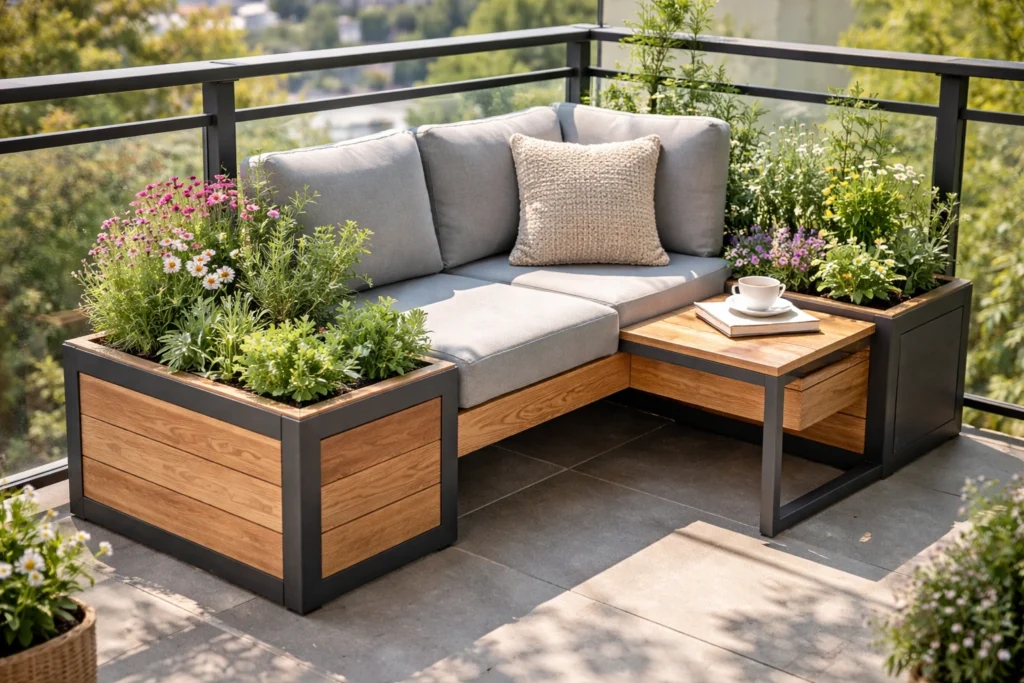
Multi-functional furniture that incorporates planting areas maximizes limited balcony space by serving dual purposes. Planter benches provide comfortable seating with built-in containers flanking both sides or running along the back. These combination pieces create defined seating areas while supporting substantial plant displays that would otherwise require separate stands or tables. Coffee tables with central planter wells offer similar dual functionality, providing surface area for drinks and snacks while showcasing succulents, herbs, or seasonal flowers in the integrated growing space. Some furniture designs feature removable planter inserts, allowing seasonal changes without replacing the entire piece.
When selecting furniture with integrated planters, consider construction quality and material durability carefully. Wooden pieces require weather-resistant wood species like cedar or teak, or high-quality treatments that protect against moisture and UV damage. Metal furniture with integrated planters should feature proper drainage holes and protective coatings preventing rust. Ensure planter components can be accessed for adding or changing soil without dismantling the furniture. Integrated planters typically run shallower than standalone containers, making them better suited for shallow-rooted plants like annuals, herbs, and small perennials rather than deep-rooted vegetables or shrubs requiring extensive soil depth.
Privacy Screens Using Living Plants
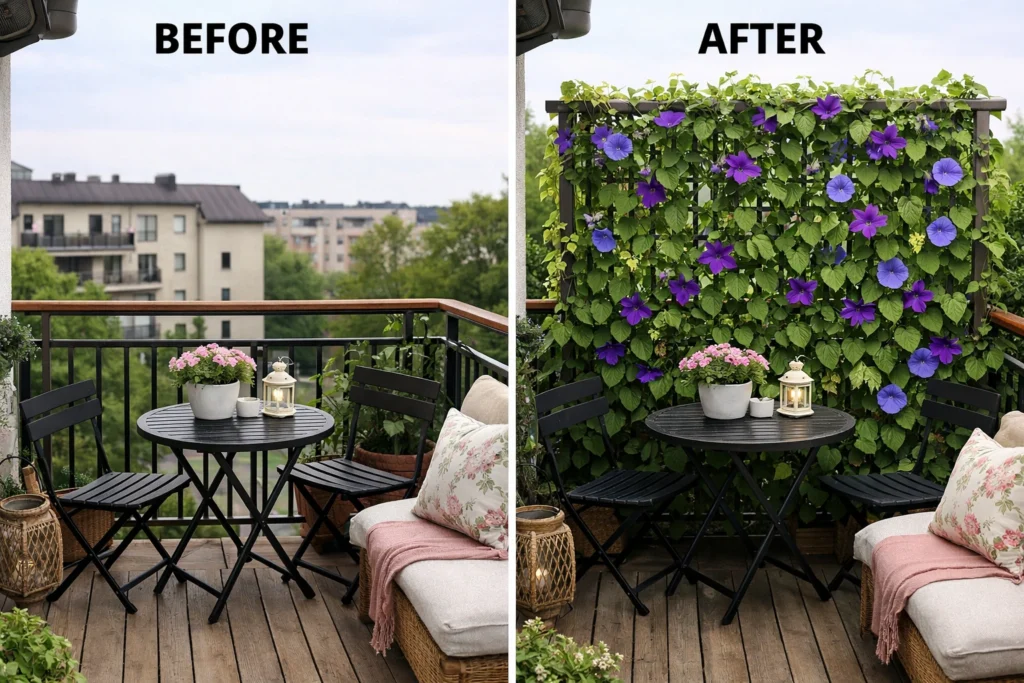
Creating privacy on balconies often proves challenging, particularly in buildings where units face each other at close quarters. Living privacy screens using climbing plants on trellises offer attractive solutions that provide seclusion while adding greenery and softening architectural hardness. Fast-growing annual vines like morning glories, scarlet runner beans, or black-eyed Susan vines create temporary screens that can be removed at season’s end, ideal for renters or those wanting seasonal flexibility. Perennial climbers including clematis, climbing roses, or evergreen jasmine provide permanent screening for those able to maintain plants year-round.
Support structures for climbing privacy screens must be secure and appropriately sized for mature plants. Freestanding trellis systems work well for renters, requiring no installation while providing substantial screening. Wall-mounted trellis panels maximize space efficiency but need proper anchoring to support vine weight, particularly when wind catches the foliage. Ensure adequate container size for climbing plants, as most require substantial root systems to support extensive top growth. A minimum of five gallons provides better results, with ten to fifteen-gallon containers supporting more vigorous climbers. Combine fast-growing annuals with slower-establishing perennials during early years, ensuring immediate privacy while permanent plants develop. Position privacy screens strategically, blocking sightlines from neighboring balconies while maintaining your own views of desirable scenery.
Seasonal Color with Succession Planting
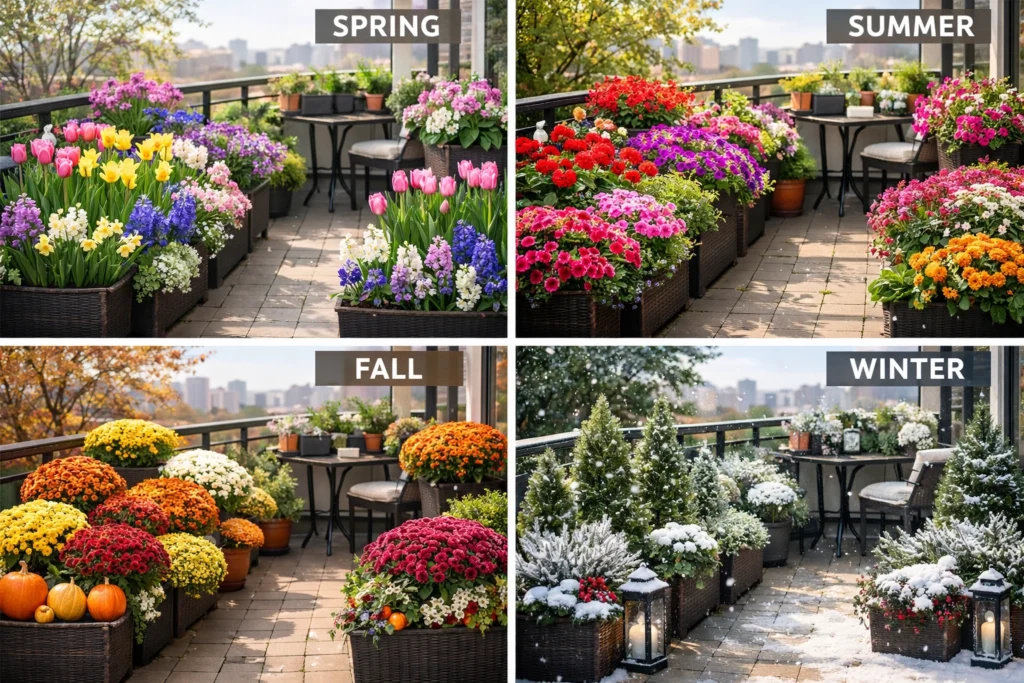
Maintaining year-round interest on small balconies requires planning seasonal rotations that keep the space looking fresh and appealing through changing weather. Succession planting involves replacing spent plants with new varieties suited to upcoming seasons, creating evolving displays that never look tired or neglected. Spring bulbs in containers provide early color, transitioning to summer annuals like petunias, zinnias, and marigolds that thrive in heat. As temperatures cool, replace heat-stressed summer plants with cold-tolerant pansies, ornamental kale, and chrysanthemums that actually improve in fall weather.
Winter balcony gardens in temperate climates showcase evergreens, winter-blooming plants, and decorative elements like berry-laden branches or pine cones. In colder regions where active plant growth ceases, focus on containers themselves as decorative elements, using attractive pots, seasonal arrangements of branches, and outdoor-safe decorations to maintain visual interest. Purchase plants in various sizes throughout the year, buying smaller specimens when budget-conscious and splurging on larger, instant-impact plants for special occasions or when time doesn’t permit waiting for growth. Keep records of what worked each season, noting successful varieties, planting times, and combinations that provided particularly pleasing results for reference in future years.
Balcony Lighting Creating Ambiance and Extending Use
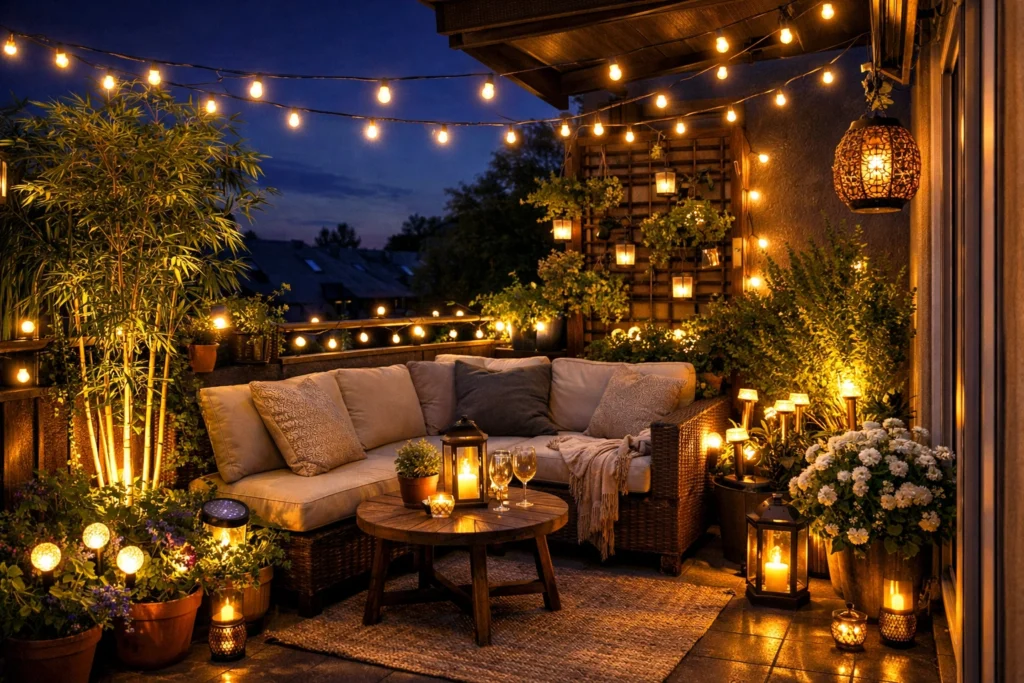
Proper lighting transforms balcony gardens from daytime retreats into enchanting evening spaces while supporting plant health when needed. String lights remain perennial favorites, creating instant atmosphere with minimal installation. Solar-powered options eliminate electrical complications while reducing energy costs. LED technology provides long-lasting, energy-efficient illumination in various colors and styles. Beyond aesthetic considerations, supplemental lighting can extend growing seasons or support plants in lower-light balcony conditions. Small LED grow lights designed for indoor gardening adapt easily to balcony use, helping seedlings or shade-tolerant houseplants summer outdoors.
Strategic light placement highlights specific plants or architectural features while providing functional illumination for evening enjoyment. Uplighting from below creates dramatic effects, particularly effective with specimen plants or trailing varieties in hanging baskets. Downlighting from above mimics natural light, providing comfortable ambient illumination for reading or dining. Accent lights focused on particular containers or vertical gardens draw attention to prized plants or seasonal displays. Consider light pollution and neighbor impacts when planning balcony lighting, choosing fixtures that direct illumination into your space rather than bleeding into adjacent units. Timer controls or smart lighting systems automate on and off cycles, ensuring consistent schedules while eliminating the need to manually manage multiple fixtures daily.
Portable Container Gardens on Wheels
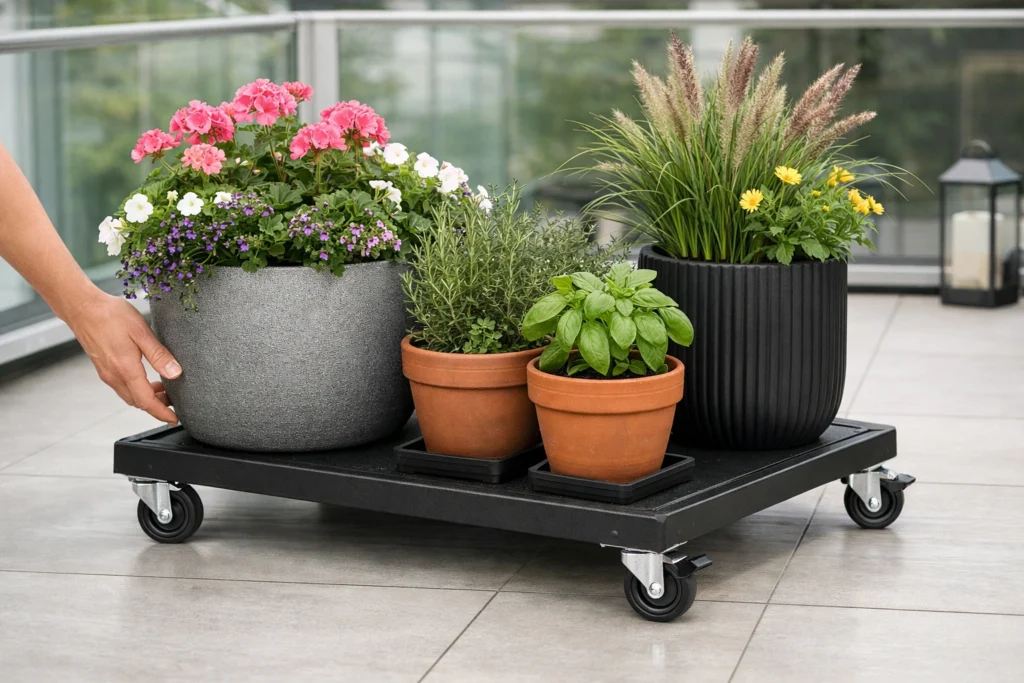
Movable container gardens mounted on wheeled platforms provide remarkable flexibility in small balcony spaces. This approach allows repositioning plants to track the sun throughout the day or seasons, optimize views from inside, accommodate furniture arrangement changes, or clear space for activities like outdoor dining or entertaining. Purpose-built plant caddies with locking casters support individual large containers, while custom-built platforms can hold multiple smaller pots creating portable vignettes. The mobility proves particularly valuable for heavy containers that would otherwise be difficult to move once filled with soil and plants.
Select wheels rated for the expected weight load, accounting for containers, soil, plants, and water. Locking mechanisms prevent unwanted rolling, particularly important on sloped balconies or in windy conditions. Consider the balcony surface when choosing wheel types, using larger diameter wheels for rough surfaces and smaller ones on smooth flooring. Create themed portable gardens like a movable herb collection, a rolling succulent display, or a wheeled miniature rose garden that can be showcased prominently during peak bloom or tucked aside when attention turns elsewhere. The portability also simplifies bringing tender plants indoors during extreme weather or winter, protecting investments while extending growing seasons.
Conclusion
Small balcony gardens prove that space limitations need not restrict your gardening ambitions or the beauty you can create outdoors. The twelve ideas presented here demonstrate how vertical thinking, smart container choices, and strategic plant selection transform even the most compact balconies into flourishing green spaces. Whether you prioritize growing food, creating floral displays, establishing privacy, or simply surrounding yourself with nature, these approaches provide frameworks for success.
Starting a balcony garden requires honest assessment of your specific conditions including sunlight patterns, weight restrictions, and climate realities. Begin with one or two concepts that resonate most strongly, mastering those approaches before expanding. Container gardening’s inherent flexibility means mistakes rarely prove permanent, and experimentation often yields the most personally satisfying results. Involve family members or roommates in the process, turning balcony gardening into a shared activity that strengthens connections while creating beauty.
Remember that successful gardens develop over time rather than appearing fully formed overnight. Be patient with yourself and your plants as you learn what thrives in your particular conditions. Join online communities or local gardening groups to share experiences, troubleshoot challenges, and celebrate successes. Your small balcony garden will evolve each season, reflecting your growing knowledge and changing preferences. The investment of time, creativity, and modest resources yields returns far beyond the plants themselves, creating an outdoor sanctuary that nourishes both body and spirit while proving that great gardens come in all sizes.
Frequently Asked Questions
What are the best plants for a small balcony garden?
The best plants for small balconies depend on your sunlight exposure and gardening goals. For sunny balconies receiving six-plus hours of sun, consider tomatoes, peppers, herbs like basil and rosemary, petunias, geraniums, and succulents. Shady balconies support impatiens, begonias, ferns, hostas, and leafy greens like lettuce and spinach. Prioritize compact or dwarf varieties specifically bred for container growing, and consider your maintenance capacity when choosing between annuals requiring seasonal replanting versus perennials that return year after year.
How much weight can a typical apartment balcony support?
Most apartment balconies are designed to support fifty to sixty pounds per square foot, though this varies significantly based on building age, construction method, and local codes. A five-gallon container with wet soil and a mature plant can easily weigh forty to fifty pounds. Before creating extensive container gardens, consult your building management about specific weight limits and distribute weight evenly across the balcony surface rather than concentrating it in one area. Consider using lightweight potting mixes specifically formulated for containers rather than heavy garden soil.
How do I water a balcony garden efficiently?
Efficient balcony watering starts with proper container selection including adequate drainage holes. Self-watering containers with built-in reservoirs reduce watering frequency while providing consistent moisture. Water early in the day to minimize evaporation and allow foliage to dry before evening, reducing disease risk. Consider installing a simple drip irrigation system with a timer for consistent automated watering, particularly valuable during vacations or busy periods. Group plants with similar water needs together, and use moisture meters to avoid overwatering which kills more container plants than underwatering.
Can I grow vegetables year-round on my balcony?
Year-round vegetable production depends on your climate and balcony orientation. In mild winter regions, cold-hardy vegetables like kale, chard, lettuce, and Asian greens continue producing through winter months. Cold climate gardeners can extend seasons using mini greenhouses, cold frames, or row covers protecting containers during freezes. Some dedicated gardeners bring containers indoors or invest in supplemental lighting supporting winter production. Focus on cool-season crops during fall and winter, transitioning to warm-season vegetables as temperatures rise. Even in harsh climates, strategically planned successions can produce fresh vegetables eight to ten months annually.
Do I need permission from my landlord to create a balcony garden?
Most lease agreements and building codes address balcony use, and gardening typically falls within permitted activities assuming you don’t cause damage or create hazards. However, review your lease carefully regarding weight limits, railing attachments, and modifications like installing hooks or shelving. Inform building management of your plans, particularly if installing anything permanent or creating extensive gardens. Maintain good balcony drainage to prevent water damage to lower units, and ensure pots and accessories stay secured during storms. Most landlords appreciate tenants who improve outdoor spaces responsibly, but clear communication prevents misunderstandings and potential deposit disputes when moving.

One Comment