16 Genius Parking Strip Landscaping Ideas to Transform Small Spaces
Tiny outdoor spaces can hold surprising design power.
The smallest strip can become the most eye-catching detail.
That transformation starts with smart planning and visual creativity.
If you have been wondering how to make parking strip landscaping feel stylish instead of neglected, you are in the right place. This collection explores 16 practical and inspiring ideas designed for narrow curb side spaces that often feel difficult to style. From soft cottage blooms to sculptural rock gardens and clean modern layouts, each approach focuses on beauty, function, and lasting curb appeal. In my experience, these overlooked spaces create some of the biggest visual impact when treated thoughtfully. Whether your style feels natural, minimalist, or colourful, these ideas can help turn an ordinary strip into a space worth admiring, saving, and sharing.
Layered Gravel Edge
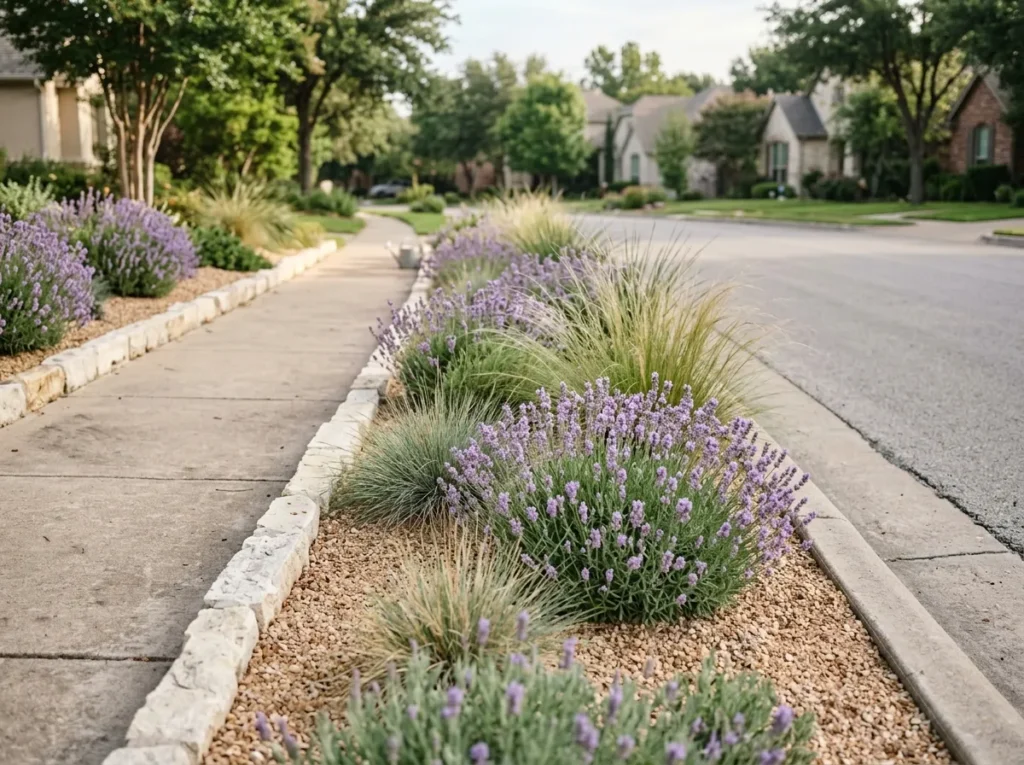
Small edges often hold the biggest design potential. A layered grass and gravel border creates movement without overwhelming a narrow curb side space. Soft ornamental grasses sway gently above gravel, while low flowering plants keep the layout tidy and balanced. This combination works especially well beside sidewalks because it reduces visual clutter and feels intentionally designed. In my experience, gravel also makes maintenance feel less demanding than traditional turf. The contrast between airy foliage and grounded stone gives even compact areas a polished appearance that photographs beautifully and feels calm throughout changing seasons.
Fresh texture can completely change how a forgotten strip of land feels. Layering heights draws the eye upward and makes the area appear wider than it really is. Gravel improves drainage and helps define planting zones, while grasses soften hard pavement edges. Homeowners often appreciate how this setup tolerates heat and foot traffic better than delicate groundcovers. I’ve noticed that repeating just two or three plant varieties keeps the result cohesive rather than busy. The finished space feels airy, welcoming, and surprisingly refined without requiring oversized plants or expensive materials.
Stone Path Border
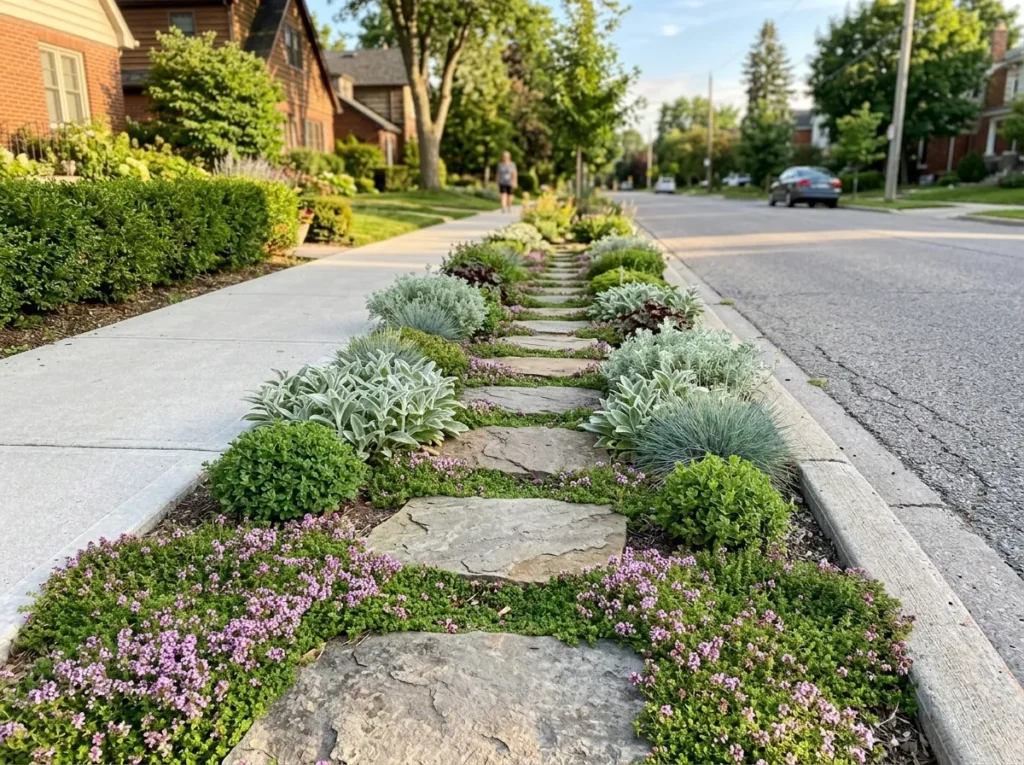
Unexpected structure makes parking strip landscaping feel thoughtfully planned. A stone-lined border introduces rhythm and gives narrow planting zones a custom look without demanding complex construction. Flat stepping stones surrounded by low greenery create clear visual pathways and help organize the space. This idea works beautifully near sidewalks because it guides the eye and prevents the planting area from feeling random. I’ve seen this work well in both modern and cottage-inspired homes. The layered textures of stone and foliage create depth, helping a modest strip appear more substantial and visually grounded.
Design details feel more memorable when they combine beauty with purpose. Stone accents provide durable surfaces that withstand weather, while low plants soften the overall composition and reduce bare soil exposure. Compact plantings also make trimming and seasonal clean up simpler for busy households. Repeating similar shapes throughout the border keeps the design cohesive and easier to style around existing landscaping. Many designers recommend limiting materials in tight spaces so every element feels intentional. The result is a clean, curated edge that adds character and boosts curb appeal without appearing overcrowded.
Wildflower Ribbon
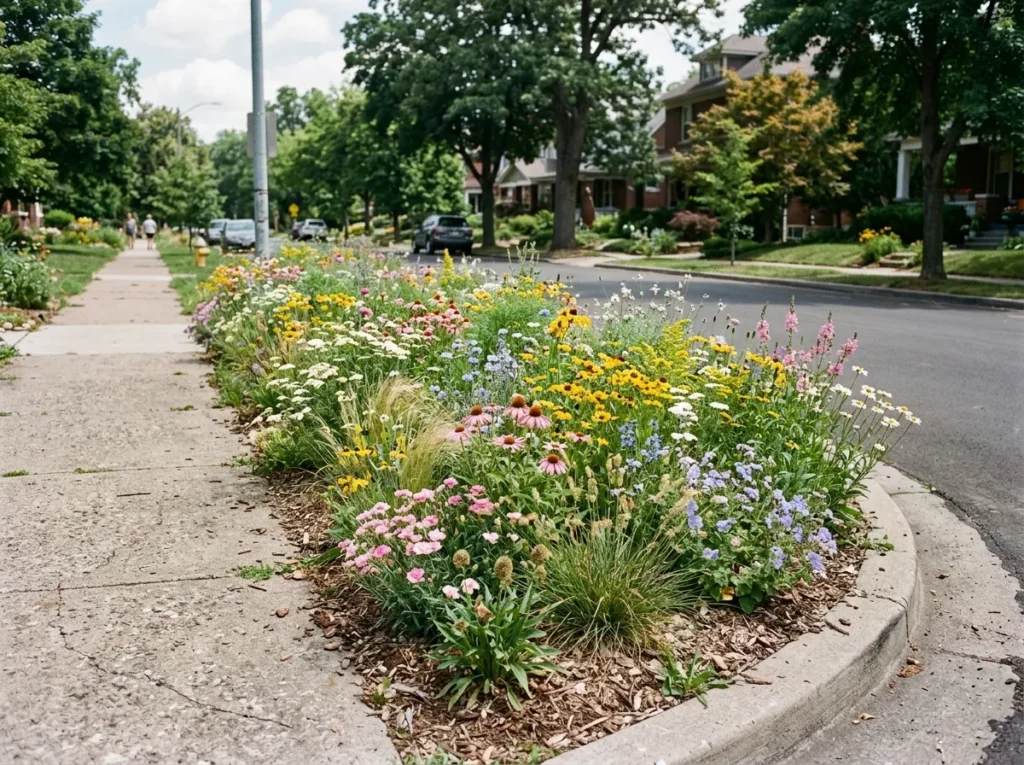
Colour has a remarkable way of making compact landscapes feel alive. A ribbon of native wildflowers brings softness and personality to narrow roadside spaces while supporting seasonal interest. Mixing bloom heights and colours creates a relaxed, layered effect that feels natural rather than overly arranged. This approach suits homeowners who enjoy movement and changing scenery throughout the year. In my experience, choosing regionally adapted flowers often improves resilience and reduces frustration. The visual impact feels cheerful and welcoming, turning an overlooked strip into a vibrant feature that catches attention from the street.
Small planting areas do not need rigid symmetry to feel beautiful. Wildflower groupings create an easy going atmosphere and soften hard lines created by pavement and curbs. Seasonal blooming cycles add variety, ensuring the space never looks static or dull. Pollinator-friendly planting also adds subtle movement as butterflies and bees visit throughout warmer months. I’ve noticed that leaving small pockets between clusters prevents overcrowding and keeps maintenance manageable. The finished design feels lively, relaxed, and deeply connected to the surrounding environment while still looking intentional and visually balanced from several viewing angles daily.
Succulent Strip
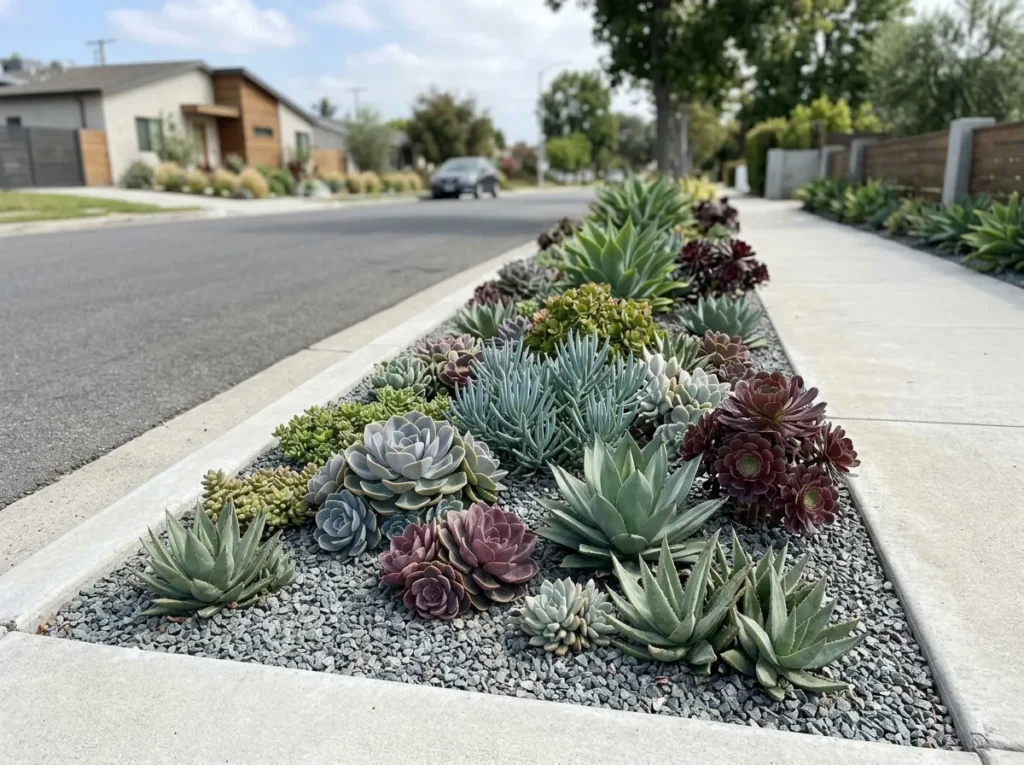
Bold texture can make a tiny space feel surprisingly designed. A succulent-focused strip brings sculptural shapes and calming colour variation to narrow roadside areas. Rosette forms, gravel, and simple edging create strong visual contrast without overcrowding the layout. This idea works especially well in warmer climates or sunny spots where traditional grass struggles. I’ve noticed that mixing just a few succulent varieties creates a cleaner and more elevated look. The layered shapes naturally attract attention while keeping the planting strip tidy, making it feel modern, intentional, and refreshingly different from surrounding landscapes.
Minimal planting does not have to feel empty or cold. Succulents introduce subtle drama through form, texture, and colour shifts that remain attractive across seasons. Gravel mulch helps reduce weeds and reinforces the clean design aesthetic, while compact plants leave room for air and definition. Homeowners often appreciate how manageable this setup feels during busy weeks. That is why many designers recommend sculptural plants for tight spaces where every detail matters. The finished area feels refined, low-stress, and visually memorable without demanding oversized planting budgets or constant maintenance routines.
Brick Garden Line
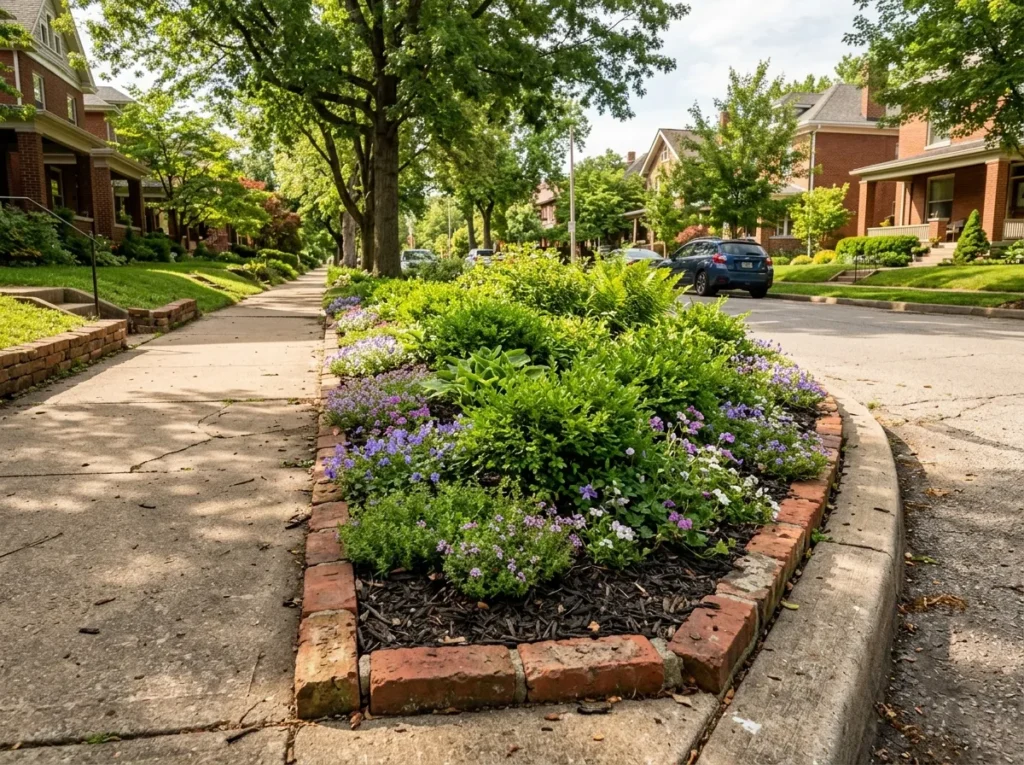
Classic materials often make small spaces feel established and welcoming. A brick-edged garden line frames the planting strip with warmth and structure while giving greenery a clear visual boundary. The gentle texture of weathered brick contrasts beautifully with foliage and mulch, creating a layered appearance that feels grounded. This style suits traditional homes especially well but can soften newer architecture too. In my experience, edging instantly makes roadside planting look more intentional. Even simple flowers and shrubs appear thoughtfully arranged when surrounded by materials that provide shape, rhythm, and subtle architectural interest.
Defined borders can completely change how a narrow landscape is perceived. Brick edging keeps mulch and soil contained, helping the space stay cleaner and easier to maintain over time. Pairing the border with compact shrubs or flowering groundcovers prevents the strip from feeling sparse or unfinished. I’ve seen homeowners enjoy how this detail creates instant curb appeal without major renovation work. Repeating brick tones already found in the home exterior often strengthens the overall visual connection. The result feels balanced, welcoming, and comfortably polished from the sidewalk to the street edge.
Native Plant Mix
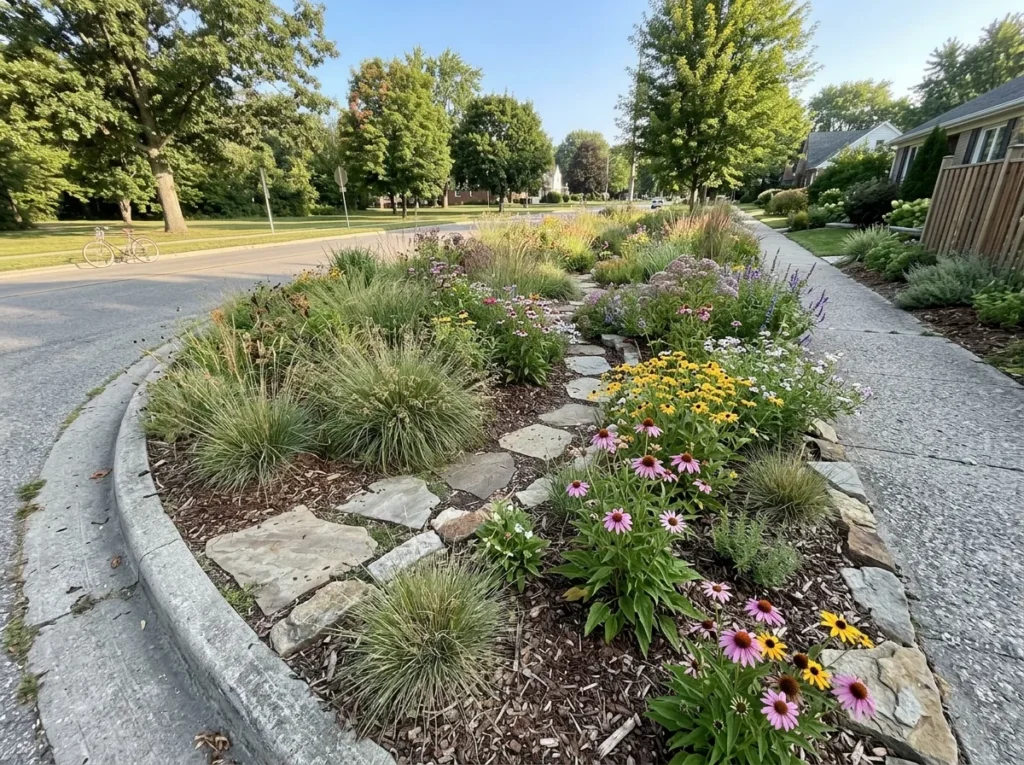
Natural beauty feels especially convincing when plants look at home in their surroundings. A native planting mix creates layered texture and seasonal movement while blending gracefully with local conditions. Combining grasses, flowering perennials, and low greenery keeps the design visually rich without feeling overly styled. This approach works well for homeowners wanting beauty with practical resilience. I’ve tried similar combinations and noticed they often settle into the landscape more naturally than imported varieties. The layered effect feels relaxed and welcoming, helping curb side spaces appear fuller, softer, and more connected to the surrounding environment.
Thoughtful planting choices can reduce maintenance while improving visual depth. Native varieties often adapt more comfortably to local weather patterns, helping the garden remain attractive through seasonal shifts. Repeating similar foliage shapes creates continuity and prevents the narrow strip from looking chaotic. Homeowners also appreciate how layered planting provides interest from multiple viewing angles near sidewalks and driveways. When designed carefully, this style supports both aesthetics and function without sacrificing personality. The finished space feels established, easy going, and genuinely rooted in place while still delivering strong curb appeal and lasting visual appeal.
Lavender Drift
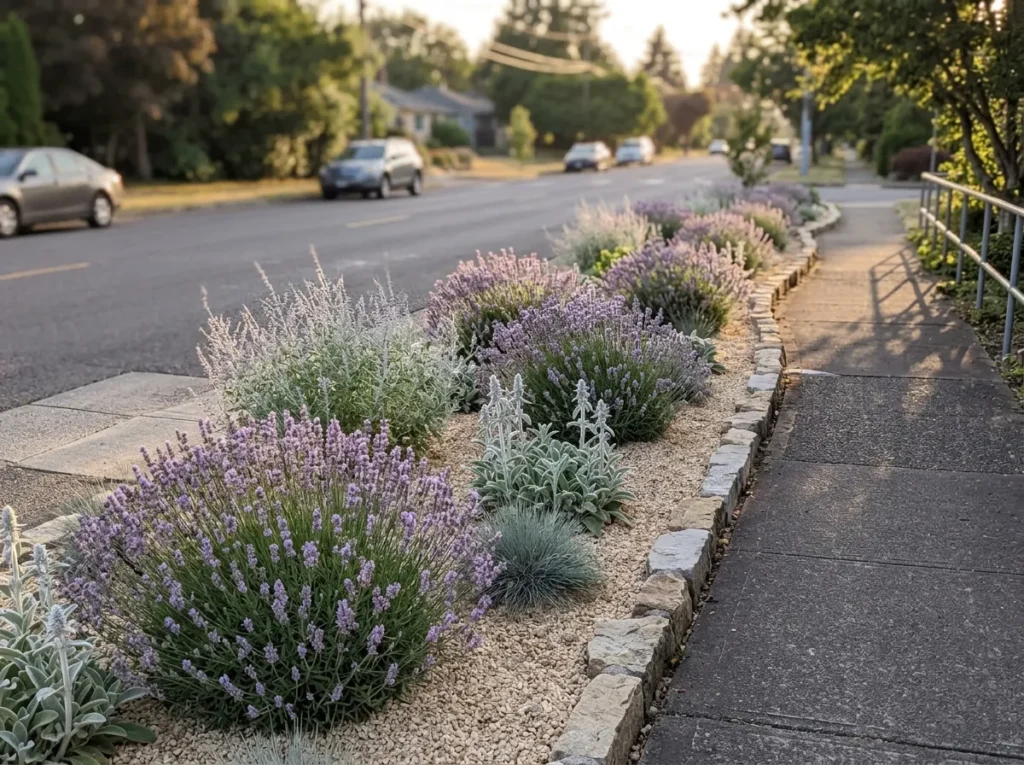
Soft colour can instantly make a narrow outdoor space feel more welcoming. A lavender-focused planting strip introduces gentle movement, fragrance, and muted colour that complements sidewalks and driveways beautifully. Rounded plant shapes create natural rhythm while keeping the layout visually calm and organized. This idea feels especially inviting near entry paths or front-facing streets. In my experience, repeating lavender throughout the strip prevents the design from feeling fragmented. The combination of silver foliage and purple blooms creates a soothing landscape that feels airy, elegant, and intentionally designed without requiring complicated planting plans or oversized materials.
Simple planting choices often create the strongest visual impact. Lavender works beautifully beside gravel, stone, or concrete because its soft form balances harder surfaces naturally. Seasonal blooms add colour while evergreen foliage keeps the space attractive beyond flowering months. I’ve noticed that leaving slight spacing between clusters allows plants to breathe and maintains a cleaner appearance as they mature. Homeowners often appreciate how this design feels polished without becoming formal or demanding. The finished strip feels fresh, graceful, and quietly memorable, transforming overlooked curb side space into a calming visual feature that enhances the entire frontage.
Mini Rock Garden
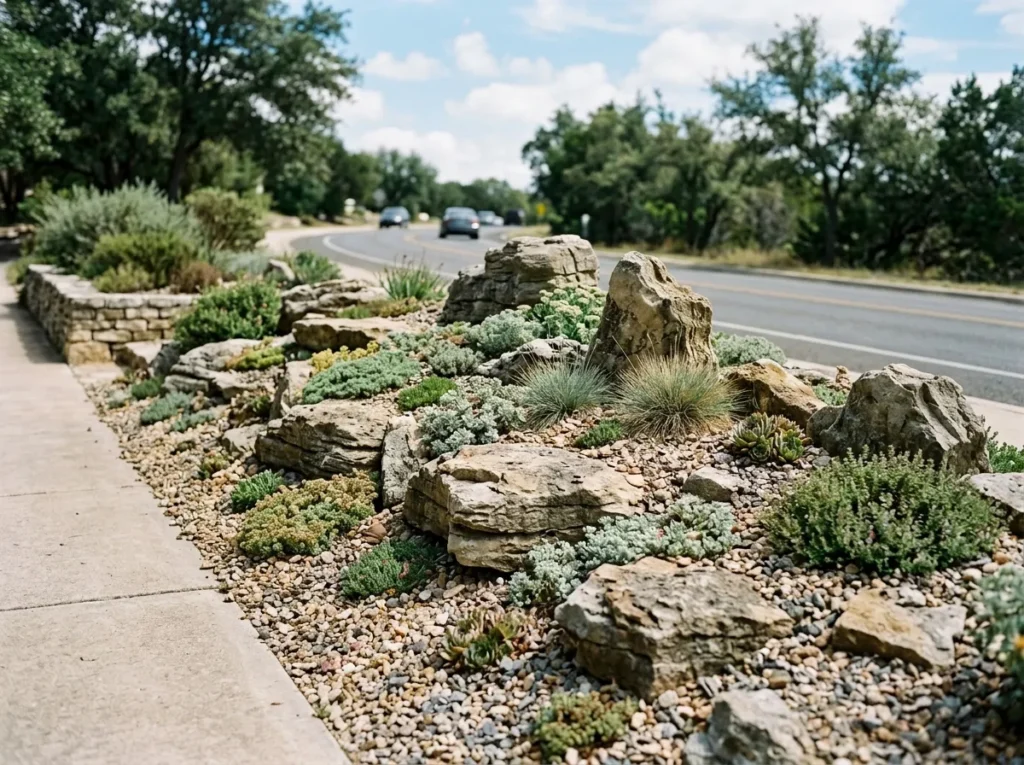
Unexpected texture can make even the smallest landscape feel thoughtfully designed. A mini rock garden introduces layered stone, compact greenery, and subtle elevation that immediately adds dimension to a narrow strip. Large and small rocks work together to create movement while allowing plants to stand out more clearly. This style feels especially effective beside straight pavement because it introduces organic contrast and visual depth. I’ve seen this work well where traditional lawn areas struggle or feel impractical. The balance between rugged stone and soft planting creates a grounded, artistic look that feels carefully arranged rather than crowded.
Strong visual structure often matters more than plant quantity. Rock gardens rely on shape, spacing, and texture to create interest, making them ideal for tight spaces with limited planting room. Gravel and stone also help reduce maintenance while keeping the design neat through changing weather conditions. Homeowners frequently enjoy how this approach remains attractive year-round with minimal seasonal decline. Choosing a restrained palette of stone and greenery keeps the space cohesive and refined. The finished result feels sculptural, durable, and visually layered, proving that compact roadside areas can still deliver impressive personality and curb appeal.
Groundcover Carpet
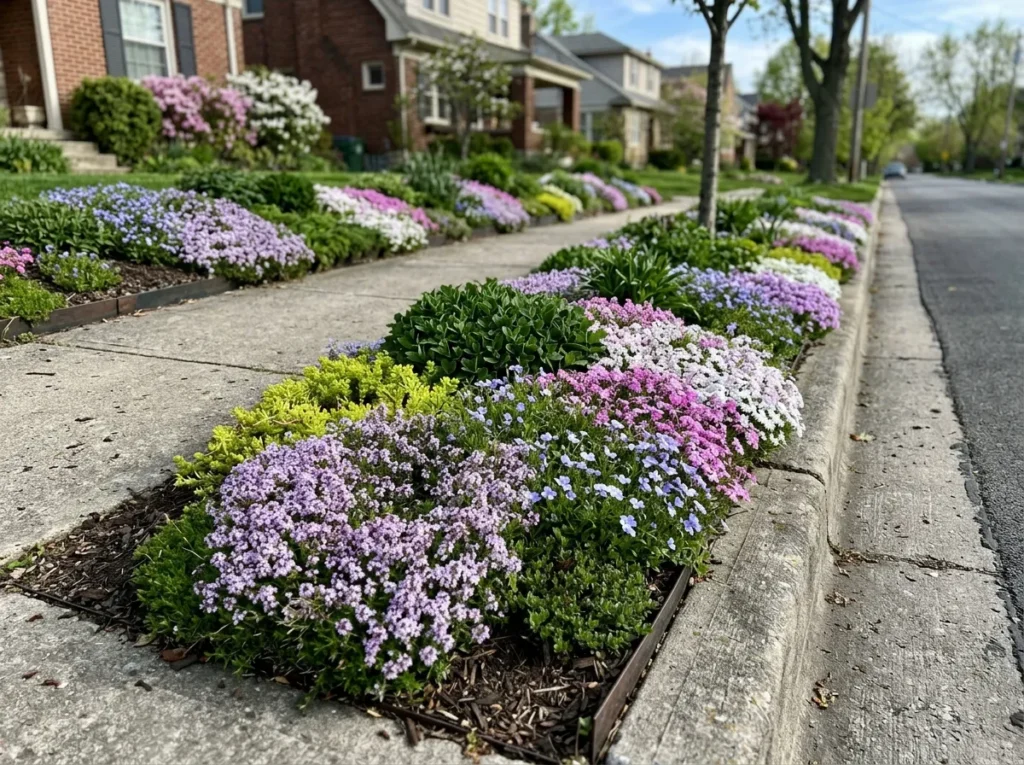
Lush greenery can make a slim roadside area feel fuller than expected. A groundcover-focused layout creates a soft carpet of texture that visually expands narrow planting strips and reduces harsh empty spaces. Low-growing plants flow together naturally, creating a smooth and cohesive appearance beside pavement. This approach works especially well for homeowners seeking a softer look without tall shrubs or dramatic layering. I’ve noticed that repeating one or two groundcover varieties keeps the space visually calm and easier to manage. The result feels fresh, tidy, and surprisingly substantial despite the compact footprint.
Continuous planting often creates a stronger impression than scattered accents. Groundcovers help retain moisture, soften soil exposure, and provide lasting greenery that looks intentional throughout the year. Their low profile keeps sightlines open while still delivering texture and colour near sidewalks and curbs. Homeowners frequently appreciate how the strip appears more complete and less patchy with dense planting coverage. Pairing foliage textures carefully adds subtle depth without making the design feel busy. The finished landscape feels balanced, welcoming, and comfortably maintained while giving narrow curb side areas a softer and more connected visual identity.
Modern Grid Beds
Clean lines can completely reshape how a narrow outdoor area feels. A grid-style planting layout introduces order and modern structure to curb side spaces that might otherwise appear uneven or overlooked. Dividing the strip into repeating sections creates rhythm while allowing compact shrubs and gravel to stand out with clarity. This style feels especially effective beside contemporary homes or minimalist architecture. In my experience, structured layouts make small spaces appear more purposeful and refined. The strong geometry creates visual confidence while keeping the overall design calm, open, and easy to understand from the street.
Simple repetition often delivers the most polished result. Grid layouts encourage restraint by limiting plant choices and emphasizing spacing rather than overcrowding. Gravel and edging reinforce the clean arrangement while helping define each section clearly. I’ve noticed that homeowners enjoy how organized this design feels during every season, even when plants are not blooming heavily. Consistent spacing also simplifies upkeep and maintains a tidy appearance over time. The finished strip feels modern, tailored, and surprisingly spacious, proving that thoughtful structure can make compact landscaping feel sophisticated and memorable.
Shade Garden Strip
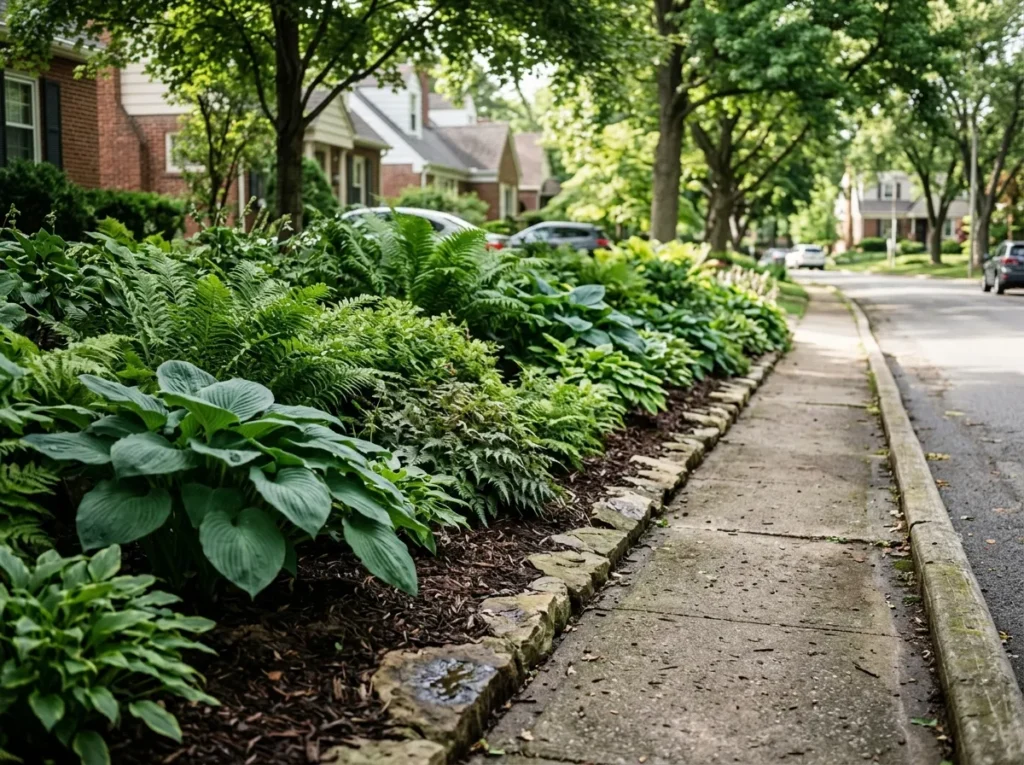
Shaded spaces deserve just as much design attention as sunny areas. A foliage-rich shade garden introduces layered greenery and calming texture where flowering plants may struggle. Ferns, broad leaves, and deep mulch create softness that contrasts beautifully with concrete and curbs. This idea feels particularly inviting beneath mature trees or partially shaded streets. I’ve seen this work well when homeowners stop fighting shade and instead design around it. The rich textures create depth and comfort, helping narrow spaces feel cooler, fuller, and more intentionally landscaped without depending heavily on seasonal blooms.
Texture becomes the true highlight in shaded gardens. Layered foliage creates visual richness that feels elegant and timeless while keeping the space grounded and natural. Dark mulch and stone edging strengthen contrast and help greenery appear even more vibrant. Homeowners often appreciate how this approach brings life to difficult planting areas without requiring constant adjustment. Repeating leaf shapes carefully prevents visual clutter and keeps the narrow strip cohesive. The finished landscape feels lush, calming, and comfortably established, transforming overlooked shade into a refreshing feature that enhances the overall outdoor setting.
Mulch And Boulders
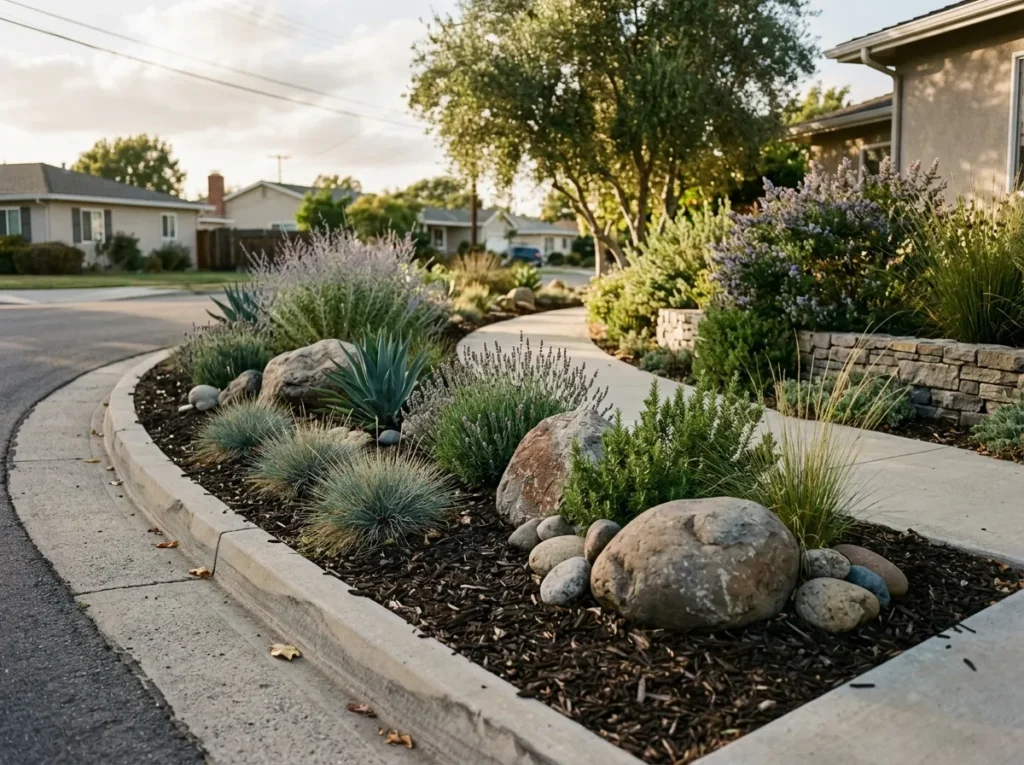
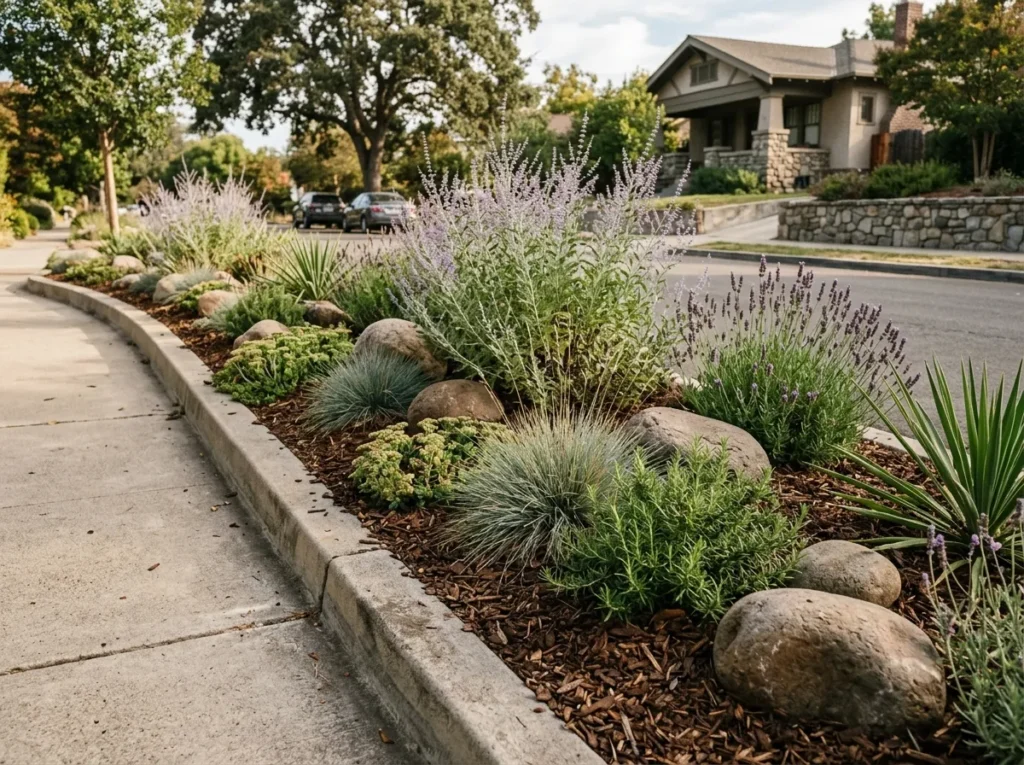
Strong contrast can make a narrow landscape feel instantly more substantial. Pairing mulch with carefully placed boulders creates a grounded design that feels natural yet intentionally arranged. Large stones anchor the space visually while surrounding greenery softens their presence and adds movement. This setup works especially well in compact areas where too many plants can feel crowded. I’ve noticed that one or two statement stones often create greater impact than filling every inch with planting. The mix of organic materials and open spacing gives the strip depth, texture, and lasting curb appeal.
Simple landscapes often remain the most visually enduring. Dark mulch creates a clean backdrop that highlights both stone and foliage while helping the area feel cohesive. Boulders introduce shape and permanence, making the space appear more designed and less temporary. Homeowners frequently appreciate how this style stays attractive through seasonal changes with relatively little effort. Choosing stones with natural texture and balanced scale keeps the arrangement believable rather than overly decorative. The finished curb side area feels calm, grounded, and visually confident while maintaining an approachable and low-stress character.
Cottage Bloom Edge
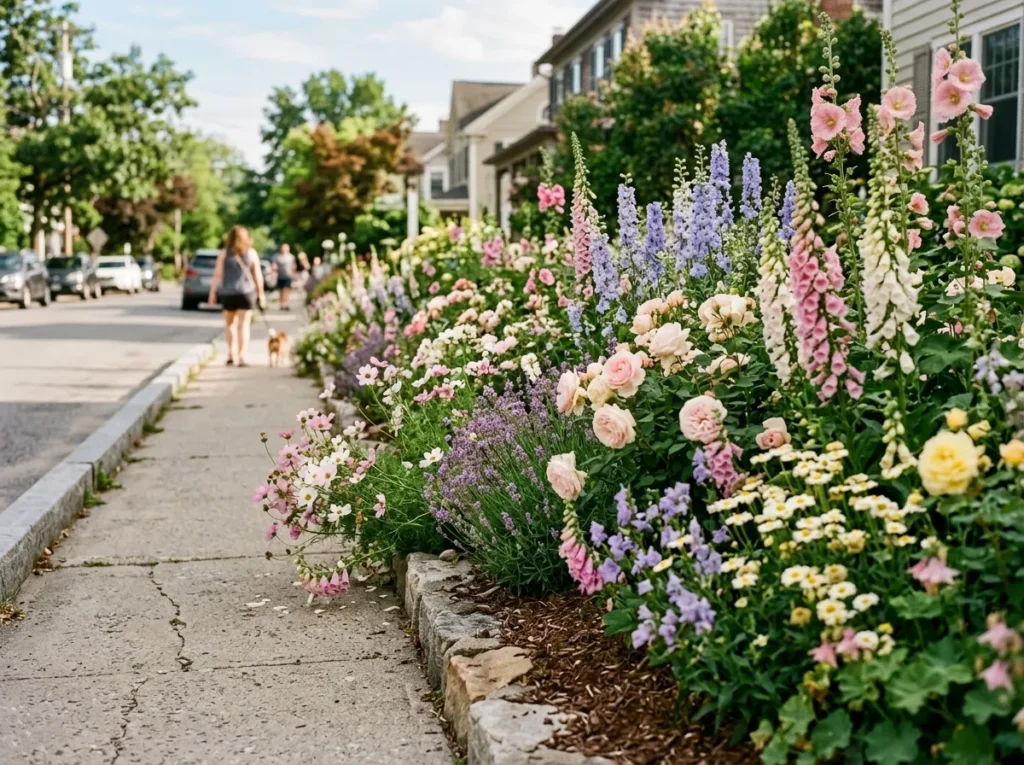
Overflowing blooms can make a narrow roadside strip feel unexpectedly magical. A cottage-inspired planting edge layers flowers with varied heights and soft colour palettes to create movement and charm. This style feels relaxed rather than perfectly symmetrical, making it especially appealing for homes with welcoming front gardens. In my experience, balancing flowers with greenery prevents the design from feeling overly busy. The layered texture creates a lived-in garden atmosphere that feels warm and personal. Even compact spaces begin to feel fuller and more expressive when surrounded by soft petals and gently flowing shapes.
Character often comes from thoughtful imperfection. Cottage-style planting allows flowers to spill naturally while maintaining enough structure to feel curated instead of chaotic. Repeating colours across the strip keeps the palette harmonious and visually calming despite abundant blooms. Homeowners frequently enjoy how this design changes gently through the seasons, creating fresh moments of interest without complete redesign. I’ve seen this work especially well when paired with subtle edging and dark mulch for contrast. The finished space feels cheerful, romantic, and deeply welcoming while adding noticeable curb side personality.
Evergreen Minimalism
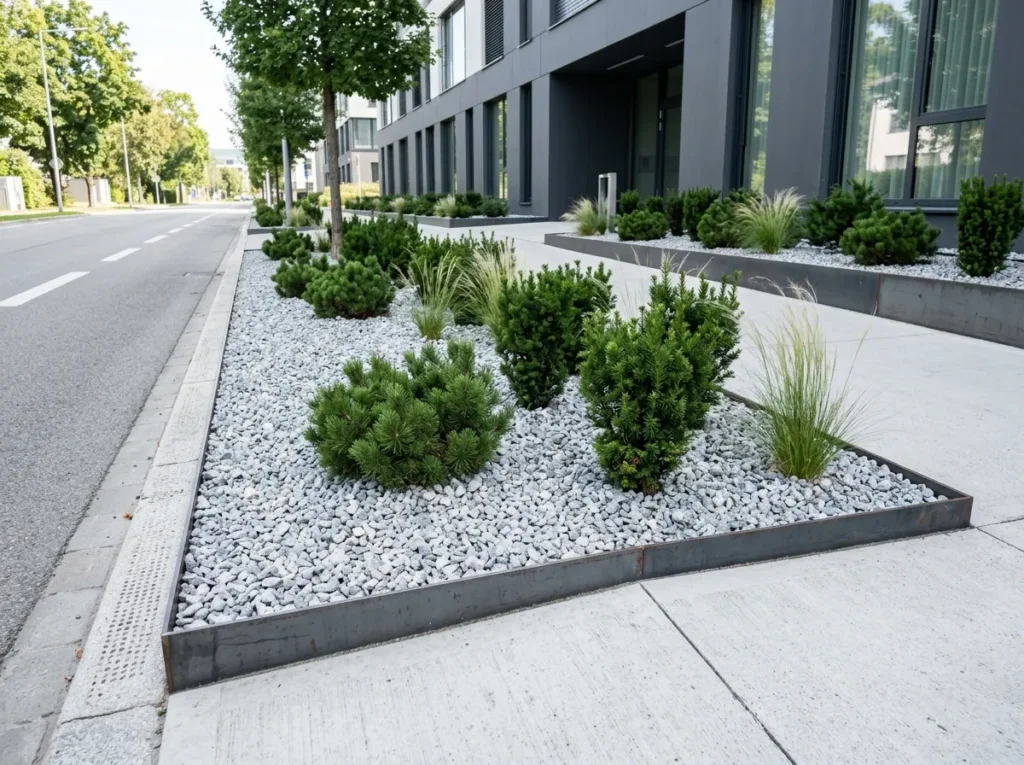
Minimal landscapes can still feel warm and inviting when designed thoughtfully. A simple evergreen layout introduces year-round texture and colour without relying heavily on seasonal flowers or dense planting. Compact shrubs paired with gravel or subtle edging create a calm, intentional appearance that suits many architectural styles. This idea works especially well for homeowners who appreciate simplicity and long-term consistency. I’ve noticed that restrained planting often makes narrow spaces feel larger rather than restricted. The quiet repetition of evergreen forms creates balance while maintaining an approachable and refined outdoor atmosphere.
Clarity becomes a design feature when unnecessary elements are removed. Evergreen shrubs hold visual structure across seasons and help the planting strip remain attractive during colder months or dry periods. Simple spacing prevents overcrowding and allows textures to stand out more clearly beside pavement. Homeowners often appreciate how manageable this arrangement feels without sacrificing curb appeal. Pairing greenery with neutral materials strengthens the minimalist mood while maintaining warmth and softness. The finished space feels polished, timeless, and comfortably organized, proving that less planting can still create strong and memorable visual impact.
Pollinator Pocket
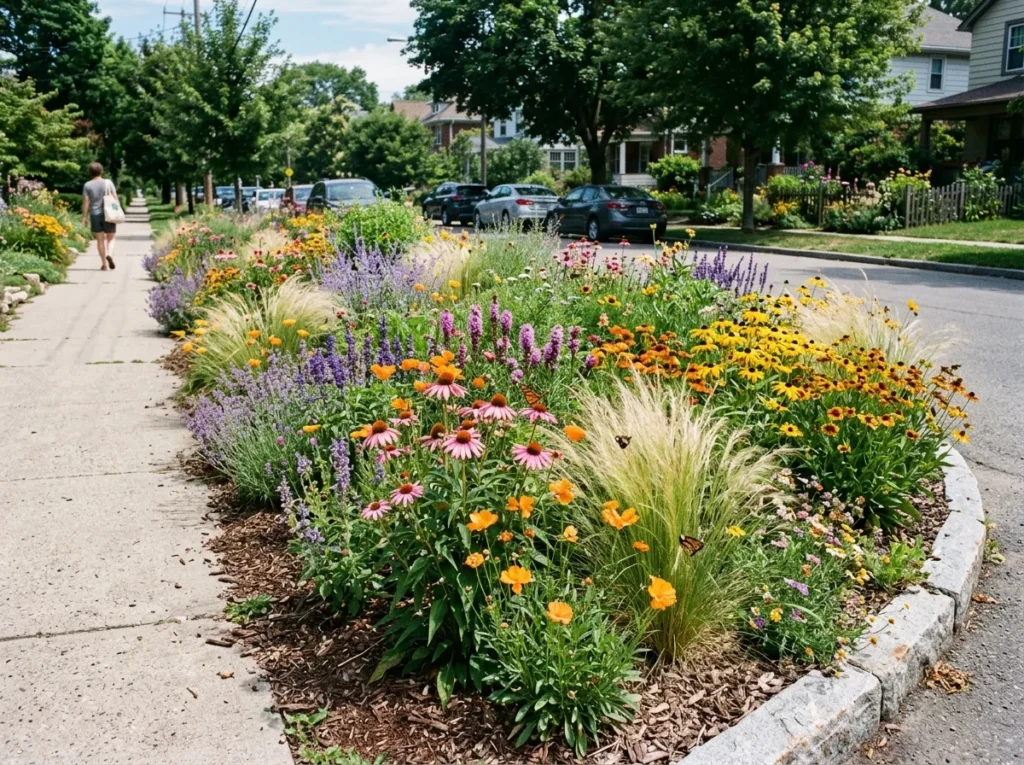
Lively planting can make even a slim roadside strip feel full of energy. A pollinator-focused garden combines flowers, grasses, and layered textures that attract butterflies and bees while creating strong curb appeal. The mix of movement and colour gives the space a dynamic personality that changes gently through the seasons. I’ve seen this work well for homeowners wanting beauty with a more nature-connected feel. The layered planting softens pavement and creates an inviting edge that feels cheerful, vibrant, and visually rewarding without appearing overly formal or tightly controlled.
Beauty often feels more meaningful when it supports the surrounding environment. Thoughtfully chosen flowering plants provide nectar while creating a lively display visible from sidewalks and streets. Varying bloom times helps maintain colour and interest longer through the growing season. Homeowners frequently appreciate how the space feels active and engaging rather than static. I’ve noticed that combining airy grasses with blooms prevents the design from becoming visually heavy. The finished landscape feels bright, welcoming, and naturally animated, adding personality and gentle ecological value to a once-overlooked curb side area.
Curved Stone Flow
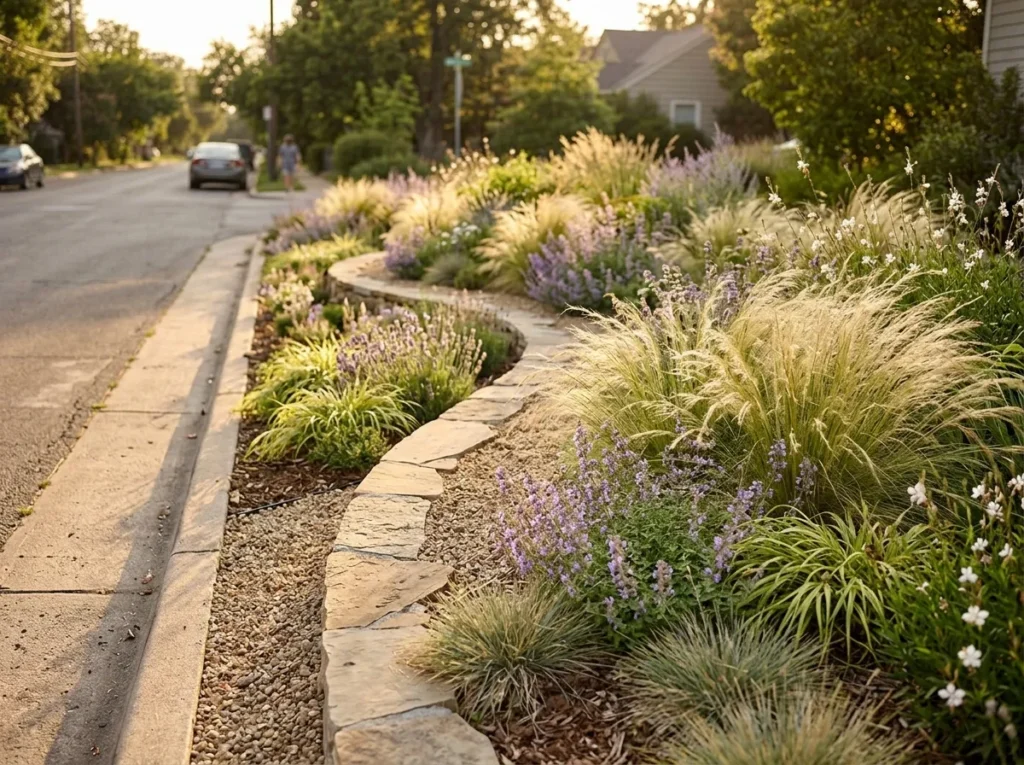
Gentle curves can completely change the mood of a narrow outdoor strip. A flowing stone-edged design softens rigid pavement lines and creates movement that feels welcoming and intentional. Instead of relying on straight borders, this layout guides the eye naturally through layered planting and subtle shape changes. In my experience, curved edges make compact areas feel more spacious and visually relaxed. Pairing stone with grasses or flowering plants strengthens the contrast between structure and softness. The finished arrangement feels custom and thoughtfully planned while maintaining a comfortable, approachable garden character.
Movement often makes small landscapes feel more memorable. Curved stone borders help organize planting while creating visual rhythm that prevents the strip from appearing flat or overly narrow. Light gravel and layered greenery reinforce the flowing layout and add subtle texture throughout the design. Homeowners frequently enjoy how this style feels polished without looking formal or overly engineered. I’ve noticed that gentle curves also photograph beautifully and enhance overall curb appeal. The completed space feels balanced, inviting, and naturally connected to the surrounding landscape while offering lasting style and everyday practicality.
Conclusion
Beautiful outdoor design does not always require a large yard or complicated renovation. Sometimes the most satisfying changes begin in the smallest spaces. These ideas show how thoughtful textures, layered planting, and simple materials can completely reshape curb side areas while improving both appearance and usability. Whether you prefer relaxed blooms, structured layouts, or low-maintenance greenery, there is room to create something personal and memorable. Parking strip landscaping can become a meaningful extension of your home’s personality and curb appeal. Save your favourite ideas on Pinterest, try the styles that fit your space, and share this article with someone planning a refresh. I’ve seen how small changes like these can completely transform a space.