
15 Ideas of a Sweet, Cozy Tradition Worth Mastering
The tradition of making a homemade gingerbread house represents far more than simply assembling sugar and spice into an edible structure. This cherished holiday custom brings families together, creating memories that linger long after the last crumb has been consumed. While store-bought kits offer convenience, nothing compares to the satisfaction and creativity of building a gingerbread house entirely from scratch.
Whether you are a seasoned baker or attempting your first architectural confection, mastering the art of homemade gingerbread houses opens doors to endless creative possibilities. From classic cottages dusted with powdered sugar snow to whimsical structures limited only by imagination, the process itself becomes a celebration. The warm aroma of ginger and cinnamon filling your kitchen, the careful placement of each candy decoration, and the pride of displaying your finished creation transforms an ordinary December afternoon into something magical.
This comprehensive guide explores fifteen inspiring ideas for creating your own gingerbread masterpiece, along with the essential techniques, recipes, and tips that ensure success. Prepare to discover how this beloved tradition becomes not just a holiday activity, but a skill worth developing and passing down through generations.
Understanding Construction Gingerbread
Before diving into specific designs, understanding the foundation of any successful gingerbread house proves essential. Construction gingerbread differs significantly from the soft, chewy cookies enjoyed year-round. This specialized dough prioritizes structural integrity over tenderness, creating pieces strong enough to support elaborate designs without crumbling or sagging.
The key ingredients include molasses for color and binding, flour for structure, spices for authentic flavor and aroma, and minimal leavening to prevent excessive rising. Many experienced bakers use shortening rather than butter in construction recipes, as it provides superior stability. However, if you plan to actually eat your creation, substituting butter enhances flavor while still maintaining adequate strength.
Proper dough preparation makes the difference between success and frustration. Chilling the dough before rolling remains absolutely critical. Without this step, pieces lose their shape during baking, making assembly nearly impossible. Most recipes recommend dividing the dough into discs and refrigerating for at least thirty minutes before working with it.
Rolling the dough between parchment paper sheets prevents sticking without requiring excessive flour, which can toughen the final product. Aim for a consistent thickness throughout, typically around one-quarter inch, to ensure even baking and uniform structural strength.
Traditional Snow-Covered Cottage

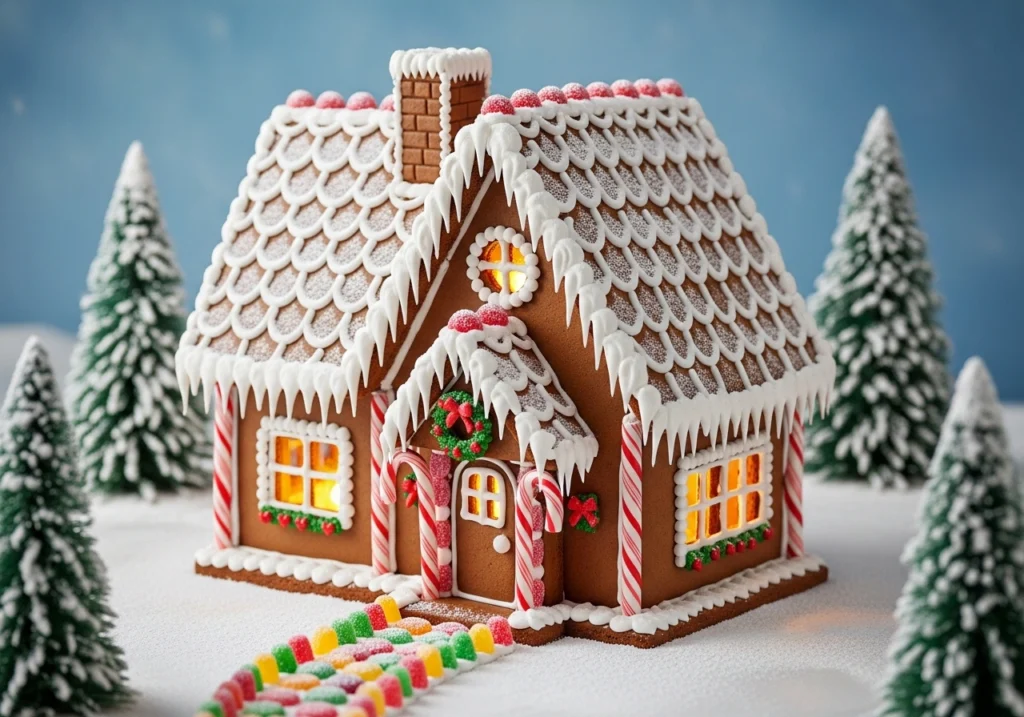
The classic gingerbread cottage represents the quintessential holiday house design. This timeless creation features peaked roofs heavily laden with royal icing snow, candy cane pillars framing the entrance, and strategically placed gumdrops creating a path to the front door.
Start by constructing the basic four-walled structure with a simple peaked roof. Once assembled and completely dried, apply royal icing generously across the roof, allowing it to drip naturally down the sides to simulate snow drifts. While the icing remains wet, add details like sugar pearl garlands along the roofline or small candies pressed into the fresh icing.
Create dimension by varying your decorating techniques. Pipe icicles along the eaves using a small round tip, pulling the icing downward as you release pressure for authentic dripping effects. Add wreaths to windows using green icing and a small star tip, finishing with tiny red candy accents to represent berries.
The beauty of this traditional design lies in its simplicity and the comfort it evokes. Position it on a white-frosted base board surrounded by miniature evergreen trees made from ice cream cones dipped in green icing and covered with sprinkles for a complete winter scene.
Rustic Log Cabin
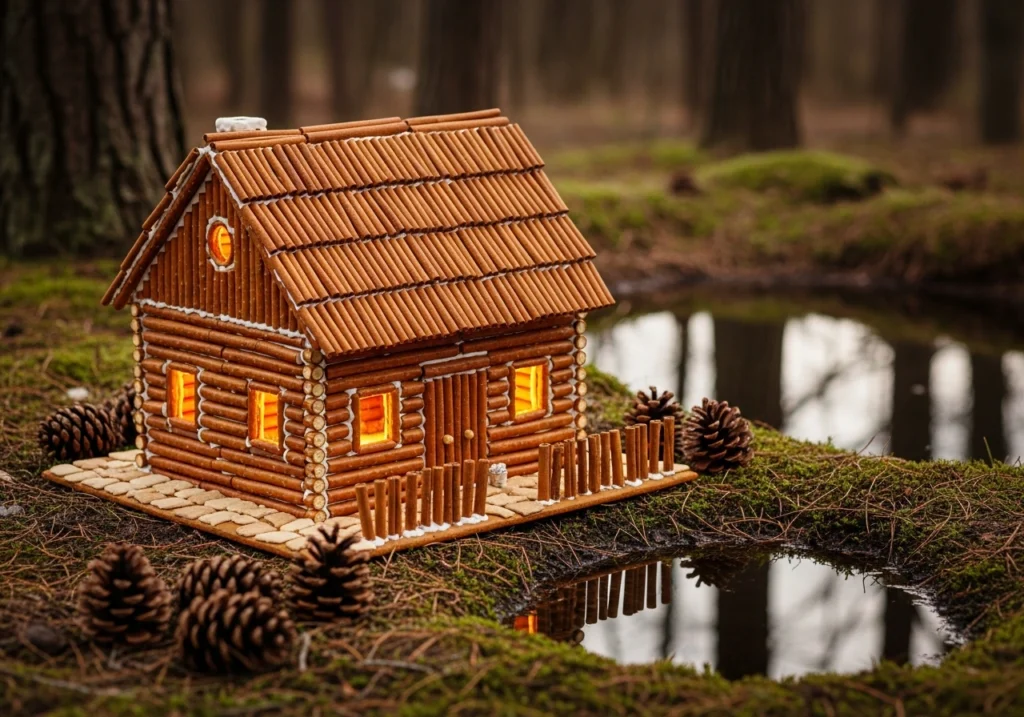
Transform your gingerbread house into a cozy mountain retreat by creating a rustic log cabin design. This creative approach uses pretzel rods attached horizontally to the walls, mimicking authentic log construction. The textured appearance adds depth and character that stands out from typical candy-decorated houses.
Begin with your standard house structure, then use royal icing to affix pretzel rods horizontally across all visible walls. Trim pretzels to appropriate lengths using a serrated knife, and stagger the corners where walls meet for a realistic interlocking log effect. The pretzels natural brown tones perfectly complement gingerbread, requiring minimal additional decoration.
For the roof, consider using square graham crackers or cinnamon sticks arranged like shingles. Alternatively, create a thatched appearance using shredded wheat cereal carefully attached with icing. Add texture around the base using crushed vanilla wafers to represent stones or a dirt foundation.
Complete the rustic aesthetic with natural-looking accents. Create miniature woodpiles from broken pretzel sticks bundled together. Fashion a tiny chimney from chocolate-covered wafer cookies, allowing white icing smoke to billow from the top. Position your cabin on a mirror to represent a frozen pond, surrounded by sugar-dusted pine cones.
Candy Window Wonderland

Few gingerbread house features enchant quite like glowing candy windows. This technique creates beautiful stained glass effects that capture light and add professional polish to your creation. While it requires extra steps, the stunning results justify the minimal additional effort.
Before baking, use small cookie cutters or a sharp knife to carefully cut window shapes from your wall pieces. Bake the gingerbread as usual, then while the pieces remain warm but have set enough to handle, fill the window openings with crushed hard candies. Jolly Ranchers work exceptionally well, offering vibrant colors and melting properties. Alternatively, use isomalt for crystal-clear windows.
Return the pieces to the oven for just a few minutes, watching carefully as the candy melts and fills the openings. Remove them as soon as the candy spreads evenly across the opening. Allow everything to cool completely before handling. The candy hardens as it cools, creating windows strong enough to support the structure.
Position a small battery-operated tea light or LED string inside the finished house to illuminate the windows from within. The glowing effect transforms your gingerbread house into a magical lantern, especially striking when displayed in a darkened room or as part of an evening gathering.
Pastel Paradise
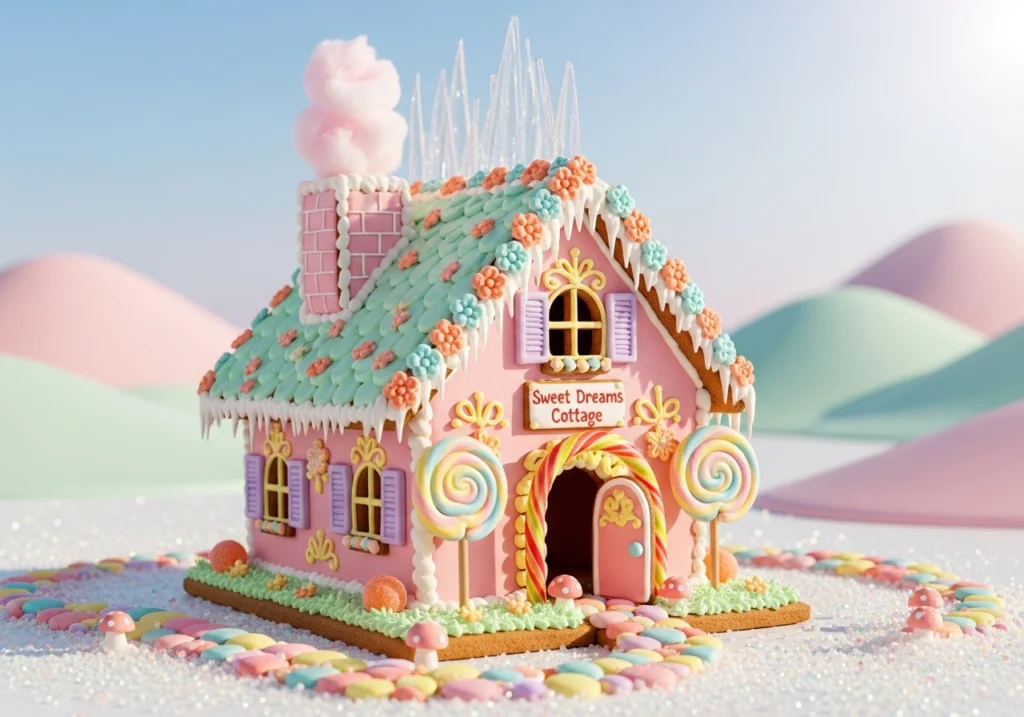
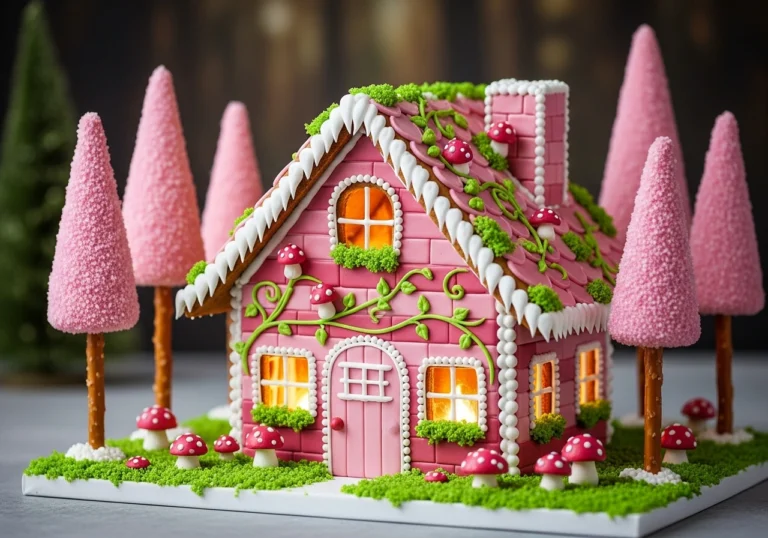
Who decreed that gingerbread houses must feature only traditional holiday colors? Break from convention with a whimsical pastel paradise that brings springtime cheer to winter celebrations. This playful design appeals particularly to children and adds unexpected visual interest to your holiday display.
Tint royal icing in soft shades of pink, mint green, lavender, and pale yellow. Use these gentle hues to pipe decorative elements, creating a house that resembles a fairy tale cottage. Cover the roof with pastel-colored candies like conversation hearts, jelly beans sorted by color, or pastel M&Ms arranged in gradient patterns.
Pipe decorative details using contrasting pastel shades. Create ornate trim around windows and doors, add scalloped edging along the roofline, and fashion delicate flowers using a small petal tip. The softer color palette allows for more elaborate decoration without appearing overwhelming.
Consider adding dimensional elements like fondant flowers or butterflies to enhance the whimsical aesthetic. Create a candy garden around the base using green-tinted coconut for grass, pretzel stick fencing, and flower-shaped candies. This cheerful design proves that gingerbread houses need not be limited to traditional Christmas themes.
Monochrome Winter Chalet
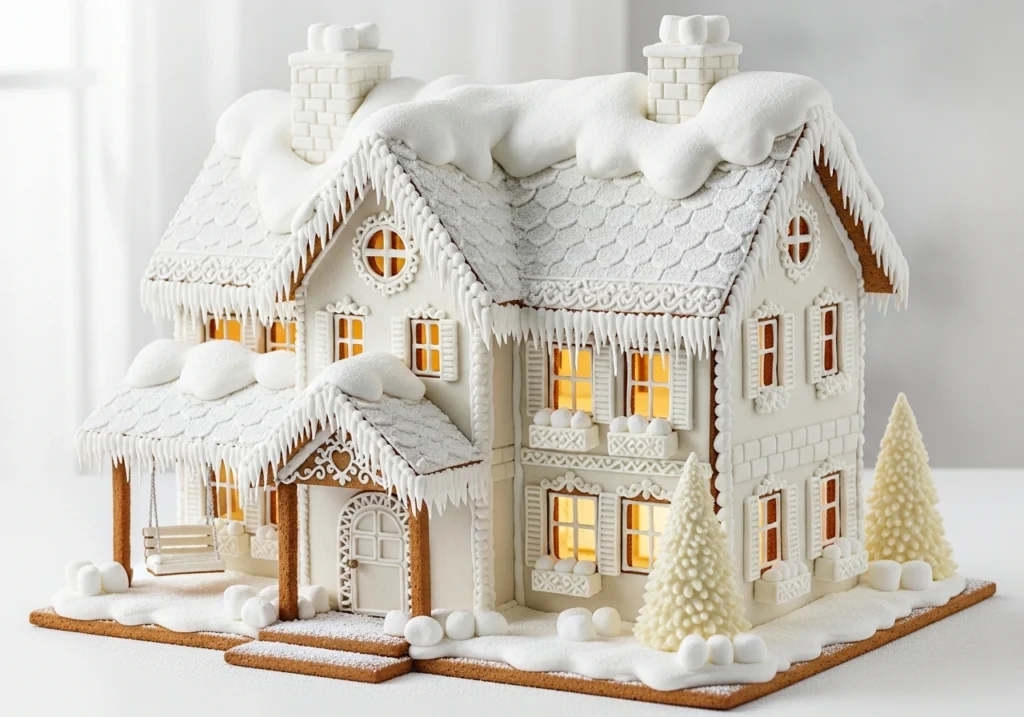
For those preferring sophisticated minimalism, a monochrome winter chalet offers elegant simplicity. This design relies on varying textures and shades of white to create visual interest without the distraction of multiple colors. The result appears clean, modern, and surprisingly striking.
Use only white decorations throughout your entire design. Royal icing provides the primary medium, applied in different consistencies for various effects. Pipe thick icing as snow on the roof, allowing dramatic drips down the walls. Use thinner icing for delicate details like window frames and door outlines.
Layer different white textures to prevent the house from appearing flat. Crushed vanilla wafers create snowy ground cover. White chocolate chips mimic snow drifts. Powdered sugar dusted over dried royal icing adds dimension and sparkle. Mini marshmallows serve as snowballs or can be stretched to create fluffy snow piles.
Add visual interest through piping techniques rather than color. Create intricate patterns using various decorating tips. Fashion delicate lace-like trim along roof edges, pipe dimensional snowflakes on walls, and create raised dot patterns that catch light and shadow. The monochrome palette focuses attention on these textural details rather than competing colors.
Victorian Gingerbread Manor
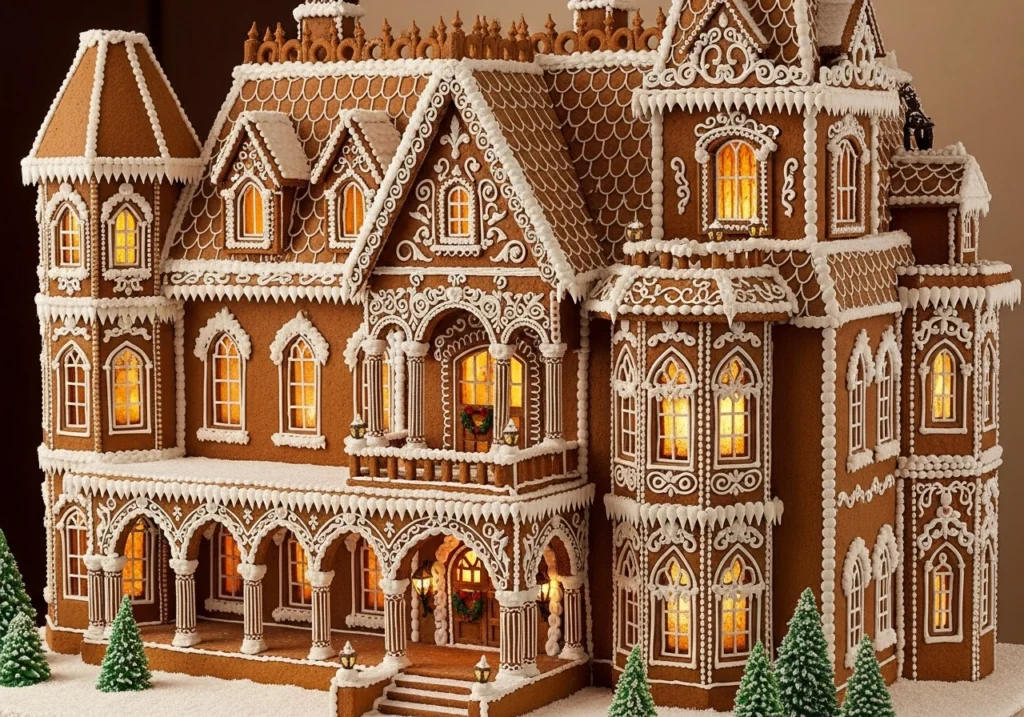
Elevate your gingerbread architecture with an ornate Victorian manor featuring the elaborate details characteristic of this architectural period. While more challenging than simpler designs, this project rewards patience with a truly impressive centerpiece worthy of extended display.
Design a more complex template including features like bay windows, multiple roof levels, and perhaps a small tower. Gothic arched windows and doors add authentic period character. Consider incorporating a wraparound porch using additional gingerbread pieces supported by candy cane or pretzel stick columns.
Victorian houses demand ornate decoration. Use royal icing to pipe intricate trim along every edge, creating the elaborate woodwork known as gingerbread trim. Small round tips work well for creating string work and delicate scrolls. Layer different piping techniques to build dimensional decorative elements.
Pay attention to architectural details that define the Victorian aesthetic. Create shutters from thin chocolate bars or graham crackers. Fashion a decorative roofline using upside-down ice cream cones as turrets. Pipe elaborate icing patterns that mimic the ornamental features of actual Victorian homes. Display your manor on a large base board decorated as manicured grounds with an icing pathway and garden elements.
Chocolate Lovers Dream House
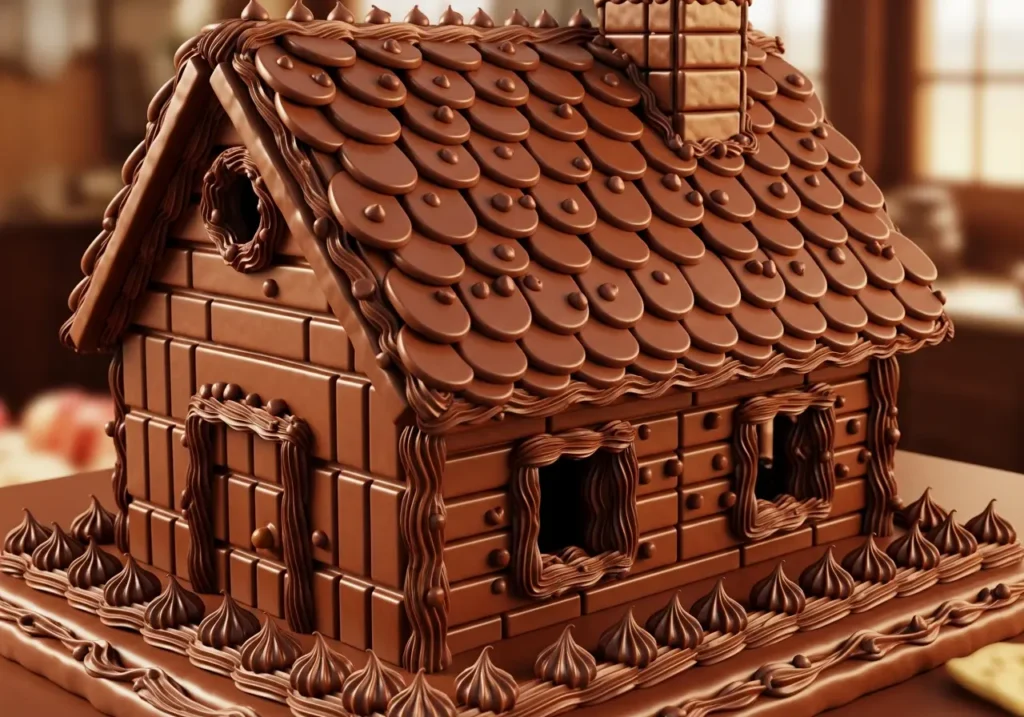
For devotees of chocolate, creating an entire house from this beloved ingredient offers the ultimate indulgence. While gingerbread provides the structure, chocolate becomes the primary decorative element, resulting in a rich, impressive creation.
Use chocolate bars as siding, breaking them into pieces and attaching them like shingles or panels across the walls. Dark, milk, and white chocolate create visual interest through color variation. Chocolate wafer cookies make excellent roof tiles, overlapping like traditional shingles. Attach everything using chocolate ganache or royal icing.
Create architectural details entirely from chocolate. Melt chocolate and pipe it onto parchment paper in shapes like shutters, doors, or decorative trim pieces. Once hardened, attach these elements to your house. Use chocolate chips in various colors as decorative accents, creating patterns or borders.
Fashion a chocolate landscape surrounding your house. Spread chocolate frosting as ground cover and position chocolate trees made from ice cream cones dipped in chocolate and covered with chocolate sprinkles. Add crushed chocolate cookies as dirt or gravel pathways. For snow effects, contrast the chocolate richness with white elements like royal icing or powdered sugar.
Miniature Village Collection
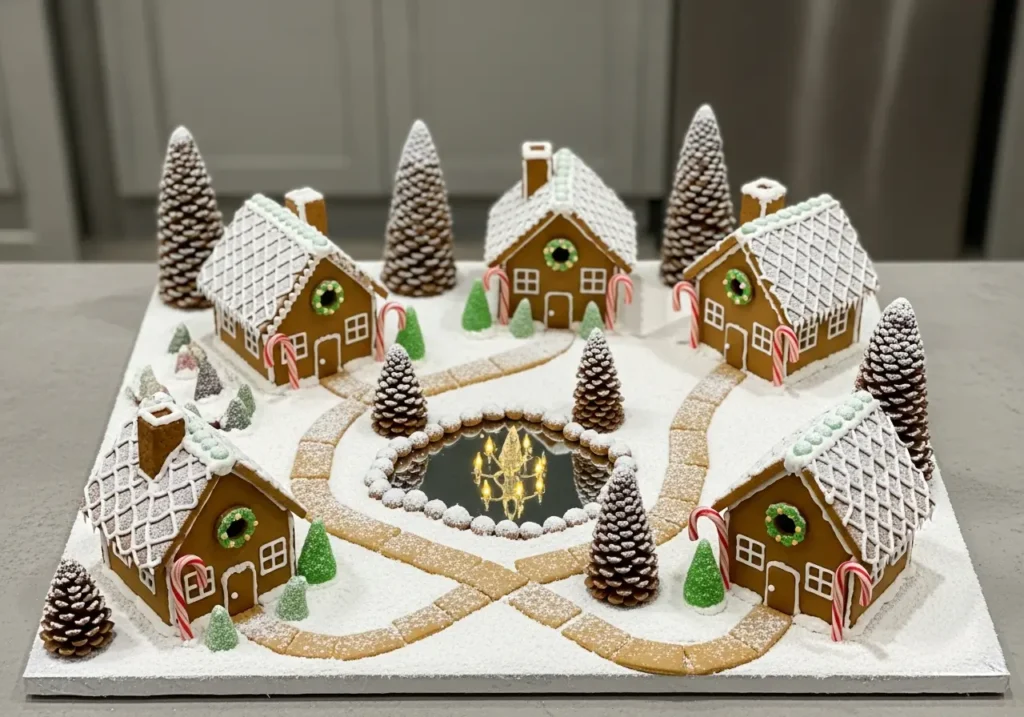
Rather than focusing energy on a single elaborate structure, create an entire village of smaller coordinating houses. This approach allows multiple family members to build simultaneously, with each person designing their own cottage while maintaining cohesive aesthetic themes.
Use a simplified template that creates houses approximately three to four inches tall. The reduced size makes construction more forgiving while allowing you to produce multiple buildings without consuming excessive time or ingredients. Bake enough pieces for four to six small structures.
Coordinate the village theme while allowing individual creativity. Perhaps all houses share the same roof treatment but different wall decorations, or maintain a consistent color palette while varying the candy selections. This balance creates visual harmony while preserving personal expression.
Arrange your village on a large display board, creating a complete winter community. Add roads using crushed graham crackers or brown sugar, create a town square with a pretzel stick gazebo, and position sugar cone evergreen trees throughout. Small mirror pieces become frozen ponds. Battery-operated string lights nestled among the buildings create enchanting evening illumination.
Nature-Inspired Woodland Retreat
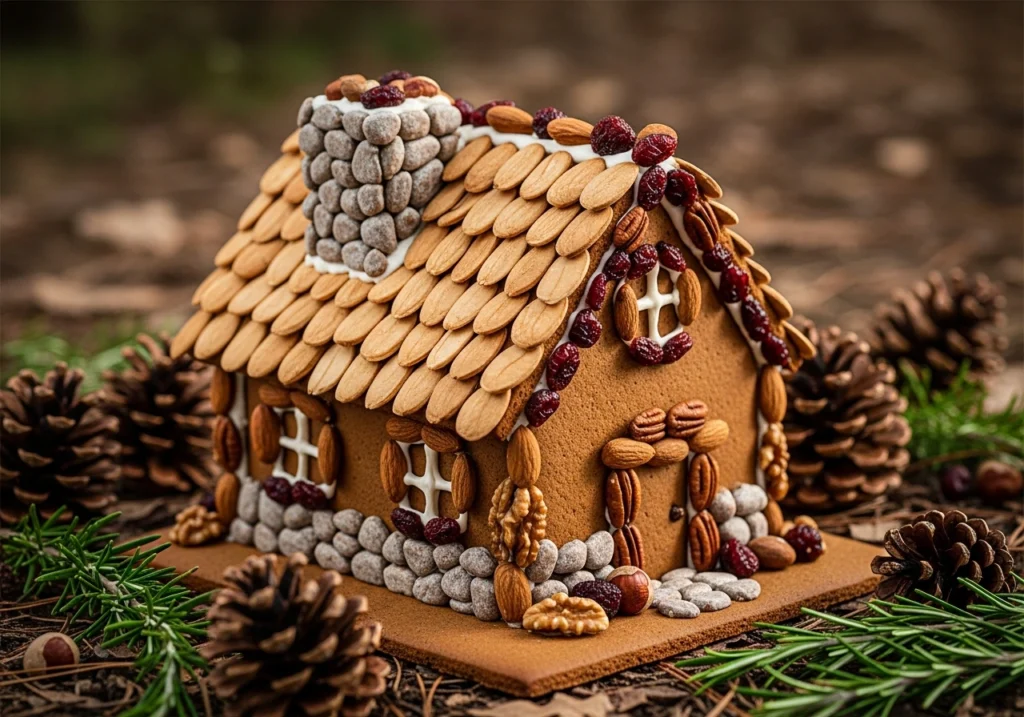
Bring the outdoors inside with a nature-themed gingerbread house that celebrates natural elements. This design moves away from candy decorations, instead incorporating nuts, dried fruits, and other organic materials for a sophisticated, rustic appearance.
Cover the roof with overlapping sliced almonds, creating realistic-looking wooden shingles. Use whole almonds, pecans, walnuts, and other nuts to create stone-like walls or foundation elements. These natural materials provide beautiful texture and earthy tones that complement the gingerbread perfectly.
Dried fruits offer additional decorating options. Dried cranberries create berry garlands or wreaths. Dried apple slices can be cut into decorative shapes. Candied orange peels provide color accents. These natural elements not only look beautiful but also add interesting flavors for anyone who chooses to nibble on the house.
Create a woodland base using materials that evoke the forest floor. Crushed graham crackers mixed with cocoa powder suggest dirt pathways. Actual small pinecones surrounding the house enhance the natural theme. Fashion tiny trees from rosemary sprigs dusted with powdered sugar. The nature-inspired aesthetic appeals to adults seeking alternatives to traditional candy-laden houses.
Gingerbread Barn and Farm
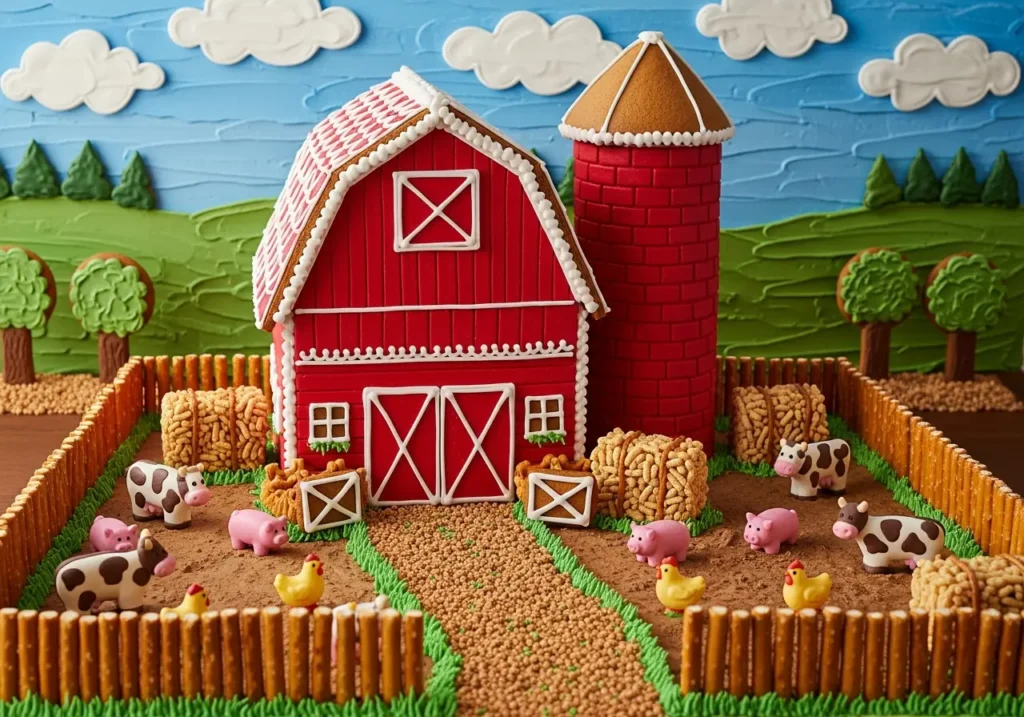
Agricultural architecture offers fresh alternatives to standard house designs. A barn structure provides interesting opportunities for creative decoration while maintaining structural simplicity. The distinctive shape creates instant recognition and visual interest.
Design a template with the characteristic tall barn profile and large barn door. Consider adding a silo as a separate cylindrical structure made by wrapping gingerbread around a large can before baking. The rustic nature of barn architecture forgives minor construction imperfections, making this an excellent choice for beginners.
Decorate your barn with farm-appropriate elements. Create the classic red barn appearance using red royal icing or by attaching red fruit leather to walls. Fashion white cross-braces on the barn door using white icing or white chocolate. Use square cereal pieces as hay bales positioned near the barn entrance.
Complete the farm scene with additional elements surrounding your barn. Create a split-rail fence from pretzel sticks. Position small animal crackers as farm animals. Make corn shocks from unwrapped Werther’s candies stacked together. Add a water trough from a small rectangular candy and silver icing water. The complete farm scene tells a story and provides engaging details that reward closer inspection.
Modern Architectural Statement
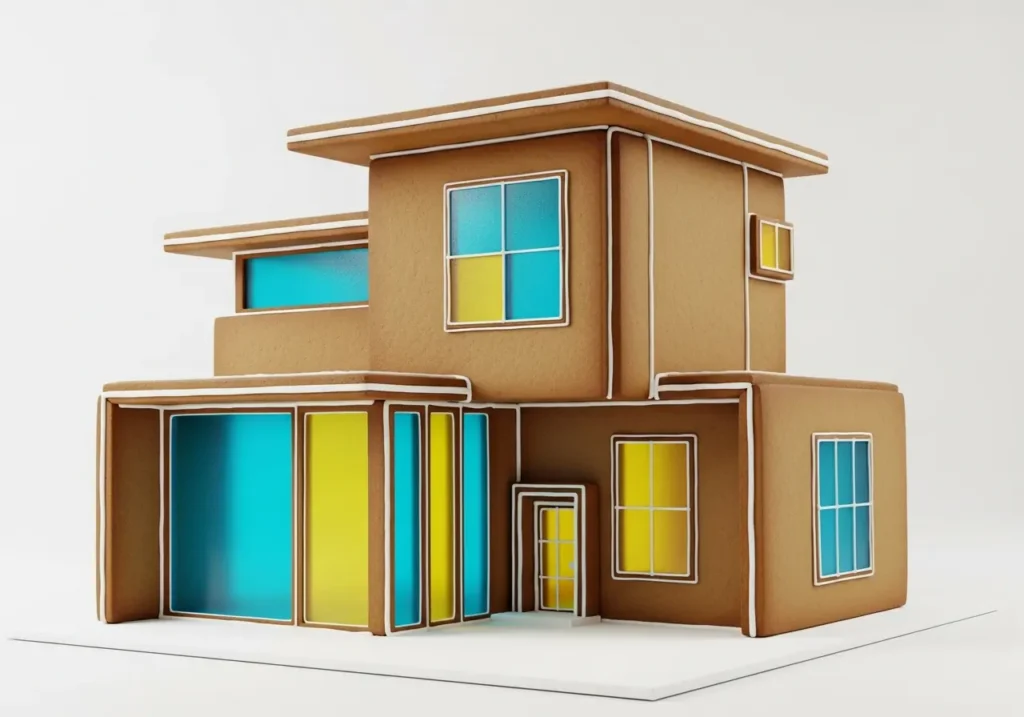
Contemporary design aesthetics translate surprisingly well into gingerbread architecture. A modern house with clean lines, geometric precision, and minimalist decoration offers a sophisticated alternative to traditional cottage designs.
Plan a template featuring flat rooflines, large expanses of wall with minimal decoration, and strong geometric shapes. Consider an asymmetrical design or multiple levels at different heights. Modern architecture emphasizes form and proportion rather than ornate decoration, so precision in cutting and assembly becomes especially important.
Embrace minimalist decoration. Rather than covering every surface with icing and candy, allow sections of plain gingerbread to show, appreciating its natural color and texture. Use white royal icing sparingly for clean lines and architectural details. Create large square windows using candy glass, emphasizing the modernist appreciation for natural light.
Add contemporary touches through unexpected materials. Silver dragees create modern metallic accents. Geometric candies like Chiclets arranged in precise patterns suggest modern tiling. Consider covering one wall section with fondant in a bold solid color as an accent wall. The resulting structure looks dramatically different from traditional gingerbread houses while showcasing the versatility of the medium.
Themed Character Houses
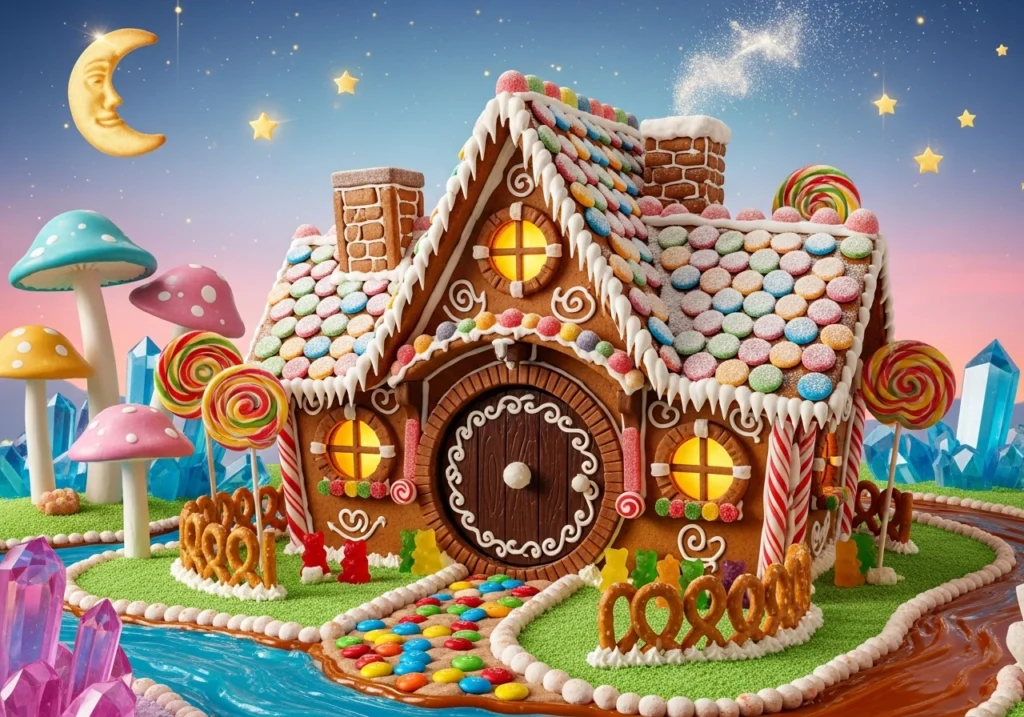
Transform standard gingerbread house construction into imaginative structures inspired by beloved stories or characters. Whether recreating a fairy tale cottage, a hobbit hole, or a candy shop from a favorite film, themed houses spark creativity and conversation.
Research your chosen theme carefully, noting distinctive architectural features that make the structure immediately recognizable. A hobbit hole requires the characteristic round door and grass-covered roof. A witch’s cottage might feature crooked walls and deliberately chaotic candy decorations. A candy shop needs colorful striped awnings and abundant candy displayed in the windows.
Use creative decorating techniques to achieve theme-specific effects. Green-tinted coconut creates grass for roofs or landscaping. Upside-down ice cream cones suggest turrets or towers. Curved pretzels become decorative door handles or wrought iron details. Let the theme guide your material choices rather than defaulting to traditional gingerbread house decorations.
Share the story behind your creation. When displaying a themed house, include a small placard explaining the inspiration. This context enhances appreciation for the creative choices and attention to detail. Themed houses work especially well for parties or competitions where unique designs receive extra recognition.
Gingerbread Camper or Vehicle
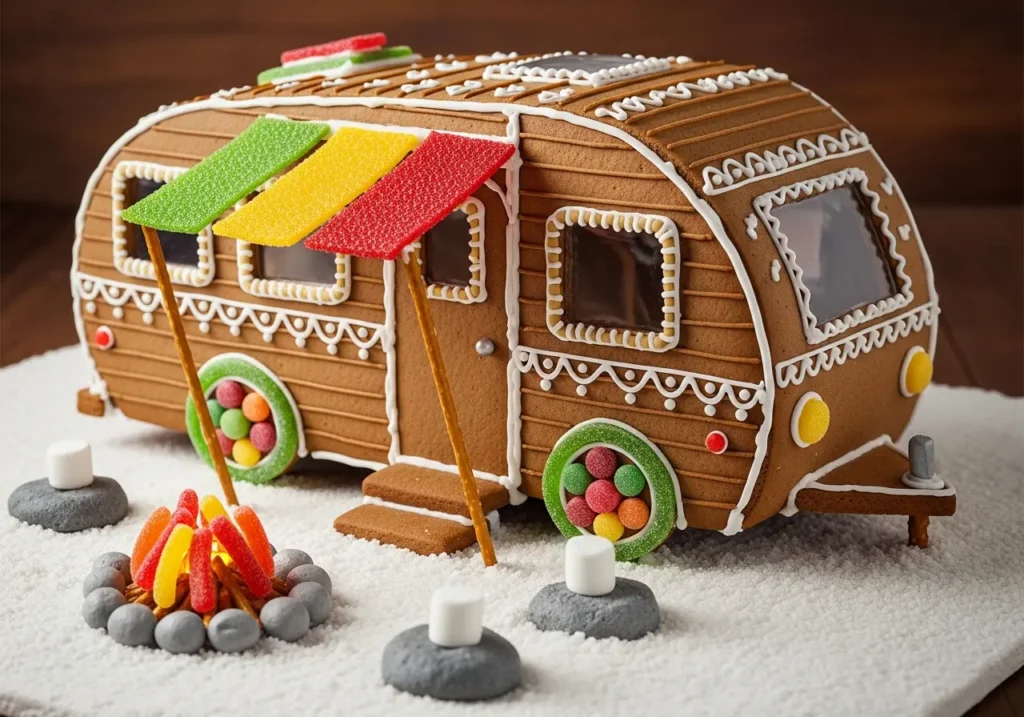
Who insists that gingerbread structures must be houses? Explore alternative constructions like campers, trucks, or other vehicles for unexpected delight. These playful designs surprise viewers and showcase creativity while requiring construction techniques similar to traditional houses.
For a camper or RV, design a more horizontal, rectangular structure with rounded ends. Add details like windows running along the sides, a door in back, and wheels made from round cookies or candies. Create an awning from fruit leather or fondant. Position the camper as though parked at a winter campsite complete with a pretzel stick campfire and marshmallow arrangements.
A gingerbread pickup truck offers another charming alternative. The cab requires careful assembly, but the open truck bed provides easy decorating opportunities. Fill it with a Christmas tree made from a frosted sugar cone, presents wrapped in colored fondant, or a load of pretzel stick firewood. Add candy headlights and create a license plate from a small rectangular candy.
These vehicle designs particularly delight children while offering adults opportunities for nostalgic recreation of family vacation memories or dream vehicles. Display them on themed bases that tell complete stories about adventure and travel.
Interactive Advent Calendar House
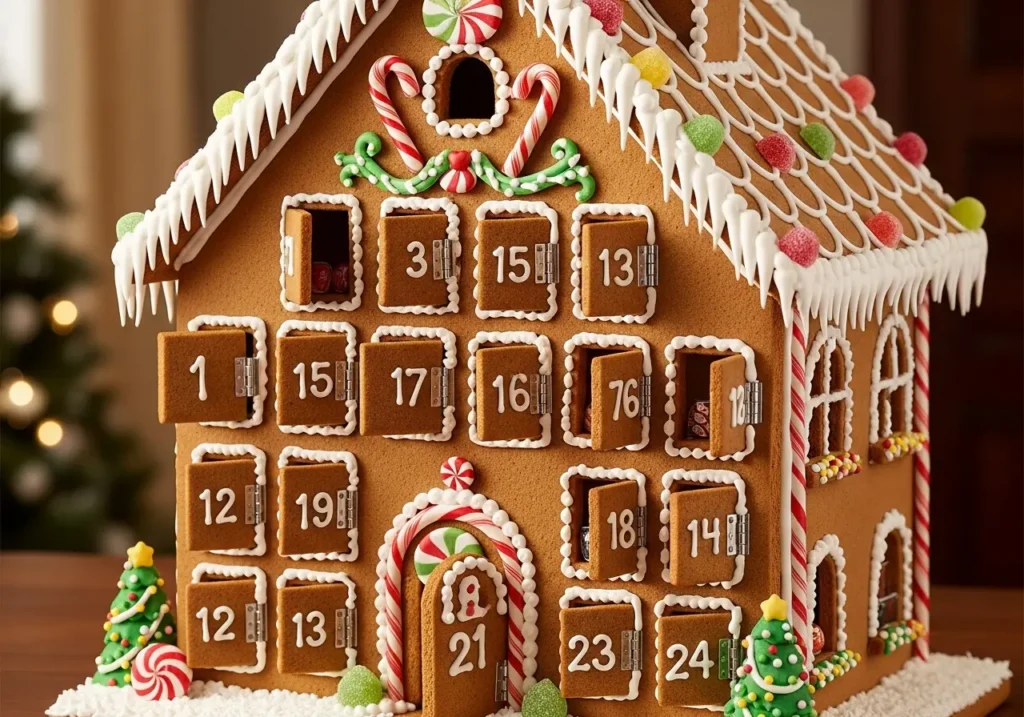
Combine gingerbread house construction with countdown traditions by creating an interactive advent calendar house. This functional design adds daily engagement throughout December, making it more than simply a decorative centerpiece.
Design a house with twenty-four small doors or windows, each numbered and capable of opening to reveal a small compartment behind. This requires careful planning during template creation, ensuring sufficient depth behind each door to hold small treats. Create the doors from separate small gingerbread rectangles attached with royal icing only along one edge, allowing them to swing open.
Behind each numbered door, tuck small candies, tiny toys, written messages, or other surprises appropriate for family members. The anticipation of daily discoveries adds interactive fun throughout the holiday season. Royal icing hinges allow doors to be opened carefully without breaking.
Decorate the house to remain visually appealing even after all doors have been opened. Focus decorative elements around the door frames rather than on the doors themselves. Number each door clearly using icing or edible markers. Consider creating a larger house than usual to accommodate the numerous openings while maintaining structural integrity.
Collaborative Family Memory House

The final idea focuses less on specific design and more on the collaborative process, creating a house where each family member contributes their own section or decorative element. This approach emphasizes memory-making over architectural perfection.
Assign different areas of the house to various family members. One person decorates the front wall, another handles the roof, children add landscaping elements around the base. Provide each person with their own selection of candies and decorating tools. The eclectic result reflects individual personalities while creating a unified whole.
Document the process with photographs showing each person at work on their section. These images become precious records of family time together, often more valuable than the gingerbread house itself. Consider making this an annual tradition, comparing houses from different years to see how decorating skills and family dynamics evolve.
Focus on enjoying the experience rather than achieving perfection. Embrace crooked icing lines, asymmetrical candy placement, and creative interpretation of instructions. These apparent imperfections represent authentic family involvement and become beloved features that make each house unique and meaningful.
Royal Icing: The Essential Glue
Regardless of which design you choose, royal icing forms the foundation of successful construction. This mixture of egg whites or meringue powder and powdered sugar dries rock-hard, providing the structural adhesive that holds gingerbread houses together while remaining completely edible.
Proper consistency proves critical. For construction and adhering heavy decorations, royal icing should hold stiff peaks, maintaining its shape without spreading. For detailed piping work, thin the icing slightly with water until it flows smoothly through decorating tips while still maintaining control. For flooding or covering large areas, thin it further until it spreads smoothly but still holds a slight mound.
Prepare royal icing shortly before use, as it begins drying quickly once exposed to air. Keep unused portions covered with plastic wrap pressed directly against the surface. For large projects, prepare icing in batches rather than making more than needed, as it becomes difficult to rehydrate once it starts crusting over.
Test your icing consistency before beginning serious work. Pipe a small amount onto a piece of gingerbread or parchment paper. After fifteen to twenty minutes, it should feel firm as glue. If still soft, beat in additional powdered sugar. If too stiff, add water a few drops at a time until reaching proper consistency.
Assembly Tips and Techniques
Successful assembly transforms individual gingerbread pieces into a cohesive structure. This stage determines whether your house stands proudly or collapses into a sticky pile, so patience and proper technique matter enormously.
Allow all gingerbread pieces to cool completely and ideally air-dry overnight before attempting assembly. Fresh pieces remain too soft and can warp under construction stress. Slightly stale gingerbread actually assembles more easily than absolutely fresh pieces.
Create a stable base by assembling on a sturdy board covered with aluminum foil or parchment paper. Cardboard cake rounds work perfectly. Having the house permanently mounted on its base prevents handling damage during decorating and display.
Apply royal icing generously along edges where pieces join. More is better than less when it comes to construction adhesive. Hold pieces together firmly for several minutes until the icing begins setting. Support walls with soup cans or heavy objects while drying. Allow complete sections to dry thoroughly before adding additional pieces, especially the roof.
Consider using hot glue for non-edible display houses. While this prevents eating the structure, hot glue sets instantly and provides superior bonding strength. Cover any visible hot glue with royal icing once assembly is complete. This technique particularly helps when working with children, eliminating frustration from collapsed walls.
Troubleshooting Common Problems
Even experienced bakers encounter challenges when creating gingerbread houses. Understanding common problems and their solutions prevents frustration and project abandonment.
If walls won’t stay together, the royal icing likely lacks proper consistency. It should be thick enough to hold stiff peaks. Alternatively, you may not be allowing sufficient drying time between steps. Each wall connection should dry for at least thirty minutes before adding additional pieces. Temperature also affects icing setup, with cold rooms slowing the process considerably.
Pieces that spread during baking indicate insufficient chilling time. The dough must be thoroughly cold before rolling and cutting. If pieces still spread, reduce oven temperature slightly and chill cut pieces briefly before baking. Using parchment paper or silicone baking mats prevents sticking while maintaining shapes better than greased pans.
Broken pieces need not doom your project. Small cracks or breaks can be repaired with royal icing applied along the break line and allowed to dry completely. Position repaired pieces where decorations will hide the damage. For major breaks, consider redesigning elements to work around the problem rather than abandoning the entire project.
Decorations that won’t stick suggest either insufficient icing or attempting to decorate before the house structure has dried completely. Wait at least four to six hours after final assembly before adding decorative elements. Use generous amounts of fresh royal icing for each decoration, holding pieces in place briefly until the icing begins gripping.
Making It a Family Tradition
The true value of homemade gingerbread houses extends far beyond the finished structure. The process creates opportunities for connection, creativity, and memory-making that strengthen family bonds and establish traditions children carry into adulthood.
Schedule dedicated time for the project rather than squeezing it between other obligations. Clear an afternoon or evening when the entire family can work together without distractions. Play holiday music, prepare special treats for nibbling while decorating, and embrace the mess as part of the experience.
Assign age-appropriate tasks to include everyone. Younger children can sort candies by color, hand decorations to older family members, or sprinkle sugar snow. Older children manage their own decorating sections while adults handle structural assembly. Everyone contributes according to their abilities, fostering teamwork and shared accomplishment.
Photograph each year’s creation along with family members who contributed. These photos become treasured records of changing family dynamics, growing skills, and evolving tastes. Create an album specifically for gingerbread house photos, noting the year, theme, and any special stories associated with each house.
Consider inviting extended family or friends for a gingerbread house party. Provide basic assembled houses and an abundance of decorating supplies. The social aspect enhances enjoyment while spreading the tradition beyond immediate family. Adult guests often embrace the opportunity to engage with creative, playful activities rarely encountered in daily life.
you may also like this:15 Magical Gingerbread Birthday Party
Conclusion
Mastering the art of homemade gingerbread houses rewards investment of time, creativity, and patience with beautiful centerpieces, delicious treats, and precious memories. Whether you gravitate toward traditional snow-covered cottages, rustic log cabins, whimsical themed creations, or sophisticated modern designs, the fundamental techniques remain consistent while allowing infinite variation.
Begin with properly prepared construction gingerbread, use well-designed templates, apply generous amounts of royal icing during assembly, and most importantly, approach the project with creativity and joy rather than stress about perfection. The slight imperfections and unique touches make each house special and memorable.
As you develop your skills across multiple seasons, you will find the process becoming more intuitive and satisfying. Techniques that seemed challenging initially become second nature. You will discover favorite decorating strategies and develop your own signature style. Perhaps most significantly, you will create annual traditions that family members anticipate and treasure.
This holiday season, set aside time to create your own homemade gingerbread house. Select a design that speaks to your interests and skill level, gather supplies, and dive into this sweet, cozy tradition worth mastering. The resulting creation will grace your home with beauty and fill your heart with the warmth of traditions thoughtfully maintained and memories lovingly made.
Frequently Asked Questions
How long does a homemade gingerbread house last?
A properly constructed gingerbread house lasts several weeks to months when kept in a cool, dry location. For display purposes, houses can last an entire season or even multiple years if stored carefully. For eating, consume within one to two weeks for best texture and flavor. Humidity and handling affect longevity more than time alone.
Can you eat gingerbread houses made with construction recipes?
Yes, construction gingerbread remains completely edible, though the texture is significantly harder and less tender than regular gingerbread cookies. While safe to eat, many people find construction gingerbread less enjoyable due to its firmness and less refined flavor profile. If planning to eat your house, use recipes balancing structure with taste.
What is the best icing for holding gingerbread houses together?
Royal icing made from powdered sugar and either meringue powder or egg whites provides the strongest adhesive for gingerbread construction. It dries rock-hard, ensuring walls and roofs stay secure. Prepare it to stiff-peak consistency for maximum holding power. Buttercream and regular frosting lack the structural strength required for assembly.
Should I decorate my gingerbread house before or after assembling it?
Decorate roof and wall pieces before assembly for easier access and cleaner results, allowing gravity to work with you rather than against. However, wait until after complete assembly for details crossing multiple pieces, covering seams, or adding dimensional elements. Allow assembled structures to dry four to six hours before adding heavy decorations.
How do I prevent my gingerbread house walls from collapsing?
Use properly chilled dough to prevent spreading during baking, which weakens structural integrity. Apply generous amounts of stiff royal icing at all joints and allow adequate drying time between assembly steps. Support walls with cans or jars while drying. Ensure the building surface is level and sturdy. Avoid assembly on humid days when icing sets more slowly.
One Comment