
13 Flower Garden Ideas for Small Backyard Spaces
Creating a stunning flower garden in a compact backyard proves entirely possible with thoughtful planning and strategic design choices. Limited square footage need not limit your gardening ambitions or the beauty you cultivate outdoors. Small spaces actually offer unique advantages including easier maintenance, lower water requirements, and the opportunity to create intimate garden rooms that feel intentionally curated rather than accidentally cramped.
The most successful flower garden ideas for small backyards embrace vertical growth, layer plants strategically, and choose varieties that deliver maximum visual impact without demanding excessive space. Whether you’re working with a tiny urban patio, a narrow side yard, or a modest suburban plot, the right approach transforms even the smallest outdoor area into a flourishing sanctuary of color and fragrance. This guide presents thirteen proven strategies that help you maximize every inch while creating a garden that feels abundant rather than overcrowded.
Use Vertical Space with Climbing Flowers and Trellises
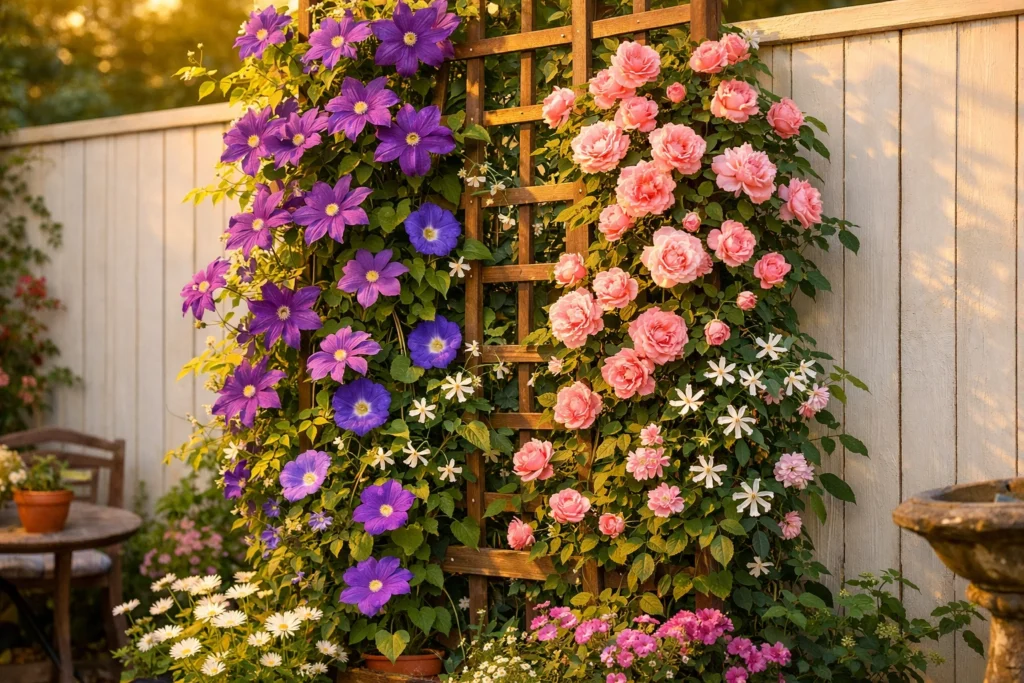
Vertical gardening represents the single most effective strategy for expanding planting area without consuming additional ground space. Trellises, arbors, and wall mounted supports allow climbing flowers to grow upward rather than outward, essentially adding square footage by utilizing the third dimension. Clematis, climbing roses, morning glories, sweet peas, and jasmine all thrive when given vertical support structures to climb.
Installing a trellis against a fence or exterior wall creates an instant backdrop for your garden while maximizing growing space. Choose materials that complement your home’s architecture whether that’s rustic wood, modern metal, or classic wrought iron. The vertical structure itself becomes a design element even before plants cover it completely. Position sun loving climbers on south or west facing walls and shade tolerant varieties like climbing hydrangea on northern exposures.
Training climbing flowers requires minimal ongoing effort once established. Guide young vines toward their support structure initially and they’ll quickly take over the climbing themselves. This approach works brilliantly in narrow side yards where ground space is extremely limited but vertical wall space stands available and unused. The resulting flower covered walls create privacy, soften hard architectural lines, and deliver abundant blooms without sacrificing precious floor space for entertaining or pathways.
Create Layered Container Gardens for Flexibility
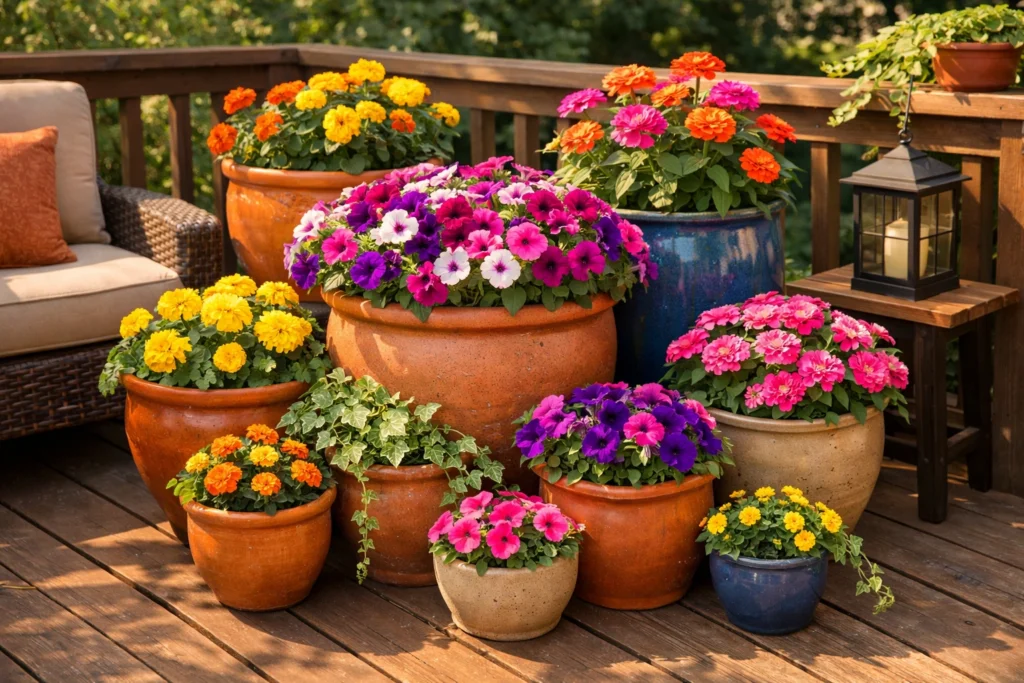
Container gardening solves multiple challenges simultaneously for small backyard gardeners. Pots and planters allow you to garden on patios, decks, balconies, and other hardscaped areas where in ground planting isn’t possible. They provide complete control over soil quality, drainage, and placement while offering flexibility to rearrange your garden layout seasonally or whenever inspiration strikes.
Group containers in varying heights to create visual interest and maximize the number of plants you can display in a compact footprint. Place larger pots in back with progressively smaller ones toward the front, or cluster containers of different sizes together for a collected over time aesthetic. This layered approach adds depth and dimension that makes small spaces feel larger and more garden like rather than simply decorated with a few isolated pots.
Choose container materials based on your climate, budget, and aesthetic preferences. Terracotta breathes well but dries quickly in hot weather. Glazed ceramic retains moisture longer and offers endless color options. Lightweight resin containers work well for renters who may need to move their garden eventually. Whatever material you select, ensure adequate drainage holes exist and consider pot feet or risers to prevent water staining on decks and patios while improving air circulation around roots.
Install Raised Flower Beds to Define Garden Zones
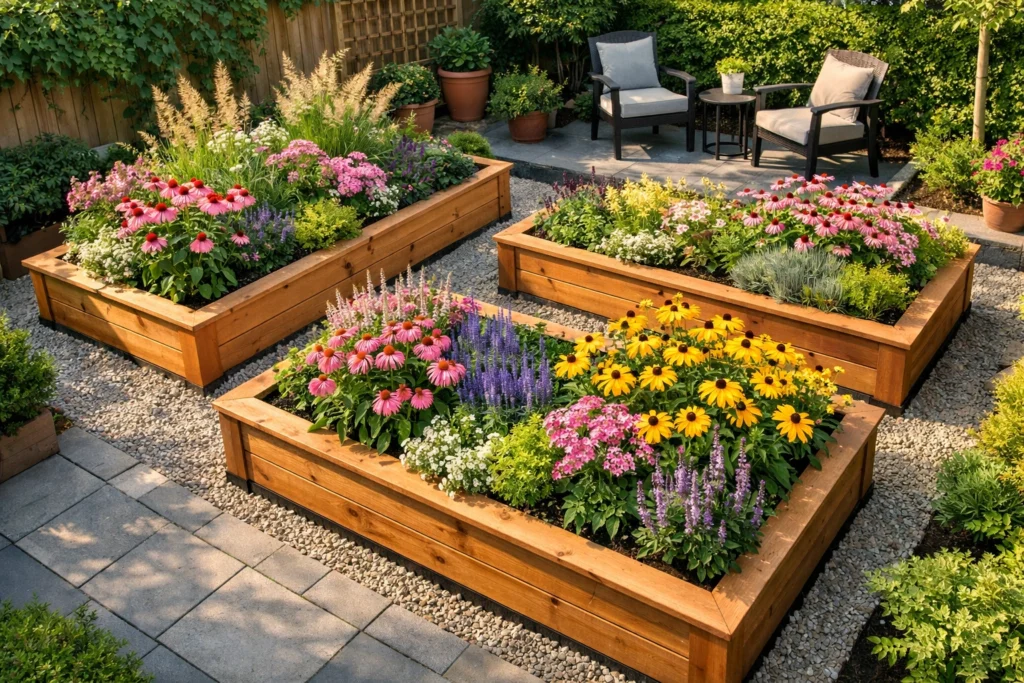
Raised beds bring multiple advantages to small backyard flower gardens beyond their obvious aesthetic appeal. They define distinct garden zones, improve drainage, warm soil earlier in spring, and reduce bending and kneeling for easier maintenance. In compact spaces, raised beds create structure and organization that prevents the chaotic overcrowded look that sometimes plagues small gardens when plants grow directly in the ground without clear boundaries.
you may also like this:12 Home Garden Ideas for a Beautiful Outdoor Retreat
Build raised beds in dimensions that allow you to reach the center comfortably from all sides without stepping into the bed itself. A width of three to four feet works well for most gardeners. Length can extend as space permits, and height typically ranges from eight to eighteen inches depending on your preferences and physical needs. Deeper beds accommodate plants with larger root systems and retain moisture longer during dry periods.
Material choices for raised bed construction include cedar and redwood which resist rot naturally, composite lumber that requires no maintenance, galvanized metal for a modern industrial look, or stone and brick for traditional formality. Fill beds with high quality planting mix rather than native soil to ensure proper drainage and nutrition from the start. This controlled environment allows you to succeed with flowers that might struggle in your natural ground conditions, expanding your planting possibilities considerably.
Choose Compact and Dwarf Flower Varieties
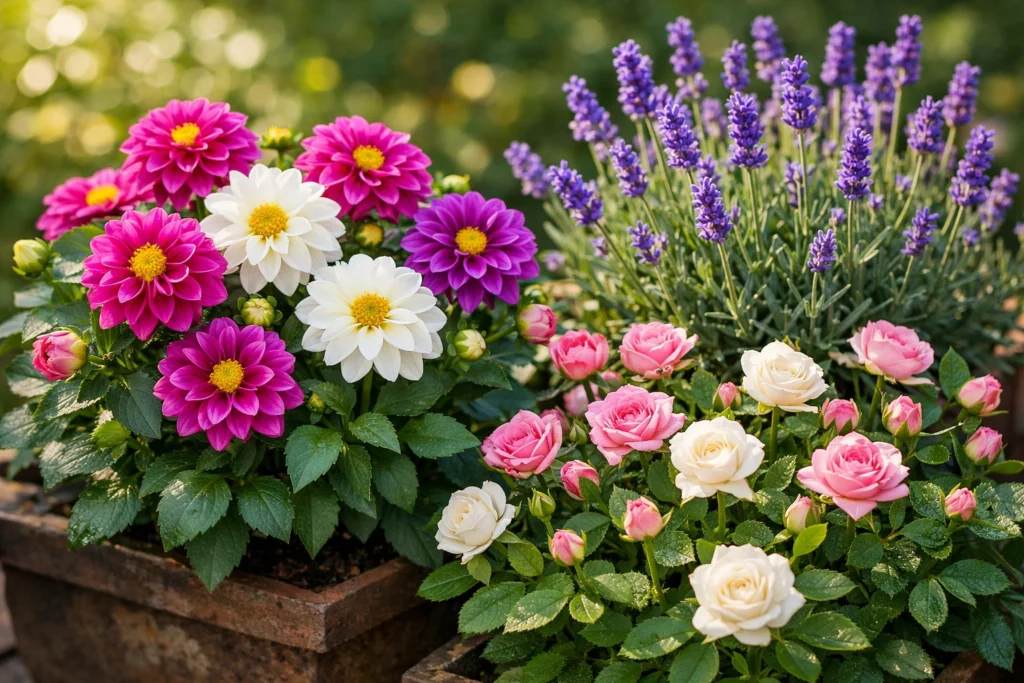
Plant breeders have developed countless dwarf and compact cultivars specifically for small space gardening. These varieties deliver the same beautiful blooms as their full sized counterparts but in proportions that suit containers, narrow borders, and petite garden beds. Selecting appropriately sized plants from the outset prevents the need for constant pruning and keeps your garden feeling balanced rather than overwhelmed by overgrown specimens.
Dwarf dahlias, miniature roses, compact lavender, and petite petunia varieties all provide abundant color without dominating limited space. Read plant tags carefully and note the mature size before purchasing. Many garden centers now designate sections specifically for patio and container suitable plants, making selection easier. When shopping online, search specifically for dwarf, compact, or patio varieties of your favorite flowers.
Combining different plant sizes creates visual interest even in tiny gardens. Use taller focal point plants sparingly, fill the middle layer with medium height flowers, and edge beds with compact spreading varieties. This thoughtful scaling makes small gardens feel intentionally designed rather than accidentally miniature. The result is a garden that looks lush and full without any single plant overtaking its neighbors or requiring aggressive pruning to maintain appropriate proportions.
Design with Color Blocking for Maximum Impact
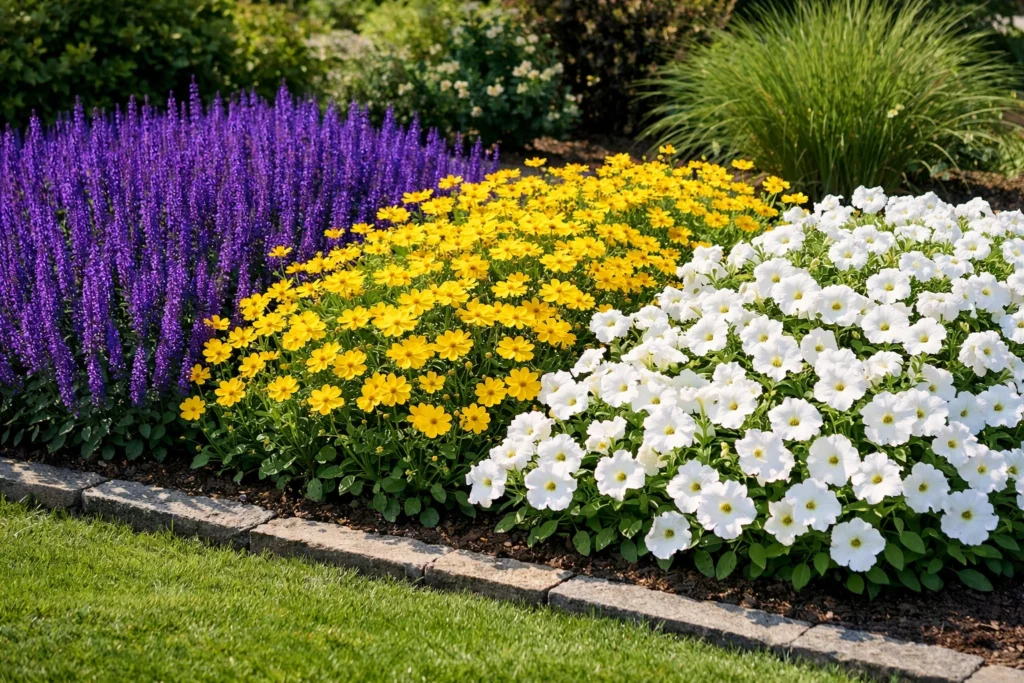
Strategic color use amplifies visual impact dramatically in small gardens where every plant choice matters. Color blocking, which groups multiple plants of the same hue together, creates bold statements that read clearly even from a distance. This approach proves more effective in compact spaces than mixing colors randomly which can appear chaotic and diminished when viewed as a whole.
Choose a limited color palette of two to three complementary or contrasting colors and repeat that scheme throughout your garden. Purple and yellow create vibrant energy. Pink and white deliver soft romance. Orange and blue offer modern drama. Monochromatic gardens using various shades of a single color create sophisticated cohesion. Whatever palette you select, repetition unifies the space and makes it feel larger and more intentionally designed.
Plant in drifts or masses rather than single specimens scattered throughout the garden. Group five, seven, or nine plants of the same variety together for impact rather than planting one of each in different locations. This massing technique mimics how flowers grow naturally in meadows and creates the visual weight necessary for each color block to register properly. The resulting garden feels abundant and purposeful rather than sparse and accidental despite working within tight spatial constraints.
Incorporate Perennial Flowers for Year After Year Beauty
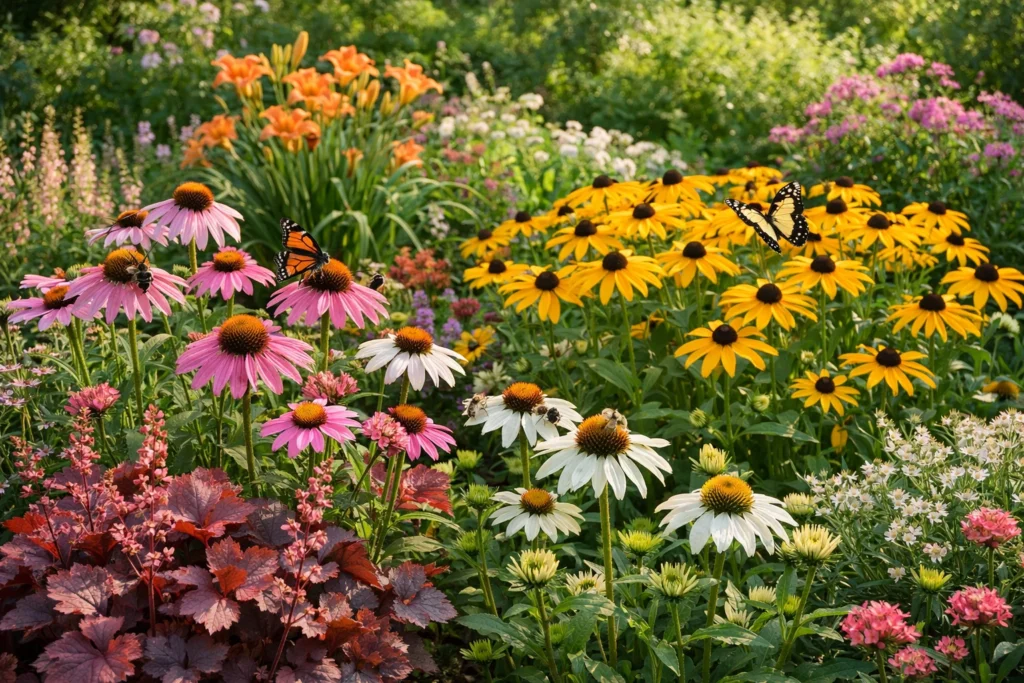
Perennial flowers return season after season, offering excellent value and reducing annual replanting effort. For small backyard gardens, perennials provide structure and reliability while requiring less maintenance than gardens dependent on annuals. Choose varieties with extended bloom periods or interesting foliage that contributes beauty beyond flowering time to maximize the return on your limited planting space.
Coneflowers, black eyed Susans, daylilies, hostas, coral bells, and salvia all perform reliably in small gardens. Select compact cultivars specifically and combine early, mid, and late season bloomers to ensure continuous color from spring through fall. Layer spring bulbs beneath later blooming perennials to maximize each planting spot, essentially growing two seasons of flowers in the same square footage.
Perennials do require division every few years to maintain vigor, but this maintenance actually provides new plants to expand your garden or share with neighbors. Their permanent nature means you can invest in soil preparation and proper placement once rather than reworking beds annually. Over time, perennials develop mature root systems that withstand drought and weather extremes better than annuals, reducing water needs and overall maintenance while delivering increasingly impressive displays each season.
Add Window Boxes and Hanging Baskets for Aerial Gardens
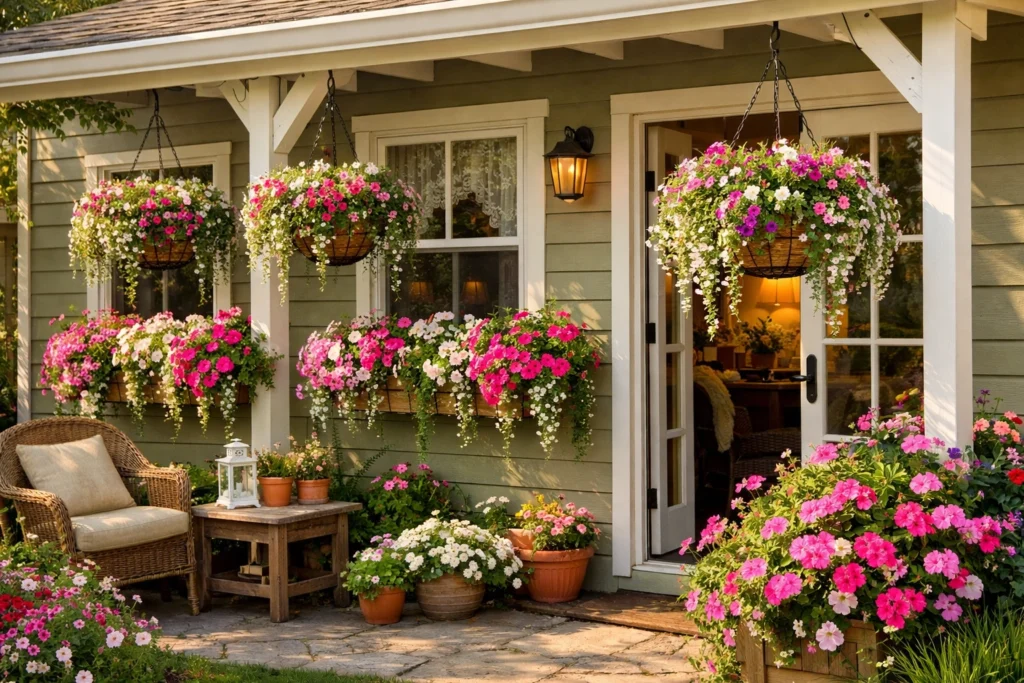
Window boxes and hanging baskets extend your garden upward and outward without consuming ground space. These aerial plantings draw the eye up, making small yards feel taller and more spacious while adding vertical layers of color. They also bring flowers closer to eye level where you can appreciate details easily whether viewing from inside your home or relaxing on your patio.
Choose trailing flowers like petunias, calibrachoa, bacopa, and ivy geraniums for hanging baskets where their cascading habit creates living flower waterfalls. Window boxes accommodate slightly more upright varieties combined with trailing edge plants that soften the container edge. Mix flowers with complementary foliage plants for texture and to fill gaps between blooms throughout the season.
These elevated gardens require more frequent watering than ground plantings since they dry out quickly in sun and wind. Install them where you can reach them easily with a hose or watering can, and consider self watering varieties that include reservoirs to extend time between waterings. The extra maintenance proves worthwhile for the abundant color these containers deliver in spaces where ground planting simply isn’t possible or where you want to layer even more flowers into an already full garden.
Create a Dedicated Cutting Garden Section
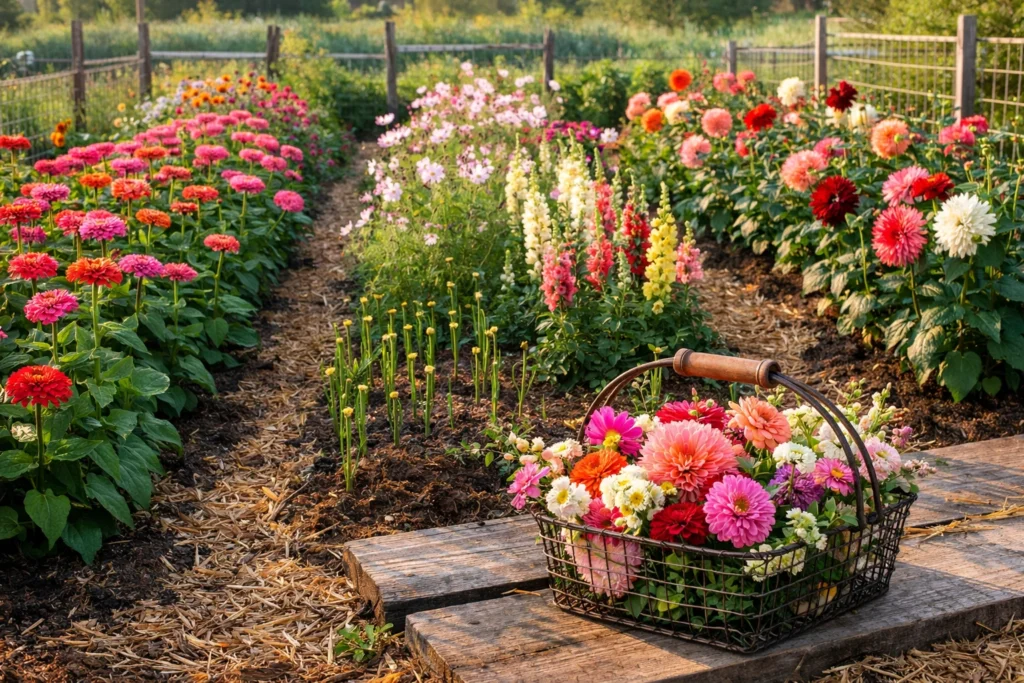
Even small backyards can include a compact cutting garden that provides fresh flowers for indoor arrangements without decimating your main display. Dedicate a small raised bed or section of border specifically to flowers grown for cutting. This approach allows you to harvest blooms freely while keeping your primary garden looking full and untouched.
Zinnias, cosmos, sunflowers in dwarf varieties, snapdragons, and dahlias all make excellent cutting flowers that produce prolifically when harvested regularly. Plant them in rows or tight clusters rather than ornamental arrangements since appearance matters less in this functional garden area. The more you cut, the more these varieties produce, making them ideal for small spaces where every plant needs to work hard.
Position your cutting garden in a less visible area if possible, perhaps along a side yard or behind taller ornamental plantings. This dedicated space gives you the freedom to leave stems cut at various heights and gaps between plants without worrying about aesthetic impact. You’ll enjoy fresh flowers indoors weekly while your main garden maintains its designed appearance throughout the growing season.
Design Narrow Border Gardens Along Fences and Walls
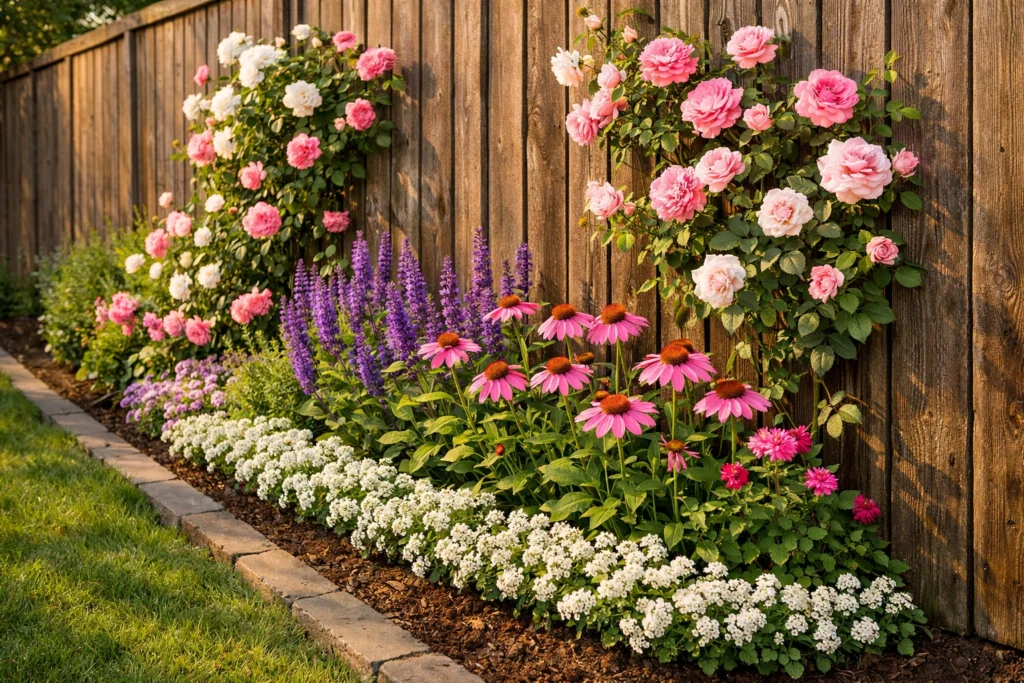
Narrow borders running along fences, walls, and property lines utilize space that might otherwise remain empty while creating attractive frames for your outdoor living areas. These linear gardens work beautifully in small backyards where every edge and margin offers potential growing space. A border only twelve to eighteen inches deep can accommodate impressive displays when planted thoughtfully with appropriately scaled varieties.
Use the vertical surface behind your border as growing space by training climbing flowers upward as discussed earlier. This doubles the effective planting area within the same narrow footprint. Choose flowers that tolerate the specific light conditions your border receives, whether that’s full sun, partial shade, or deep shade depending on surrounding structures and mature trees.
Plant borders in layers with taller plants near the back fence or wall, medium height varieties in the center, and compact edge plants along the front. This graduated approach creates depth and ensures all plants receive adequate light and visibility. Narrow borders also benefit from hardscape edging that defines their boundary cleanly and prevents lawn from encroaching over time. The structured linear design these borders provide organizes small spaces beautifully while maximizing planting area along otherwise wasted edges.
Embrace Companion Planting for Healthier Gardens
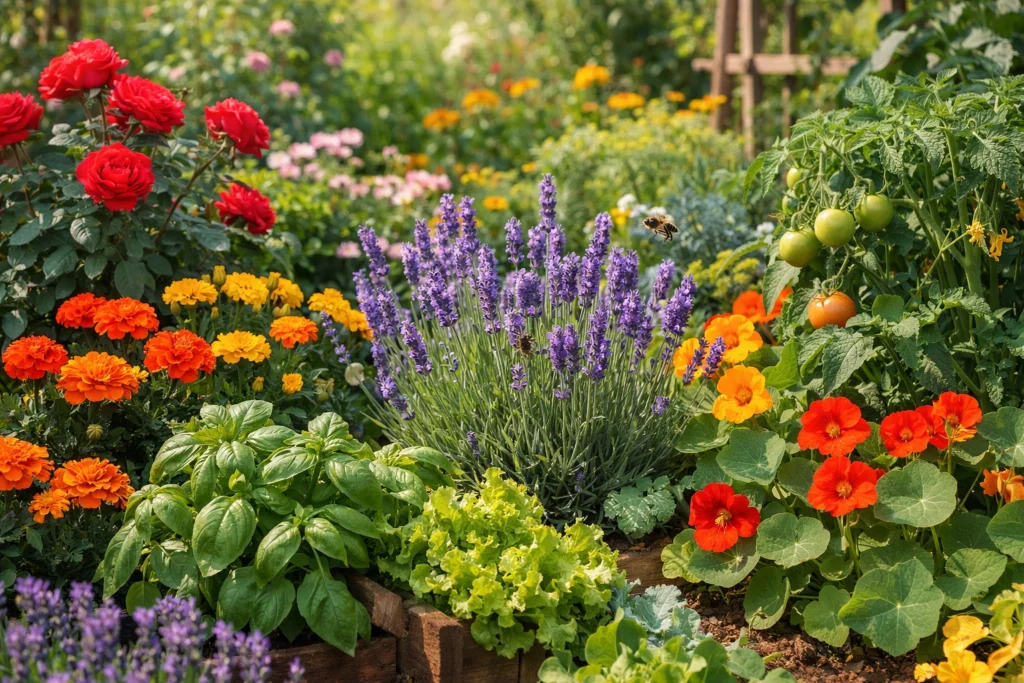
Companion planting pairs flowers, herbs, and vegetables that benefit each other through pest deterrence, improved pollination, or complementary growth habits. This traditional gardening wisdom proves especially valuable in small spaces where plants grow in close proximity. Strategic companions keep gardens healthier naturally without relying on chemical interventions that many gardeners prefer to avoid.
Marigolds deter aphids and other pests, making them excellent companions for roses and vegetables. Lavender attracts beneficial pollinators while repelling unwanted insects. Nasturtiums serve as trap crops, luring aphids away from more valuable plants. Herbs like basil, oregano, and thyme offer aromatic pest deterrence while providing kitchen ingredients and attractive foliage that complements flowering plants beautifully.
Companion planting in small gardens also maximizes space by combining plants with different growth habits in the same area. Tall sunflowers provide afternoon shade for heat sensitive lettuce. Shallow rooted flowers coexist peacefully with deep rooted vegetables. Nitrogen fixing sweet peas improve soil for subsequent plantings. These relationships create productive ecosystems where plants support each other naturally, resulting in healthier more resilient gardens that thrive despite tight spacing.
Install Garden Mirrors to Create Depth Illusion
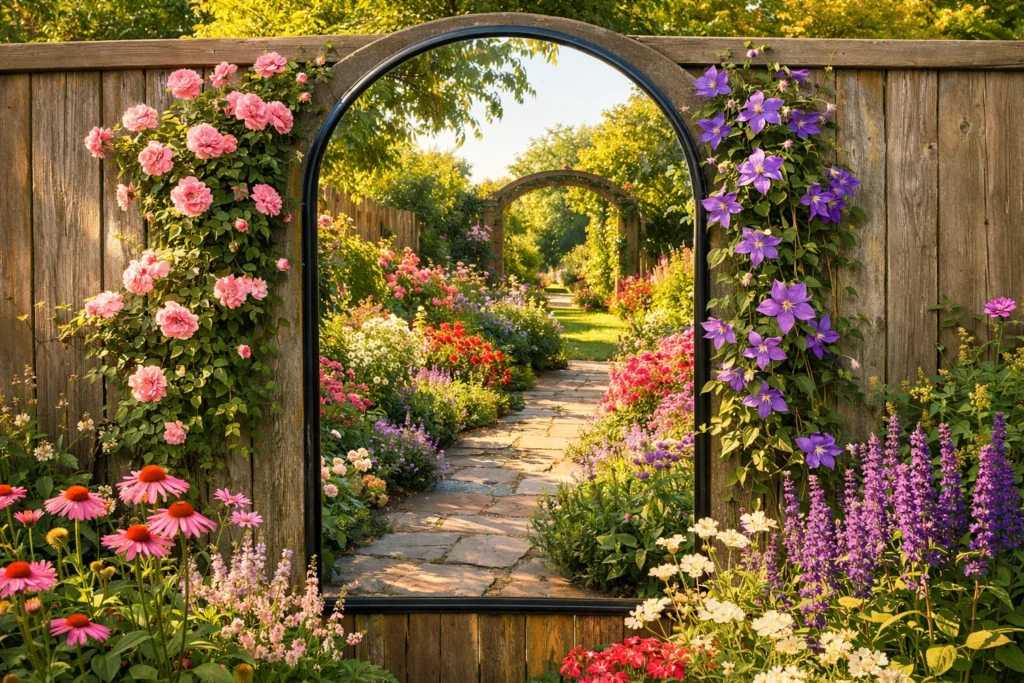
Garden mirrors strategically placed on fences or walls create remarkable illusions of depth and space. Weatherproof outdoor mirrors reflect light and plants, essentially doubling the perceived size of small gardens. Position mirrors to reflect particularly attractive plantings or to bounce light into darker corners, brightening areas that might otherwise feel dingy and unwelcoming.
Frame mirrors with climbing flowers or place them behind particularly lush plantings so the reflection appears to continue the garden endlessly. Arched mirror designs create the impression of a secret garden visible through a doorway. Ensure mirrors are properly secured and positioned to avoid reflecting harsh sun directly into seating areas or neighboring properties. The reflective surface should enhance your garden view rather than create glare or discomfort.
This design trick works remarkably well in long narrow yards where depth is limited. A mirror at the far end makes the space appear to extend much farther than it actually does. The reflected flowers and foliage create visual complexity and interest that makes visitors pause and look twice, extending the time they spend appreciating your garden design. The result is a small garden that feels significantly more spacious than its actual dimensions would suggest.
Select Fragrant Flowers for Sensory Richness
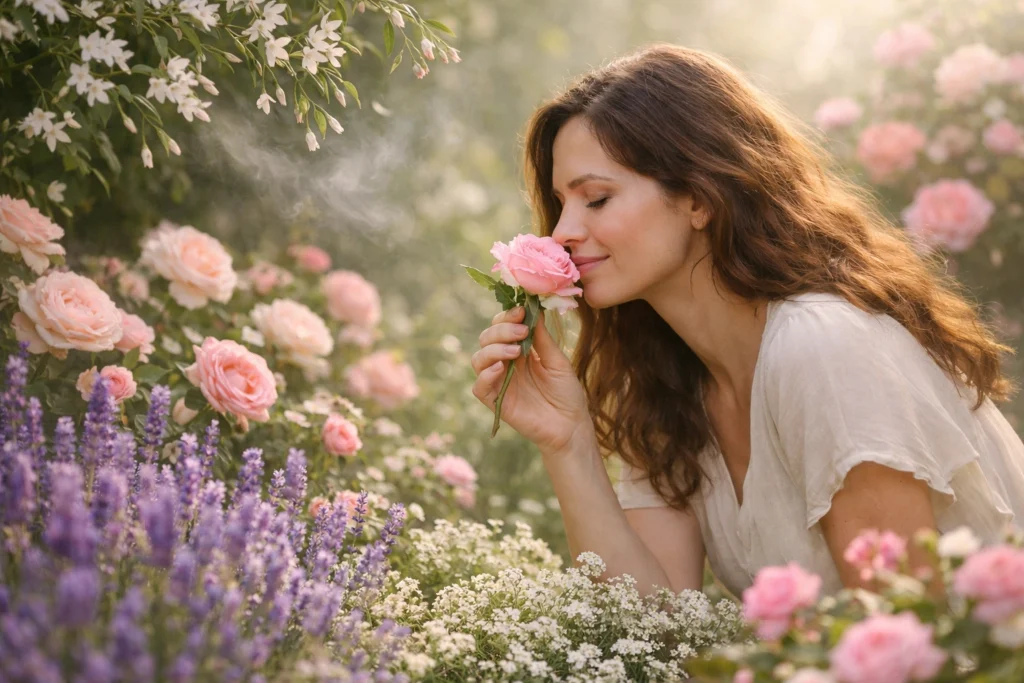
Fragrance adds a dimension to garden enjoyment that’s entirely separate from visual beauty. Small gardens excel at delivering concentrated fragrance experiences since scent accumulates in enclosed spaces rather than dissipating across large open areas. Choose flowers known for powerful perfume and position them near seating areas, pathways, and windows where you’ll encounter their fragrance regularly.
Roses, jasmine, lavender, stock, sweet alyssum, heliotrope, and nicotiana all offer memorable fragrances that transform gardens into multisensory experiences. Evening bloomers like four o’clocks and moonflowers release scent primarily at dusk, creating magical twilight gardens perfect for after work relaxation. Layer different fragrances throughout the season so something is always perfuming the air.
Fragrance considerations matter more in small spaces where neighbors live in close proximity. While you may adore powerful scents, consider whether surrounding properties might find certain fragrances overwhelming when windows are open. Choose varieties with pleasant rather than cloying scents and position the most intensely fragrant plants away from property lines. This courtesy ensures your garden remains a neighborhood asset rather than becoming a source of conflict or complaint.
Create Themed Garden Sections for Visual Cohesion
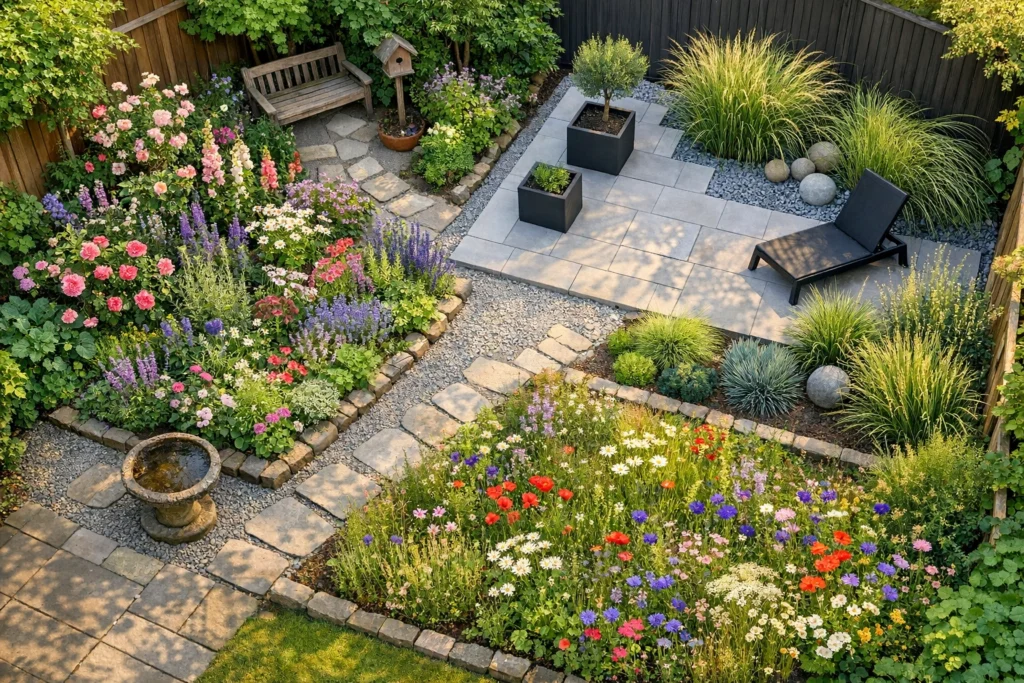
Organizing small gardens into themed sections provides structure and purpose even within tight spaces. A cottage garden corner, a formal rose section, a wildflower meadow patch, or a modern minimalist area each tells a distinct story. These themed zones create interest and variety while maintaining cohesion through their internal consistency. The result is a garden that feels larger because it contains multiple distinct experiences despite limited overall size.
Themes can reflect color palettes, design styles, plant types, or intended uses. A cutting garden section, butterfly garden area, and fragrance garden corner could all coexist happily in a modest backyard with clear transitions between zones. Use pathways, edging, or changes in mulch color to delineate boundaries between themes. Each section should feel complete within itself while contributing to the garden’s overall harmony.
Themed sections also simplify plant selection and care. Once you commit to a cottage garden aesthetic, choosing appropriate flowers becomes easier since you’re working within defined parameters. Maintenance requirements often align within themed areas, allowing you to water, feed, and care for entire sections efficiently. This organizational approach prevents small gardens from becoming chaotic collections of unrelated plants while maximizing the diversity and interest your limited space can showcase.
Conclusion
Small backyard spaces present opportunities rather than limitations for gardeners willing to think strategically about plant selection and design. The thirteen flower garden ideas for small backyards presented here demonstrate that confined dimensions need not constrain creativity or beauty. Vertical growing, thoughtful plant choices, layered containers, and clever design tricks transform even the tiniest yards into abundant flower filled sanctuaries.
Success in compact gardens comes from maximizing every dimension, choosing plants scaled appropriately to the space, and designing with intention rather than randomly filling available ground. Each square foot becomes precious real estate worthy of careful consideration. The most effective small gardens feel lush and abundant rather than cramped, achieved through strategic layering, color blocking, and the confidence to edit ruthlessly when plants outgrow their allotted space.
Your small backyard offers a manageable canvas where you can experiment with design ideas, color combinations, and plant varieties without the overwhelming maintenance demands of larger properties. Start with one or two strategies from this guide, assess what works in your specific conditions, and expand gradually. The resulting garden will provide daily beauty and satisfaction while proving definitively that garden magic requires passion and creativity far more than it requires acreage.
Frequently Asked Questions
What are the best flowers for small backyard gardens?
Compact varieties of proven performers work best in small spaces. Choose dwarf dahlias, miniature roses, petunias, zinnias, marigolds, and salvia. Perennials like coral bells, compact coneflowers, and dwarf daylilies provide reliable color year after year. Always check mature size before purchasing and select varieties specifically bred for containers and small gardens.
How do I make my small backyard garden look bigger?
Use vertical growing space with climbing flowers and trellises. Add mirrors to create depth illusions. Choose a limited color palette and repeat it throughout. Plant in layers with taller plants in back and shorter ones forward. Create distinct themed sections with clear transitions. These strategies create visual complexity and perceived spaciousness even in compact areas.
Can I have a flower garden with limited sunlight?
Many beautiful flowers thrive in partial or full shade. Hostas, astilbe, bleeding heart, impatiens, begonias, and coral bells all perform well without direct sun. Assess how many hours of sunlight different areas receive and select plants matched to those conditions. Shade gardens often require less water and maintenance than full sun gardens.
How often should I water flowers in a small garden?
Watering frequency depends on weather, soil type, and plant varieties. Container gardens typically need daily watering during hot weather. In ground plantings may need water two to three times weekly. Water deeply and less frequently rather than shallow daily watering to encourage deep root growth. Early morning watering reduces disease and water loss to evaporation.
What is the easiest flower garden for beginners with small spaces?
Start with container gardens using easy annuals like petunias, marigolds, and zinnias. These forgiving flowers bloom prolifically with basic care and containers allow you to control soil quality completely. Add a few perennials like coneflowers or black eyed Susans for low maintenance color that returns annually. Begin with six to eight plants total, learn their needs, and expand gradually as confidence grows.



One Comment