
15 First Valentine’s as a Couple: Simple Traditions You’ll Want to Repeat Every Year
Your first Valentine’s Day as a couple marks a significant milestone in your relationship. Unlike couples who have celebrated this romantic holiday together for years, you have a unique opportunity to establish traditions that will define your love story for decades to come. The beauty of celebrating your first Valentine’s Day together lies not in grand gestures or expensive gifts, but in the intention behind how you choose to spend the day. This holiday represents a chance to honor your connection, communicate your values, and create memories that will make you smile for years to come.
Many new couples feel pressure to make their first Valentine’s Day perfect or worry about setting unrealistic expectations. The truth is that your first celebration is more about understanding each other and beginning to build meaningful rituals than achieving perfection. Whether you have been together for three months or three weeks, this guide will help you navigate your first Valentine’s Day with confidence and create traditions simple enough to repeat annually, yet meaningful enough to treasure forever.
1. Recreate Your First Date

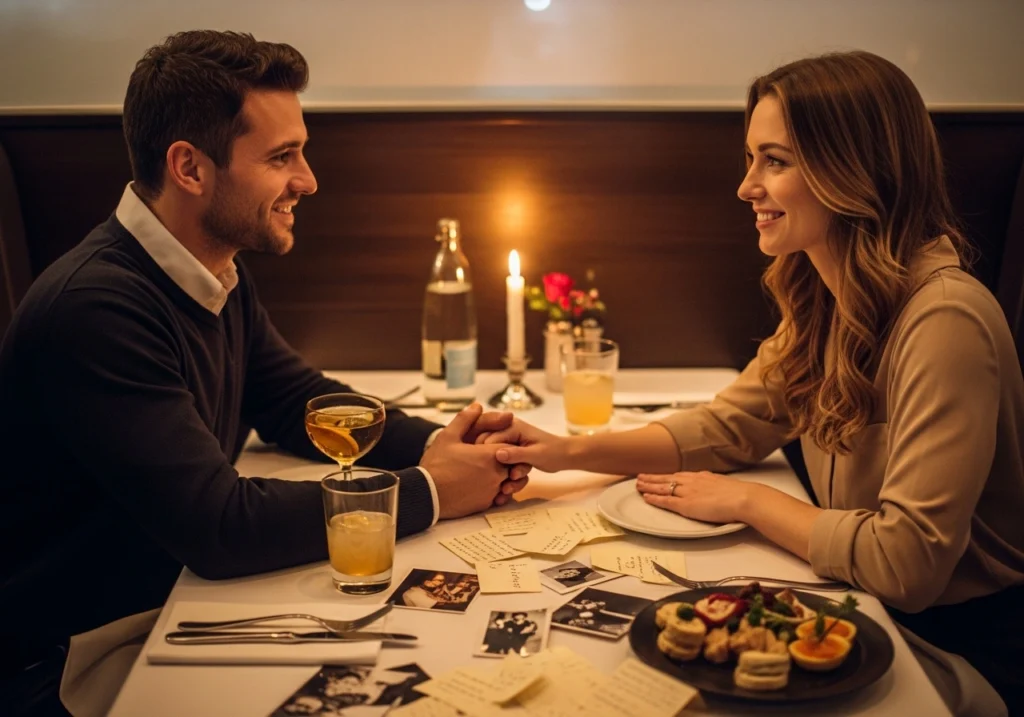
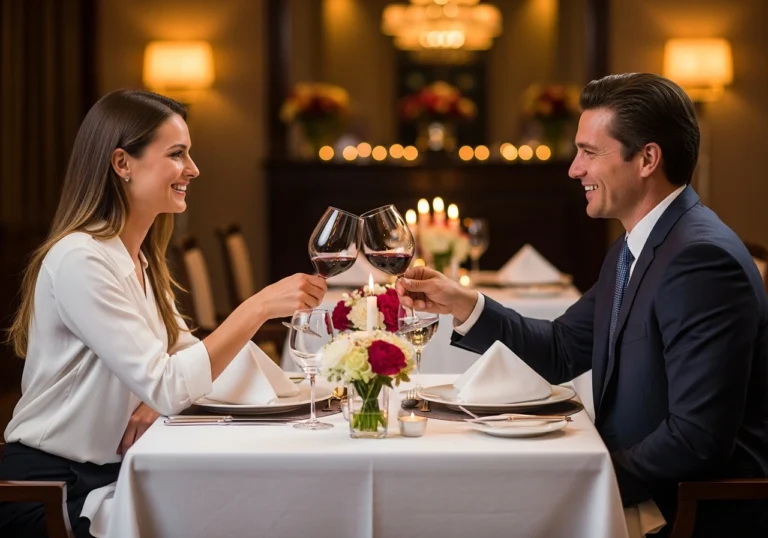
One of the most cherished ways to celebrate your first Valentine’s together is by returning to where it all began. Recreating your first date allows you both to reminisce about those early butterflies and excitement while reinforcing why you fell for each other in the first place.
If your first date took place at a particular restaurant, make reservations at the same location. Order the same meals if you can remember them, sit at a similar table if possible, and relive the conversation and emotions from that evening. If your first date involved an activity like visiting a museum, going to the movies, or exploring a neighborhood together, recreate that experience. You might notice how you both have grown and changed since that first meeting, making the comparison both heartwarming and enlightening.
This tradition works particularly well because it requires minimal planning beyond remembering details from your past. It is affordable, personal, and automatically meaningful because it is rooted in your unique love story rather than generic Valentine’s traditions.
2. Exchange Handwritten Love Letters
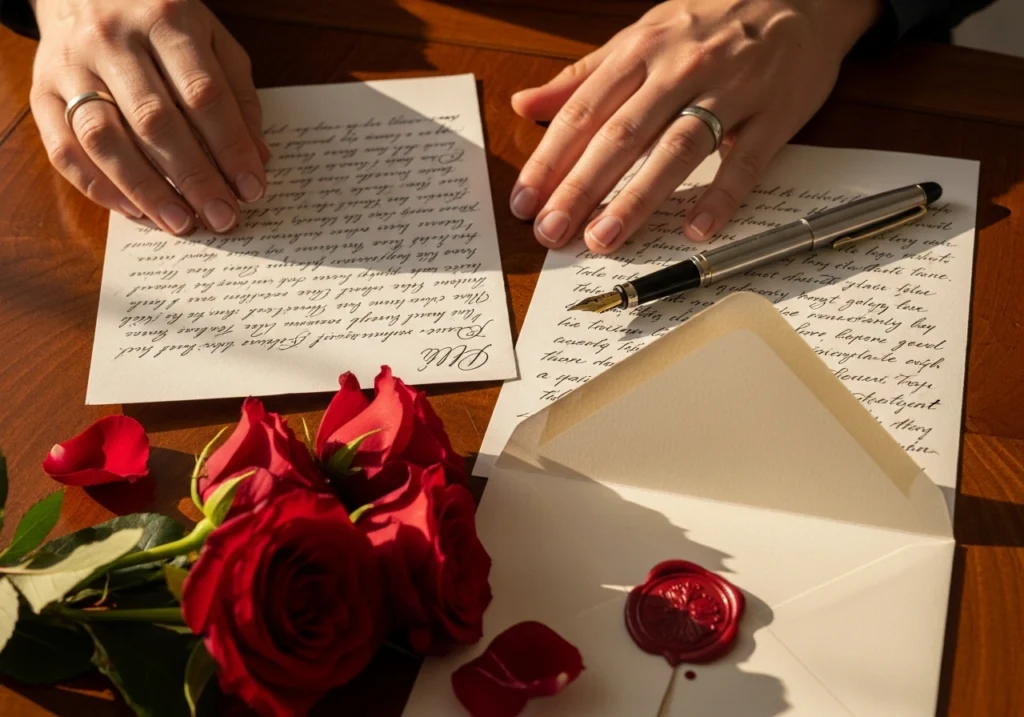
In our digital age, the act of writing a handwritten letter has become increasingly rare and therefore incredibly powerful. Instead of buying a generic Valentine’s card from a store, take time to write heartfelt letters to each other explaining what your partner means to you, specific moments that made you fall in love, and hopes you have for your future together.
These letters do not need to be lengthy or poetically perfect. They simply need to be honest and sincere. Write about the qualities you admire, the ways your partner has surprised you, and how your life has changed since meeting them. The physical act of handwriting creates a tangible expression of love that your partner can revisit on difficult days or simply when they want to feel reconnected to you.
You can exchange these letters during dinner, on a quiet evening at home, or make it a ceremonial part of your Valentine’s celebration. Many couples report that these handwritten letters become treasured keepsakes that they return to year after year, watching their love grow through the accumulation of these written expressions.
3. Create a Couples Playlist Together

Music has a unique ability to capture emotions and memories in ways that words sometimes cannot. Work together to create a playlist of songs that represent your relationship, include tracks from your first date, and add songs that simply make you both feel good.
Ask each other meaningful questions as you build this playlist: What song was playing when you first realized you were in love? What tracks remind you of each other? What are your favorite love songs? This activity becomes a conversation starter that helps you learn more about each other while creating something you can enjoy together.
Unlike a one-directional gift, a couples playlist is interactive and evolves over time. You can add to it annually, creating a musical timeline of your relationship. Listen to it during drives, while cooking dinner together, or during intimate moments at home. This simple tradition costs nothing yet provides endless enjoyment and nostalgia.
4. Cook or Bake Something New Together

Rather than dining at an expensive restaurant where you might feel pressure to maintain perfect table manners and conversation, consider cooking or baking together at home. Select a recipe that neither of you has made before, something that excites you both, and spend the evening creating it together.
The process of cooking side by side creates natural opportunities for laughter, teamwork, and conversation. You will discover how your partner approaches problem solving, whether they like to follow recipes exactly or improvise, and how you handle minor mishaps like a slightly burnt edge or forgotten ingredient. These insights into each other’s personalities are far more valuable than any fancy meal.
Cooking together is also significantly more budget-friendly than restaurant dining, allowing you to invest in higher-quality ingredients or save money for other aspects of your celebration. The meal becomes secondary to the experience of creating it together, making this tradition accessible regardless of your culinary skills or financial situation.
5. Plan a Day Date with Fun Activities

First Valentine’s Days work wonderfully when you incorporate activities that allow you to enjoy each other’s company without the pressure of constant conversation. Day dates featuring activities like bowling, ice skating, miniature golf, or hiking provide natural talking points and allow you both to relax into the celebration.
These casual, activity-based dates are particularly valuable for newer couples who might still be navigating the early stages of getting to know each other. The lighthearted nature of these activities removes some of the weight that can accompany Valentine’s Day expectations and allows your natural chemistry to shine through.
Choose activities that align with both of your interests and energy levels. If you both love the outdoors, a nature walk combined with a picnic works perfectly. If you are more artistically inclined, visit a pottery studio or take a painting class together. The activity matters less than the shared experience and the memories you create.
6. Give Each Other Meaningful, Personalized Gifts
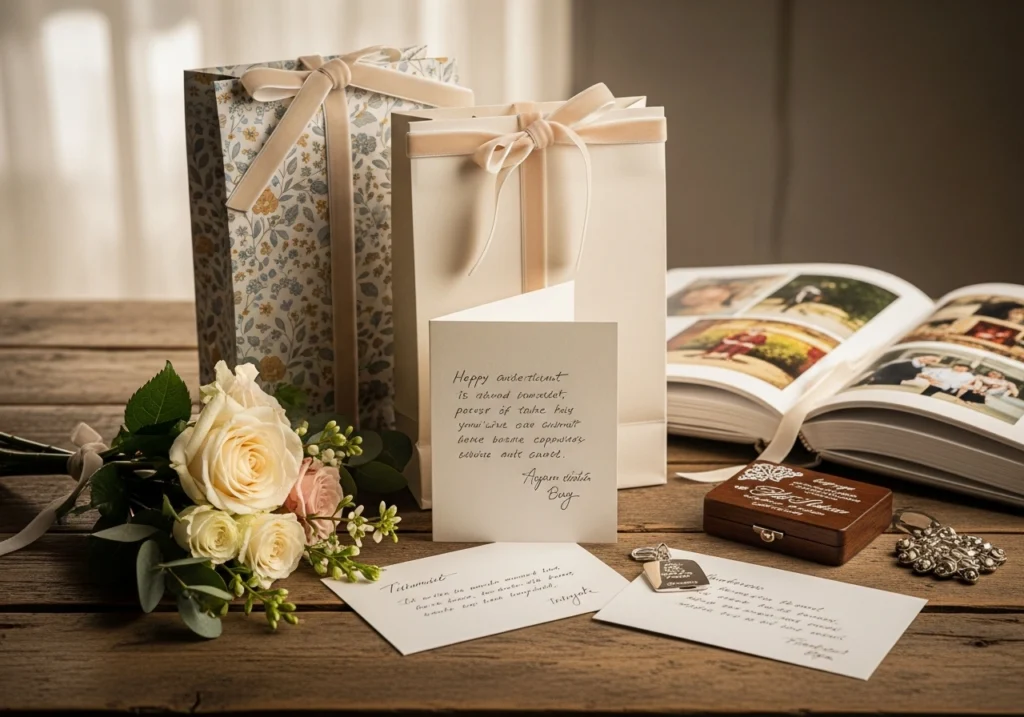
Rather than defaulting to traditional Valentine’s gifts like generic chocolate boxes or mass-produced flowers, consider creating or selecting gifts that reflect what you know about your partner so far.
A handmade photo album featuring your favorite photos together from your dating period, a custom playlist printed with personalized artwork, a journal filled with reasons why you love them, or a map print of the location where you first met are all deeply personal alternatives. These gifts demonstrate that you have been paying attention to your partner’s interests, personality, and preferences.
If you choose to purchase gifts, select items that serve a purpose in your partner’s daily life. A beautiful coffee mug, a cozy sweater, a book they have mentioned wanting to read, or skincare products in their favorite scent all show thoughtfulness without feeling extravagant. The best gifts acknowledge who your partner is while showing you care enough to give something meaningful.
7. Start a Valentine’s Day Tradition Jar

Commit to making your first Valentine’s Day the beginning of an annual tradition by creating a jar together where you can deposit small notes, wishes, and memories throughout the year.
Each time something special happens, when you notice your love deepening, or when you want to remember a particular moment, write it down and place it in the jar. On the following Valentine’s Day, read these notes together, laugh at the inside jokes, and marvel at how much your relationship has grown in a single year.
This simple ritual ensures that you are consciously appreciating your relationship and documenting its evolution. Over time, you will accumulate years of memories in these jars, creating a tangible record of your love story that you can return to whenever you need reminding of why you chose each other.
8. Have Deep Conversations Using Conversation Starters

Valentine’s Day provides a perfect opportunity to move beyond surface-level conversations and explore topics that deepen your understanding of each other. Prepare conversation starters that encourage both of you to share thoughts, dreams, and vulnerabilities.
Question sets like the famous 36 questions to fall in love or custom questions you create together can guide meaningful discussions. Ask each other about your childhood experiences, your greatest fears, your biggest dreams, and what you value most in relationships. These conversations build emotional intimacy and ensure that your first Valentine’s Day becomes about genuine connection rather than commercial obligations.
Set aside time without distractions, perhaps during dinner at home or on a quiet evening together, to engage in these deeper discussions. You might be surprised by what you learn about your partner and how much closer you feel after spending time in authentic conversation.
9. Arrange a Couples Massage or Spa Experience

If your budget allows, booking a couples massage or spa treatment offers a luxurious way to prioritize relaxation and togetherness. Many spas offer Valentine’s Day packages that include massages, facials, or other rejuvenating treatments designed for couples.
If professional spa treatments are outside your budget, create a spa experience at home. Dim the lights, light candles, prepare a warm bath with essential oils, and give each other massages. This intimate activity shows your partner that you value their well-being and want them to feel cared for.
The focus on wellness and relaxation communicates that your love includes wanting the best for your partner, not just romantic gestures. This tradition can become an annual ritual that you both look forward to as a way to unwind together.
10. Take Professional or Fun Couple Photos

Many couples neglect to have photos taken together outside of social media selfies. Use your first Valentine’s Day as motivation to either hire a photographer or arrange for a friend to capture some candid moments of you together.
These photos serve multiple purposes. They create lasting memories of this special day, provide images you can look back on as your relationship evolves, and demonstrate that you value commemorating your love. You can frame a favorite photo, use it as your phone wallpaper, or include it in future Valentine’s celebrations.
If hiring a photographer is not feasible, simply take selfies together or ask a friend to snap some candid shots during your celebration. The quality of the camera matters far less than the effort to document this milestone.
11. Write a Couples Bucket List

Sit down together and create a list of experiences you want to share as a couple. These might include trips you want to take, activities you want to try, milestones you want to reach, or adventures you want to embark upon.
Your bucket list can be as ambitious or modest as your circumstances allow. Include both big dreams like traveling to a specific country and smaller experiences like trying a new restaurant or learning to salsa dance. This activity helps you understand each other’s values and desires while creating shared goals for your relationship.
Revisit this bucket list together annually, checking off completed items and adding new aspirations. This tradition turns Valentine’s Day into a planning and visioning exercise that strengthens your connection to your future together.
12. Volunteer Together for a Cause You Both Care About

If you both value giving back to your community, consider spending part of your first Valentine’s Day volunteering together for a cause you care about. Whether you serve meals at a food bank, walk dogs at an animal shelter, or help at a local community event, this shared experience builds connection through purposeful action.
Volunteering together allows you to see each other’s values in action and discover how you work as a team toward something larger than yourselves. This tradition emphasizes that your love is not just about the two of you but about how you both want to impact the world.
Even a few hours of volunteer work followed by a casual meal together creates a Valentine’s Day that feels meaningful and aligned with your values.
13. Surprise Each Other with Small Gestures Throughout the Day
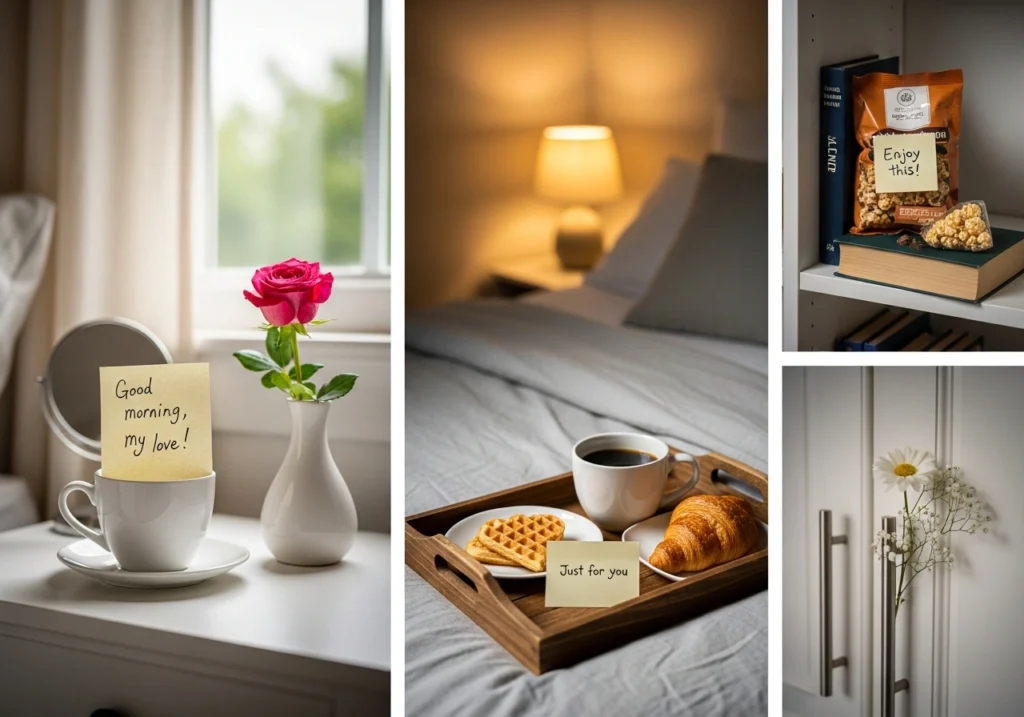
Rather than planning one elaborate gesture, commit to surprising each other with small, thoughtful acts throughout the day. Leave a love note in your partner’s bag, bring them breakfast in bed, send a thoughtful text message during work, or pick up their favorite snack without being asked.
These cumulative small gestures often feel more meaningful than one grand romantic moment because they demonstrate consistent attention and care. Your partner experiences multiple moments of happiness throughout the day, making Valentine’s Day feel like an ongoing celebration rather than a single event.
This approach also removes pressure from either partner to create one perfect moment, distributing the romantic effort in a more sustainable way that both of you can maintain in future years.
14. Visit a Place Meaningful to Your Relationship

If there is a location that holds special significance in your relationship, consider making a pilgrimage there as part of your Valentine’s celebration. This might be the spot where you first met, where your partner asked you to be exclusive, or simply a place that feels special to both of you.
Spend time at this location, reflect on what it means to your relationship, and take photos to commemorate the visit. This tradition grounds your celebration in the tangible, physical places that have mattered in your love story.
15. Simply Be Present With Each Other

Perhaps the most overlooked Valentine’s tradition is simply being fully present with your partner without distractions, agendas, or pressure. Whether you spend the day together at home watching movies, taking a leisurely walk, talking for hours, or sitting together in comfortable silence, the value lies in genuine connection.
Turn off your phones, eliminate work obligations, and create space for your relationship to be the priority. This presence and attention communicate clearly that your partner matters most to you, which is ultimately the point of Valentine’s Day.
you may also like this:15 Slow, Romantic Valentine’s Day Schedule (Hour-by-Hour)
Conclusion
Your first Valentine’s Day as a couple does not need to be expensive, elaborate, or stressful. The most meaningful traditions are those rooted in authenticity, respect, and genuine care for each other. Whether you choose to recreate your first date, exchange handwritten letters, cook together, or simply spend quality time in each other’s presence, what matters most is that you are consciously celebrating your connection.
As you establish these traditions during your first Valentine’s celebration, remember that they can evolve as your relationship deepens and your circumstances change. The traditions you begin this year become the foundation for annual celebrations that mark your growing love and commitment. Approach your first Valentine’s Day with joy rather than pressure, with intention rather than obligation, and with authenticity rather than pretense.
The traditions you create now will be the ones you return to year after year, adding meaning and continuity to your relationship. Make them reflect who you are as a couple and what truly matters to both of you. In doing so, you will create a first Valentine’s Day that becomes not just a single event to remember but the beginning of a beautiful annual ritual that celebrates and deepens your love together.
Frequently Asked Questions
1. What if we have been dating for a very short time, like only a few weeks? Is it appropriate to celebrate our first Valentine’s Day together?
Absolutely. There is no minimum relationship length required to celebrate Valentine’s Day together. If you are both interested in spending the day as a couple, that is what matters. Keep your celebration low-pressure and focused on getting to know each other better rather than grand romantic gestures. A casual date, conversation-focused activity, or simple dinner together is perfectly appropriate for newer relationships.
2. How much money should I spend on my first Valentine’s Day as a couple?
There is no specific amount you should spend. Your budget depends entirely on your financial situation and what feels comfortable to both of you. Many of the most meaningful traditions mentioned in this article cost nothing or very little. The value of your celebration comes from the thought and effort you invest, not the amount of money spent. Discuss expectations with your partner to ensure you are both comfortable with the financial aspect of your celebration.
3. What if my partner and I have very different ideas about how to celebrate Valentine’s Day?
Communication is essential. Have an open conversation about your preferences, expectations, and comfort levels regarding Valentine’s Day. One person might prefer an extravagant night out while the other prefers staying home. One might love surprises while the other feels anxious about unpredictability. By discussing these differences early, you can find compromises that honor both perspectives and make you both feel valued.
4. Should we exchange expensive gifts on our first Valentine’s Day?
Expensive gifts are not necessary for a meaningful first Valentine’s Day. Thoughtful, personalized gifts that demonstrate you know your partner often feel more meaningful than expensive items. Focus on gifts that align with your partner’s actual interests and your financial situation. Remember that gifts are one small part of your celebration, and experiences often create more lasting memories than material possessions.
5. What if my first Valentine’s celebration does not go exactly as planned?
Do not worry. The first Valentine’s Day is as much a learning experience as it is a celebration. If something does not go as expected, you have the opportunity to laugh about it, adjust, and do better next year. Some of the most memorable moments happen when plans go awry and you have to improvise together. Embrace the imperfection and focus on the connection rather than the execution of your plans.





One Comment