12 Courtyard Garden Ideas for Elegant Outdoor Living
A courtyard garden is one of the most versatile and rewarding outdoor spaces you can create. Whether you are working with a small enclosed backyard in the city or an expansive walled garden surrounding a country home, the courtyard format gives you a naturally defined canvas for elegant, purposeful design. Unlike open lawns or sprawling landscapes, courtyard gardens are intimate by nature. They invite you to think carefully about every square foot, and when done right, they become true extensions of your indoor living space.
Define the Space with Quality Paving
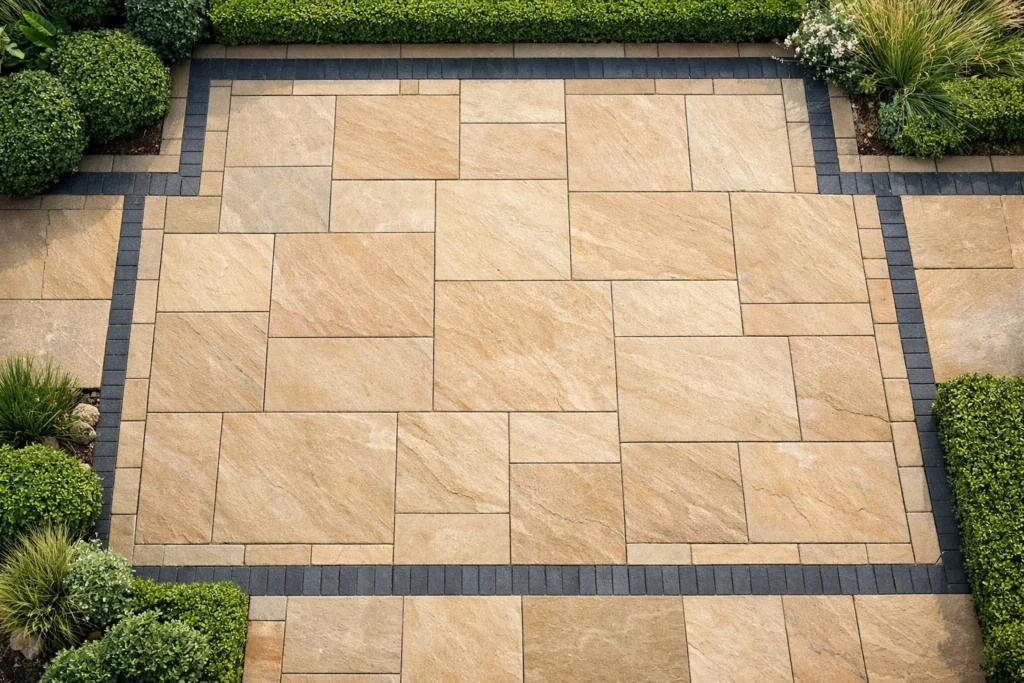
The foundation of any successful courtyard garden is the floor beneath your feet. The paving material you choose sets the tone for everything else. Natural stone such as sandstone, slate, or limestone brings timeless character and works beautifully in both traditional and contemporary settings. Porcelain tiles offer a sleek, low-maintenance alternative that holds up well in all weather conditions.
For a more cohesive and spacious feel, opt for large-format tiles or slabs rather than small, busy patterns. Keeping the flooring material consistent throughout the space creates a calm and unified aesthetic. Add a contrasting border in a complementary stone for subtle definition without visual clutter.
Embrace Vertical Gardening
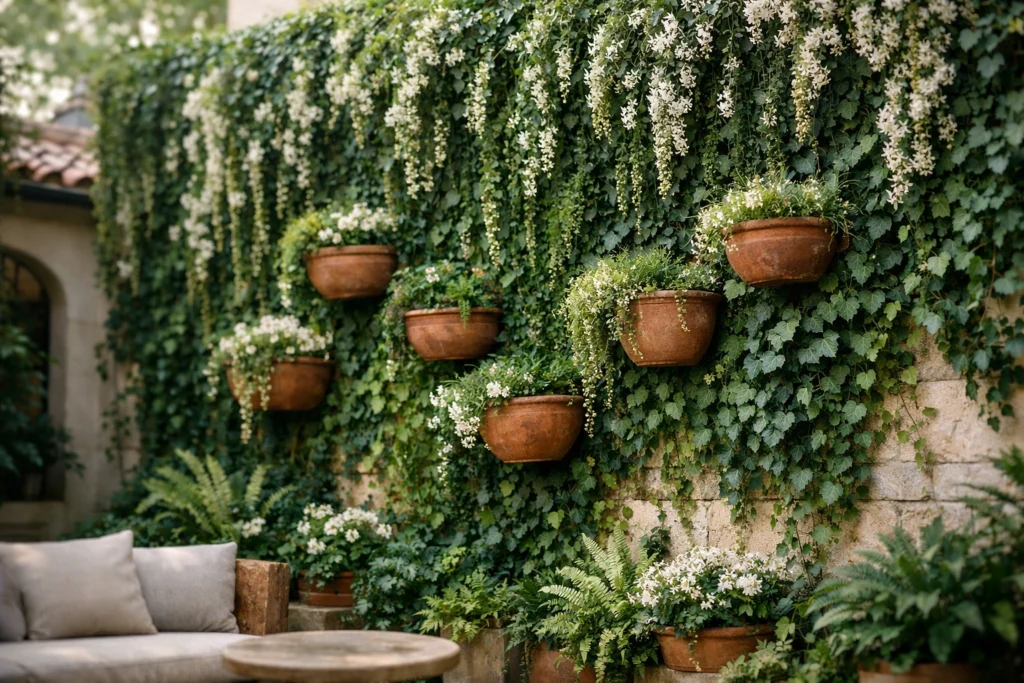
In a courtyard setting, wall space is one of your greatest assets. When horizontal square footage is limited, growing upward is the logical and beautiful solution. Climbing plants such as wisteria, jasmine, clematis, and ivy can transform bare walls and fences into living tapestries of texture, color, and scent.
Install a trellis, wire grid, or pergola frame to support climbers and give them a direction to grow. Wall-mounted planters and modular green wall panels are equally effective for adding vertical interest with herbs, ferns, succulents, or seasonal flowers. The result is a garden that feels layered, lush, and far larger than its actual footprint.
Introduce a Water Feature as a Focal Point
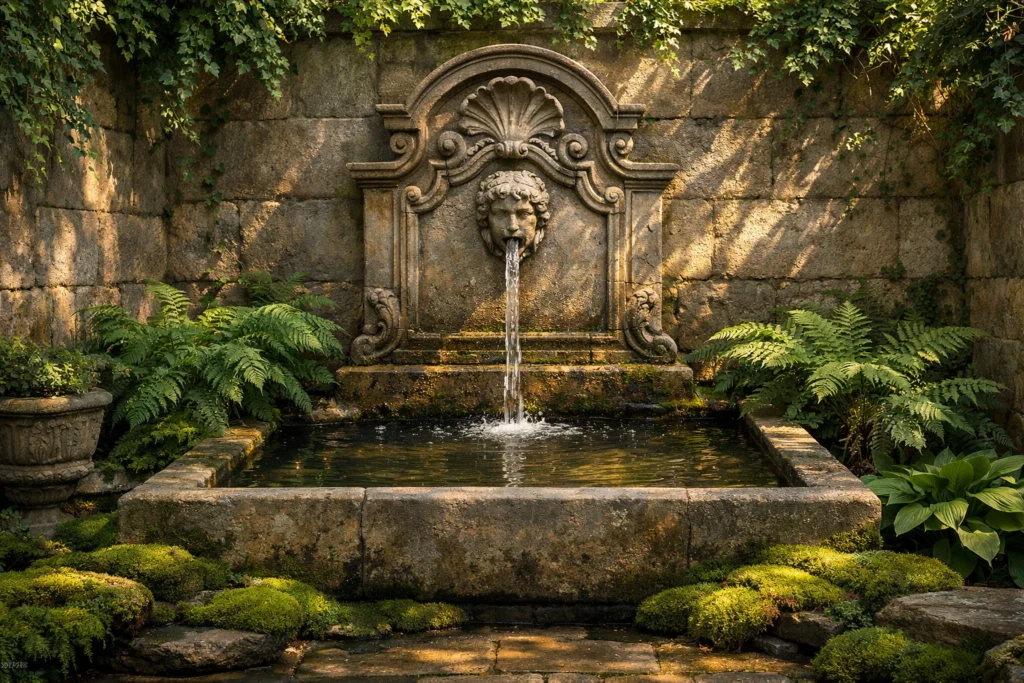
Few additions transform a courtyard garden as dramatically as a water feature. The gentle sound of moving water creates a sense of calm, masks street noise from the outside world, and introduces a sensory dimension that no plant or furniture piece can replicate. In a courtyard, even a modest wall-mounted fountain or a small recirculating stone bowl can have an outsized impact on the atmosphere.
you may also like this:13 Urban Garden Balcony Ideas for Small Apartments
Choose a water feature that complements the overall design style of your courtyard. A sleek stainless steel spout suits a contemporary setting, while a carved stone basin works beautifully in a Mediterranean or heritage-style space. Position the feature as a clear visual focal point, visible from your main seating area, so it anchors the garden and draws the eye naturally.
Design a Mediterranean-Inspired Courtyard
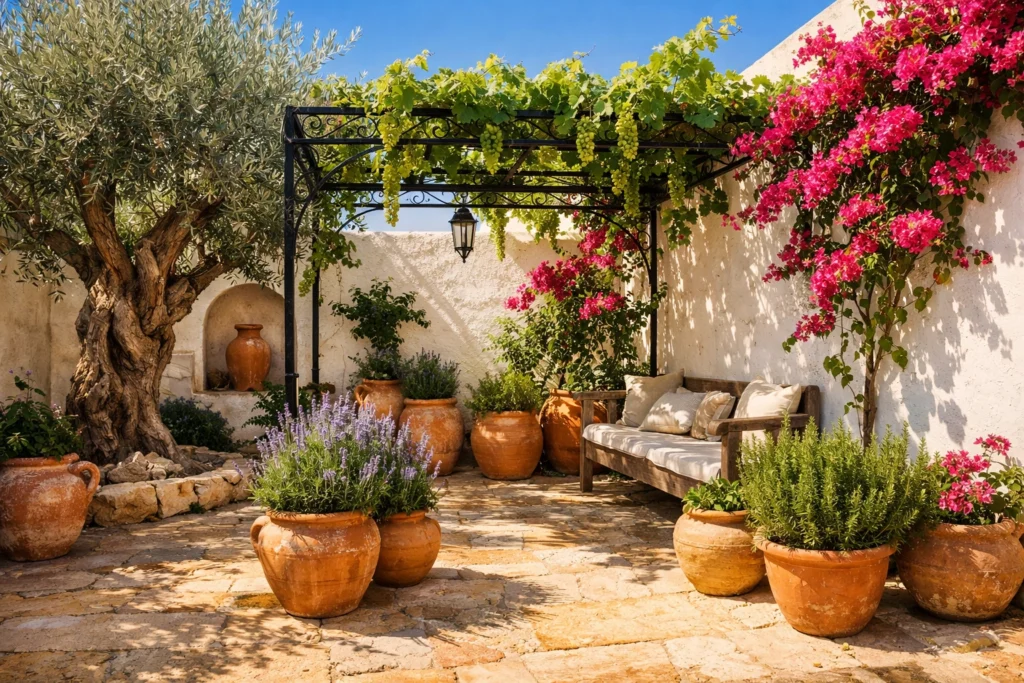
The Mediterranean courtyard is one of the most enduringly popular design styles, and with good reason. It combines effortless elegance with practicality, using drought-tolerant plants, warm earthy tones, and simple yet beautiful materials to create a relaxed, sun-soaked atmosphere.
Plant Selection for a Mediterranean Look
Lavender, rosemary, olive trees, agapanthus, and bougainvillea are all ideal choices for a Mediterranean courtyard. These plants thrive in sunny, well-drained conditions and require minimal watering once established. Group terracotta pots in odd numbers of three or five to create natural-looking clusters, and line the perimeter with low box hedging for structural definition.
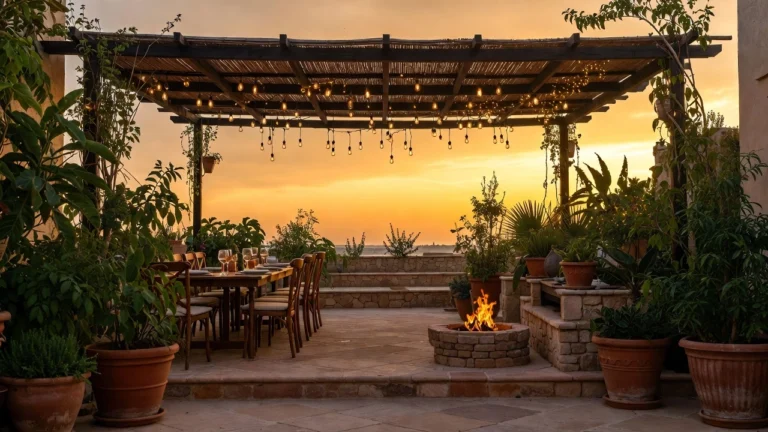
Use warm stone pavers, a terracotta tile border, or decorative mosaic accents underfoot. An iron pergola draped with climbing roses or grapevines adds architectural character and provides welcome shade during the summer months. The overall effect is a garden that feels effortlessly luxurious and deeply connected to the natural world.
Invest in Comfortable, Elegant Outdoor Seating
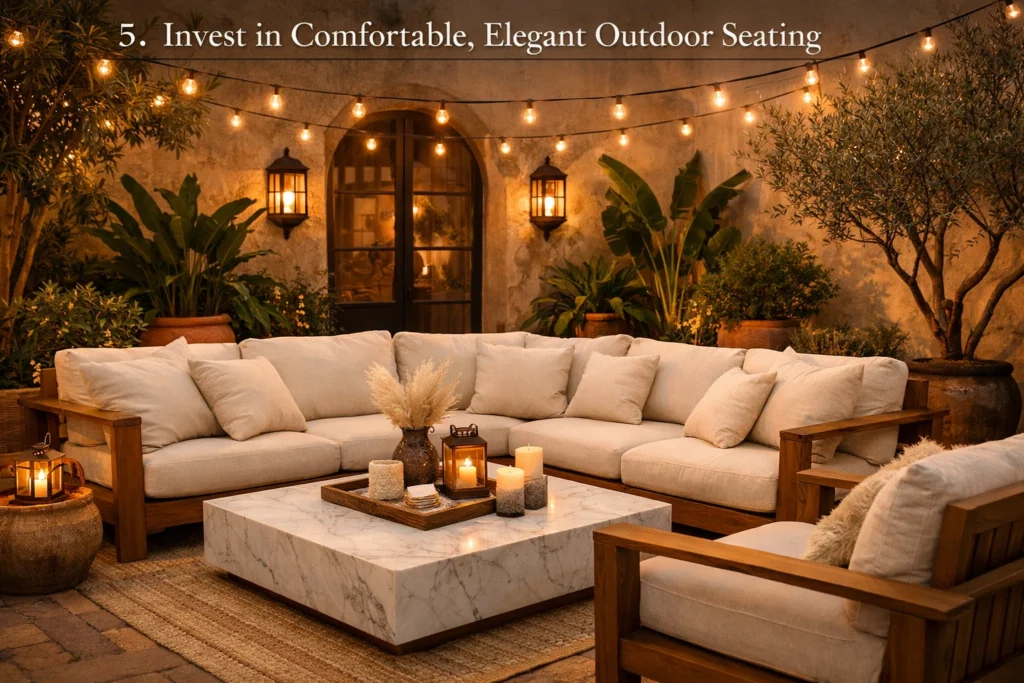
A courtyard garden is only as good as the time you actually spend in it. Seating is therefore not an afterthought but a central design consideration. Choose furniture that is both durable and beautiful, made from weather-resistant materials such as teak, powder-coated aluminium, or quality synthetic rattan. Overstuffed outdoor cushions in neutral or botanical prints invite you to linger and relax.
Think about how you want to use the space. If outdoor dining is a priority, invest in a solid table and comfortable chairs that can seat your usual gathering. If your courtyard is more of a relaxation sanctuary, consider a deep-seated sofa with a low coffee table, or even a daybed or hanging chair for a more bohemian touch. Built-in seating along courtyard walls is an excellent space-saving solution that also adds architectural polish.
Use Strategic Outdoor Lighting
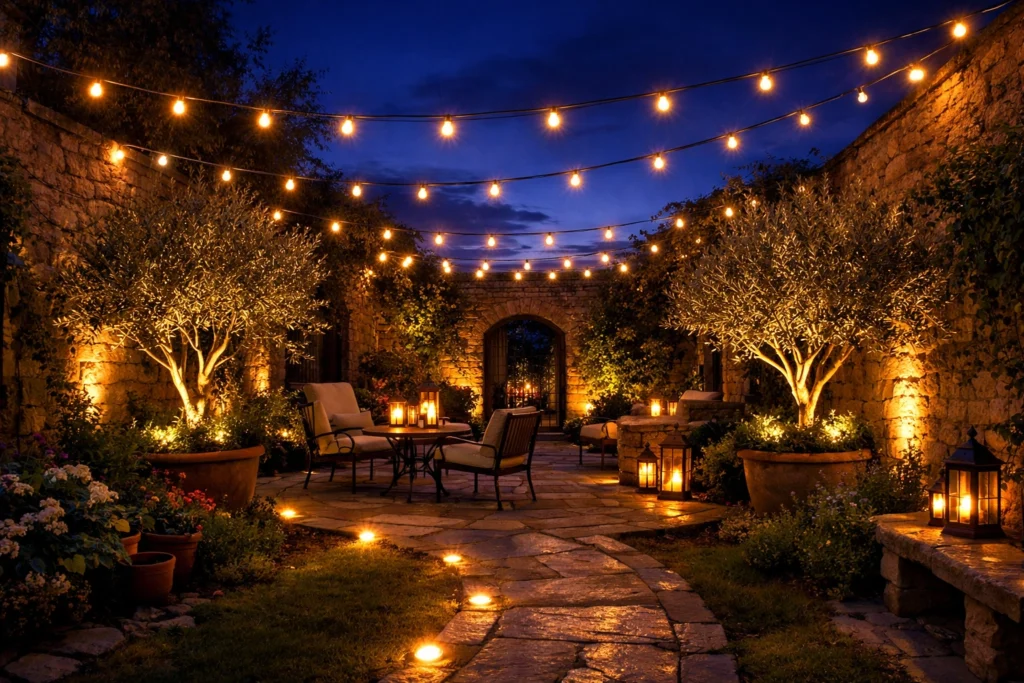
Lighting is the element that transforms a courtyard garden from a daytime feature into an evening destination. Well-placed lighting extends the usability of your outdoor space long after sunset and creates a magical, atmospheric quality that no amount of daytime sunshine can quite match.
Layer your lighting for the best results. Use uplighters at the base of trees or against walls to create dramatic shadows and depth. String lights or festoon bulbs strung overhead add warmth and a celebratory feel. Recessed ground lights along pathways provide safety as well as subtle beauty. Solar-powered lanterns placed among planted borders add charm without the need for electrical wiring. Always choose warm white bulbs over cool white for an inviting, relaxed glow.
Create Privacy with Clever Planting and Screening
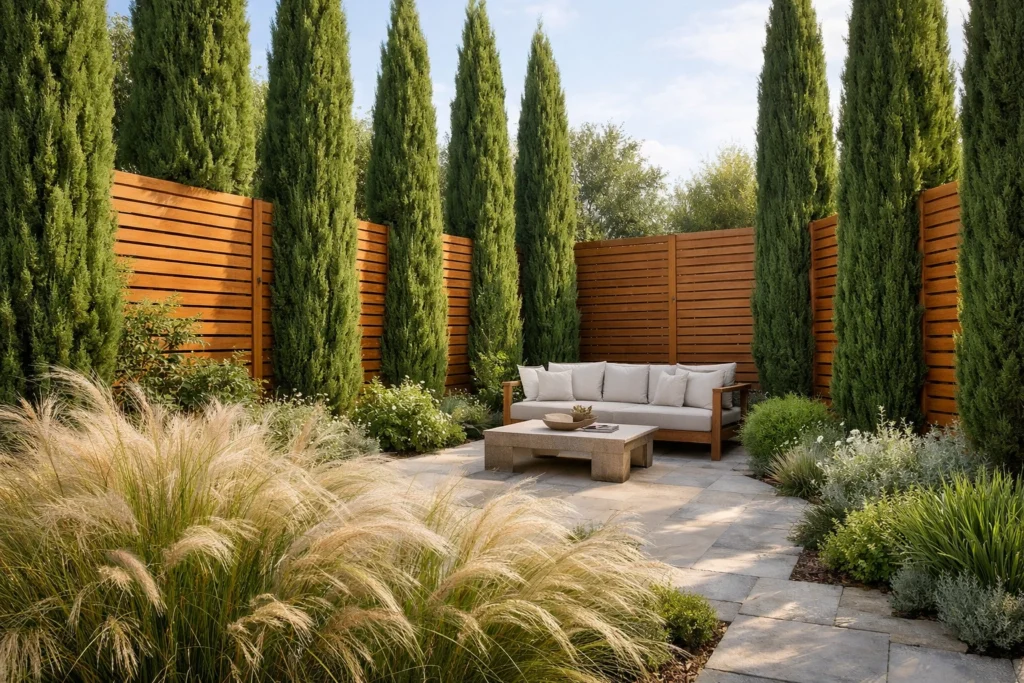
One of the key advantages of a courtyard garden is its inherent sense of enclosure, but in urban settings, overlooking neighbors and passing foot traffic can diminish that feeling of seclusion. Restoring privacy without closing off natural light is a balancing act worth getting right.
Tall bamboo, ornamental grasses, pleached hornbeam, and columnar evergreens such as Italian cypress all make excellent privacy screens that also add visual elegance. A slatted timber or metal screen adds architectural interest while filtering light beautifully. Combine structural screening with soft planting in front of it for a layered, naturalistic look that feels considered rather than defensive.
Add an Overhead Structure for Year-Round Use
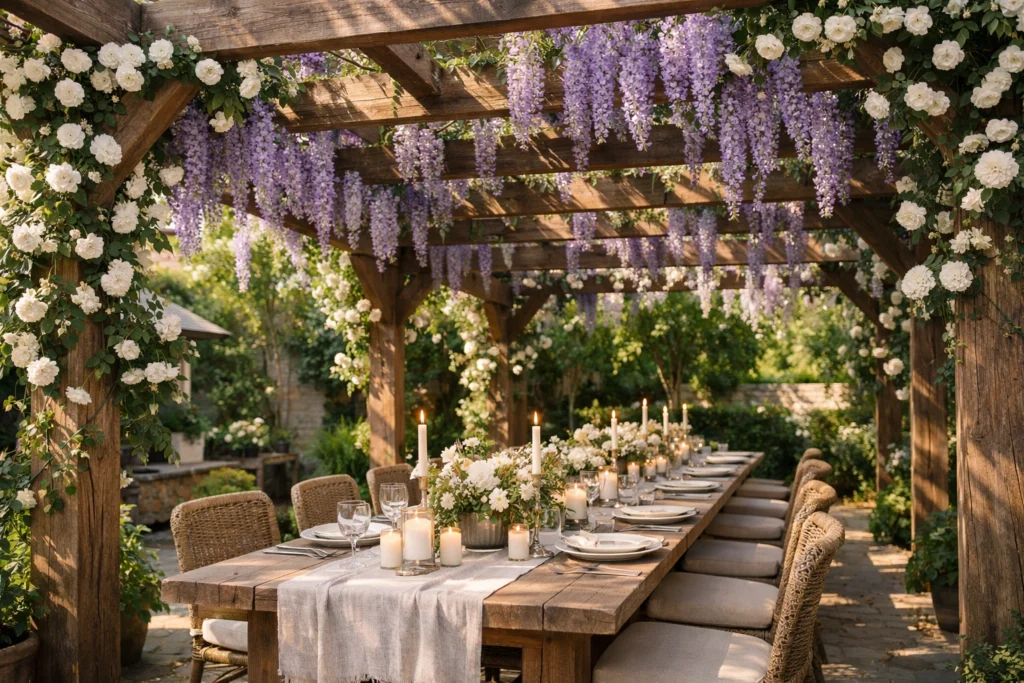
Courtyards can heat up quickly in summer and become unusable in heavy rain. An overhead structure solves both problems while adding significant architectural presence to the garden. A well-designed pergola, retractable awning, or louvre roof extends the season during which you can comfortably use your courtyard.
Plant Thoughtfully with Containers
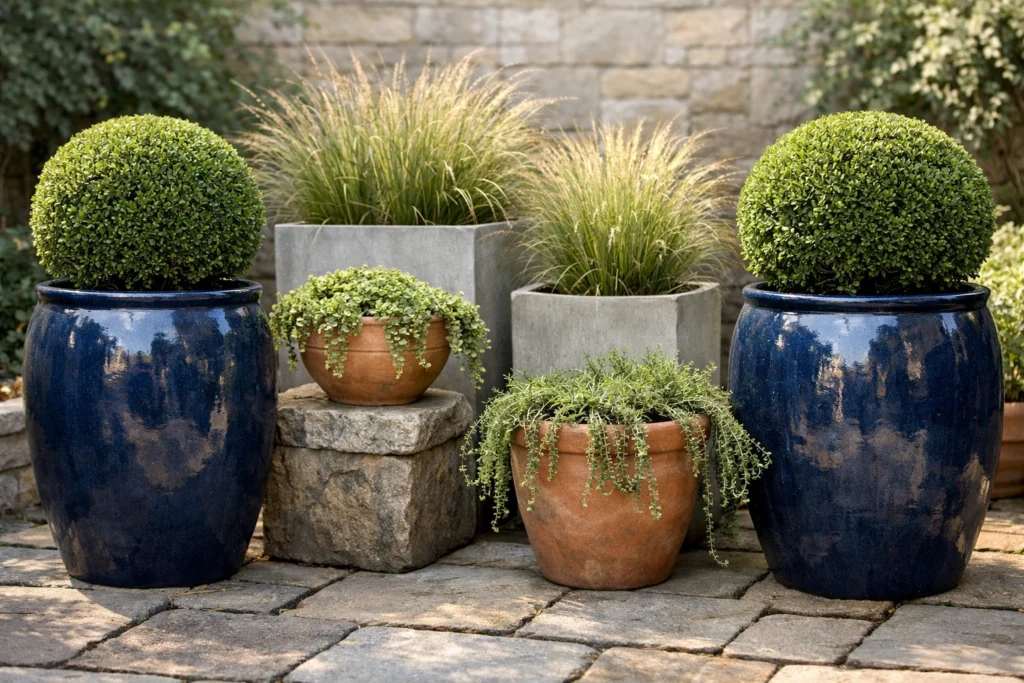
Container planting is one of the most practical and flexible approaches to courtyard gardening. Pots and planters allow you to grow almost any plant regardless of the soil quality beneath your feet, move plants around as the seasons change, and create height variation throughout the space without permanent planting beds.
Choose containers that complement your courtyard’s design style. Large glazed ceramic pots make a striking statement in a contemporary setting. Terracotta works perfectly in Mediterranean-inspired gardens. Zinc or concrete planters suit an industrial or minimalist aesthetic. Fill them with structural plants like topiary balls, grasses, or small trees as anchor pieces, then surround them with seasonal color from annuals, bulbs, or trailing herbs.
Incorporate a Minimalist Modern Design
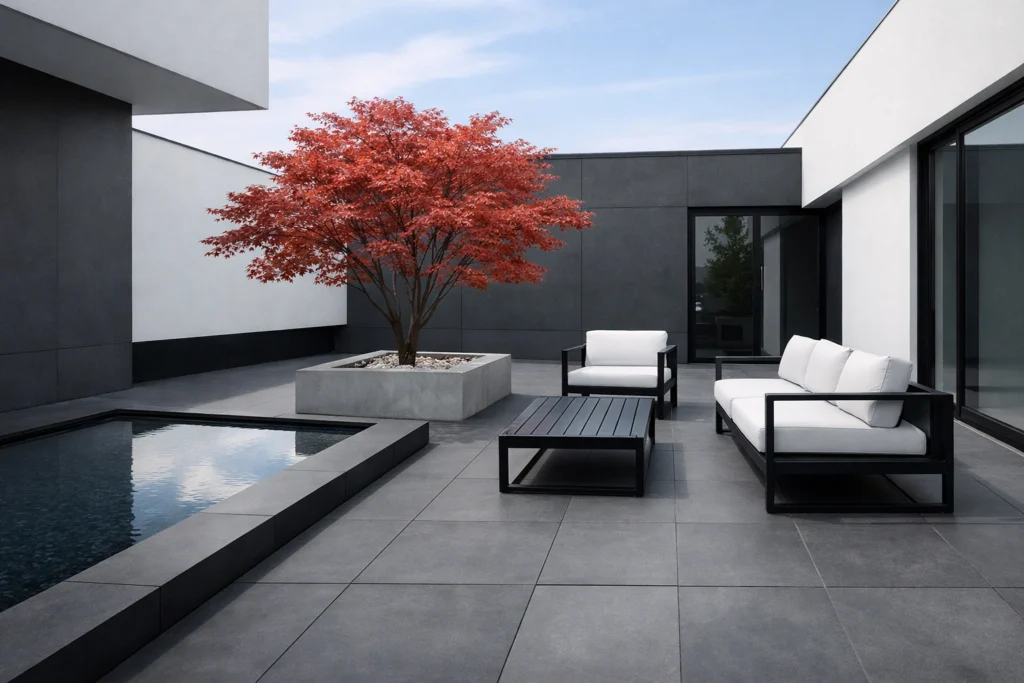
For those who prefer a clean, contemporary look, the minimalist courtyard garden offers a compelling approach. The principle here is that restraint is a form of sophistication. A limited palette of two or three materials, a carefully curated selection of plants, and furniture with clean geometric lines all combine to create a space that feels intentional, serene, and quietly luxurious.
In a modern minimalist courtyard, every element must earn its place. A single specimen tree such as a Japanese maple or olive provides organic form against clean architectural lines. A shallow rectangular water feature adds a calming reflective surface. Concrete or large-format porcelain pavers in grey or charcoal tones create a neutral ground plane that does not compete with the planting. The result is a garden that feels as considered and polished as a well-designed interior room.
Use Mirrors to Expand the Sense of Space
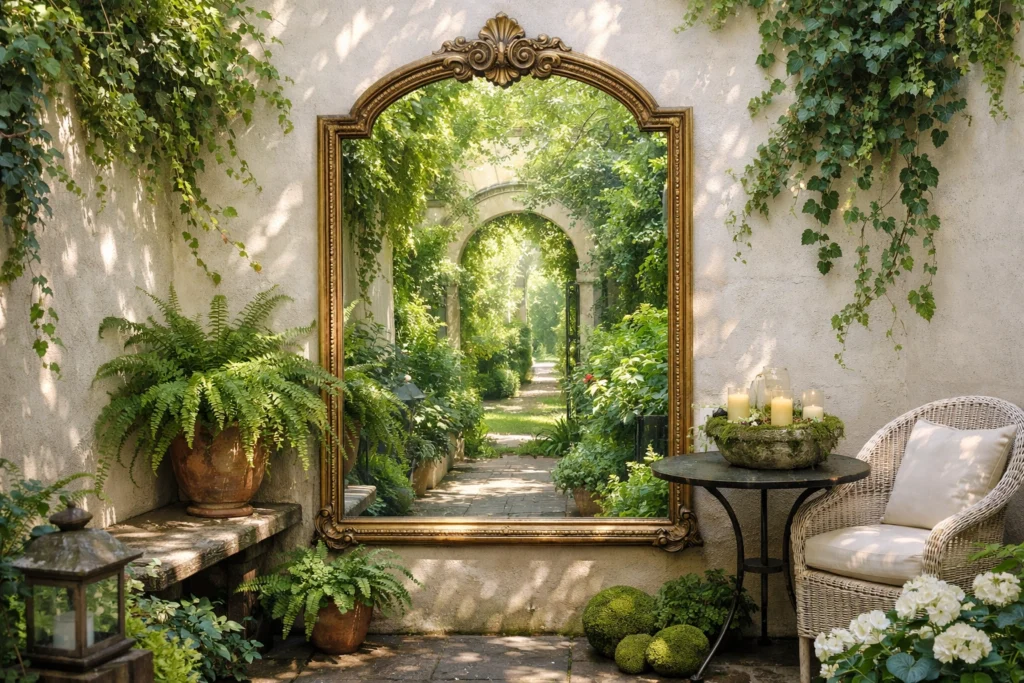
In a small courtyard, the clever use of mirrors can visually double the perceived size of the space. An outdoor mirror mounted on a wall and framed with climbing plants creates the convincing illusion of a window or gateway leading into another garden beyond. This is a well-established design trick that works particularly effectively in enclosed, shaded courtyards where the sense of containment can sometimes feel limiting.
Choose a mirror designed specifically for outdoor use, as standard interior mirrors will deteriorate quickly when exposed to moisture. Position it to reflect the most attractive part of the courtyard. Framing the mirror with a trellis covered in greenery integrates it naturally into the garden and also reduces the risk of birds flying into the glass.
Plan for Low-Maintenance Elegance
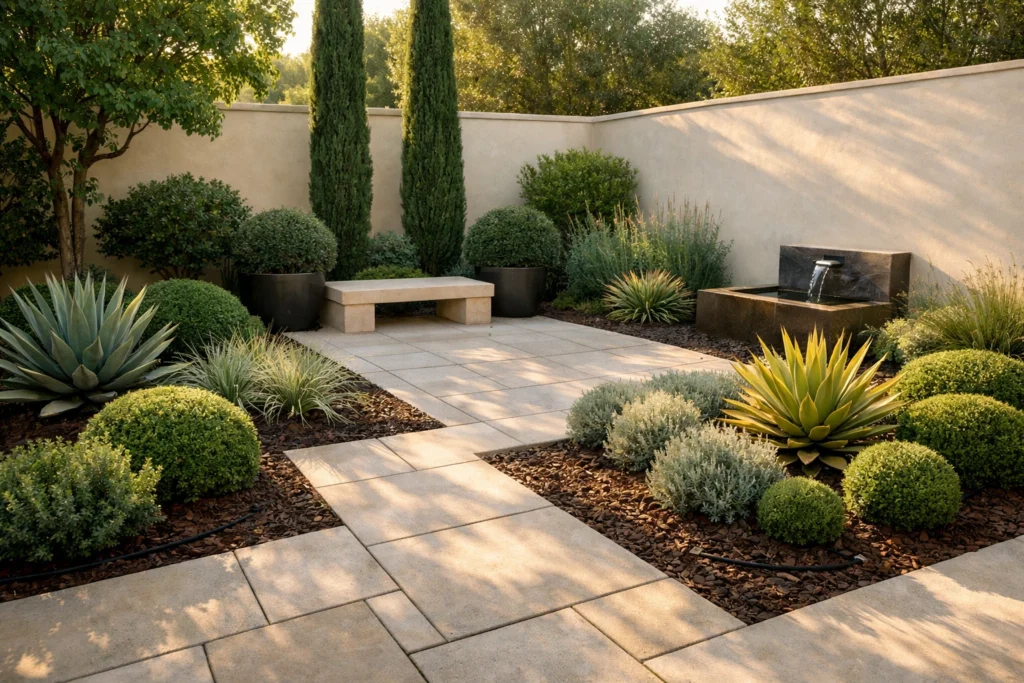
The most beautiful courtyard garden in the world will quickly lose its appeal if it demands hours of maintenance every week. When planning your courtyard, build in low-maintenance choices from the start. Opt for evergreen structure plants that look good all year without constant intervention. Use mulch or decorative gravel in planted areas to suppress weeds and retain moisture. Choose hard-wearing pavers and furniture that require minimal upkeep.
Automatic irrigation systems are a worthwhile investment in any courtyard garden, particularly if you use a lot of container planting. A simple drip or seep hose system connected to a timer takes the guesswork out of watering and keeps your plants healthy even during periods of heat or when you are away from home. The goal is a garden that looks effortlessly well-tended, even when your schedule does not allow for constant attention.
Conclusion
A well-designed courtyard garden is one of the most rewarding investments you can make in your home. It extends your living space outdoors, creates a private sanctuary from the demands of daily life, and adds genuine character and value to your property. The 12 courtyard garden ideas covered in this article range from simple, budget-friendly touches such as strategic lighting and container planting, to more substantial investments like a quality overhead structure or a bespoke water feature.
The key to success in any courtyard garden is coherence. Choose a clear design direction, limit your palette of materials and plants, and let every element work together toward a single, unified vision. Whether your style leans toward Mediterranean warmth, modern minimalism, or lush cottage abundance, the courtyard format gives you the perfect framework to create something truly special. Start with the ideas that resonate most with you, invest in quality where it counts, and enjoy the process of bringing your outdoor space to life.
Frequently Asked Questions
Q1: What plants grow best in a small courtyard garden?
Plants that multi-task tend to perform best in small courtyard gardens. Excellent choices include Japanese maple, box topiary, lavender, jasmine, ornamental grasses, phormium, and climbing roses. Prioritize plants that look interesting for most of the year rather than those with a brief flowering season followed by months of uninteresting growth.
Q2: How do I make a small courtyard garden look bigger?
Use large-format pavers rather than small ones, as bigger units create fewer visual breaks. Choose a light, neutral color palette for hard surfaces. Add an outdoor mirror framed by plants to create the illusion of depth. Use vertical planting to draw the eye upward, and avoid cluttering the space with too many different furniture pieces or decorative objects.
Q3: What is the best paving material for a courtyard garden?
The best paving material depends on your design style and budget. Natural stone such as sandstone or limestone offers timeless beauty and ages gracefully. Porcelain tiles are highly durable and stain-resistant. Brick is a classic choice for cottage or heritage gardens. For a contemporary look, large-format concrete or composite decking offers a clean, modern aesthetic with minimal upkeep.
Q4: How can I add privacy to my courtyard without losing light?
Use tall, narrow plants rather than solid walls or dense hedging. Columnar trees like Italian cypress, pleached hornbeam standards, or tall ornamental grasses allow light to filter through while blocking sightlines at eye level. Slatted timber or perforated metal screens are another excellent option, providing privacy without creating a complete barrier to light or airflow.
Q5: How much does it cost to build a courtyard garden?
A modest courtyard refresh with new planting, containers, and lighting can be achieved for a few hundred dollars. A mid-range project including quality paving, a pergola, seating, and planting typically costs between five and fifteen thousand dollars. High-end bespoke courtyard designs with custom water features, premium stone, and professional landscaping can run significantly higher. Prioritizing quality hard landscaping as the long-term foundation is generally the wisest investment.