17 Drainage Around House Ideas for Better Landscaping
A well-planned drainage system can completely change how your yard looks and performs during heavy rain. These creative drainage around house ideas are designed to help you control water naturally while making your outdoor space more beautiful and functional at the same time. Instead of dealing with puddles, erosion, or soggy garden beds, you can turn problem areas into stylish landscape features that actually improve your home’s curb appeal.
In my experience, most homeowners are surprised by how much difference small drainage improvements can make. From decorative rock beds to hidden systems and planted solutions, each idea in this guide focuses on both practicality and design. You’ll discover simple, visually appealing ways to protect your foundation, manage runoff, and create a cleaner, more polished outdoor environment that feels intentional and easy to maintain year round.
Rock Swale Path
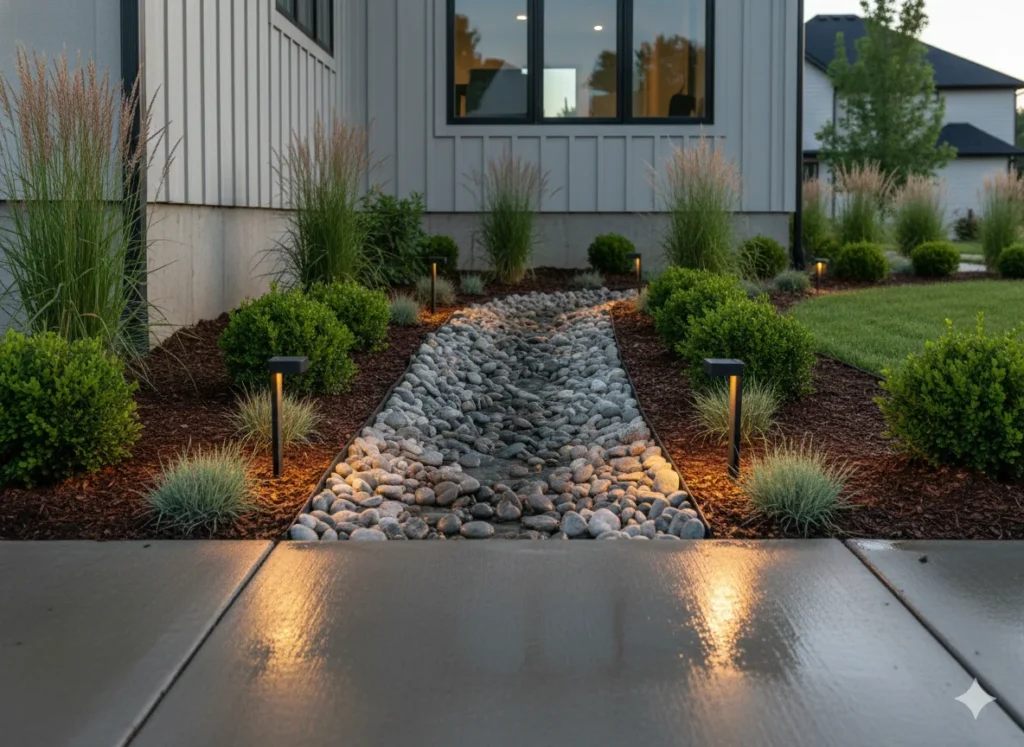
Nothing upgrades a soggy yard faster than a carefully shaped rock swale beside the foundation. Smooth river stones create a polished look while quietly guiding heavy rain away from vulnerable areas near walkways and flower beds. I’ve noticed this setup works especially well in narrow side yards where puddles collect after storms. The layered stone texture also adds depth without making the landscape feel busy or overcrowded. When paired with low ornamental grasses and dark mulch, the entire space feels cleaner, brighter, and far more intentional throughout every season of the year.
Clean drainage channels can completely change how a home exterior looks and functions during rainy months. A curved swale lined with mixed stone sizes helps slow water naturally instead of pushing it aggressively across the yard. That softer movement reduces erosion and protects nearby planting areas from becoming muddy or uneven over time. Many homeowners also appreciate how little maintenance this option requires once the rocks settle properly into place. Adding subtle solar lights along the edges creates a warm evening glow that highlights the texture beautifully while making pathways safer and more visually welcoming after sunset.
French Drain Border
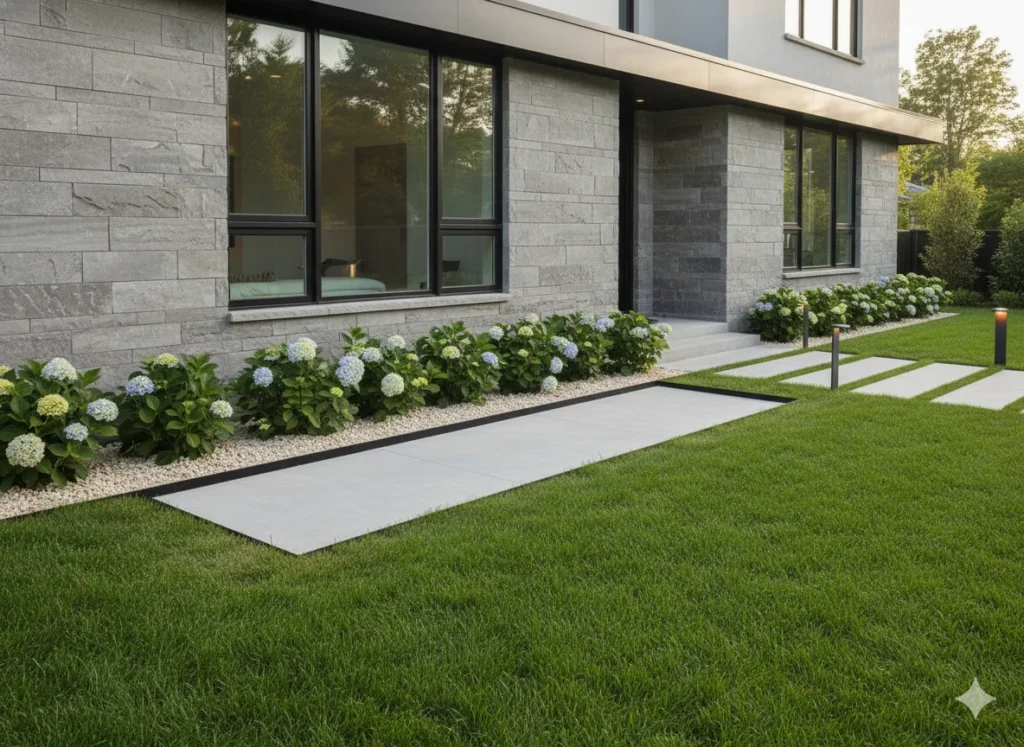
A hidden French drain can make front landscaping feel surprisingly polished without stealing attention from plants or architectural details. Gravel borders placed along the home create a neat transition between flower beds, siding, and walkways while quietly handling excess runoff after storms. In my experience, homeowners love how discreet this solution feels compared to bulky surface channels or exposed piping. The clean gravel line also gives shrubs and seasonal flowers stronger visual definition throughout the yard. That balance between function and appearance makes the entire exterior feel professionally designed and easier to maintain year round.
Thoughtful edging around a drainage system often creates a more finished landscape than people expect at first glance. Pale gravel paired with black metal edging adds crisp contrast that works beautifully with brick, stone, or modern siding finishes. Water flows beneath the surface, keeping lawn areas firmer and helping prevent muddy patches near entrances or patios after heavy rainfall. I’ve seen this approach work especially well for homes with compact front yards because it saves space while still improving drainage performance. Small decorative lanterns or potted plants nearby can soften the look and make the area feel welcoming.
Rain Garden Corner
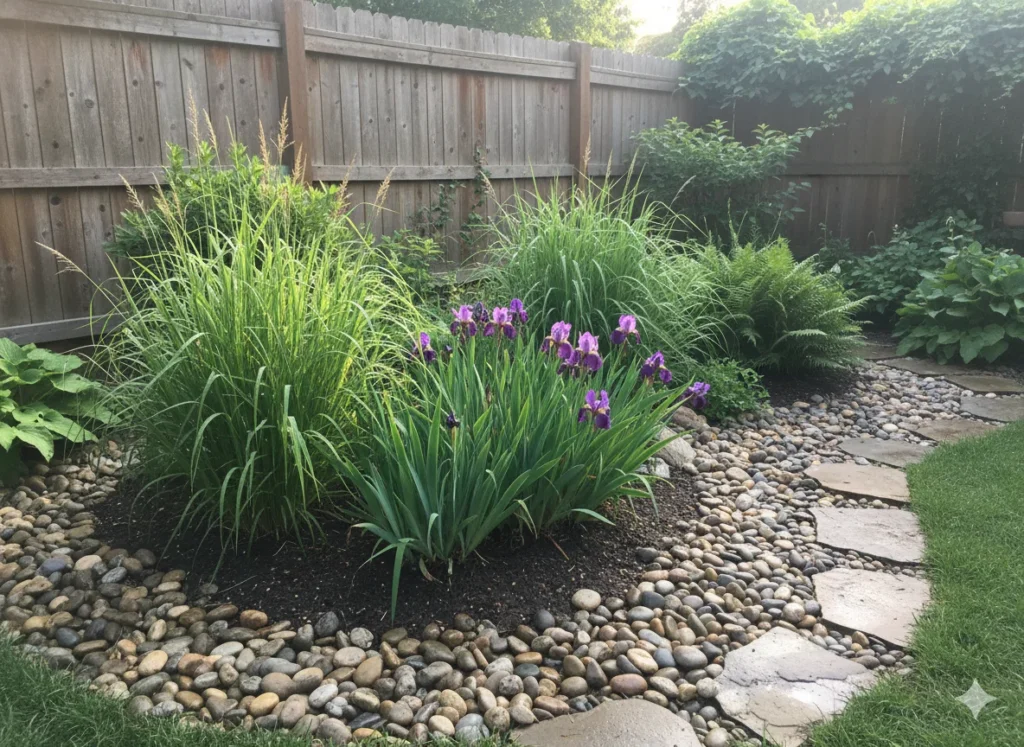
A thoughtfully planted rain garden adds color, texture, and practical water control in one beautiful feature. Native flowers and moisture-loving grasses naturally absorb runoff while creating a softer transition between patios, fences, and lawn areas. I’ve tried smaller versions of this setup in compact yards, and they still make a noticeable difference after strong storms. The layered plants attract butterflies and birds, giving the landscape a more lively and welcoming feel throughout the warmer months. Curved stone edging around the garden also helps the space look intentional instead of appearing like a low spot collecting unwanted water.
Even small unused corners can become standout landscape features when designed to collect and filter rain naturally. A mix of deep-rooted plants, decorative stones, and rich mulch keeps the area visually balanced while reducing standing water near the house. Many gardeners appreciate how this approach supports healthier soil without relying on complicated equipment or constant maintenance. During rainy seasons, the planted basin creates movement and texture that makes the yard feel more dynamic and professionally layered. Adding a simple bench nearby can turn the entire corner into a calming place to enjoy fresh air after a long day outside.
Dry Creek Bed
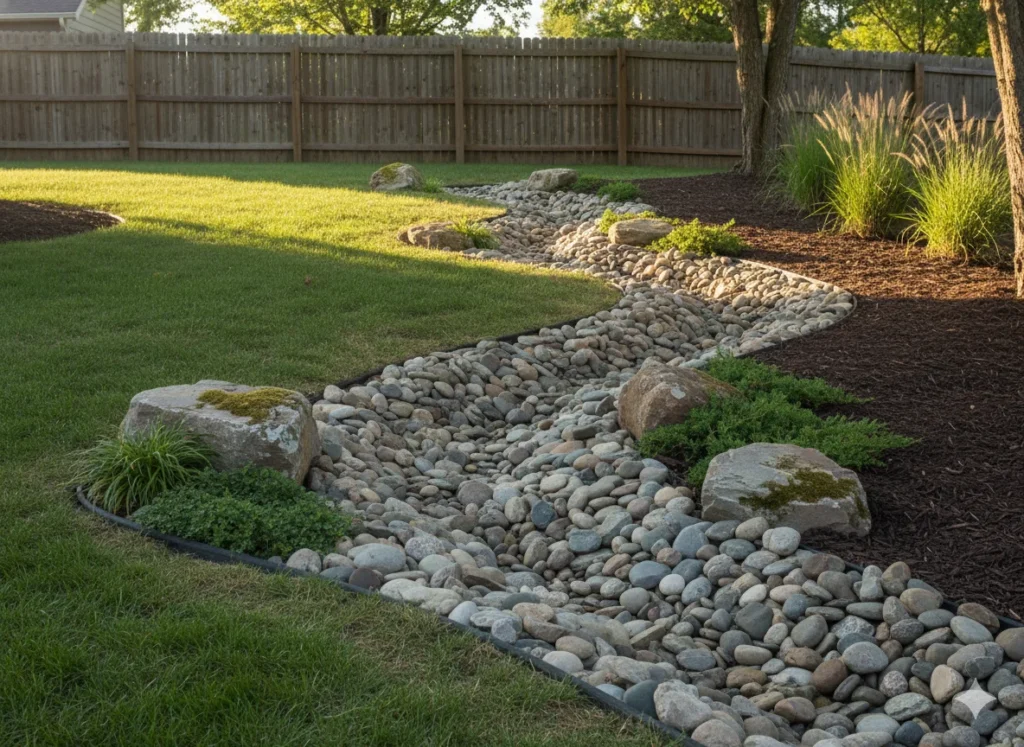
A dry creek bed creates the appearance of a natural stream while quietly solving runoff problems around the yard. Smooth stones and curved lines soften harsh landscape edges, helping outdoor spaces feel more layered and visually calming. I’ve noticed this design works especially well on sloped properties where fast-moving rainwater can damage grass and planting beds. Larger boulders mixed with smaller river rocks give the feature a realistic look that feels intentional instead of overly decorative. Once established, the entire area becomes a low-maintenance focal point that adds texture and structure throughout every season.
Carefully shaping the creek path allows water to move naturally without overwhelming nearby landscaping during storms. Decorative grasses and low shrubs placed along the edges help stabilize soil while adding softness to the stone textures below. Many homeowners appreciate that this feature still looks beautiful even when completely dry because the layered rocks create visual interest year round. In my experience, adding subtle curves instead of straight lines makes the entire landscape feel larger and more organic. Small solar lights tucked between the stones can also create a warm evening glow that highlights the natural textures beautifully.
Gravel Side Yard
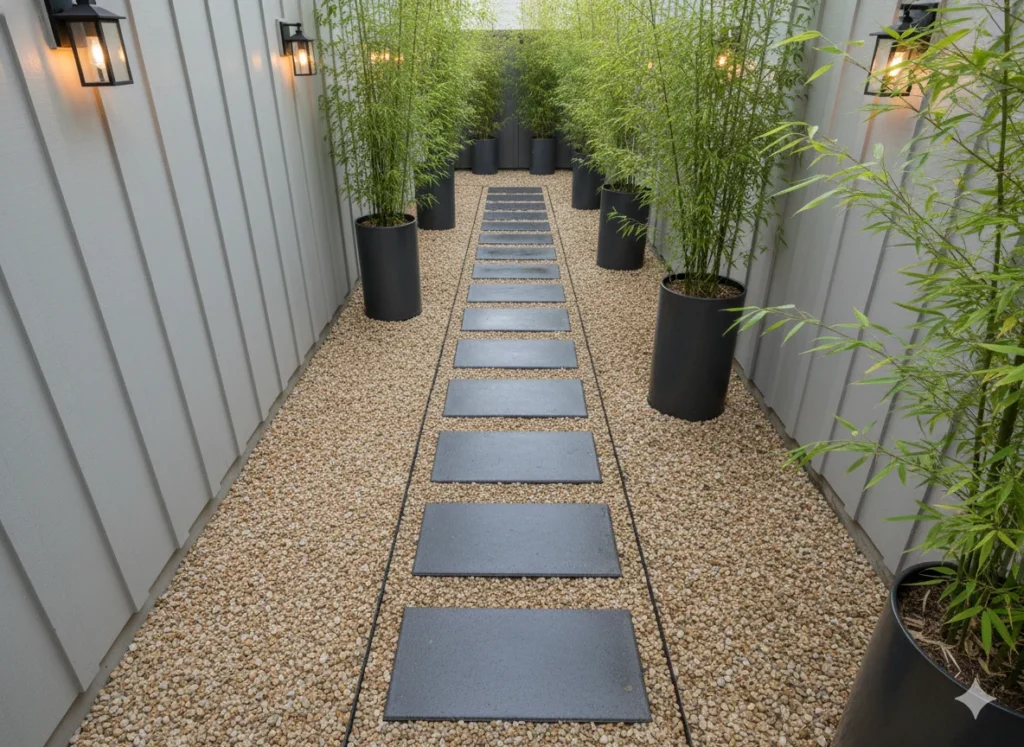
A gravel-filled side yard can completely transform an overlooked passage into a clean and practical extension of the landscape. Compact gravel helps rain soak into the ground instead of creating muddy puddles beside exterior walls after storms. I’ve seen this work especially well in narrow spaces where grass struggles to stay healthy because of shade or poor airflow. Stepping stones placed through the gravel make the walkway feel more polished while improving accessibility during wet weather. The finished result feels organized, brighter, and far easier to maintain compared to patchy grass or exposed soil.
Simple design choices can make even the smallest side yard feel intentional and visually appealing. Light-colored gravel reflects natural sunlight and helps narrow areas appear more open throughout the day. Black edging or slim planter boxes add definition without making the space feel crowded or overly decorative. Many homeowners also appreciate how quickly this project improves both appearance and functionality without requiring major excavation or expensive materials. In my experience, adding wall lanterns or tall potted plants nearby gives the area a warmer and more welcoming atmosphere while still keeping the layout practical for everyday use.
Permeable Pavers
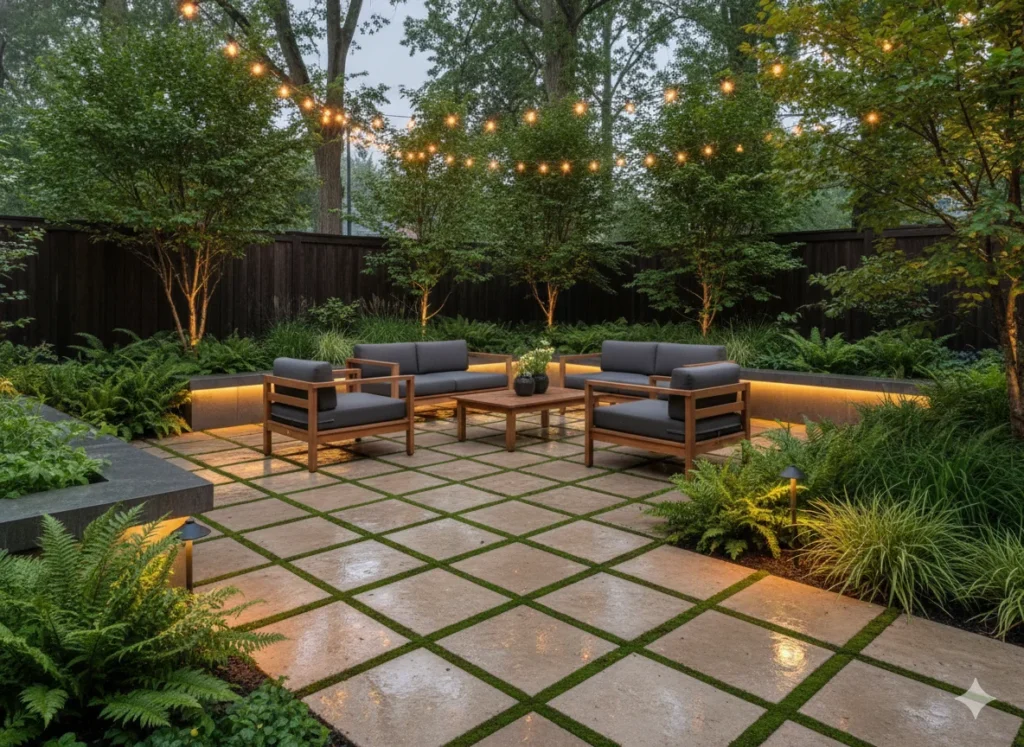
Permeable pavers combine practical drainage with a polished custom-built appearance that instantly upgrades outdoor living spaces. Rainwater filters through the joints instead of collecting on the surface, helping patios and walkways stay safer and cleaner after storms. I’ve noticed homeowners especially love how these pavers reduce slippery puddles near seating areas and entrances. The textured stone finish also adds warmth and dimension that standard concrete often lacks visually. When paired with surrounding greenery and soft lighting, the entire patio feels more inviting while still handling changing weather conditions remarkably well throughout the year.
Thoughtful paving choices can dramatically improve both comfort and long-term landscape performance around the home. Small spaces between each paver allow moisture to drain gradually, reducing pressure on surrounding soil and helping prevent runoff problems nearby. Many designers recommend neutral stone tones because they blend easily with wood furniture, garden beds, and seasonal plants without overwhelming the space visually. In my experience, permeable surfaces also stay looking cleaner over time since standing water evaporates more efficiently after rainfall. Adding moss or low greenery between the joints creates an even softer, more natural outdoor atmosphere that feels timeless and relaxing.
Raised Garden Berm
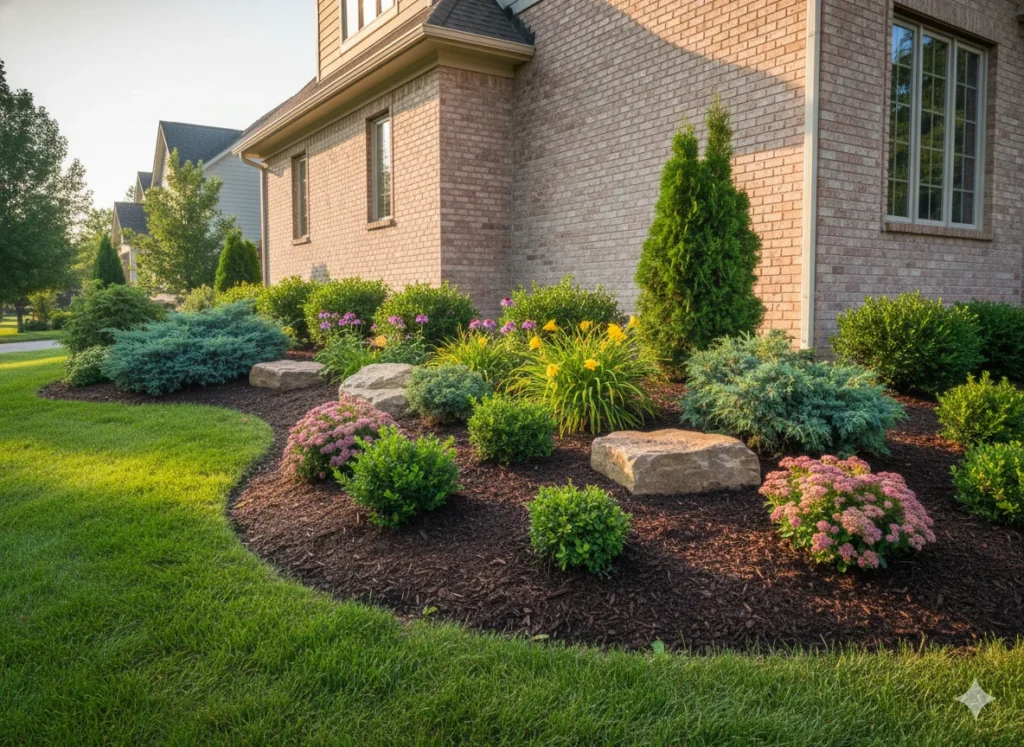
A raised berm can completely reshape how water moves through a yard while adding beautiful structure to the landscape. Slightly elevated planting areas guide runoff away from the foundation naturally without relying on visible drainage hardware. I’ve seen this work especially well in flat yards that struggle with standing water near flower beds and walkways after heavy rain. Layered shrubs and flowering plants make the elevation look intentional while creating richer visual depth across the property. The gentle slope also helps the yard feel softer and more professionally designed instead of appearing overly flat or unfinished.
Carefully shaped berms create subtle movement in the landscape that instantly makes outdoor spaces feel more dynamic and balanced. Deep-rooted shrubs and mulch help stabilize the soil while reducing erosion during wet weather conditions throughout the year. Many homeowners appreciate how easily this feature blends into both traditional and modern landscaping styles without overwhelming smaller yards visually. In my experience, curved berm lines feel more natural and welcoming than sharp raised edges around planting zones. Decorative stones placed near the base can further improve drainage while adding texture that complements surrounding grass, pathways, and seasonal flowers beautifully.
Channel Drain Patio
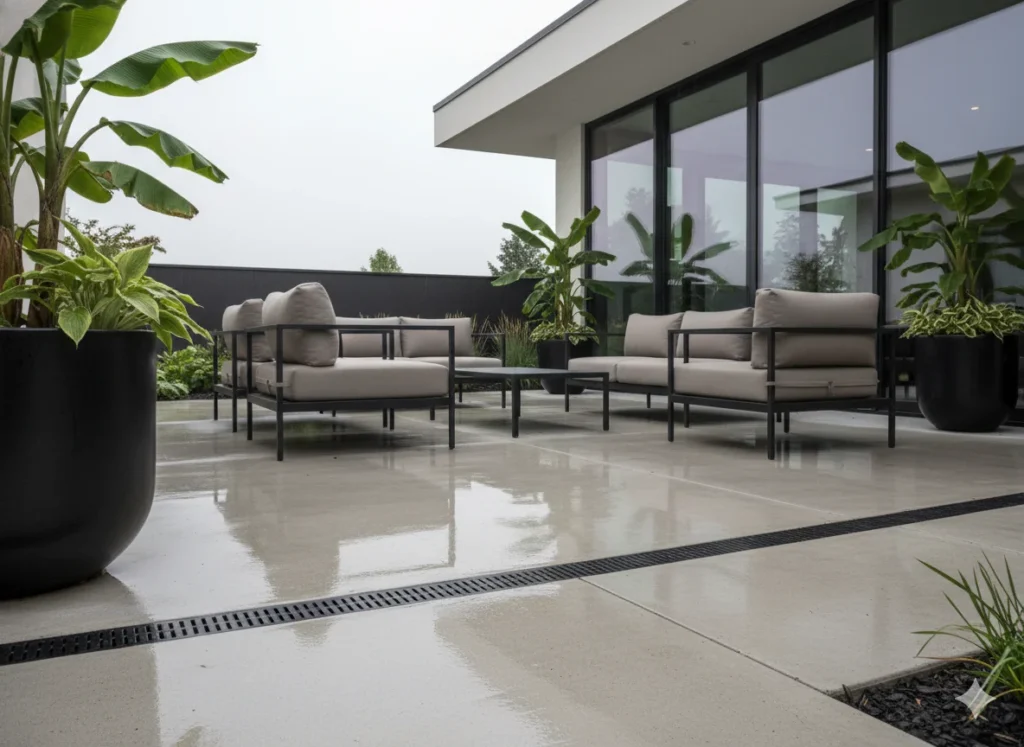
A hidden channel drain can dramatically improve how patios handle heavy rainfall without disrupting the overall design style. Slim linear drains blend neatly into concrete or stone surfaces while quietly collecting excess water before puddles form around seating areas. I’ve noticed this setup works especially well for outdoor entertaining spaces where standing water quickly becomes inconvenient and slippery. The clean lines also complement modern landscaping beautifully without drawing unnecessary attention to the drainage system itself. Once installed, the patio feels more polished, functional, and comfortable to use throughout changing weather conditions during the year.
Outdoor surfaces often last longer when water drains efficiently instead of sitting across concrete or tile for extended periods. Narrow channel drains help reduce moisture buildup that can eventually stain surfaces or damage nearby landscaping over time. Many homeowners appreciate how discreet these systems look compared to larger exposed grates or bulky drainage solutions around patios. In my experience, darker drain finishes blend especially well into contemporary outdoor spaces with neutral tones and minimalist furniture layouts. Adding large potted plants or soft exterior lighting nearby keeps the patio feeling warm and inviting while maintaining a clean architectural appearance overall.
Stepping Stone Runoff
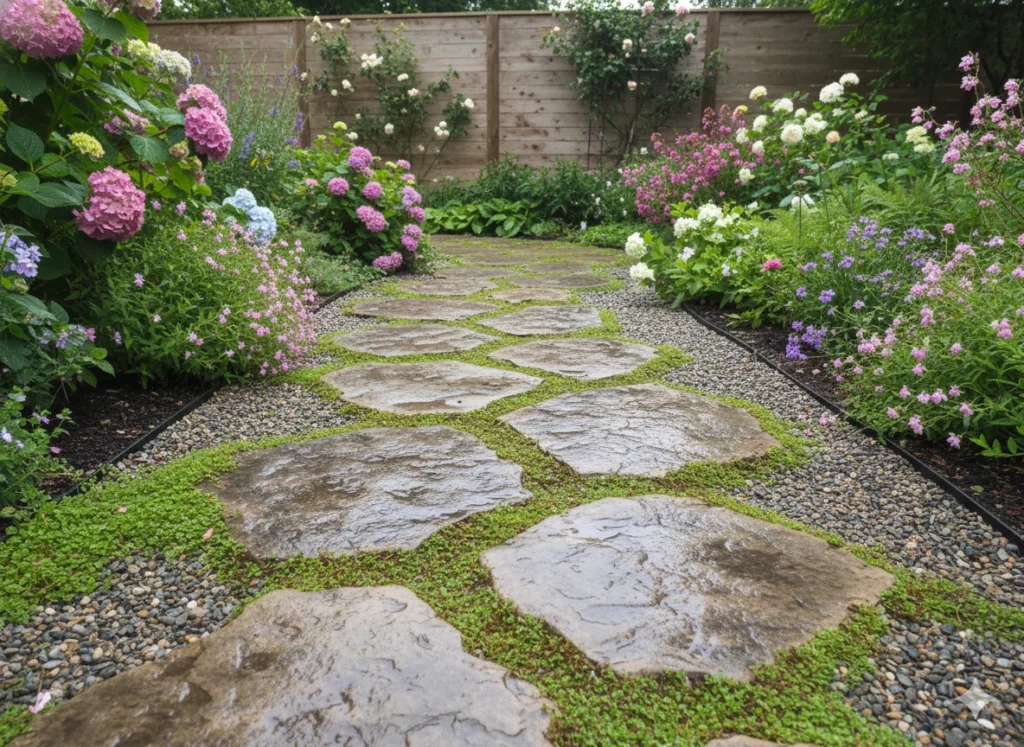
A stepping stone pathway surrounded by gravel or ground cover can solve drainage problems while making the yard feel far more inviting. Open spaces between stones allow rainwater to absorb naturally instead of collecting across solid pavement surfaces after storms. I’ve tried this approach in smaller gardens, and it immediately made the pathways feel softer and more visually relaxed. Creeping thyme, moss, or pea gravel around the stones adds texture that blends beautifully with flowers and surrounding greenery. The finished design feels charming, practical, and much easier to maintain during wet seasons throughout the year.
Simple walkway upgrades often create a bigger landscape transformation than homeowners initially expect. Large stepping stones guide foot traffic clearly while helping reduce muddy patches that develop near entrances and garden beds over time. Many designers recommend curved paths because they soften the overall layout and make outdoor spaces feel more organic and layered visually. In my experience, combining natural stone textures with low greenery creates a timeless look that works beautifully in both rustic and modern yards. Soft garden lighting nearby can also highlight the pathway beautifully during evenings while improving visibility after rainy weather conditions.
Decorative Catch Basin
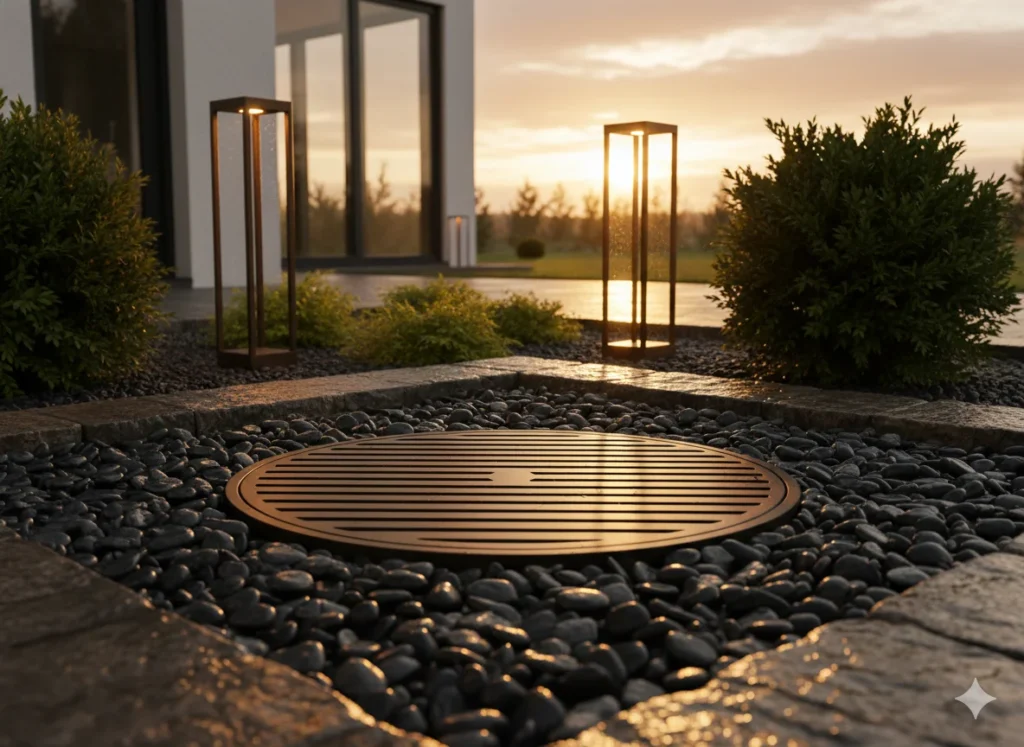
A decorative catch basin can solve stubborn water collection problems without disrupting the overall beauty of the landscape. Modern covers paired with smooth stones or mulch blend naturally into planting beds while quietly managing runoff during storms. I’ve noticed this setup works especially well near downspouts, patios, and low lawn sections where water tends to gather quickly. The surrounding decorative materials soften the appearance so the drainage feature feels intentional instead of purely functional. Once completed, the area looks cleaner, more organized, and noticeably easier to maintain throughout changing weather conditions during the year.
Thoughtful placement makes a catch basin feel like part of the landscape rather than an obvious utility feature. Dark pebbles, textured edging, and low shrubs help disguise the drain while adding contrast and depth around nearby pathways or flower beds. Many homeowners appreciate how quickly this solution reduces muddy areas and prevents erosion around high-traffic sections of the yard. In my experience, choosing basin covers with subtle finishes creates a more polished appearance that complements surrounding outdoor materials beautifully. Soft garden lanterns nearby can also highlight the landscaping at night while keeping the entire setup visually balanced and welcoming.
Downspout Rock Bed
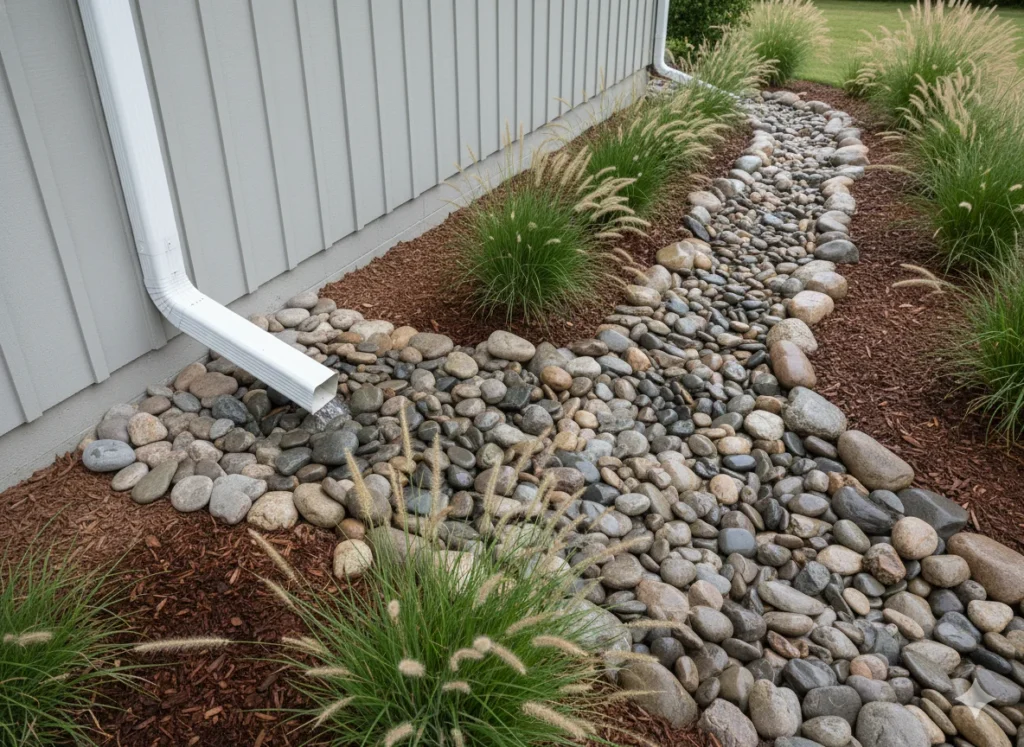
A rock bed around the downspout can instantly make heavy roof runoff look more intentional and visually appealing. Instead of water splashing into bare soil and creating muddy patches, the stones help disperse moisture gently into the surrounding landscape. I’ve seen this small upgrade completely improve the appearance of side yards and front corners that once looked constantly damp or messy. Mixed river rocks also introduce texture that complements shrubs, mulch, and exterior siding beautifully. The finished setup feels cleaner and more professionally landscaped while quietly protecting nearby planting areas from erosion damage.
Simple drainage improvements often create surprisingly noticeable visual changes around the exterior of a home. A wider stone bed beneath the downspout helps absorb stronger rainfall while reducing soil displacement near foundations and pathways. Many homeowners appreciate how quickly this project comes together using affordable materials and minimal maintenance afterward. In my experience, combining decorative stones with ornamental grasses softens the harder textures and makes the feature blend naturally into surrounding landscaping. Extending the stone bed slightly outward also helps direct water farther from the house while keeping the entire area tidy and visually balanced year round.
Sunken Gravel Court
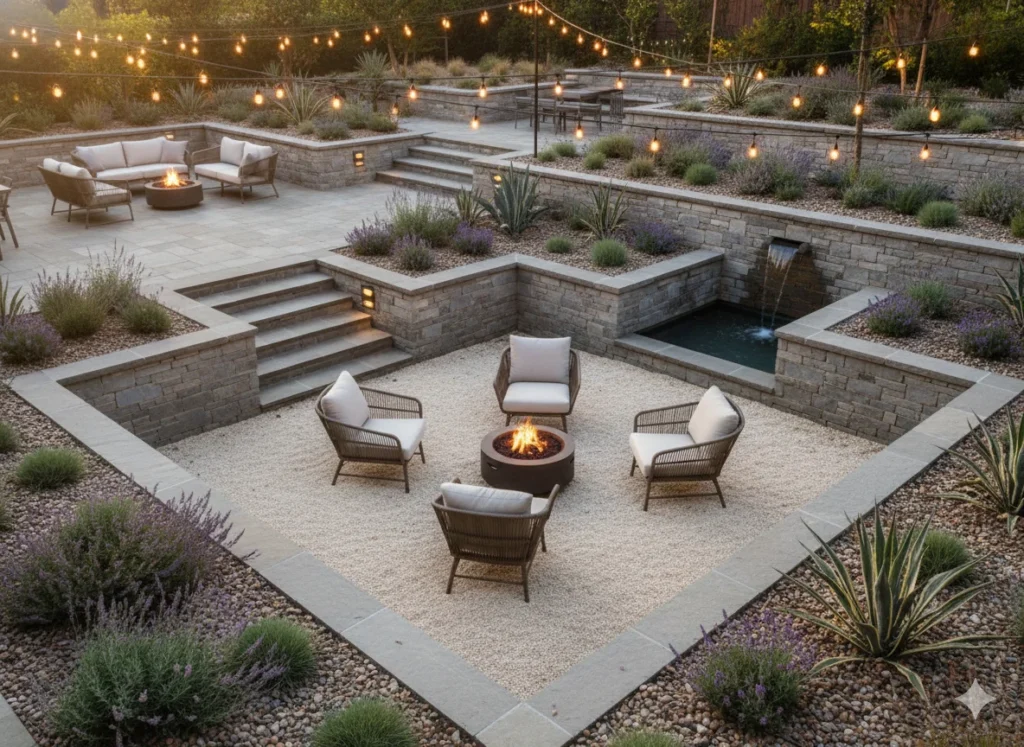
A slightly sunken gravel courtyard creates a relaxing outdoor space while helping rainwater absorb naturally into the ground. The recessed design quietly manages runoff without making the yard feel overly engineered or complicated. I’ve noticed this approach works especially well in modern backyards where homeowners want a cleaner alternative to fully paved patios. Pale gravel paired with raised stone borders creates strong visual contrast while keeping the overall atmosphere soft and inviting. Once furnished with comfortable seating and layered lighting, the entire area feels cozy, stylish, and remarkably functional throughout changing seasons.
Carefully layered elevations can make even compact yards feel more dynamic and thoughtfully designed. The lowered gravel section naturally slows water movement while reducing puddles that often collect around traditional hardscape surfaces after storms. Many designers recommend combining gravel with raised planting beds because the height variation adds depth without overcrowding the landscape visually. In my experience, string lights and simple lounge furniture help the courtyard feel welcoming while maintaining a clean and uncluttered appearance overall. Decorative grasses and neutral stone finishes nearby further soften the space and create a calming outdoor environment perfect for relaxing evenings.
Grass Grid Driveway
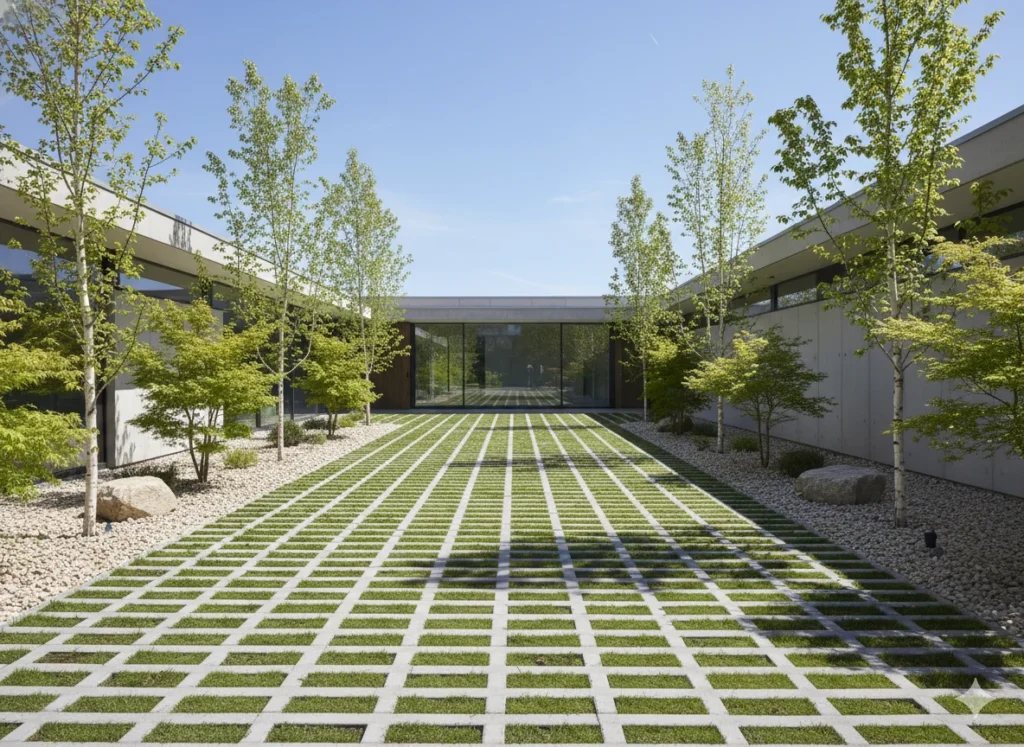
A grass grid driveway creates a cleaner balance between hardscape durability and natural landscaping around the home. Open grid sections allow rainwater to soak gradually into the soil instead of rushing toward walkways or foundations during storms. I’ve seen this option work especially well for homeowners wanting a greener alternative to traditional concrete without sacrificing structure or accessibility. The repeating pattern also adds visual texture that makes the driveway feel more custom and thoughtfully designed. Once the grass fills in fully, the entire entrance appears softer, fresher, and far more connected to the surrounding landscape.
Thoughtful driveway materials can dramatically improve both curb appeal and water management at the same time. Concrete or stone grid systems help stabilize vehicles while reducing the excessive runoff often caused by solid paved surfaces. Many designers recommend combining these driveways with minimalist landscaping because the clean geometric layout already creates strong visual interest naturally. In my experience, the mix of greenery and structured paving gives modern homes a more welcoming and balanced appearance overall. Simple border plantings or low ornamental trees nearby can further soften the space while keeping the exterior polished and highly functional year round.
Tiered Retaining Beds
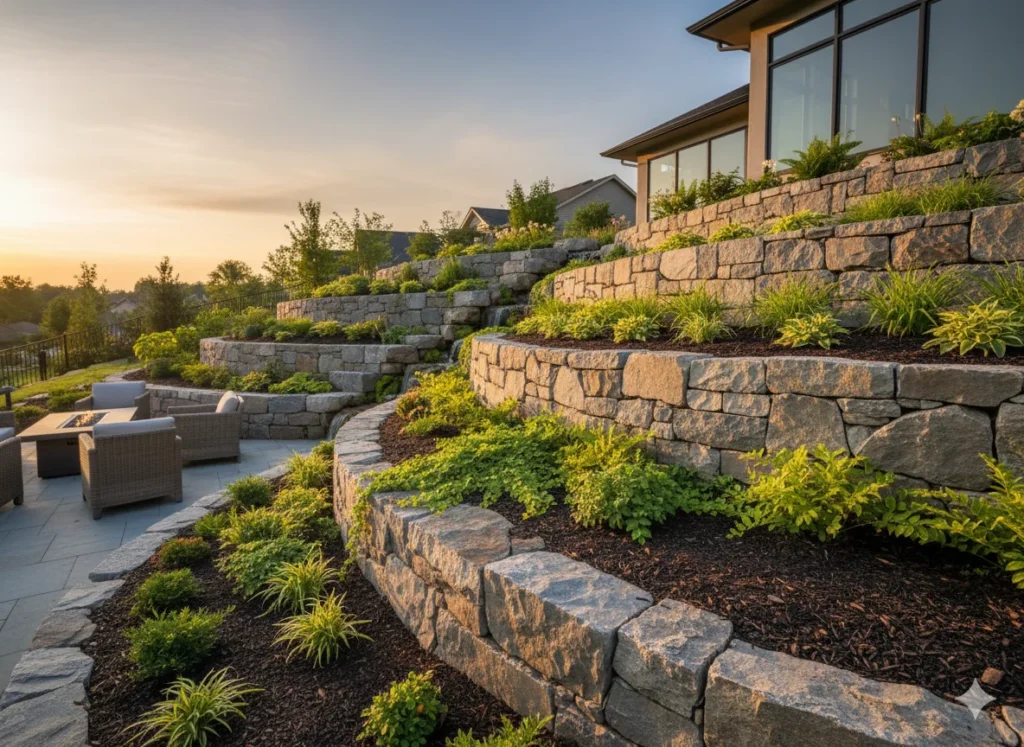
Tiered retaining beds can completely transform steep or uneven yards into organized and visually striking outdoor spaces. Each level helps slow water movement naturally, reducing erosion and protecting planting areas during heavy rainfall. I’ve noticed this setup works especially well for homes with sloped backyards where runoff tends to damage grass or wash away mulch over time. Natural stone retaining walls also introduce rich texture that makes the landscape feel layered and professionally designed. Once filled with greenery and flowers, the entire yard feels more usable, balanced, and visually connected from top to bottom.
Carefully planned terraces create stronger definition throughout the landscape while improving long-term drainage performance around the property. Raised planting beds help direct excess moisture gradually instead of allowing water to rush quickly downhill after storms. Many homeowners appreciate how these structured levels create additional seating or garden opportunities without overcrowding the yard visually. In my experience, mixing trailing plants with darker mulch softens the retaining walls beautifully and keeps the overall design feeling warm and welcoming. Subtle pathway lighting between levels can also highlight the stone textures at night while improving visibility and outdoor atmosphere.
Mulched Drainage Strip
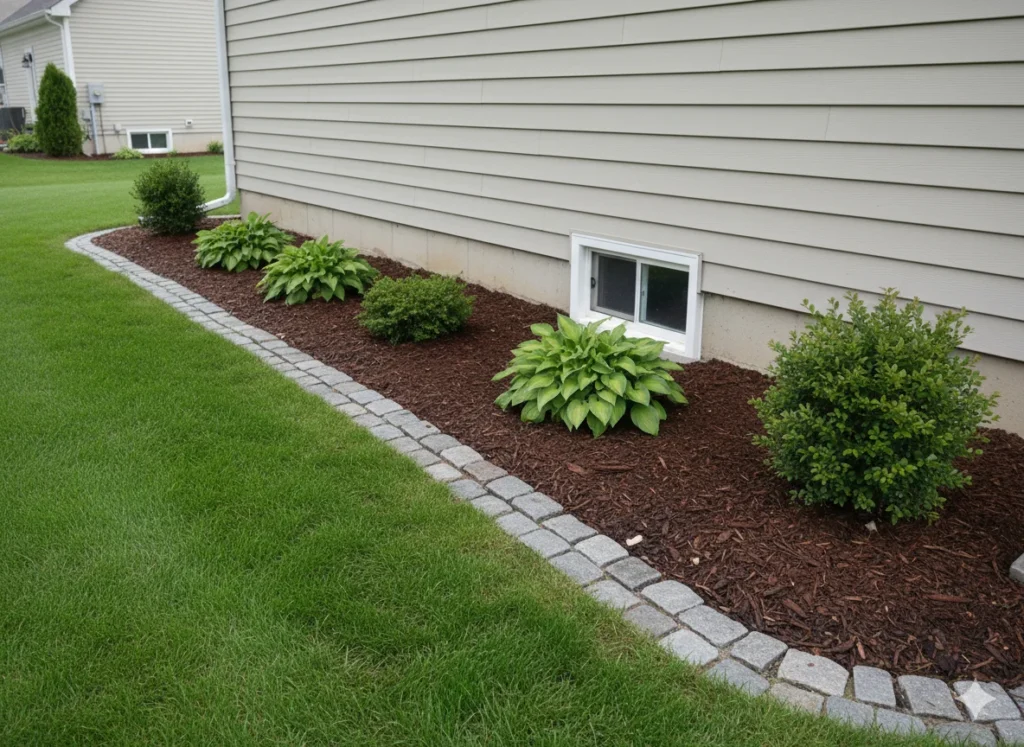
A mulched drainage strip can quietly solve moisture problems while making the entire landscape feel cleaner and more organized. Dark bark mulch absorbs rainfall naturally and prevents muddy splashes near exterior walls after storms. I’ve seen this simple upgrade work especially well beside foundations where grass struggles because of shade or constant dampness. The mulch also creates stronger contrast around shrubs and flowers, helping planting beds look fuller and more professionally maintained throughout the year. Once edging stones are added, the entire border feels intentional, polished, and much easier to care for during wet seasons.
Small landscaping details often create the biggest visual improvements around a home exterior. A narrow drainage strip lined with mulch helps guide moisture away gradually while protecting nearby plants from standing water and soil erosion over time. Many homeowners appreciate how quickly this feature improves the appearance of bare or patchy areas beside the house without requiring major construction work. In my experience, combining dark mulch with bright green hostas or compact shrubs creates a timeless and welcoming look that complements nearly any architectural style. Decorative edging further sharpens the layout and keeps the landscape looking tidy year round.
Stone Spillway Edge
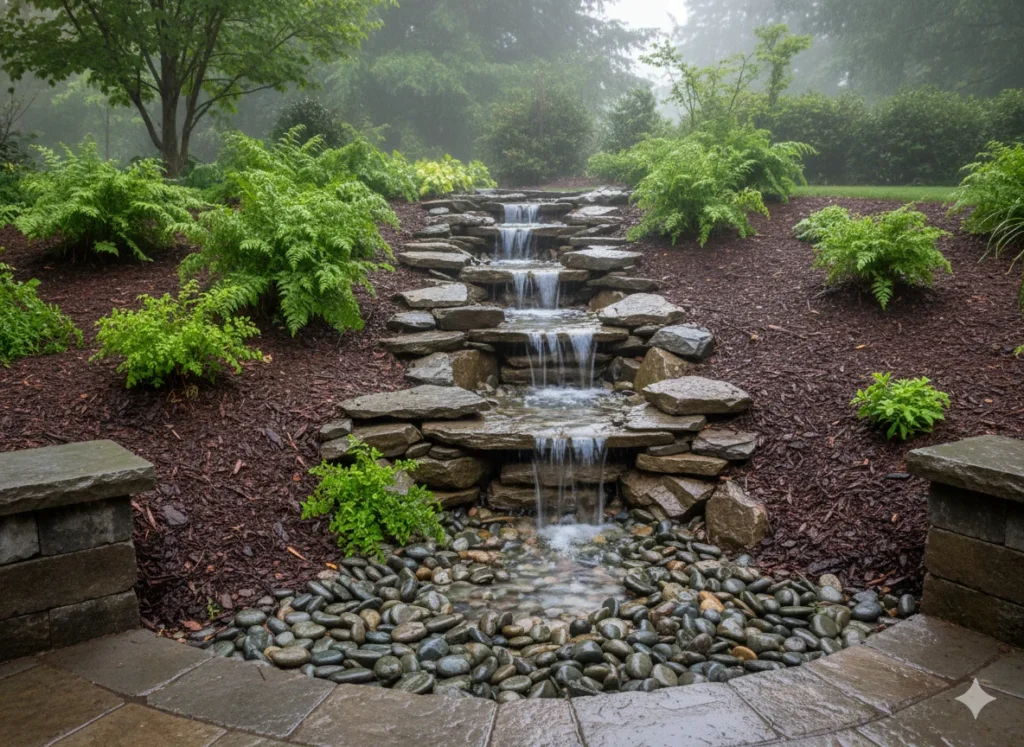
A stone spillway edge can make heavy rainfall feel like part of the landscape design instead of a constant maintenance problem. Carefully stacked stones guide runoff smoothly between planting beds while helping prevent soil and mulch from washing into walkways or patios. I’ve noticed this feature works especially well in gardens with gentle slopes where uncontrolled water can quickly create messy low spots. The layered stone texture also adds movement and depth that makes outdoor spaces feel more natural and thoughtfully designed. Once surrounded with ferns or ornamental plants, the entire area feels calm, balanced, and visually connected.
Thoughtful water pathways often create some of the most beautiful details within a landscaped yard. A spillway lined with natural stone softens strong runoff while helping moisture spread more evenly across nearby garden areas during storms. Many homeowners appreciate how this feature looks decorative even when completely dry because the textured stones still create visual interest year round. In my experience, curved spillway shapes feel more organic and welcoming than straight drainage channels cutting across the yard. Adding soft landscape lighting nearby can also highlight the stone textures beautifully while improving nighttime atmosphere after rainy evenings outdoors.
Hidden Pipe Garden
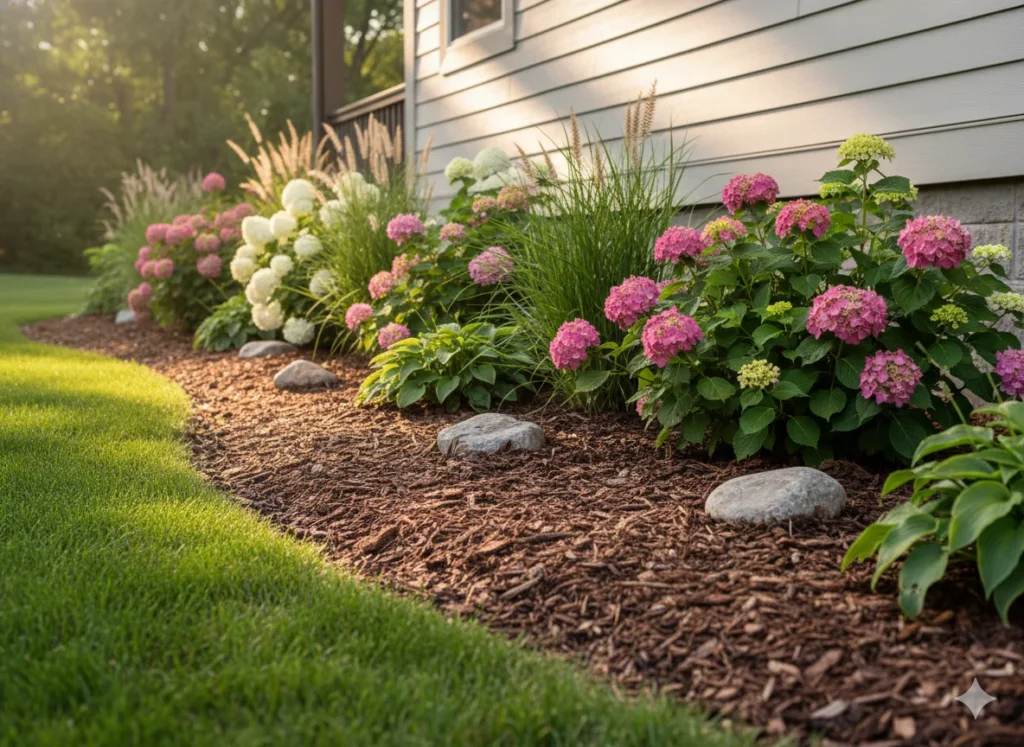
A hidden pipe garden creates a polished landscape without exposing unattractive drainage hardware throughout the yard. Underground piping quietly redirects water away from the home while layered plants and mulch maintain a soft natural appearance above the surface. I’ve seen this solution work beautifully for homeowners who want stronger water control without sacrificing curb appeal or garden aesthetics. Decorative grasses and flowering shrubs help disguise drainage zones completely while adding movement and seasonal color around the property. Once established, the entire space feels cleaner, more cohesive, and easier to enjoy throughout changing weather conditions year round.
Well-designed planting beds can hide practical drainage features so effectively that guests barely notice them at all. Mulch and layered greenery help absorb moisture naturally while underground pipes move larger amounts of runoff safely away from vulnerable areas near the house. Many designers recommend mixing shrubs with ornamental grasses because the varied textures create a fuller and more balanced landscape overall. In my experience, this approach works especially well around patios and side yards where visible pipes would interrupt the flow of the design visually. Small stone accents nearby can subtly hint at water movement while keeping the garden elegant and welcoming.
Conclusion
Improving your outdoor space with smart drainage solutions can completely transform how your home handles rain while elevating its overall appearance. From natural rock features to hidden systems, each idea shows that water management doesn’t have to be ugly or complicated. Instead, it can blend seamlessly into your landscape design and even make it more beautiful and structured.
I’ve seen how small changes like these can completely transform a space over time. By choosing the right drainage around house approach, you can protect your foundation, reduce maintenance issues, and create a cleaner, more inviting yard. Save these ideas for inspiration, try the ones that fit your space, and share them with others looking to upgrade their outdoor areas.