
24 Outdoor Plant Stands Ideas for Stylish Garden Spaces
Transforming gardens into captivating sanctuaries requires more than vibrant blooms and lush foliage. Strategic elevation through outdoor plant stands revolutionizes how greenery interacts with surrounding architecture and natural light. These structures amplify visual interest while solving practical challenges like drainage management and spatial constraints.
Modern homeowners crave outdoor environments that reflect personal style without sacrificing functionality. Whether cultivating herbs on compact balconies or showcasing exotic specimens across sprawling estates, the right display framework makes botanical collections shine. From minimalist metal constructs to ornate Victorian-inspired pieces, today’s options accommodate every aesthetic preference and horticultural need.
Tiered Metal Stands for Vertical Impact
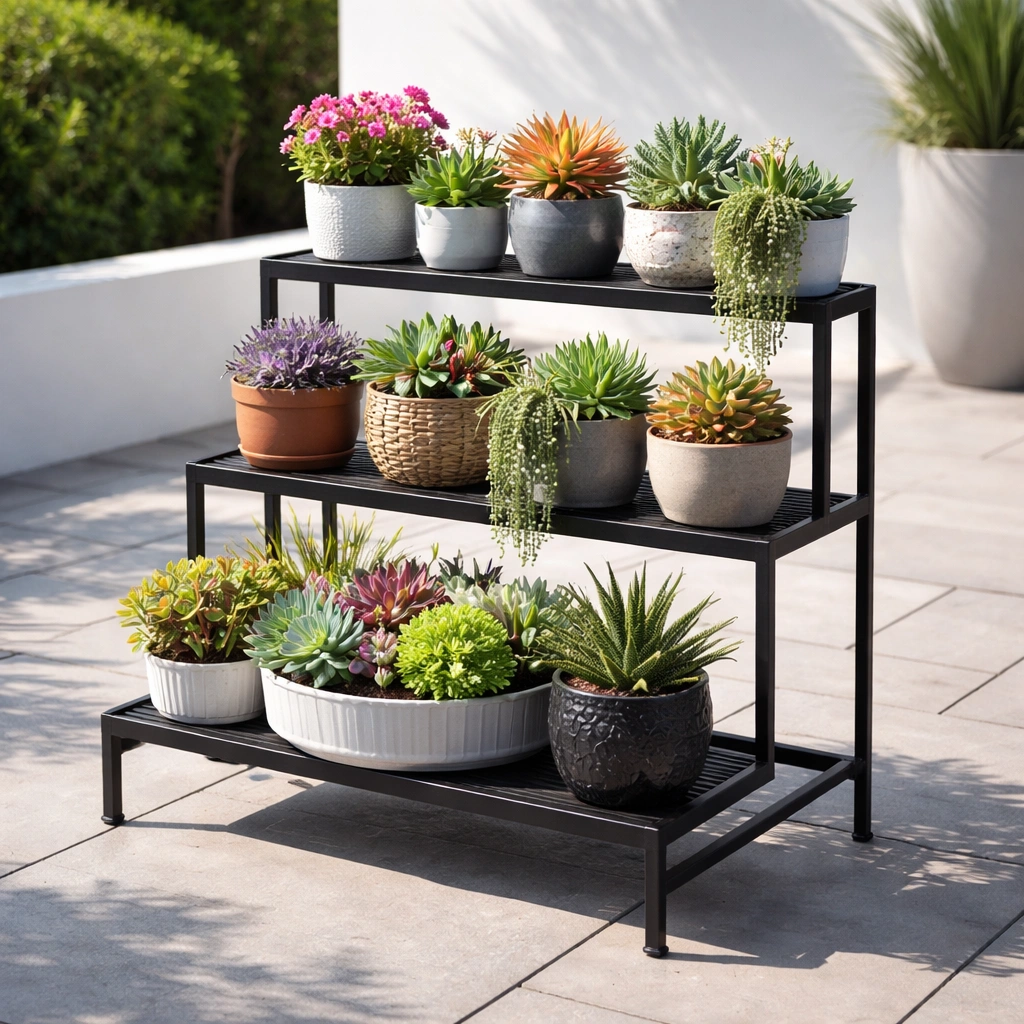
Multi-level metal plant stands create dramatic focal points in courtyards and patios. Black powder-coated iron withstands harsh weather while supporting substantial weight. Graduated platforms allow sunlight penetration to lower tiers. Three-shelf configurations work beautifully for succulent collections requiring similar care routines. Rust-resistant finishes ensure longevity through countless freeze-thaw cycles.
you may also like this:23 Fall Outdoor Decor Ideas for a Cozy Seasonal Yard
Wooden Ladder Displays with Rustic Charm
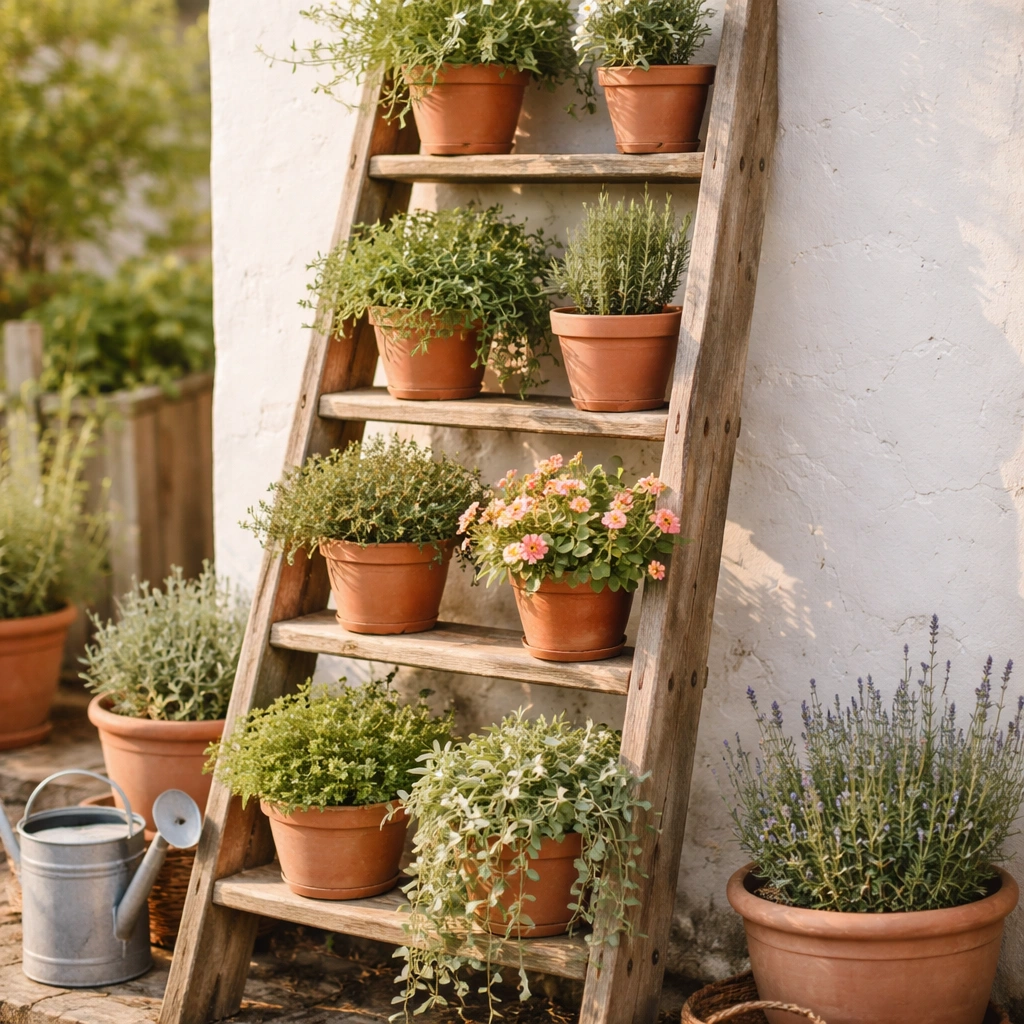
Repurposed ladders inject farmhouse character into contemporary gardens. Cedar and teak naturally repel moisture damage and insect infestations. Lean structures against exterior walls or position freestanding near garden beds. Wide rungs accommodate various pot diameters from petite four-inch containers to expansive twelve-inch planters. Weathered finishes complement cottage-style landscapes.
Corner Plant Stands Maximizing Tight Spaces
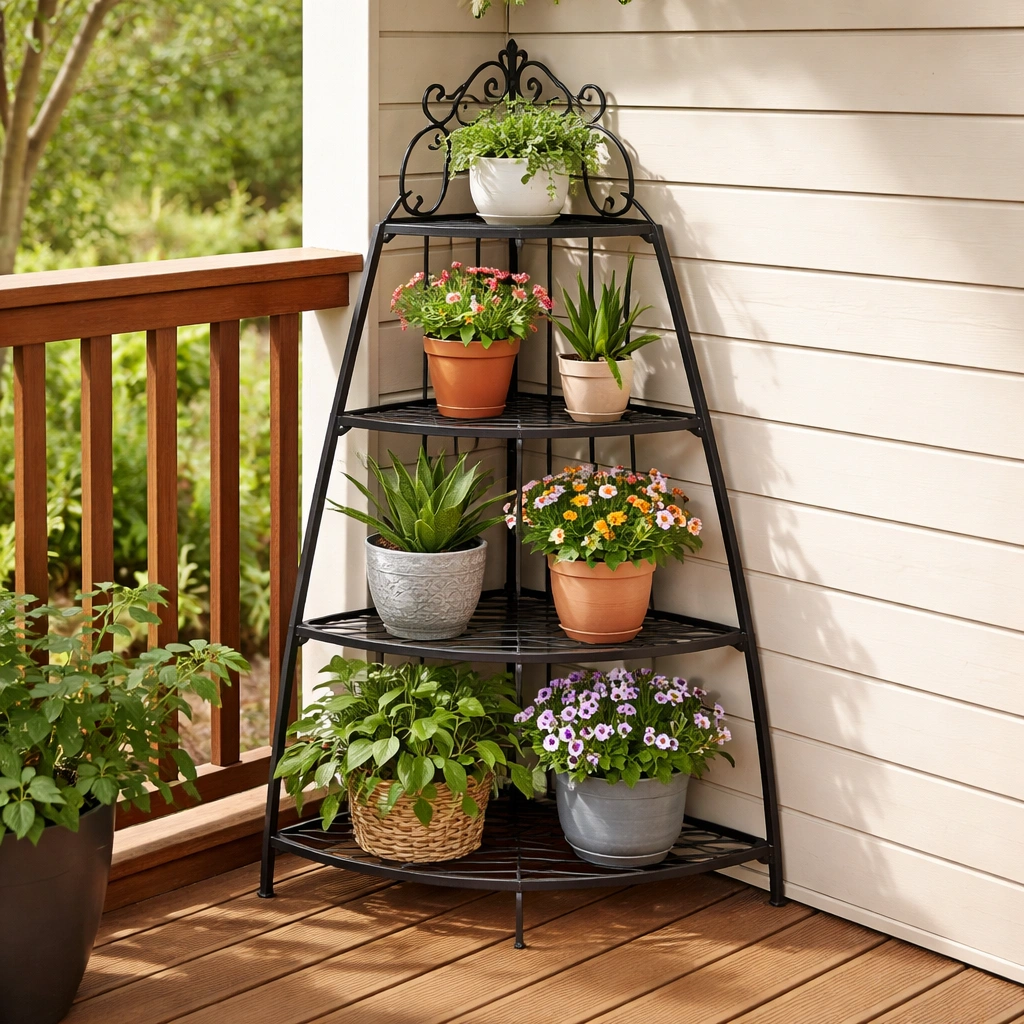
Triangular corner plant stands exploit underutilized nooks on decks and porches. These ingenious designs nestle perfectly into 90-degree angles where traditional furniture won’t fit. Wrought iron versions feature scrollwork detailing for added elegance. Powder-coated steel options provide contemporary minimalism. Compact footprints free valuable square footage while displaying six to eight plants vertically.
Rolling Stands for Flexible Garden Layouts
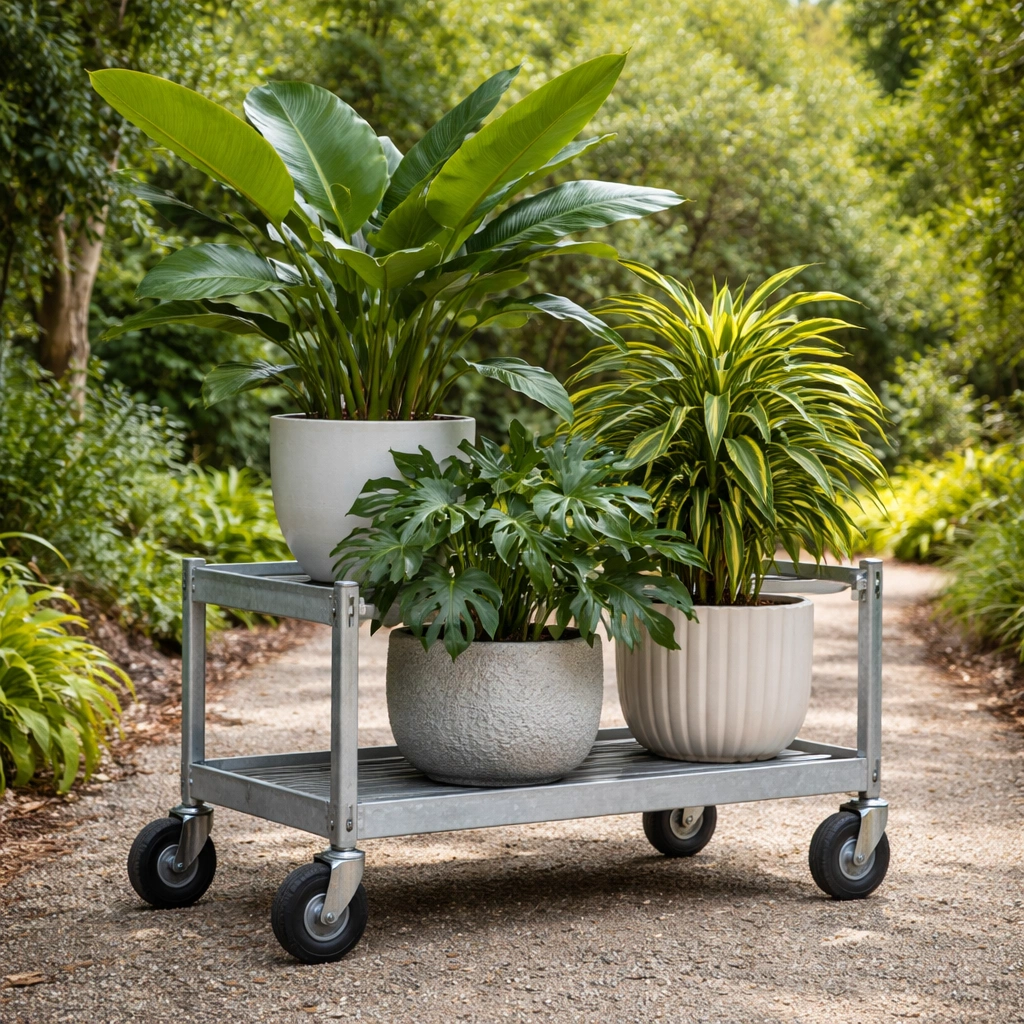
Wheeled platforms deliver unmatched mobility for seasonal rearrangements. Move delicate plants indoors before frost arrives or chase optimal sunlight throughout the day. Heavy-duty casters support substantial ceramic pots filled with moist soil. Locking mechanisms prevent unwanted movement during windstorms. Galvanized steel frames resist corrosion from constant outdoor exposure.
Wrought Iron Stands Adding Classical Elegance
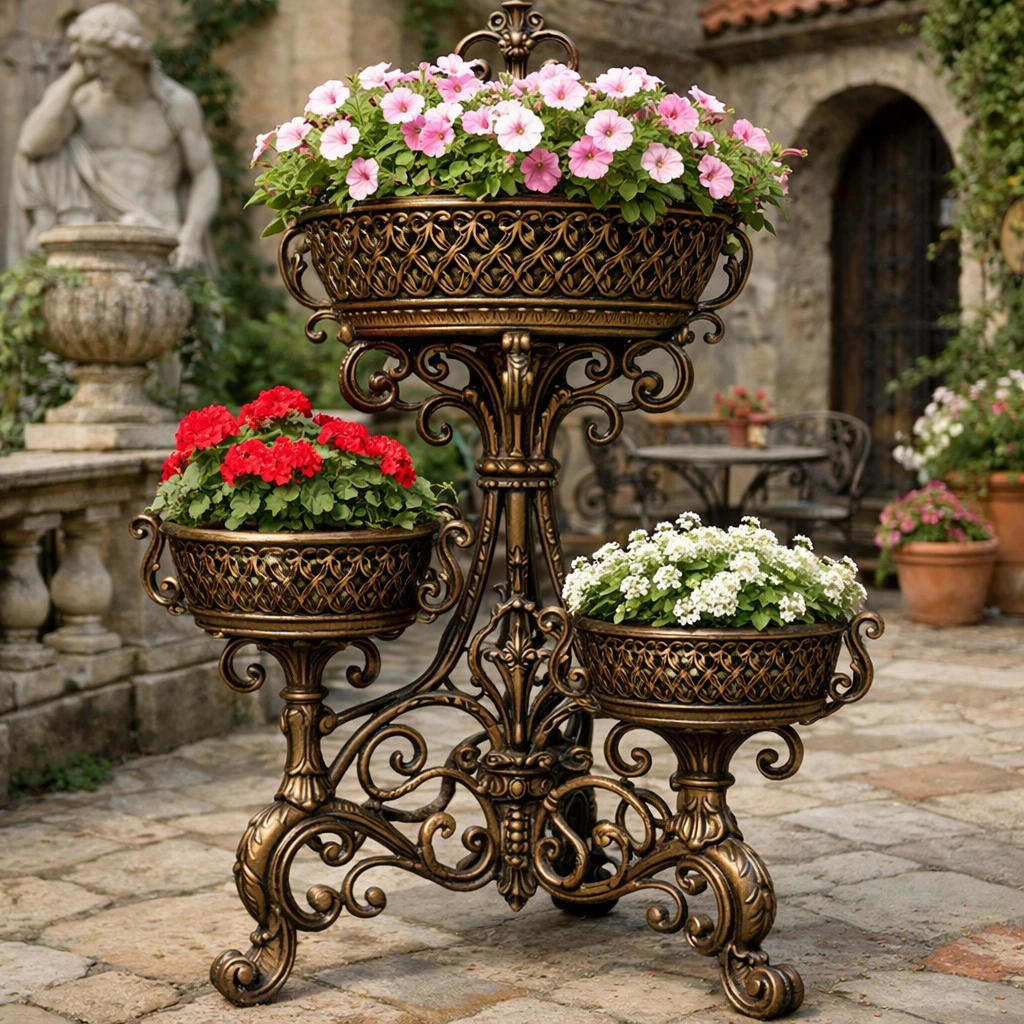
Traditional wrought iron plant stands evoke European courtyard sophistication. Intricate scrollwork and basket-weave patterns function as standalone sculptural elements. Dark bronze and verdigris patinas develop naturally over time. These robust structures accommodate heavyweight containers without sagging or wobbling. Hand-forged pieces become heirloom investments passed through generations.
Bamboo Stands for Eco-Conscious Gardens
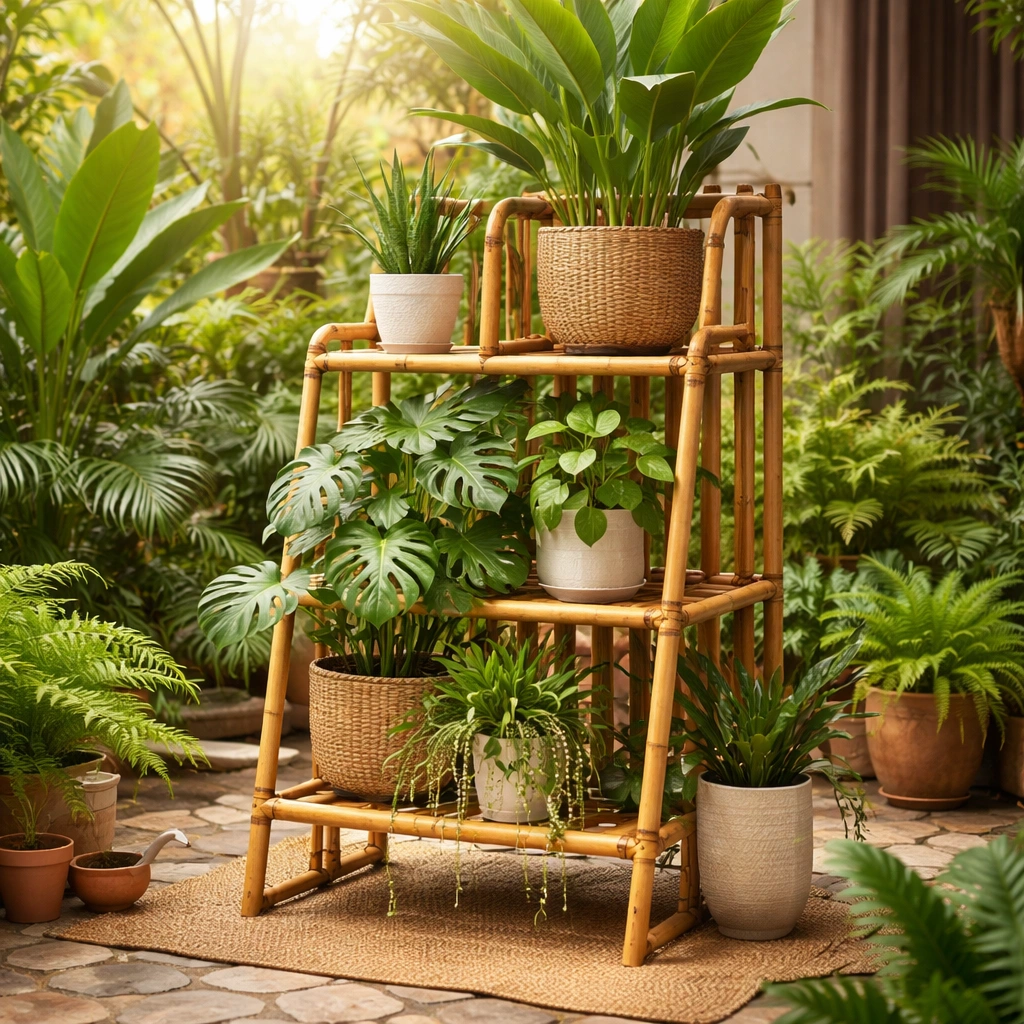
Sustainable bamboo constructions appeal to environmentally aware gardeners. Rapid regeneration makes this material exceptionally renewable. Natural moisture resistance prevents warping in humid climates. Collapsible designs facilitate seasonal storage in garages or sheds. Light golden hues coordinate beautifully with tropical plant varieties like monstera and bird of paradise.
Hanging Plant Stand Combos
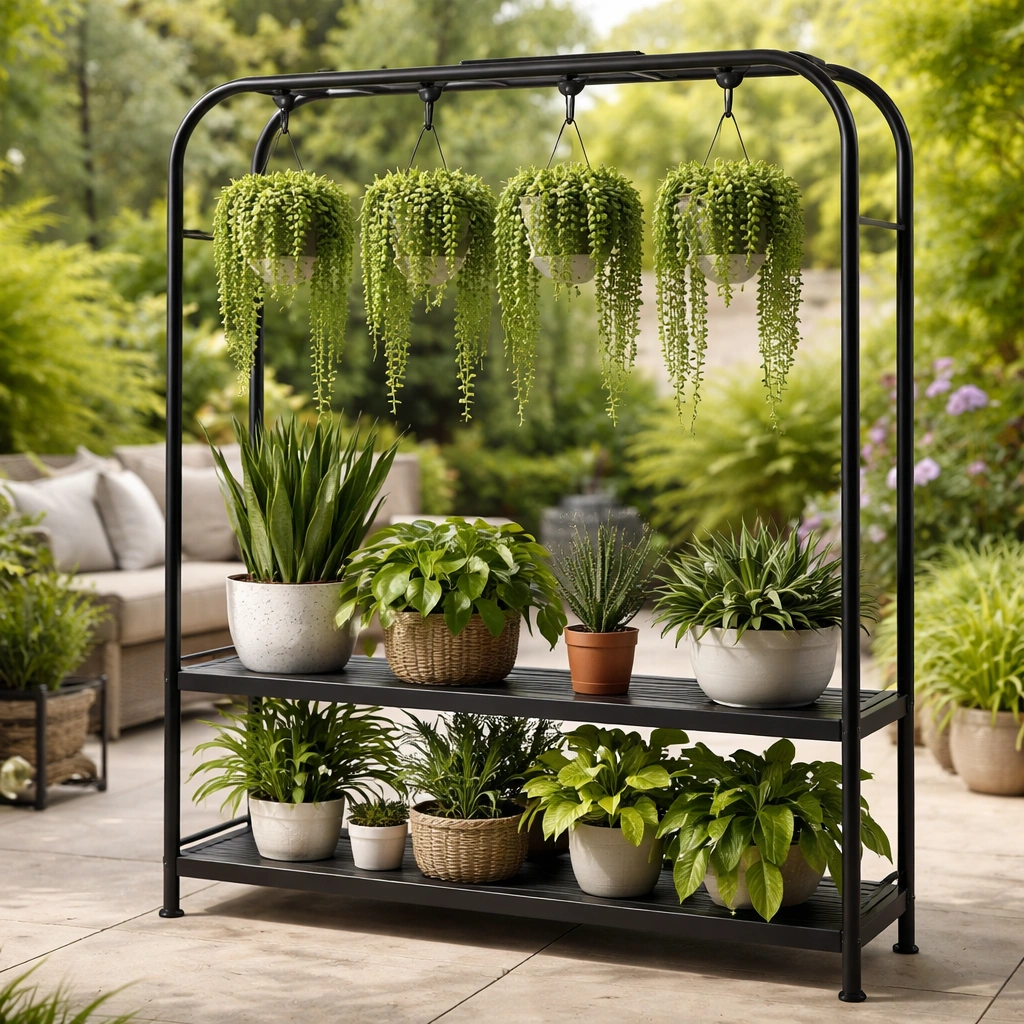
Hybrid structures combine elevated platforms with overhead hooks for suspended pots. Maximize vertical real estate by layering plants at multiple heights. Trailing varieties like string of pearls cascade dramatically from upper tiers. Upright specimens occupy lower shelves. Powder-coated aluminum resists rust while maintaining lightweight portability.
Concrete Pedestal Stands for Modern Minimalism
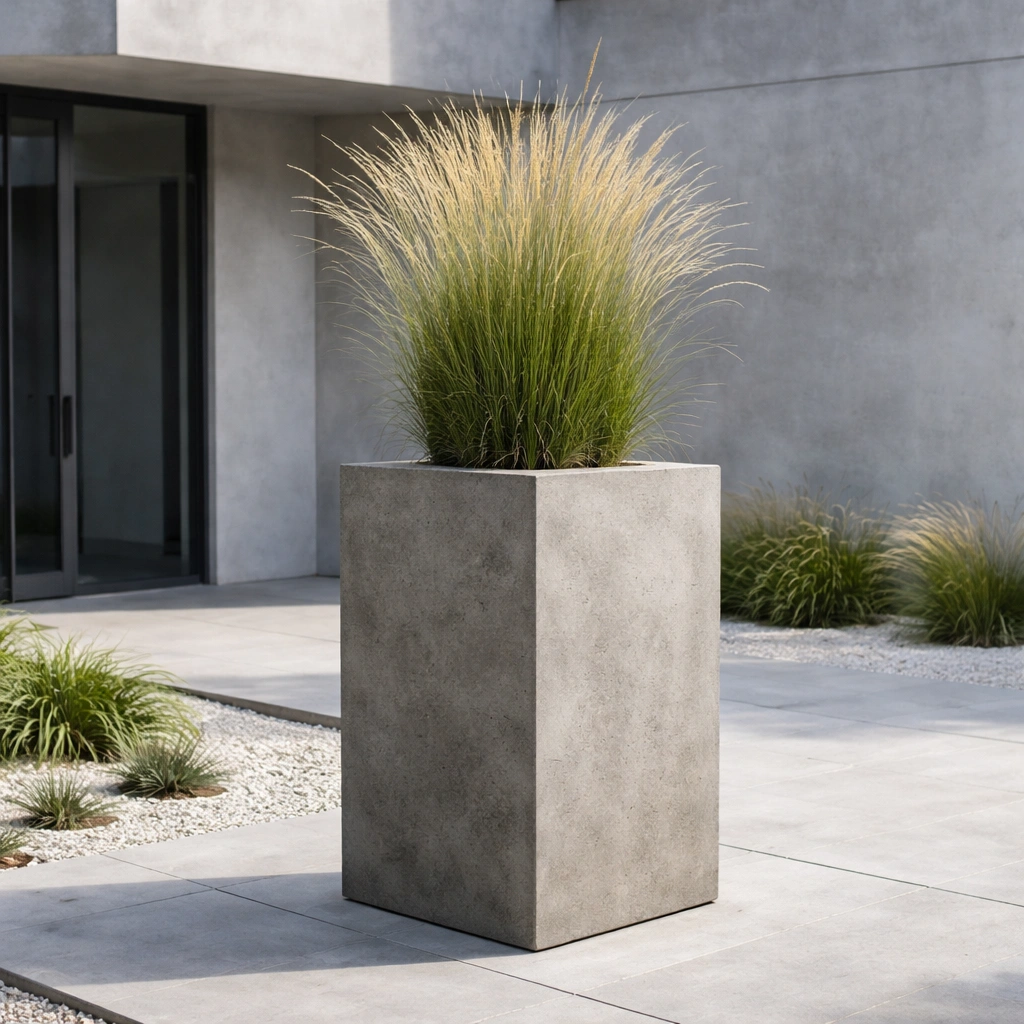
Industrial concrete pedestals deliver bold architectural statements. Poured-in-place or precast options suit different installation preferences. Neutral gray tones complement vivid flower colors without competing visually. Exceptional stability handles top-heavy arrangements featuring tall ornamental grasses. Sealed surfaces repel water absorption preventing freeze damage.
Wire Basket Stands with Airy Aesthetics
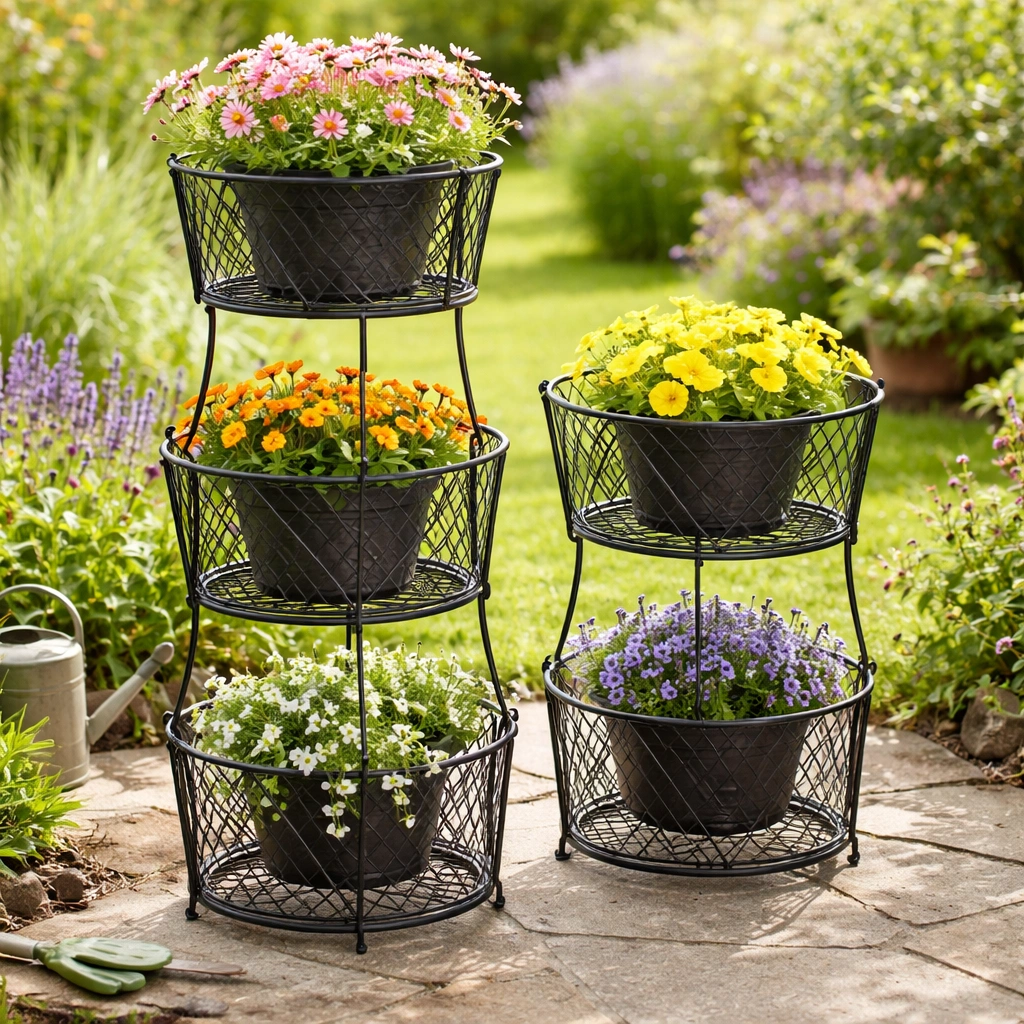
Open-weave wire constructions provide excellent airflow around container perimeters. Enhanced circulation reduces fungal issues in humid environments. Black-coated steel maintains structural integrity through seasons. Removable baskets simplify planting and soil changes. Stackable units adapt as collections expand or contract.
Mosaic Tile Stands as Garden Jewelry
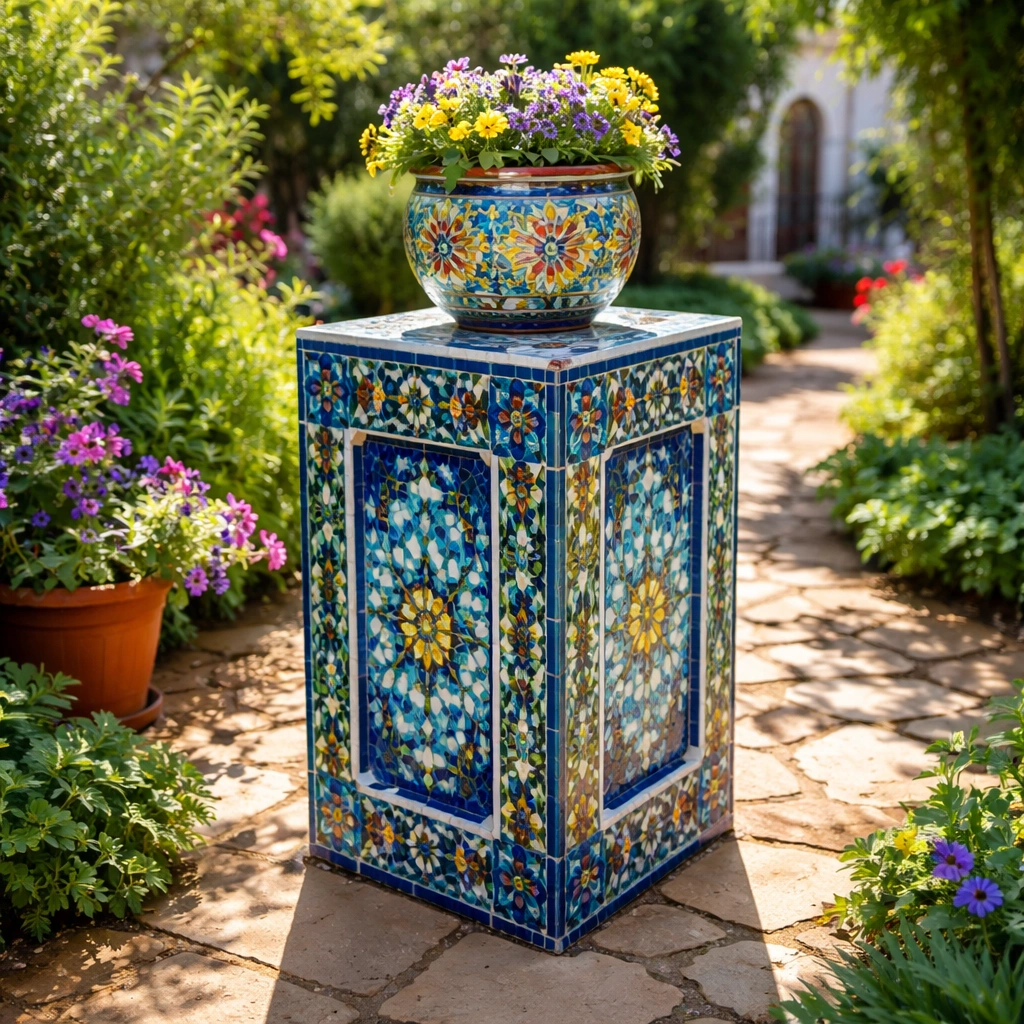
Handcrafted mosaic surfaces transform functional pieces into artistic focal points. Vibrant glass tiles catch sunlight creating shimmering effects. Grouted surfaces withstand temperature fluctuations without cracking. Each stand becomes unique given slight variations in tile placement. Moroccan-inspired patterns complement Mediterranean garden themes.
Stacked Stone Stands for Natural Integration
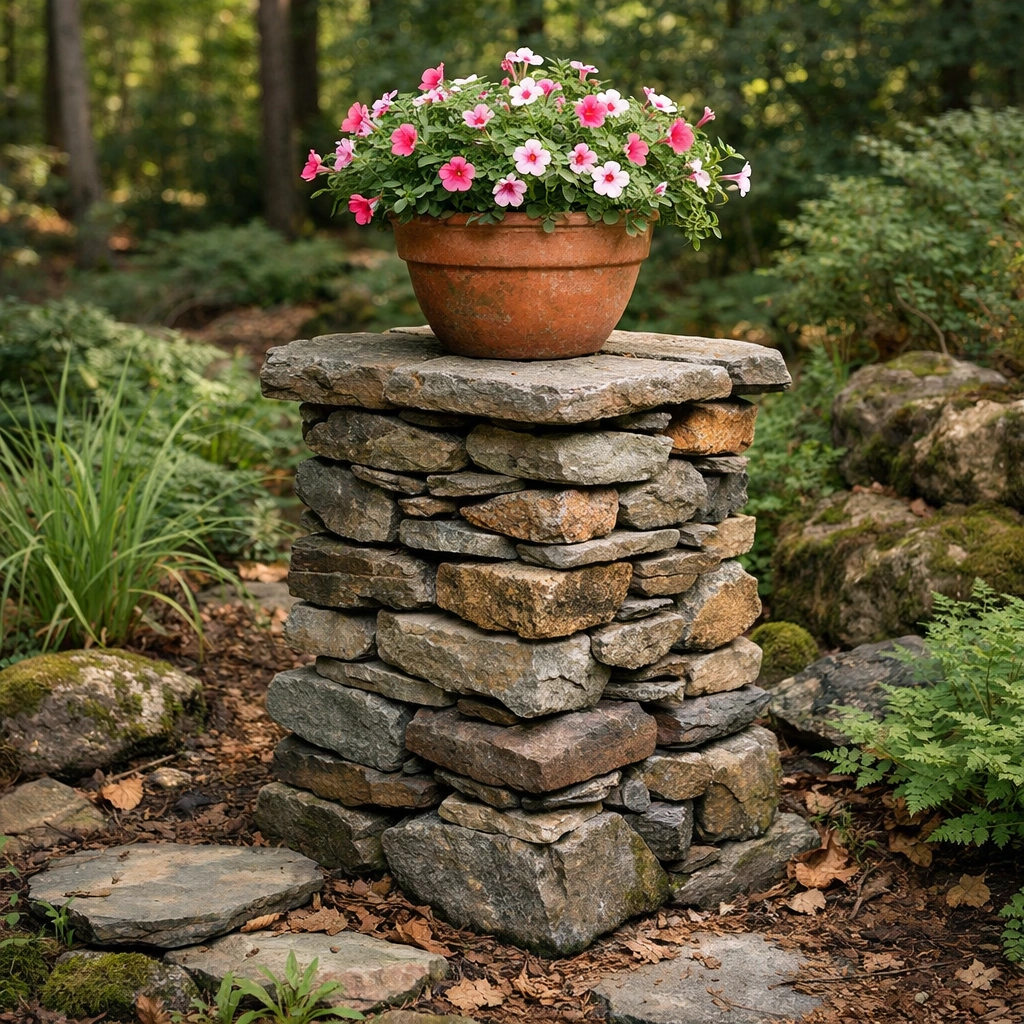
Dry-stacked slate or limestone blends seamlessly with naturalistic landscapes. Irregular edges and varied thicknesses create organic appearances. Excellent thermal mass moderates soil temperatures in container bottoms. Zero maintenance beyond occasional debris removal. Local stone varieties reduce transportation impacts and costs.
Copper Stands Developing Living Patinas
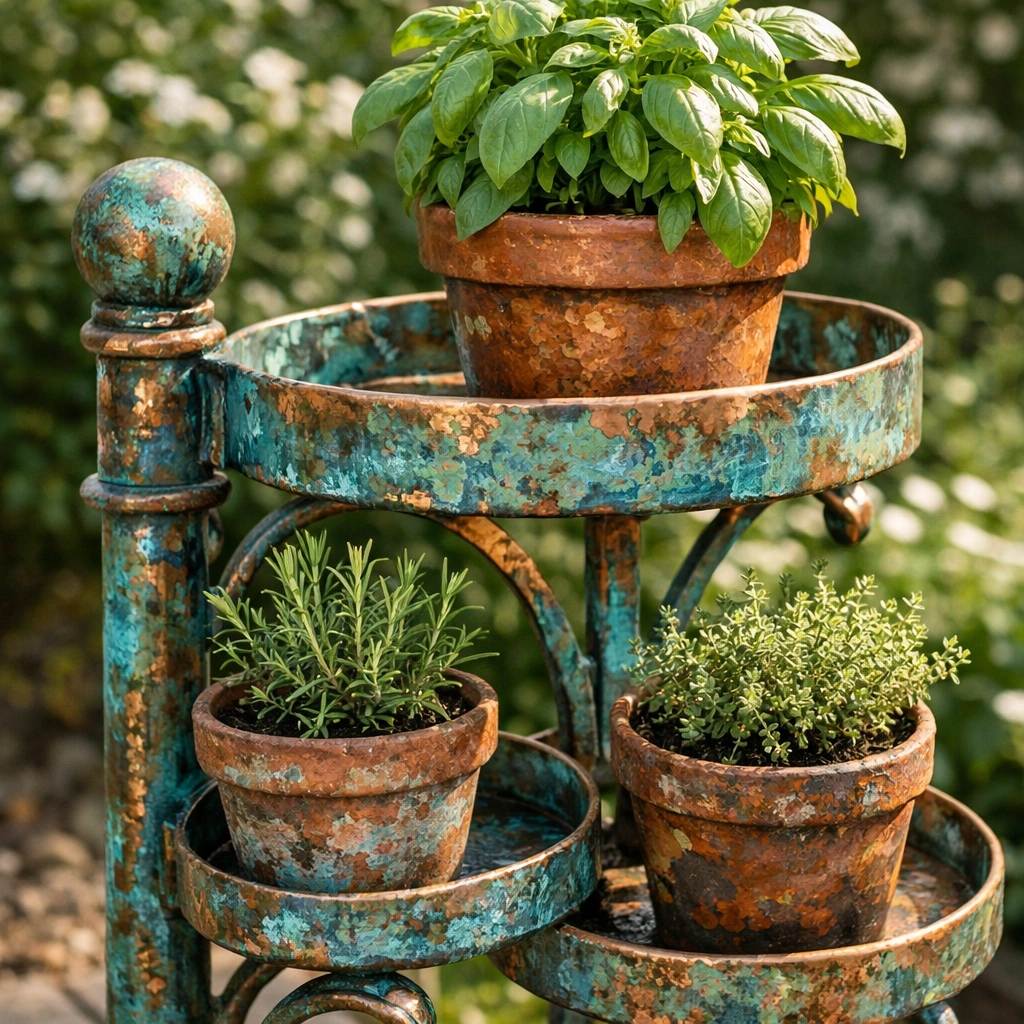
Pure copper develops stunning blue-green oxidation over months. This natural aging process creates ever-evolving color palettes. Superior conductivity helps regulate root zone temperatures. Antimicrobial properties discourage algae growth on pot exteriors. Handcrafted hammered textures reflect light in captivating ways.
Vintage Chair Conversions
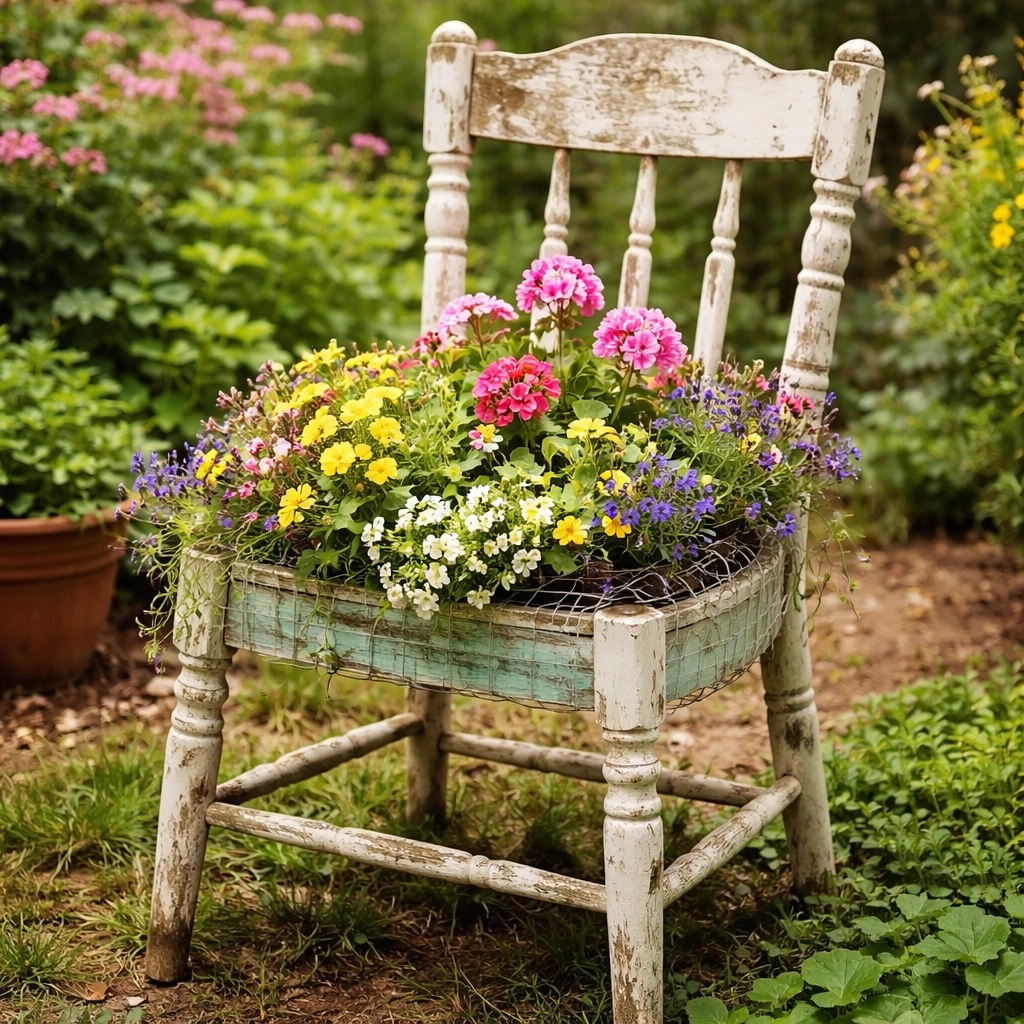
Upcycled seating transforms into whimsical planters with character. Remove worn cushions and install wire mesh across seat frames. Chippy paint finishes contribute shabby-chic appeal. Mix-and-match different chair styles throughout gardens for eclectic vibrancy. Sturdy wooden construction supports substantial container weights.
Floating Shelf Stands Against Walls
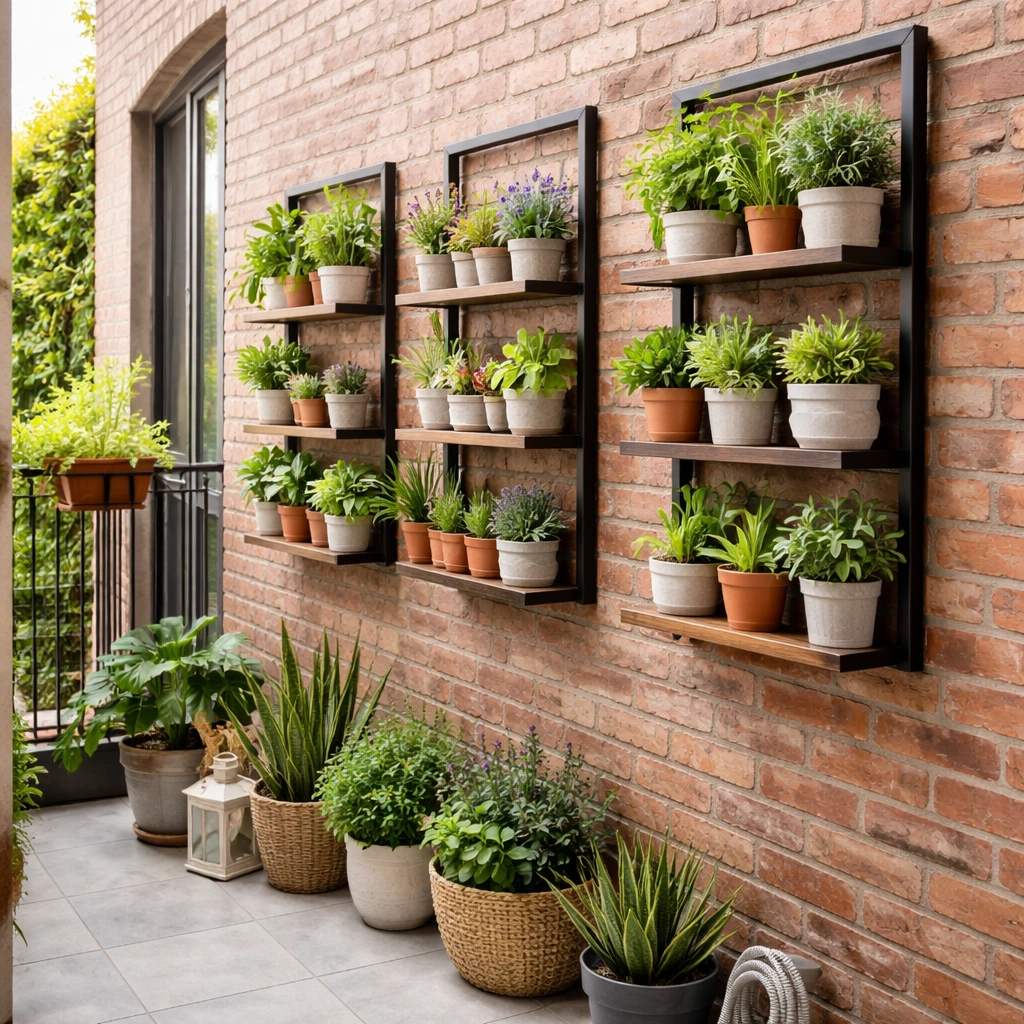
Wall-mounted brackets suspend pots at eye level without consuming floor space. Ideal for narrow side yards and apartment balconies. Adjustable heights accommodate growth spurts in climbing vines. Composite materials resist warping from moisture exposure. Hidden mounting hardware maintains clean sightlines.
Geometric Metal Frames
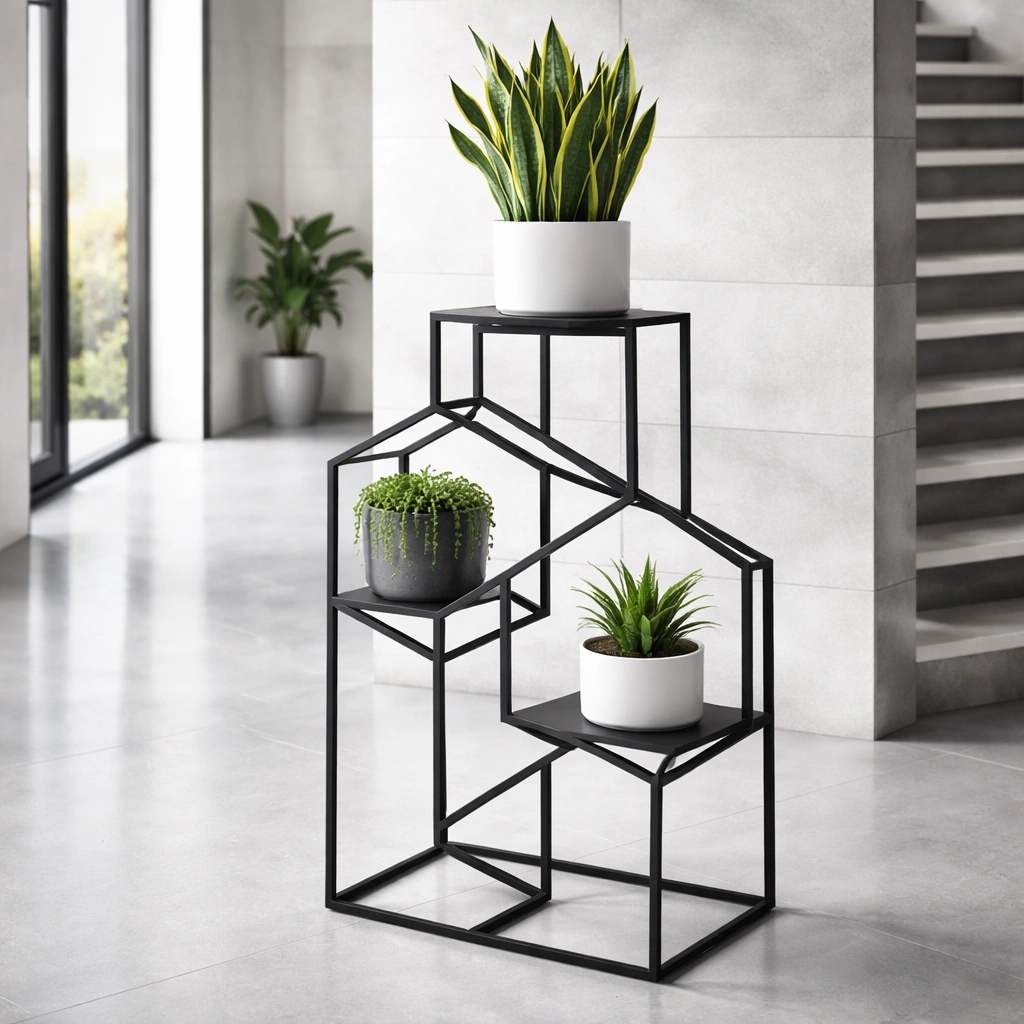
Contemporary angular designs featuring hexagons and triangles suit modern architecture. Matte black finishes provide stark contrast against greenery. Welded joints ensure decades of stability. Negative space within frameworks creates interesting shadow play. Modular components allow custom configurations matching specific dimensions.
Reclaimed Wood Crate Stands
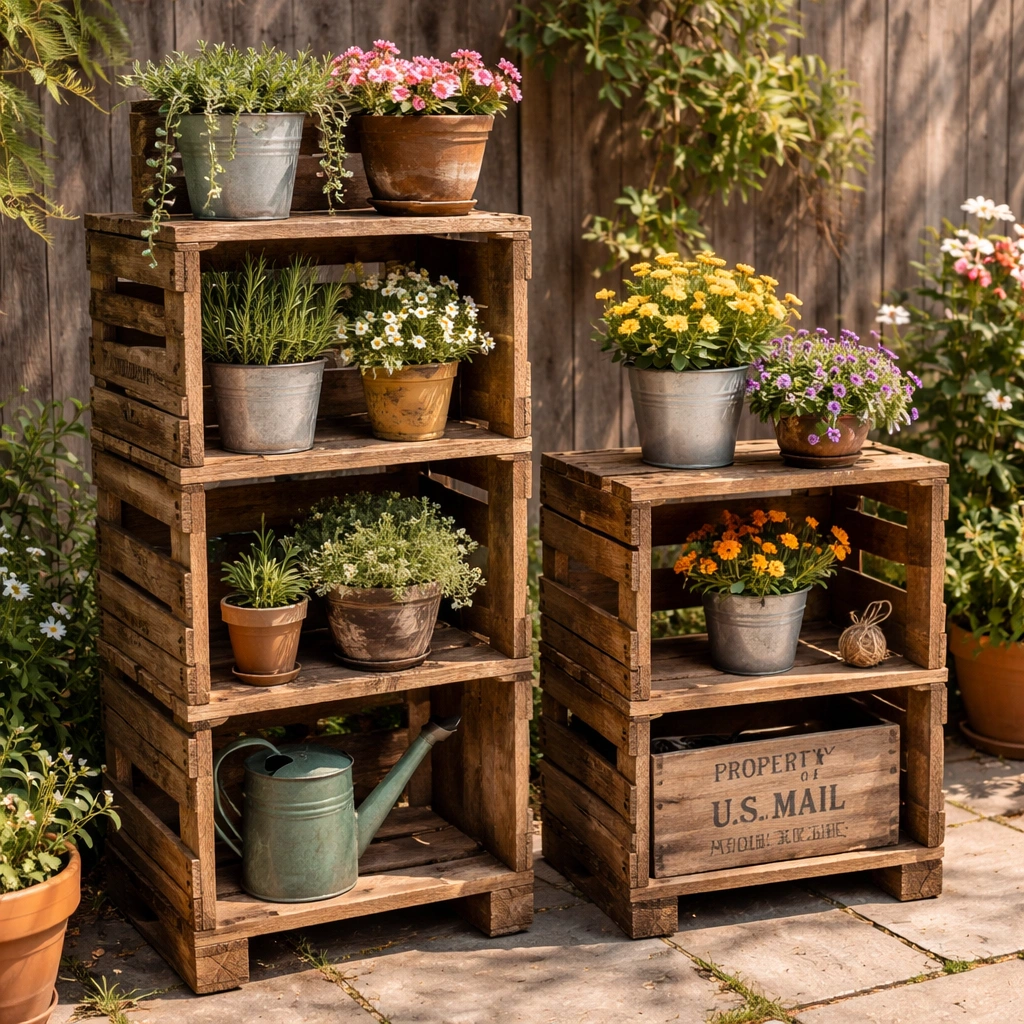
Salvaged shipping crates stacked and secured create budget-friendly displays. Weathered wood grain adds instant patina and history. Drainage gaps between slats prevent water accumulation. Lightweight construction allows easy repositioning. Stenciled lettering and branding contribute industrial charm.
Bistro Table Conversions
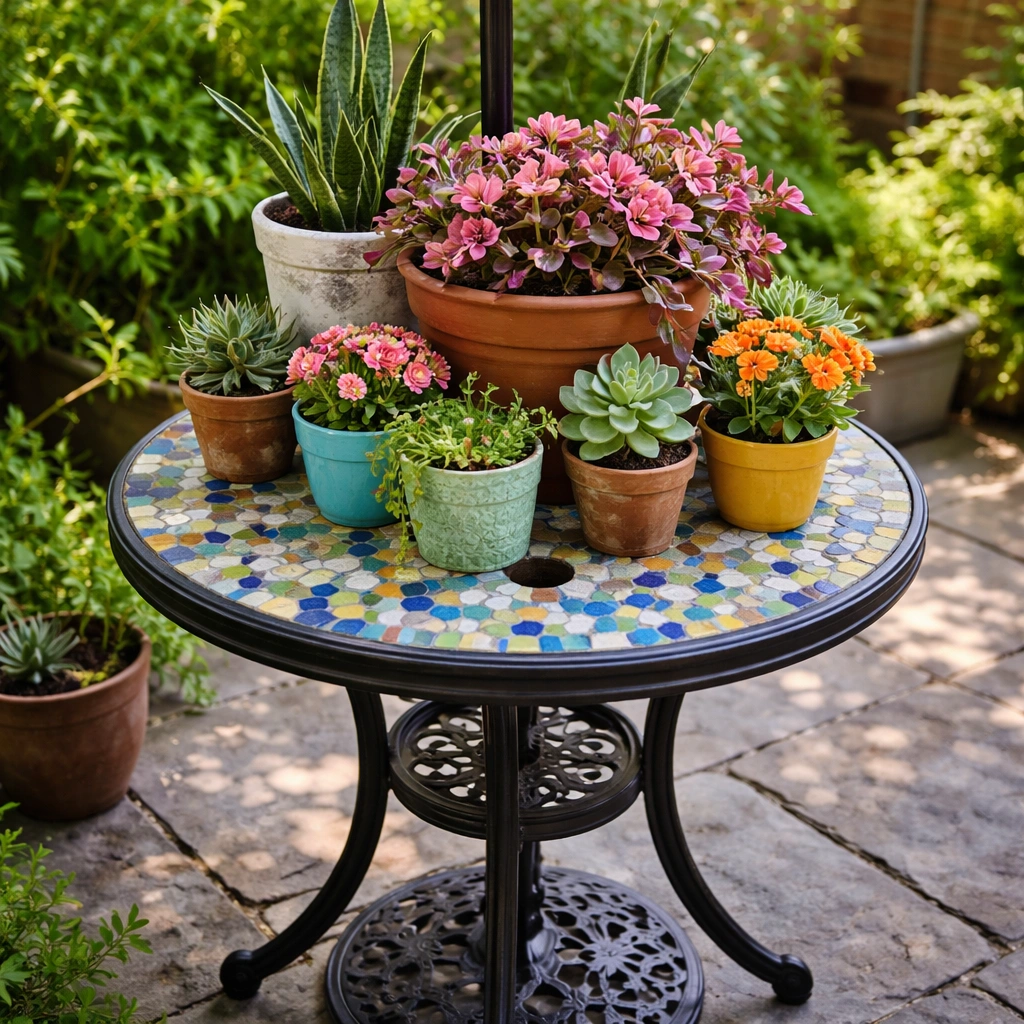
Small cafe tables gain second lives as elevated plant platforms. Umbrella holes accommodate stakes for climbing varieties. Fold-down options store flat during winter months. Cast aluminum versions withstand freeze-thaw cycles. Mosaic or ceramic tabletops introduce color pops.
Artistic Sculptures Doubling as Stands
Abstract metal sculptures serve dual purposes as functional plant holders. Commission local artists for one-of-a-kind installations. Welded steel compositions withstand outdoor elements indefinitely. Integrated planting cups nestle specimens within artistic frameworks. Gardens become outdoor galleries showcasing creative collaborations.
Selecting appropriate outdoor plant stands depends on available space, aesthetic preferences, and plant requirements. Evaluate material durability against regional climate extremes. Consider mobility needs for seasonal adjustments or tropical specimen overwinter moves. Mix heights and styles throughout landscapes to maintain visual intrigue across sight lines.
Proper drainage remains paramount regardless of stand type selected. Ensure containers feature adequate holes preventing root rot from waterlogged soil. Elevate pots slightly using pot feet or pebble layers allowing excess moisture escape. Monitor weight capacities especially when using terracotta or concrete vessels holding saturated growing media.
Maintenance varies dramatically between material choices. Wooden structures require annual sealant applications preventing moisture infiltration. Metal frames benefit from rust-inhibiting primer before painting. Stone and concrete need minimal upkeep beyond occasional power washing. Invest in quality construction to avoid frequent replacements.
Styling tips involve grouping odd numbers of plants for balanced compositions. Combine trailing, mounding, and upright growth habits creating textural diversity. Repeat color palettes throughout stands unifying disparate elements. Incorporate foliage plants alongside flowering varieties ensuring year-round interest.
Budget-conscious gardeners explore thrift stores and salvage yards for repurposing candidates. Old furniture, industrial remnants, and architectural fragments spark creative transformations. DIY projects utilizing reclaimed materials cost fractions of retail equivalents while delivering personalized character. Online tutorials provide step-by-step guidance for various skill levels.
Seasonal rotations keep displays fresh and engaging. Spring showcases bulbs and cool-season annuals. Summer highlights heat-loving tropicals and succulents. Autumn features mums and ornamental kale. Winter incorporates evergreen boughs and berry-laden branches. Swap specimens as bloom cycles progress maintaining continuous color.
Outdoor plant stands amplify gardening possibilities beyond traditional ground-level beds. Vertical displays conquer spatial limitations while introducing architectural dimension. Whether favoring minimalist steel frameworks or elaborate mosaic creations, these structures elevate both plants and overall garden design. Thoughtful selection and strategic placement transform ordinary yards into extraordinary outdoor living environments.
Frequently Asked Questions
What materials work best for outdoor plant stands in rainy climates
Powder-coated steel, wrought iron with rust-resistant finishes, and naturally rot-resistant woods like cedar or teak perform exceptionally well. Sealed concrete and resin composites also withstand constant moisture without deteriorating or warping over time.
How do I prevent outdoor plant stands from tipping over
Secure lightweight stands using ground stakes or weighted bases. Position stands against walls or fences for added stability. Choose wider footprint designs with lower centers of gravity. Anchor wheeled versions using locking casters during storms.
Can outdoor plant stands stay outside during winter
Durable materials like metal, stone, and treated wood tolerate freezing temperatures. Remove fragile ceramic or terra cotta components before hard frosts. Cover or store collapsible stands to extend longevity and prevent unnecessary weather exposure.
What height works best for outdoor plant stands
Eye-level displays ranging eighteen to thirty-six inches allow easy maintenance and appreciation. Tiered stands combining multiple heights create dynamic interest. Consider mature plant sizes ensuring adequate headroom and preventing overcrowding.
How many plants fit on typical outdoor plant stands
Capacity varies dramatically by design. Single-pedestal stands hold one large container. Three-tier ladder configurations accommodate six to nine pots. Corner units support four to eight specimens. Spiral designs display eight to twelve plants vertically.





One Comment