
15 VALENTINE’S DAY CURATED MOODS AND CINEMATIC DECOR
The anticipation builds as February arrives, bringing with it an opportunity to transform your living space into something truly extraordinary. Valentine’s Day has evolved far beyond simple red hearts and generic chocolate box imagery. Today, creating a meaningful celebration is about curating a specific mood, establishing an atmosphere that reflects your personal style while maintaining the essence of romance. This comprehensive guide explores fifteen thoughtfully designed approaches to Valentine’s Day decoration that blend cinematic aesthetics with deeply felt emotional resonance.
The art of decorating for Valentine’s Day requires understanding that your space should tell a story. Whether you are planning an intimate dinner for two, hosting a gathering of friends, or simply wanting to infuse your home with the spirit of love and connection, your environment becomes the backdrop for meaningful moments. Modern Valentine’s decor transcends the traditional and embraces a more sophisticated, intentional approach to celebration.
Creating Atmosphere Through Strategic Lighting


Lighting serves as the silent foundation of any romantic space. It possesses the remarkable ability to transform ordinary moments into something cinematic and deeply moving. Rather than relying solely on harsh overhead lights, strategic use of soft illumination creates layers of warmth that invite intimacy and comfort.
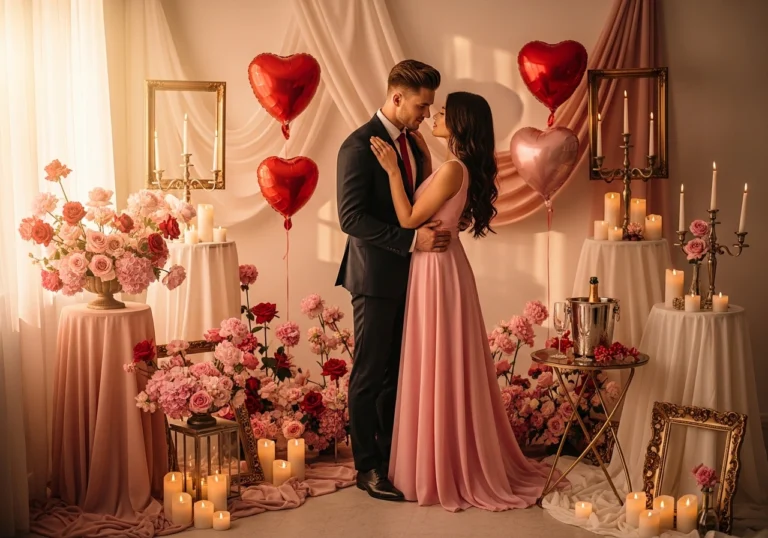
Incorporate multiple light sources throughout your space. Pillar candles in varying heights create visual interest while casting a golden glow that softens every edge. Consider battery-operated candles within glass vessels, which provide safety without sacrificing the authentic flickering effect. Fairy lights strung across mantels or draped along walls add a subtle sparkle that catches the eye without overwhelming the senses. Dimmable lamps with warm bulbs provide functional lighting that can be adjusted throughout the evening. The combination of these elements creates depth, transforming a simple room into a space that feels specially curated for celebration and connection.
The Power of Moody Color Palettes
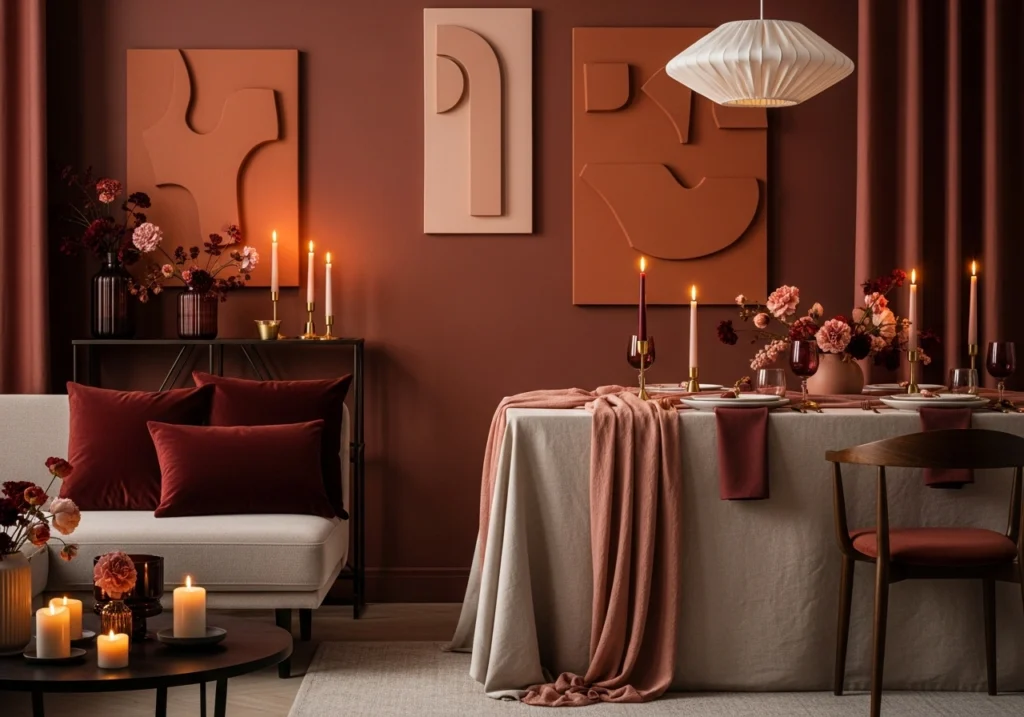
Traditional Valentine’s Day imagery relies heavily on bright reds and hot pinks. Contemporary design, however, embraces a more sophisticated approach through moody color combinations that feel both elevated and emotionally resonant. Deep burgundy, dusty blush, warm terracotta, and rich wine tones create a palette that feels luxurious without appearing overdone.
Layer these colors through your textiles and accessories. A burgundy table runner against a neutral linen tablecloth provides visual interest with restraint. Blush pink throw pillows scattered across furniture add softness without demanding attention. Incorporate metallic accents in gold or brass to catch light and add warmth to deeper tones. This approach allows your space to feel intentional and curated, reflecting contemporary design sensibilities while maintaining romantic warmth.
Floral Design as Romantic Statement
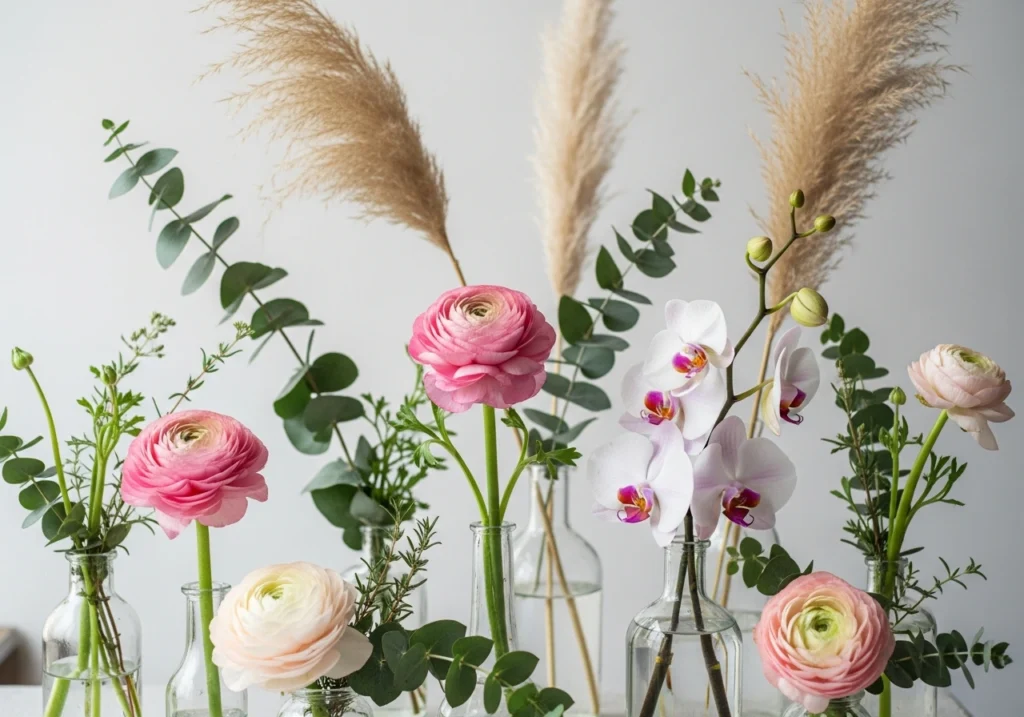
The evolution of Valentine’s floral design represents a significant shift from massive, overstuffed arrangements to thoughtfully minimal displays. Single stem flowers in small bud vases scattered throughout a room create visual interest while maintaining a sense of elegance and restraint.
Unexpected floral choices distinguish your space from conventional approaches. Dried pampas grass, eucalyptus branches, and fresh herbs offer texture and visual complexity. Ranunculus flowers with their delicate multi-layered petals create whimsy, while orchids in monochromatic arrangements provide sophisticated drama. Combining these elements with complementary greenery creates arrangements that feel organic and intentionally designed rather than hastily assembled.
Textile Layering and Tactile Elements
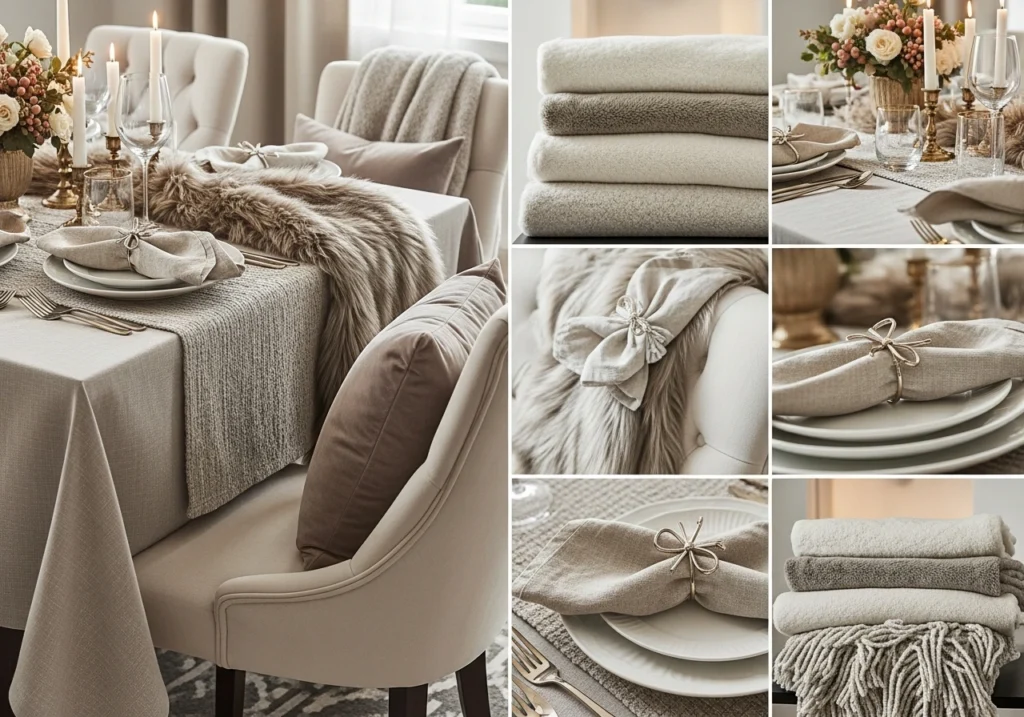
Incorporating varied textures through carefully selected textiles elevates any space from simply decorated to genuinely luxurious. Plush velvet cushions, soft linen throws, and faux fur accents create an environment that invites physical comfort and sensory engagement.
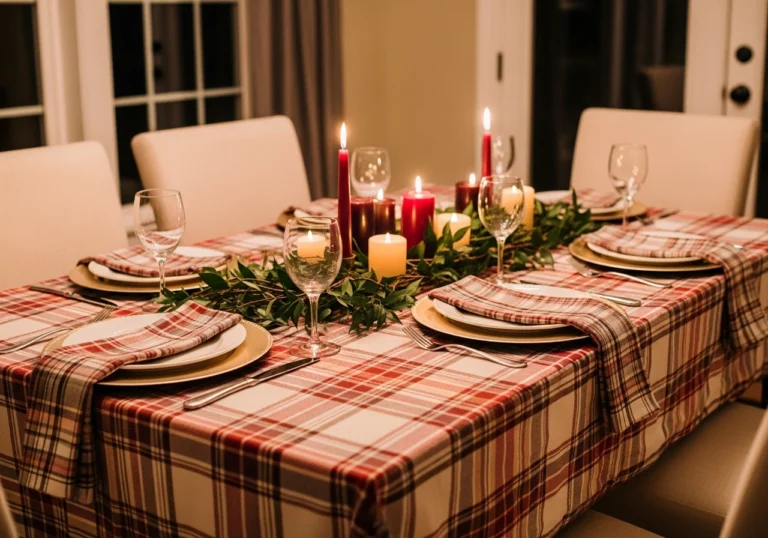
Your dining table becomes a canvas for textile exploration. Layer a neutral base tablecloth with a textured runner. Add carefully chosen napkins in complementary colors, perhaps secured with delicate bow rings or secured with simple metallic clasps. Chair covers in soft fabrics add drama without consuming visual space. This approach transforms the dining experience from functional to theatrical, creating moments worth remembering and photographing.
Establishing Intimate Table Settings
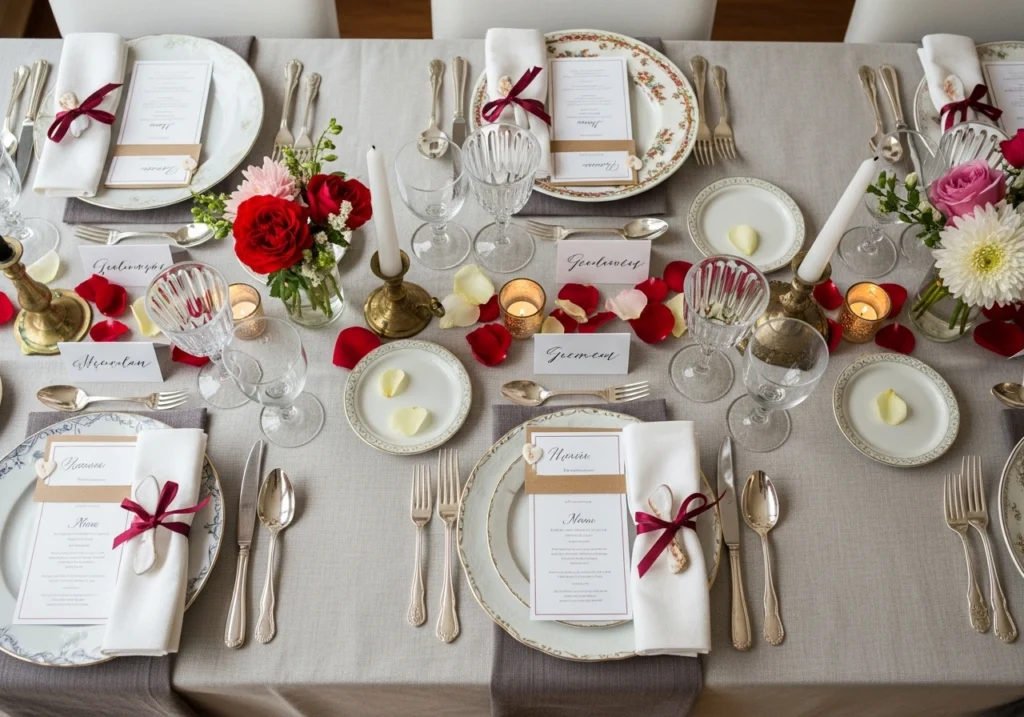
A thoughtfully designed tablescape communicates intention and care. Rather than overwhelming the table with numerous elements, select pieces that work harmoniously together. Personalized place cards handwritten on cardstock or simple kraft paper add warmth and acknowledge individual guests.
Incorporate meaningful touches like vintage silverware, heirloom plates, or collected pieces from antique markets. These elements carry history and meaning, transforming a simple meal into an experience rooted in genuine connection. Glassware in varying heights and styles creates visual interest while remaining functional. Small touches like fresh flowers at each place setting or scattered rose petals along the table add refinement through subtlety.
Creating Cinematic Backdrops and Photo Moments
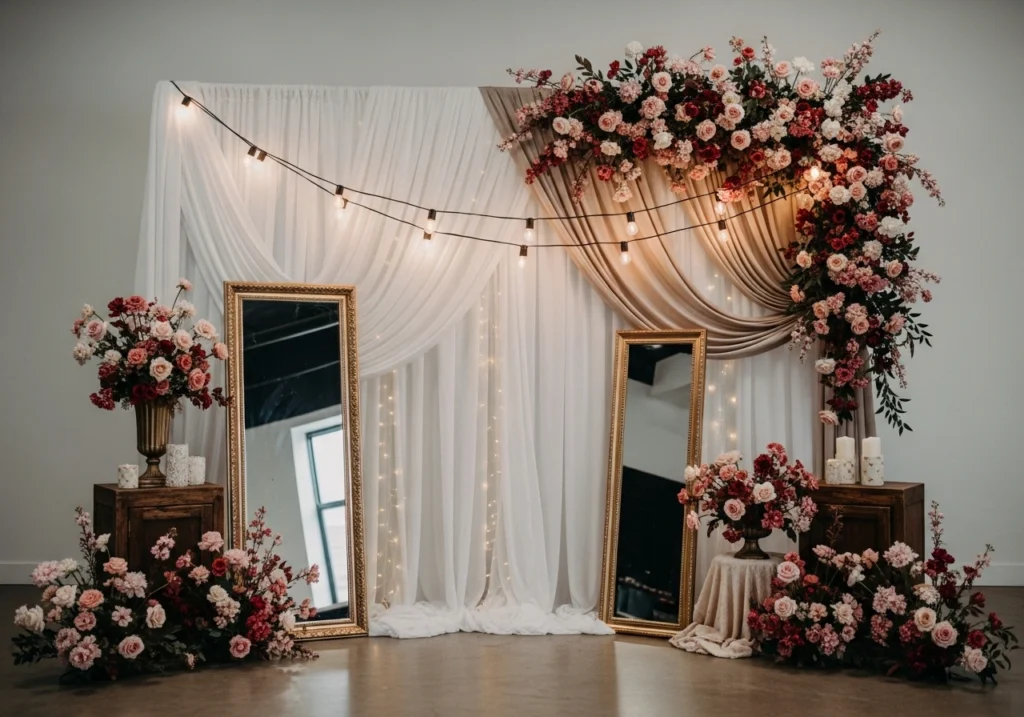
In contemporary celebration, spaces must accommodate both authentic experience and visual documentation. Design specific areas within your home that serve as focal points, naturally drawing attention and inviting photography.
Large mirrors strategically placed amplify light and create depth perception, making spaces feel more expansive. Backdrop arrangements combining layers of textures, colors, and lighting elements provide compelling visual interest. String lights, fabric drapes, and floral arrangements work together to create depth without appearing contrived. These spaces become not just functional areas of celebration but genuine focal points that enhance the overall atmosphere of your home.
The Art of Minimalist Romance

Contrary to the belief that more decoration creates more romance, restraint often communicates sophistication and intentionality more powerfully than abundance. Strategic placement of carefully chosen elements creates breathing room that allows each piece to be appreciated.
This approach means saying no to some elements to say yes to others with greater impact. One stunning piece of wall art speaks louder than a dozen small items. A single large mirror reflects light and space more effectively than multiple mirrors. A carefully arranged floral centerpiece creates more impact than clustered decorations throughout the table. This philosophy, sometimes called curated minimalism, creates spaces that feel modern, intentional, and deeply welcoming.
Building Cozy Gathering Spaces
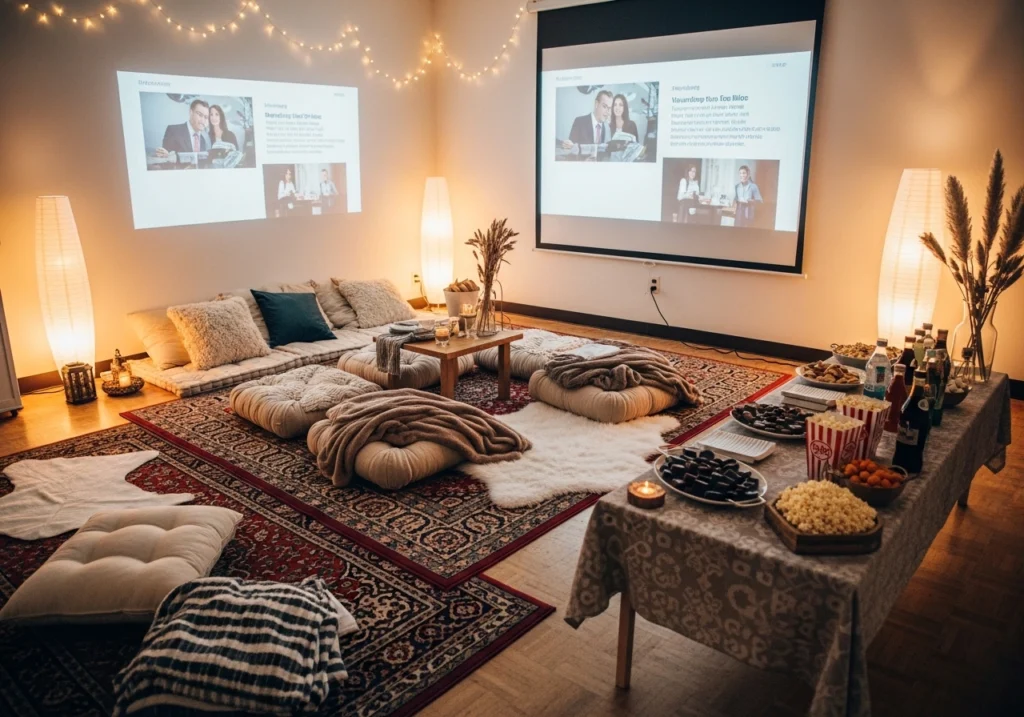
Romance is not limited to formal dinners. Casual gathering spaces designed for connection create equally meaningful atmospheres. Layered rugs define intimate seating areas. Oversized cushions and plush throws invite guests to settle in for extended conversation and connection.
Create a movie-watching nook with projected content against a clean white wall or sheet. Floor cushions, faux fur rugs, and layered blankets provide comfort while maintaining visual appeal. A low wooden table nearby holds popcorn, chocolates, and beverages. This informal approach to celebration appeals to those seeking comfort and genuine connection over rigid formality.
Incorporating Personal and Vintage Elements

Authentic decoration draws from personal history and meaning rather than generic commercial designs. Display photographs that document shared memories. Vintage cards or letters arranged in frames or propped on tables add nostalgic warmth. Collections assembled over time through thrifting or antique shopping carry inherent meaning and uniqueness.
Vintage-style place settings using collected pieces from various sources create eclectic elegance. Mismatched china in coordinating colors feels intentionally curated rather than simply inconsistent. Brass candlesticks found at estate sales or thrift markets carry visible history. These elements, when brought together thoughtfully, create spaces that feel lived in and genuine rather than sterile or overly coordinated.
Designing Spaces for Intimate Dinners
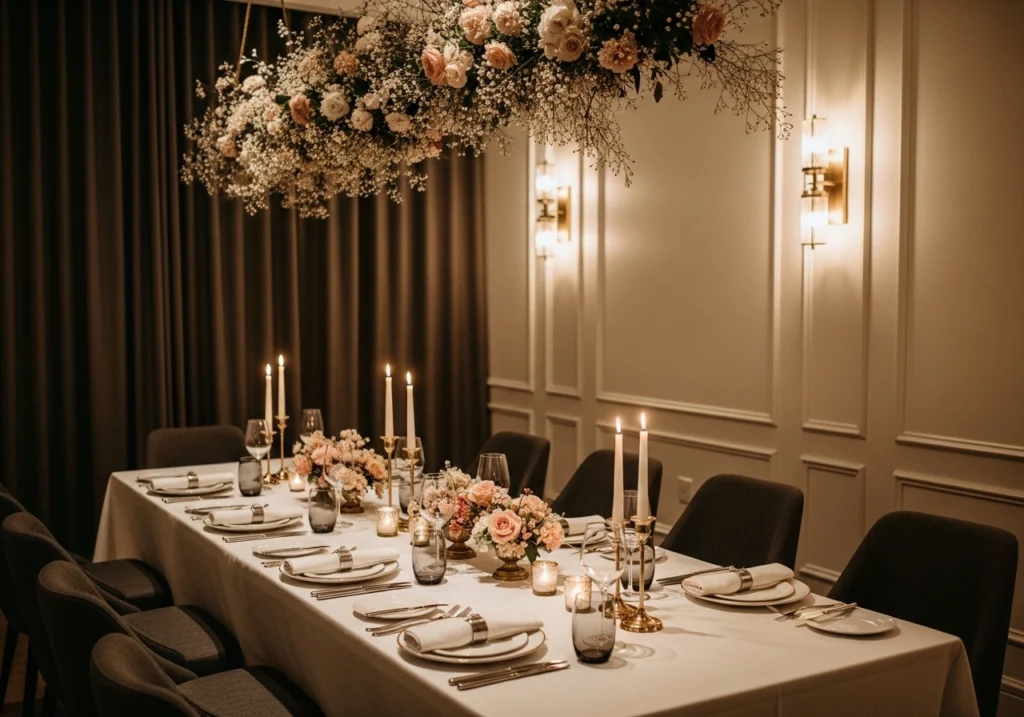
A focused approach to dining room decoration creates an environment perfectly suited for meaningful connection. The dining table becomes the hero of the space, with careful attention to every element visible to seated guests.
Keep the palette cohesive but not monotonous. Layer textures through table linens, tableware, and centerpieces. Allow adequate breathing room for dining rather than crowding the table with excessive decoration. Place settings become an element of design, with intentional choices about spacing, glassware placement, and napkin styling. The overhead space above the table offers opportunity for suspended floral arrangements or shimmering accents that create visual drama without occupying table surface space.
Working With Bold Accent Colors
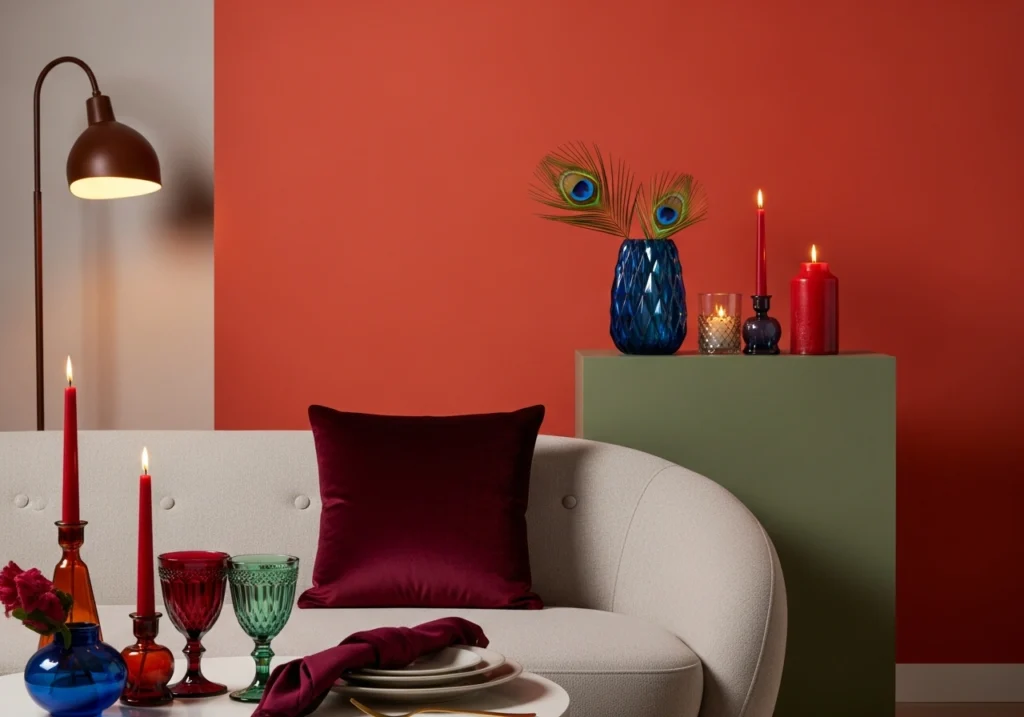
While neutral bases create foundation for romantic spaces, strategic bold accents prevent settings from feeling bland or impersonal. Deep burgundy, jewel tones, or even unexpected colors like peacock blue or rich sage add personality and contemporary flair.
These accent colors work most effectively when used sparingly and strategically. A single burgundy velvet cushion on neutral furniture creates visual interest. A bold accent wall painted in warm terracotta provides backdrop for lighter-toned furnishings. Jewel-toned glassware catches candlelight beautifully while adding unexpected sophistication. This approach allows bold color to enhance rather than overwhelm, creating spaces that feel current while maintaining timeless romantic sensibility.
Lighting as Functional Design Element
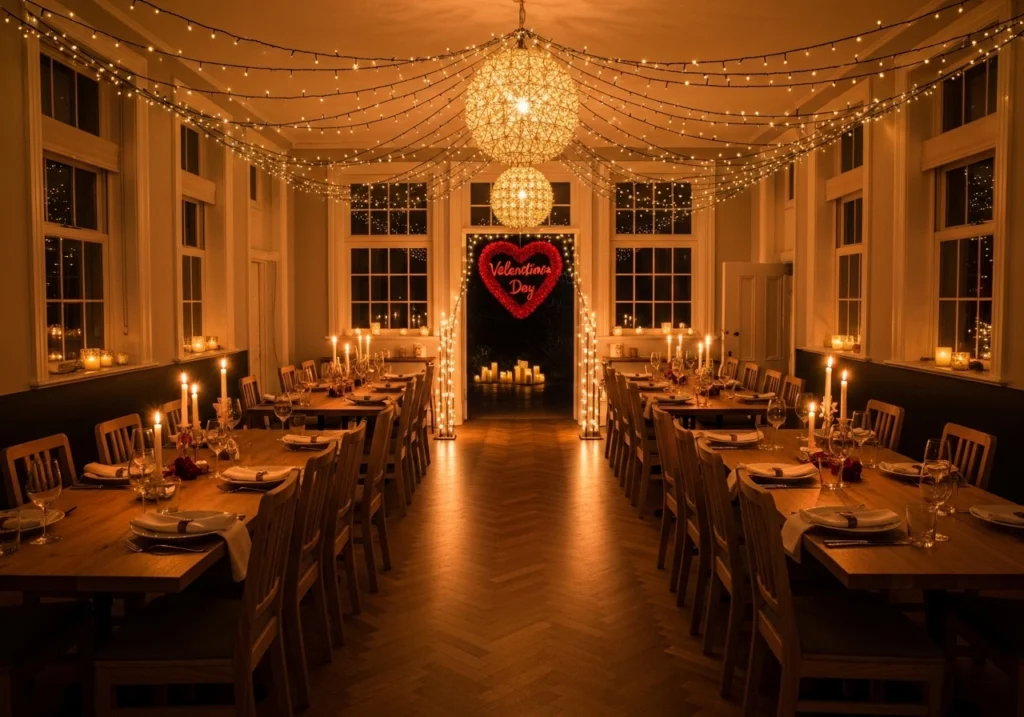
Beyond atmospheric contribution, lighting requires practical consideration. Ensure adequate illumination for dining without overly bright overhead lights. Table lamps with dimmable functions provide flexibility throughout the evening. Candlelight alone creates beautiful ambiance but may not provide sufficient functional light for initial meal courses.
Pathway lighting from room to room guides guests while creating additional atmospheric elements. String lights hung overhead provide both illumination and visual interest. Consider color temperature carefully, ensuring warm rather than cool-toned bulbs complement your chosen palette. This integrated approach to lighting ensures your space is both beautiful and functional.
Bringing Seasonal and Botanical Elements Indoors
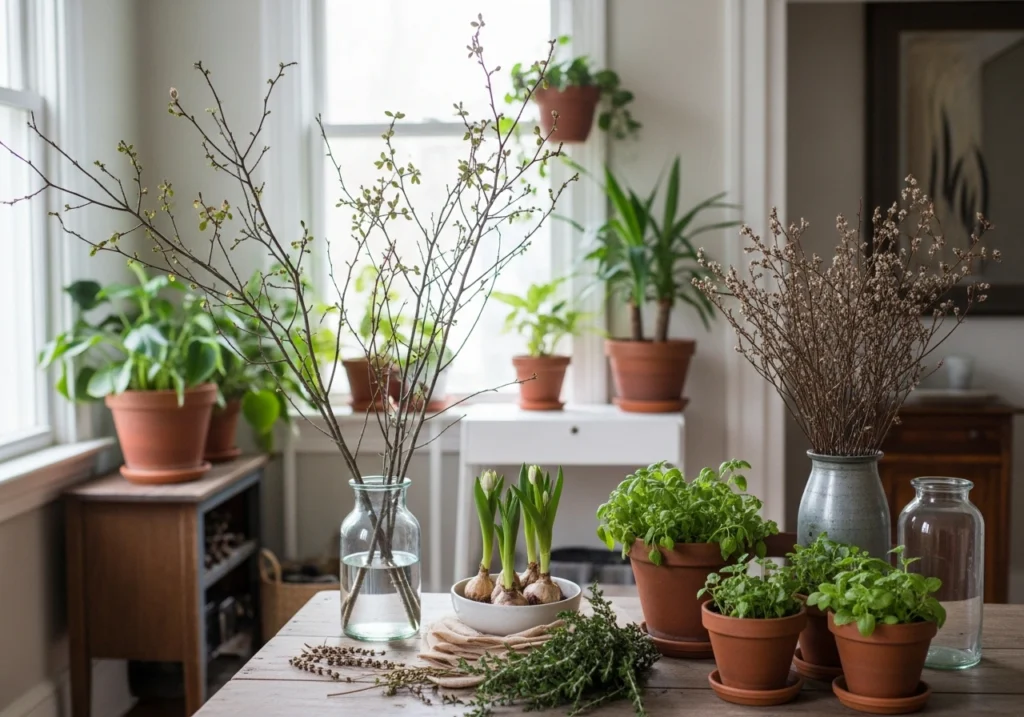
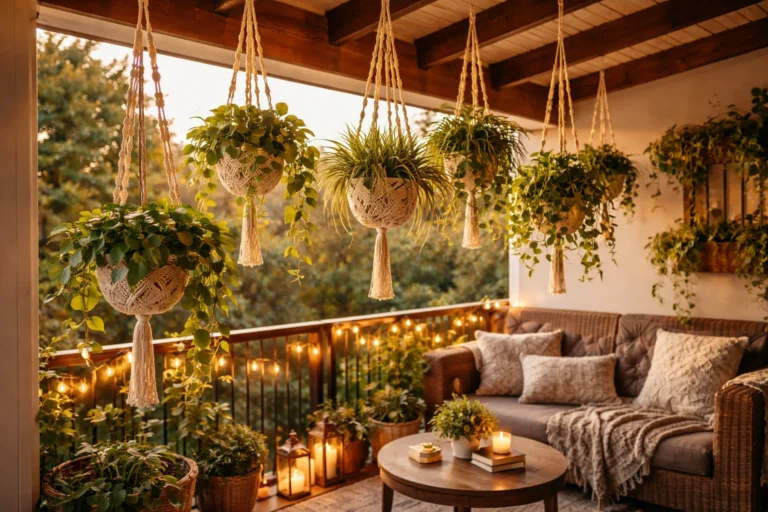
Fresh elements from nature bring vitality and organic authenticity to decorated spaces. Branches arranged in simple vessels provide height and visual interest without requiring expensive florals. Potted plants strategically positioned around rooms add life and freshness.
Seasonal elements create timeliness and relevance. Early spring bulbs beginning to bloom suggest renewal and hope. Dried botanicals offer texture and interesting visual complexity. Even simple greenery arranged thoughtfully becomes an element of design. This approach honors natural beauty while keeping decoration costs reasonable and creating spaces that feel connected to the season and environment.
Establishing Sensory Experience Beyond Visual
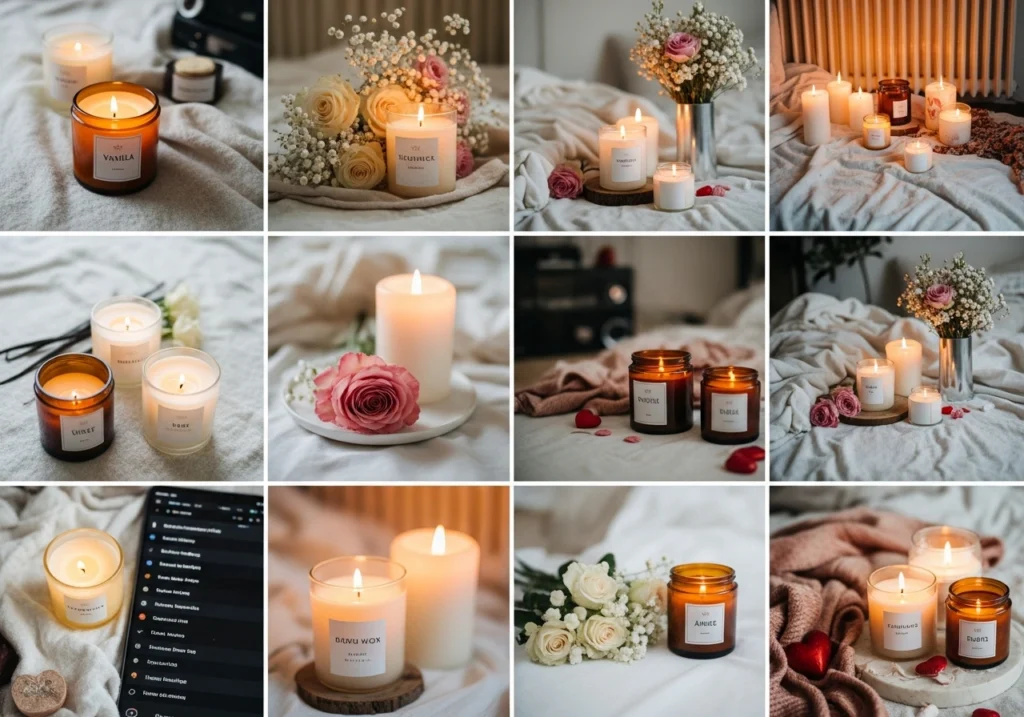
True atmospheric design engages multiple senses, creating memorable experiences that extend beyond visual appreciation. Fragrance plays a crucial role in establishing mood. Vanilla, rose, and amber scents create warmth and comfort. Fresh floral scents suggest natural beauty. Carefully chosen scented candles or diffusers subtly enhance atmosphere without overwhelming the senses.
Sound design contributes equally to experience. Curated playlists featuring soft music, jazz standards, or intimate acoustics create sonic environment that supports desired mood. Temperature control through adequate heating or carefully placed blankets contributes to physical comfort. Even tactile experiences like soft textiles and smooth surfaces enhance sensory engagement, creating celebration that feels complete and holistic.
Bringing It All Together for Meaningful Celebration
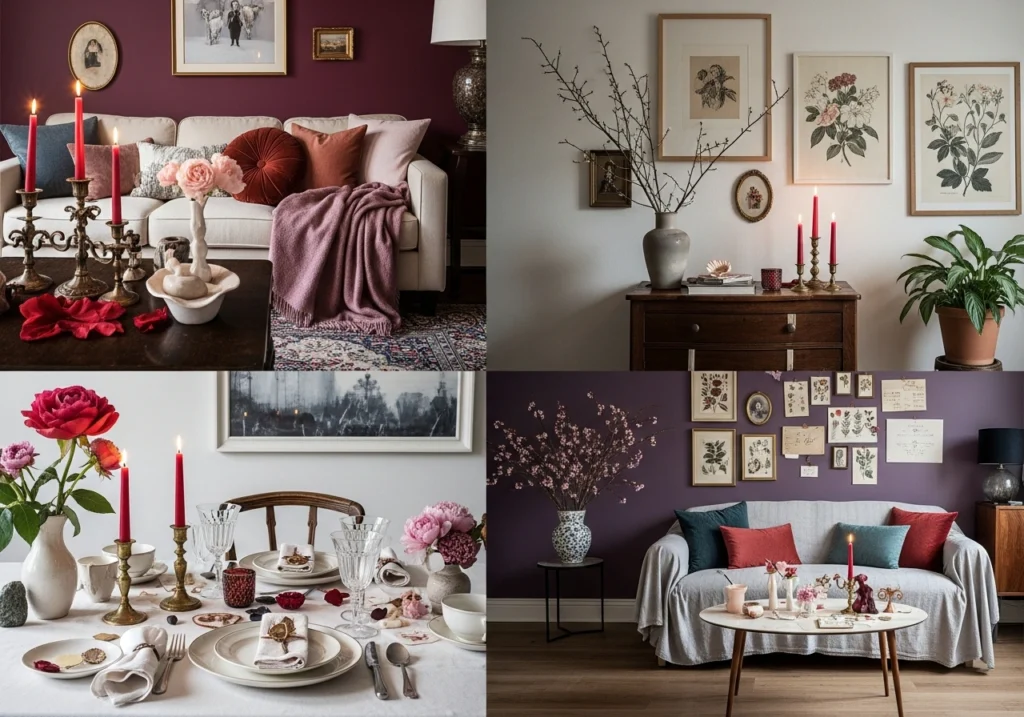
The distinction between ordinary decoration and truly meaningful celebration lies in intentionality. Each element should serve a purpose, contributing to overall atmosphere rather than existing simply because it feels like something Valentine’s decoration should include.
Consider your personal style, your guests, and the experience you wish to create. Let these factors guide your choices about color, lighting, furnishings, and accessories. Allow your space to reflect your genuine aesthetic and personality rather than conforming to generic commercial expectations. The result will be a celebration environment that feels authentic, inviting, and genuinely special.
Valentine’s Day provides welcome permission to invest in beauty and intentionality during winter months. Your home becomes a statement of values and a reflection of what matters most. Whether creating dramatic cinematic ambiance or quiet intimate comfort, thoughtfully designed spaces communicate care and create moments worth treasuring.
you may also like this:17 Cozy Valentine’s Day Home Decoration Ideas You’ll Want to Copy Immediately
FREQUENTLY ASKED QUESTIONS
Question 1: What is the single most important element when decorating for Valentine’s Day?
Lighting creates the foundation for all romantic atmosphere. Soft, strategically placed light sources transform any space, making other elements appear more beautiful and creating the intimate ambiance essential to Valentine’s celebration. Focus on lighting first, and other elements will enhance rather than compete with your base atmosphere.
Question 2: How can I create Valentine’s decor on a budget?
Focus on elements you already possess and thoughtfully rearrange them. Add candles throughout your home for dramatic effect at minimal cost. Use floral greenery and branches from your yard or collected from outdoor spaces. Shop thrift stores for vintage pieces that carry character and meaning. Borrow items from friends or family members. Invest most of your budget in fresh flowers and quality candles, which create immediate impact.
Question 3: Is it necessary to use traditional Valentine’s colors of red and pink?
No. Contemporary design embraces moody palettes including burgundy, dusty blush, terracotta, sage green, and neutral tones. These colors create sophisticated atmospheres that feel current and personally expressive. Choose colors that resonate with your aesthetic and complement your existing home environment. Your celebration should reflect your individual style rather than commercial expectations.
Question 4: How do I balance romantic ambiance with maintaining a modern aesthetic?
Combine soft, romantic elements like candlelight and florals with clean lines and minimalist styling. Use contemporary materials like brass, glass, and natural wood alongside traditional romantic components. Keep color palettes refined and intentional. Avoid excessive decoration, allowing space for visual breathing room. This approach creates celebration that feels both romantically meaningful and current.
Question 5: What elements work best for decorating spaces beyond the dining room?
Create ambiance throughout your home through strategic lighting, carefully placed florals, and layered textiles. Bedroom decoration should emphasize comfort through plush elements and warm light. Living spaces benefit from focal points like decorated mantels or window displays. Entryways set the tone for your entire home through welcoming displays and atmospheric lighting. Every space offers opportunity to contribute to overall celebration mood.
One Comment